private-markets
(186)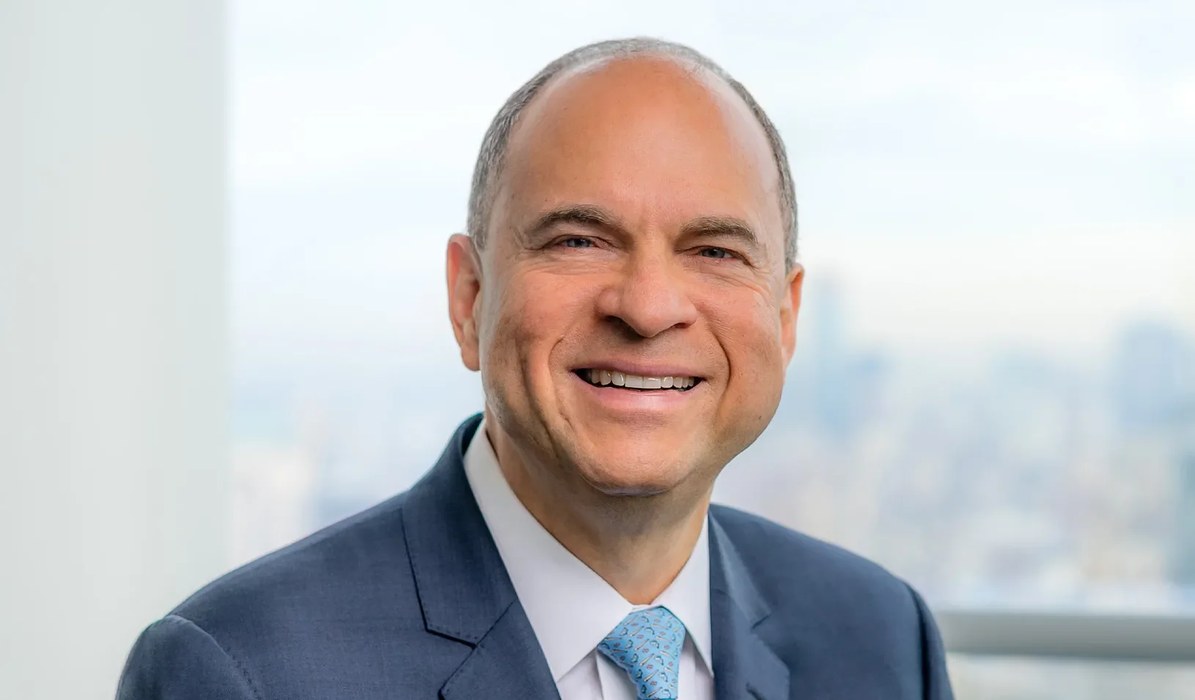
Henry Fernandez and the business of starting again
A revolution changed his plans. Failed ventures tested the next ones. At MSCI, Henry Fernandez has spent decades turning a long view of investing into the daily work of building a company.
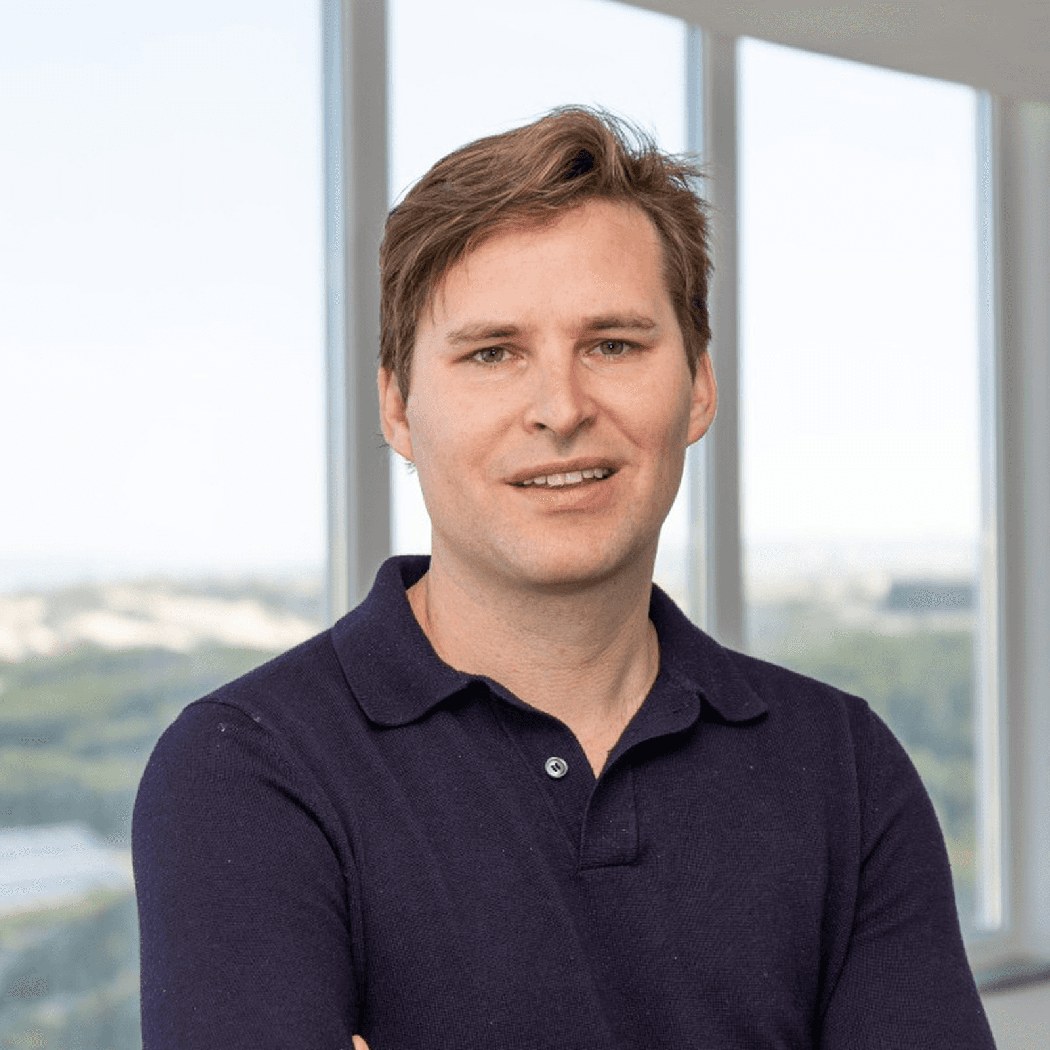
Frister Haveman and the case of the missing hours
He knew the private equity research routine because he had done it. With Gain, Frister Haveman set out to shorten the homework - and kept a place for the people who check the answers.
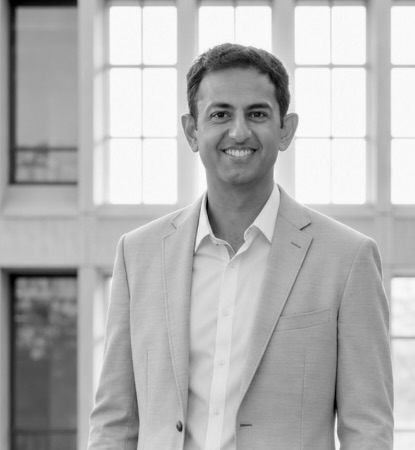
Pramod Dabir had an exam to take
A national doubles title earned Pramod Dabir a place at the U.S. Open; first came an engineering exam. The same mix of ambition and practical work runs through West Agile Labs, Veltris and his life as a builder and investor.
Blue Owl Capital sells time.
A bank wants its cash back. An insurer wants income for years. Blue Owl has built a $319 billion investment business around making those clocks agree.
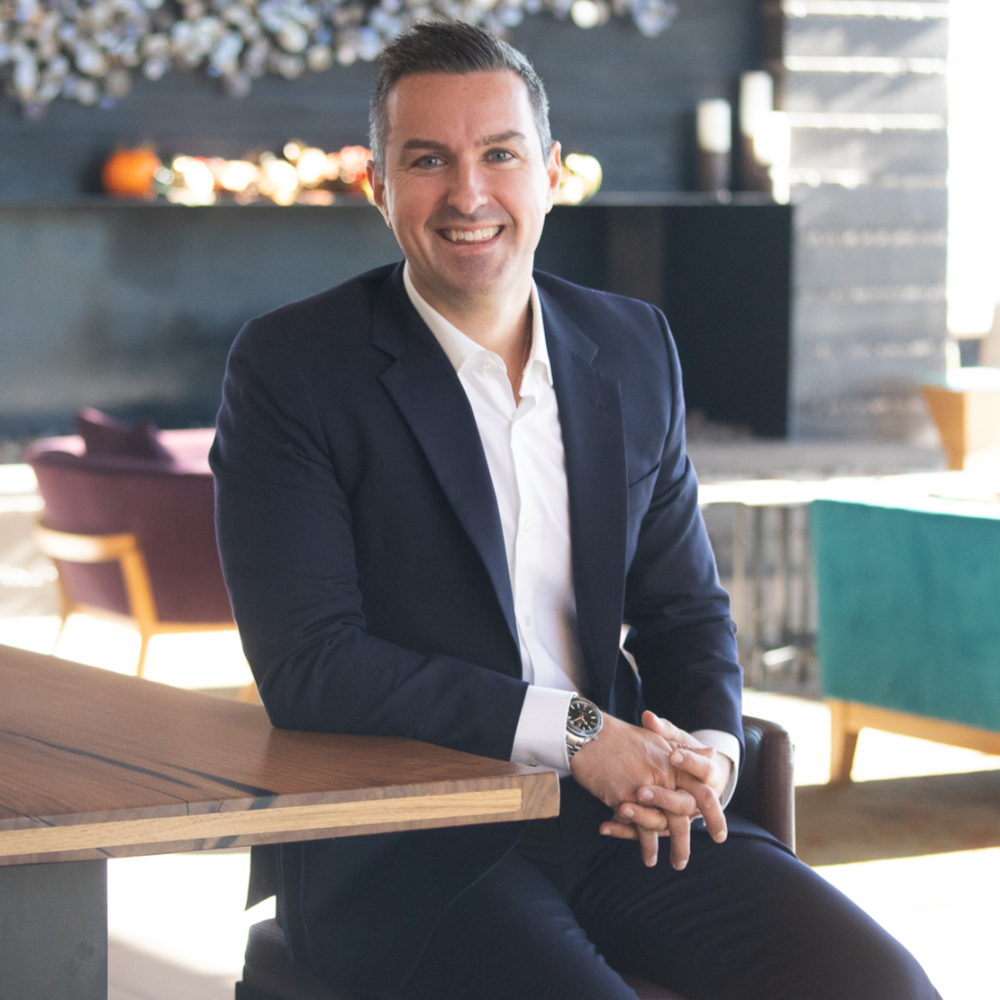
Tomas Milar and the price of owning something
He built a business helping people start companies, then bought the firm that had turned him down. With Eqvista, Tomas Milar is pursuing a harder question: what is a piece of a private company actually worth?

Mike Zhang and the Art of Choosing Who Gets Your Money
He started by selling video games online to help his parents buy a home. From Airsoft Megastore to Good Money and altHQ, Mike Zhang’s career keeps returning to the people on the other side of a transaction.
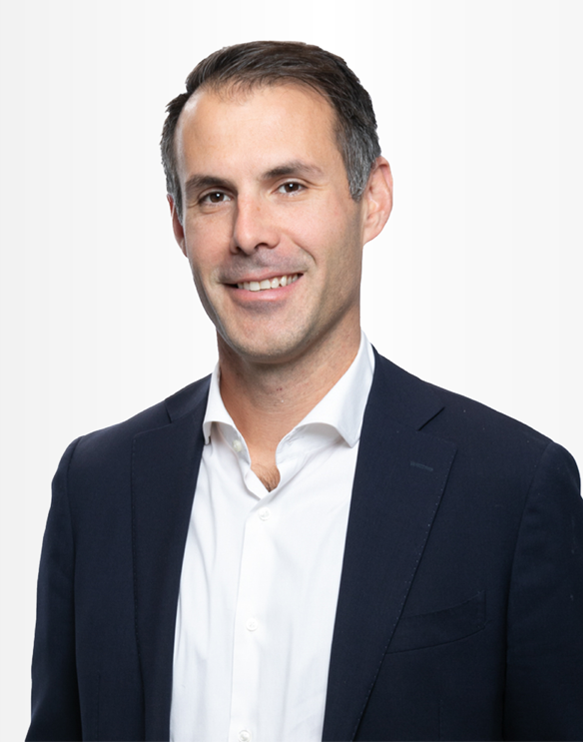
Sean Connor and the question at the exit
At Blue Owl, Sean Connor has helped build a global business bringing private markets to individual investors. His work turns on a practical challenge: making the invitation as clear as the terms.
Federated Hermes puts waiting money to work
Most investors talk about where money goes next. Federated Hermes built its business around what money does while it waits - then bought its way into a much longer game.
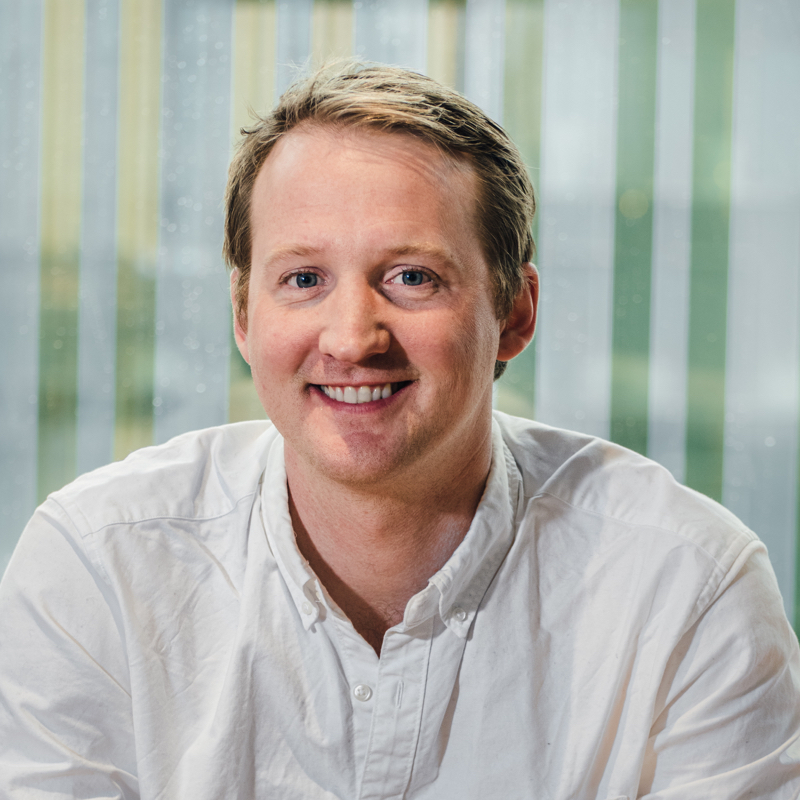
Sam Glasswell and the afterlife of a good question
Sam Glasswell spent years helping businesses find people worth listening to. At Arbolus, he is trying to make what they know last longer than the conversation.
Capital Group makes room for disagreement
The firm behind American Funds built an investment business around a useful idea: people can share their research without sharing the same opinion. Its compensation clock runs all the way to eight years.

S&P Global sells the yardstick.
A railroad reference book became a business in ratings, indices and market data. The useful lesson is how S&P Global turns messy information into something people can compare - and what happens when they trust it too much.

Muzinich & Co: The art of saying no
A credit specialist built in the wreckage of the high-yield market now lends alongside banks. Its most revealing number is the share of deals it turns down.

Atish Davda and the price of waiting
He wanted to buy an engagement ring. His wealth was tied up in startup shares. The problem helped set Atish Davda on a thirteen-year journey from EquityZen’s founding to its acquisition by Morgan Stanley.
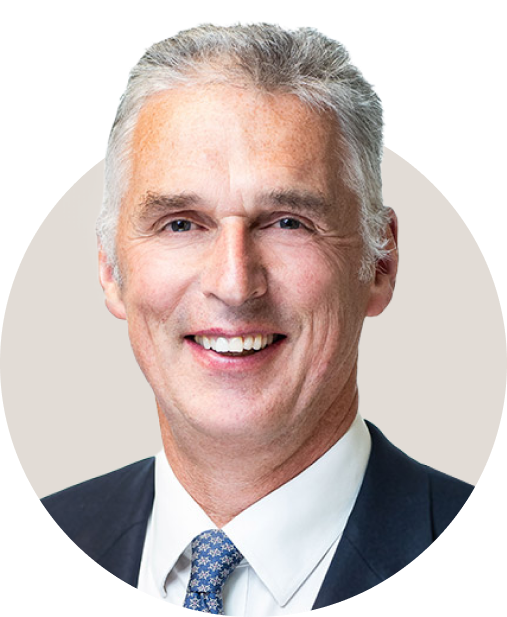
Mark O’Hare and the price of knowing
He built Preqin by making private money easier to follow. A failed dot-com investment, a £2.55 billion sale and a theatre in the Suffolk woods tell the story behind the database.
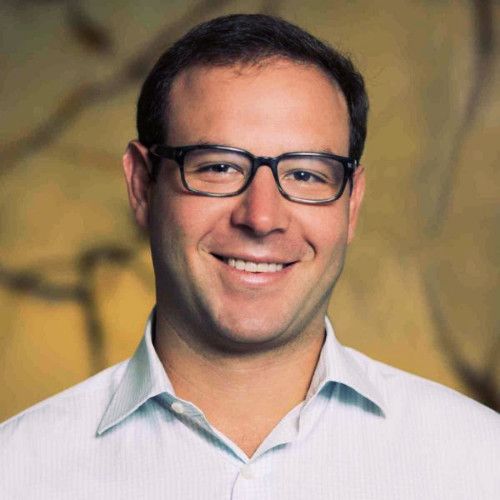
Christopher Pallotta and the Trouble With Buying In
From MIT’s Media Lab to Templum, Christopher Pallotta has followed the awkward details of investing: who can buy, how ownership moves, and what happens when someone wants out. His answer is a business built around making private markets work behind the screen.
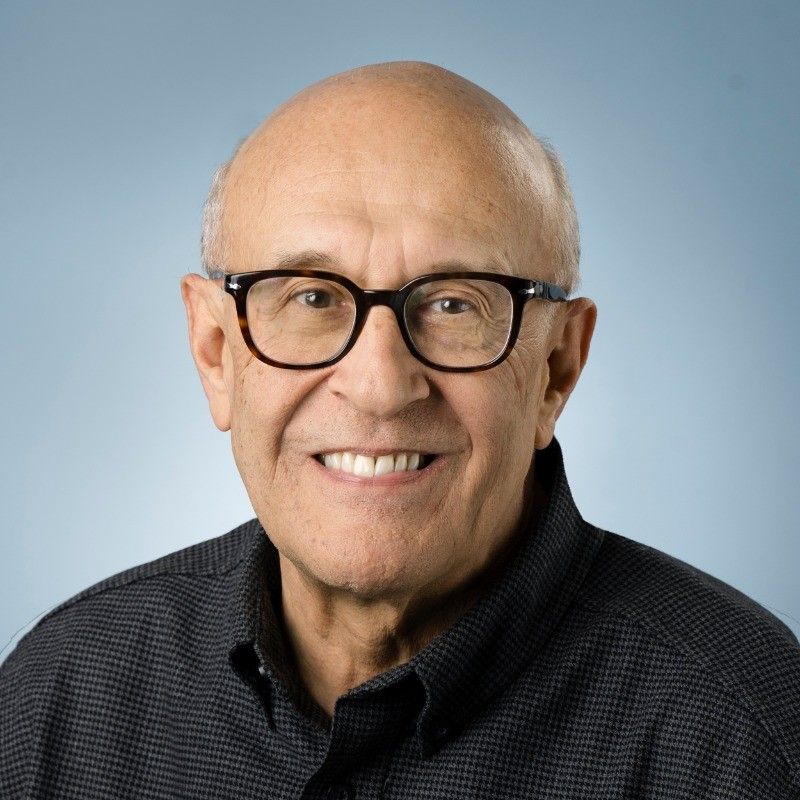
Bill Sarris Made Access Easy. The Price Was Another Matter.
Before Linqto sold access to private companies, Bill Sarris built software for banks. His second act brought thousands of investors through the door - and left the price of admission at the center of federal fraud allegations he denies.
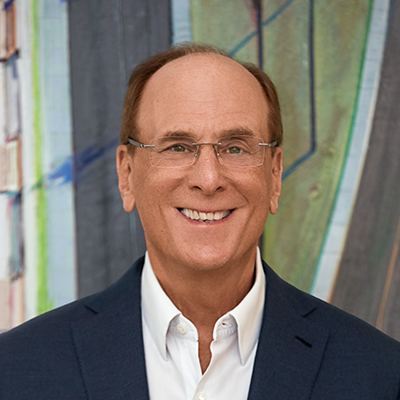
Larry Fink and the education of a hundred-million-dollar mistake
A trading loss taught Larry Fink to question what he knew. Four decades later, the BlackRock co-founder is still selling a particular kind of confidence: optimism with the risks counted.
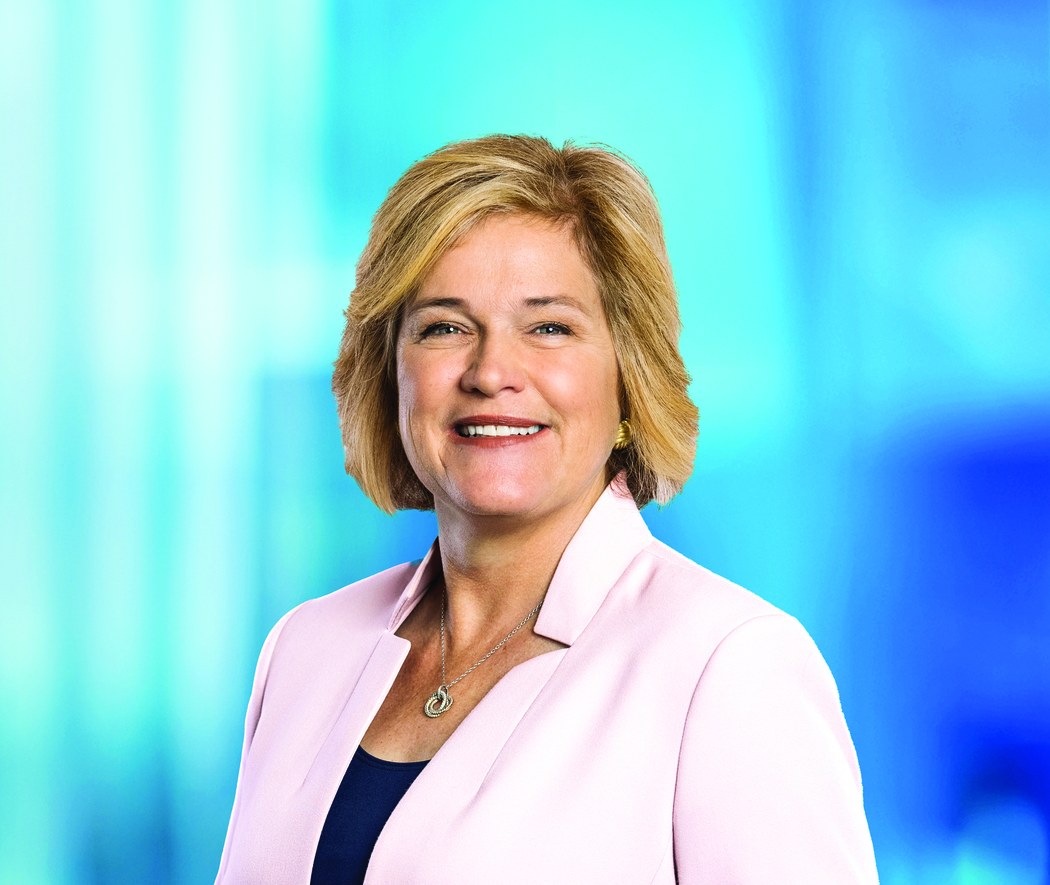
Jenny Johnson knows where the machinery is
Before she became Franklin Templeton’s CEO, Jenny Johnson ran credit cards, auto finance, operations, and technology. Her long apprenticeship helps explain why a third-generation family executive keeps looking for things to change.
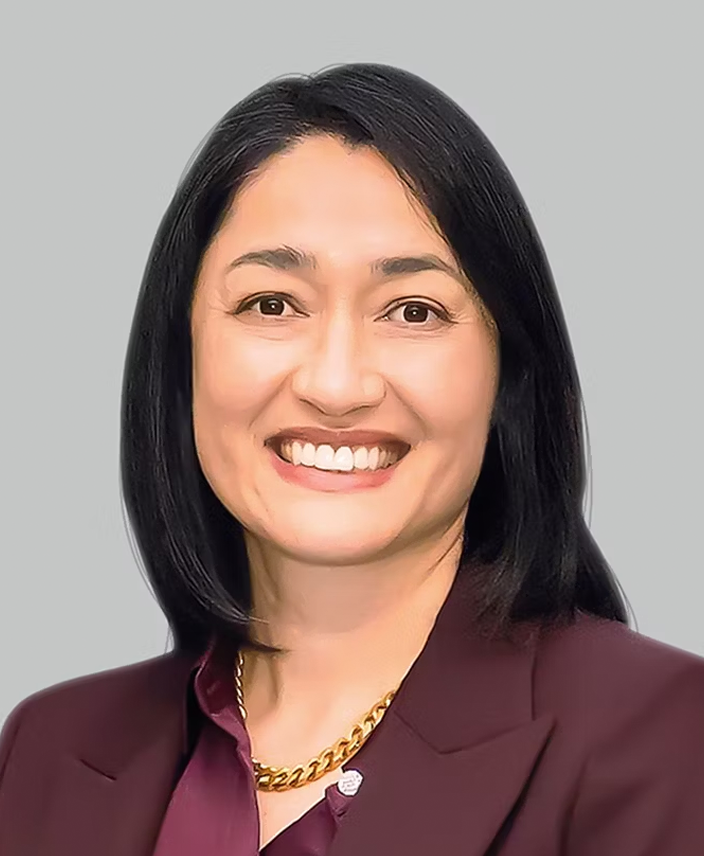
Martina Cheung and the value of a sideways move
Before she became S&P Global’s CEO, Martina Cheung learned how to make herself useful when the work dried up. Her route to the top makes a case for taking the job that teaches you something.
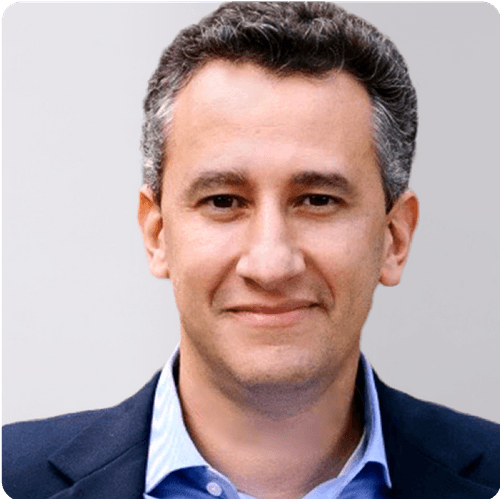
Josh Green and the trouble with a good idea
Josh Green built Panjiva by letting customers change his plans. At Novata, the co-founder and co-CEO is applying that lesson to sustainability data, private markets, and the awkward business of deciding what to trust.
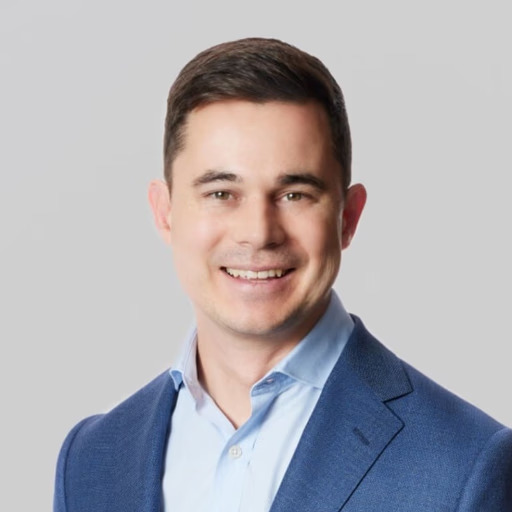
Carl Prins and the cost of counting the wrong thing
After an energy startup failed, Carl Prins took its lessons into carbon accounting. At Pathzero, the former hedge fund CFO is working on a deceptively difficult question: what, exactly, does an investment own a share of?
Gain wants your research time back.
Private equity has plenty of databases. Gain is betting that connecting the evidence matters more than collecting another pile of it.
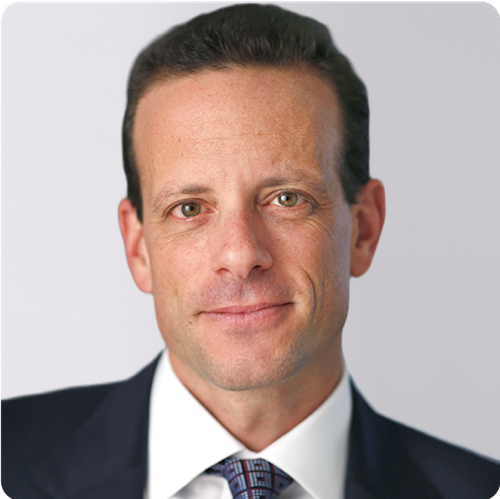
Alex Friedman and the Numbers That Money Forgot
From the Gates Foundation to UBS, Alex Friedman kept running into the same missing information. At Novata, he is building a way for private companies to measure what their balance sheets leave out.
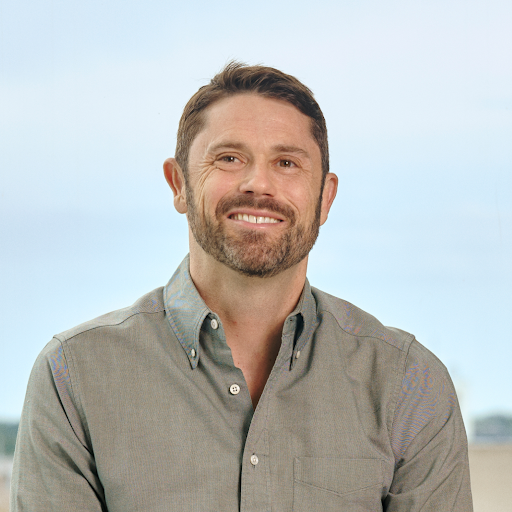
Ben Miller and the $100 invitation
A Washington building gave the Fundrise co-founder a question he has spent years pursuing: why should the people who see an opportunity be shut out of owning a piece of it?
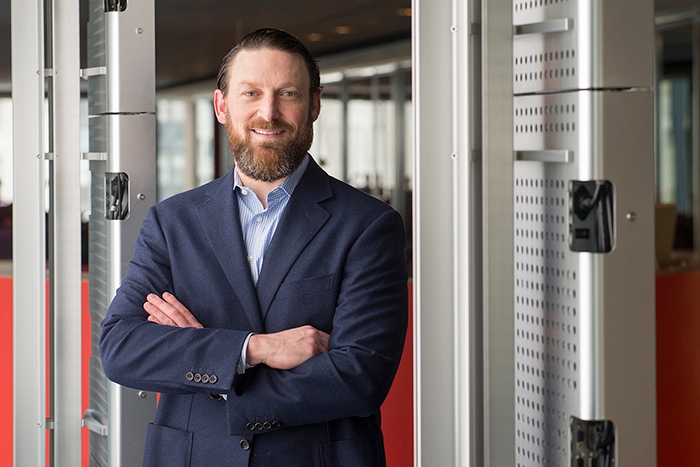
John Gabbert and the business of hearing no
He built PitchBook to explain the private markets, then had to persuade those markets to back him. More than 200 rejections, one cold call and 17 years later, John Gabbert had a different kind of balance sheet.

GeoWealth: Make room for the advisor.
The investment portfolio gets the attention. GeoWealth is betting that the less glamorous work behind it - accounting, trading and paperwork - is where an advisory firm wins back its time.
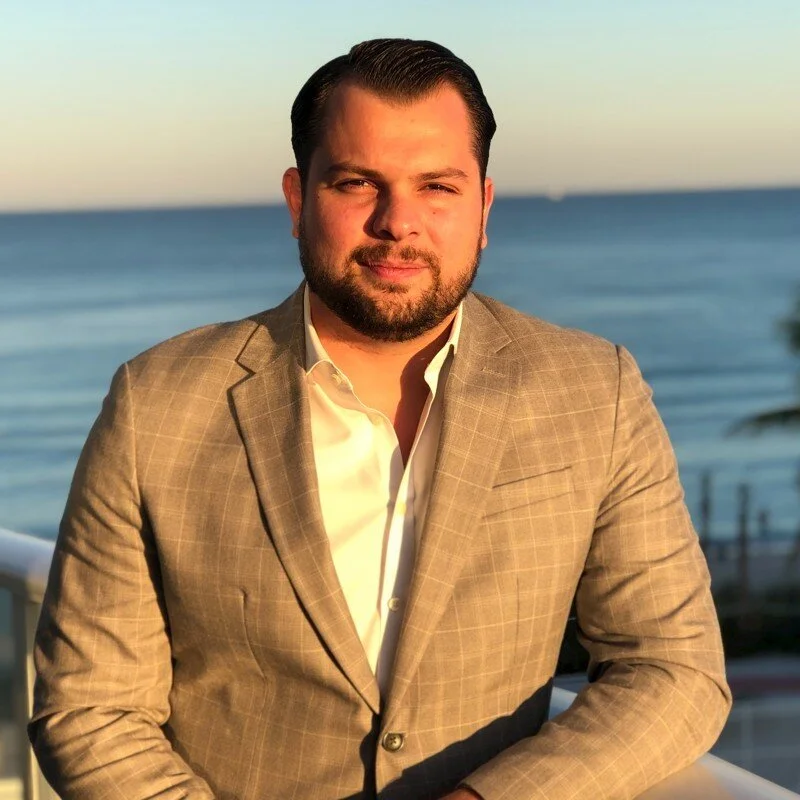
Roy Carmo Salsinha and the art of the introduction
His parents backed the beginning. He built a career arranging what comes next: a conversation between people who have a reason to meet.
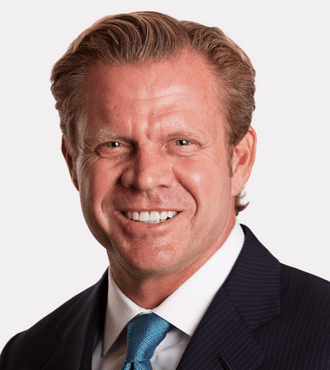
Monte Brem and the art of being succeeded
He helped build StepStone around the needs of other investors. Then he spent years preparing the firm for a future with someone else in the chief executive’s chair.
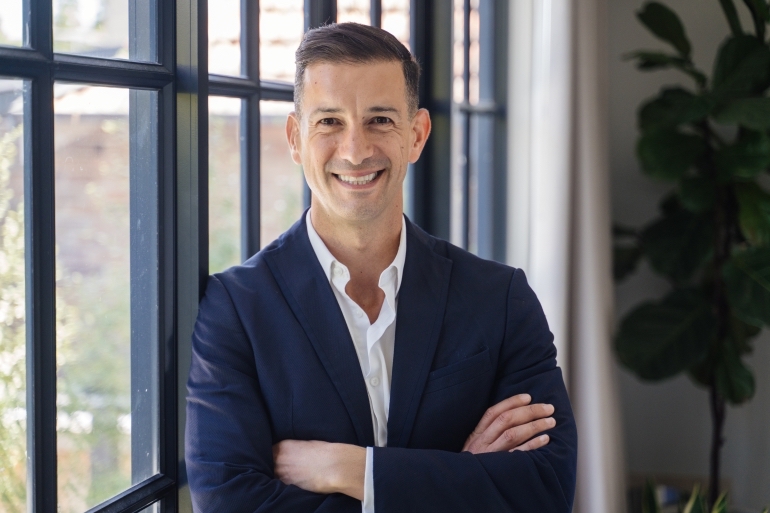
Steve Maarbani and the trouble with standing still
The former PwC partner helped build VentureCrowd to give more people a route into private investment. His story runs from legal fine print and Freddie Mercury to a company confronting its own capital problems.
Alexander Leonardi and the work between the work
Before VectorShift, Alexander Leonardi and Albert Mao ran a student consulting business together. The hours swallowed by proposals, research and routine administration became the starting point for their AI company.