A model portfolio is a tidy thing. A few allocations, a risk target, perhaps an explanation of why these investments belong together. Then a client needs cash. Another account receives a deposit. A third owns something that cannot be sold on Tuesday. The tidy thing has acquired a working day. GeoWealth’s business lives inside that day.
- For the advisor: portfolio software plus people to handle trading and back-office work.
- Room to choose: use your own investment models, outside managers or a mixture.
- The newer bet: make public and private investments easier to operate together.
Its customers are registered investment advisors, or RIAs: independent firms managing money and relationships without the infrastructure of a large brokerage behind them. GeoWealth supplies portfolio technology, investment choices and outsourced operations. The proposition is straightforward: an advisor can spend less time administering a portfolio and more time being useful to its owner.
The unglamorous years
There is a revealing moment in a 2024 interview with wealthtech consultant Craig Iskowitz. Recalling an early demonstration, Iskowitz remembers finding holes in GeoWealth’s rebalancer. Falls acknowledges that the order-management and proposal tools also needed work. The company had spent its early years on accounting and sub-accounting, the machinery beneath the interface.
That sequence explains a great deal. A screen can display a portfolio before a system can reliably account for everything happening inside it. GeoWealth chose to build the underlying system itself. Family-office backing gave it time for a long development period. The cost was time spent building capabilities that prospective customers could not immediately admire.

The company’s organizational choices changed, too. Its initially distributed team established a Chicago headquarters in 2013, while retaining a Bulgarian engineering hub. The supposedly modern virtual company decided it needed a physical home office before taking its platform more broadly to market. Sometimes the next useful piece of infrastructure is an office.
Keep the recipe. Borrow the kitchen.
Many advisors want operational help without surrendering their investment identity. GeoWealth supports advisor-built models, third-party strategies and combinations of both. Its unified managed account, or UMA, uses separate sleeves to organize different strategies inside one custodial account. An advisor can keep making allocation decisions while delegating the repeated work of implementation.
The product extends beyond allocation. Advisors get household views, reporting tools and a service center for cash and trade requests. Corporate home offices can create custom workflows. Clients get a portal and mobile experience carrying their advisor’s branding. GeoWealth’s operations staff handle functions including reconciliation, billing and performance reporting, with relationship managers supporting the firms.
The menu is broad: GeoWealth advertises more than 750 third-party models, alongside its own portfolios. Its investment team evaluates and monitors marketplace strategies. That gives a firm several possible levels of help, from running its own investment approach to choosing outside models. The expertise on offer combines software engineering, investment oversight and the operational knowledge needed to keep accounts working.
In its own case-study library, GeoWealth describes a growing RIA whose key employees were getting buried in trading and operations. The firm chose outsourcing instead of adding internal staff. Another company-described case reports annual savings above $150,000 after switching TAMPs. Those examples illustrate the intended economics; they do not establish a typical customer result.
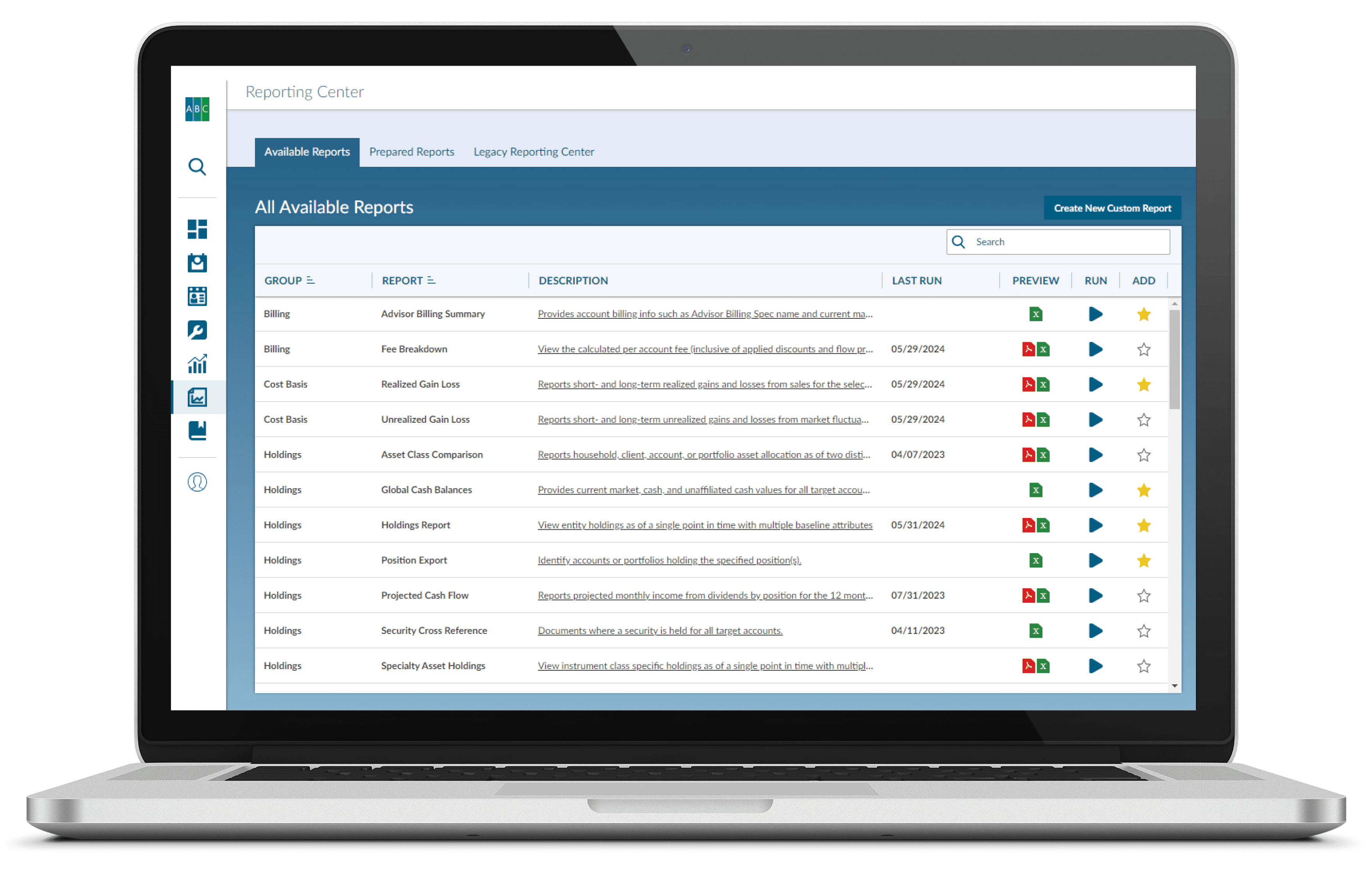
The bill is negotiated. GeoWealth says contracts depend on the firm and its service requirements, often with tiers and breakpoints. Fees can come from client accounts or be invoiced to the firm. The relevant comparison includes staff time, other software and the cost of keeping separate systems coordinated. A small headline fee can conceal a surprisingly busy office.
Alternatives include established TAMP providers such as AssetMark, SEI and Envestnet, or software combined with an internal operations team. GeoWealth’s position sits between buying tools and buying a managed service. Its argument for owning its technology is that it can change the software and the operating process together. That is a design choice an advisor can test in a demonstration.
Private assets keep their own clocks
The newer challenge arrives when private investments enter the model. GeoWealth’s Private Model Marketplace, launched in November 2025, offers managed models built with partners including Apollo, BlackRock, Goldman Sachs Asset Management and J.P. Morgan Asset Management. The platform supports cash management and rebalancing; iCapital handles integrated subscription workflows for funds that require the documents.
The distinction matters. Putting a private fund on an allocation sheet does not make it easy to run alongside exchange-traded investments. Subscription requirements and limited redemption opportunities survive the prettier presentation. GeoWealth can coordinate administration, but a common account does not give every holding a common liquidity schedule. Advisors still have to match the investment to the client.
Follow the money, carefully
In March 2026, Goldman Sachs invested $42.5 million through an extension of GeoWealth’s Series C. There is a useful wrinkle: the transaction provided shareholder liquidity as well as growth investment. Falls told WealthManagement.com, “This wasn’t cash we needed.” He said most of the money was going to shareholders.

“This wasn’t cash we needed.”
Colin Falls / on the March 2026 investment
That detail changes how to read the announcement. The transaction deepened an existing commercial relationship and gave Goldman a board seat. It also allowed owners to realize value. The Globe Resources Group retained majority ownership, alongside the institutional minority investors. A financing headline describes a transaction; it does not, by itself, describe a software budget.
A useful question for any growing firm
GeoWealth’s lesson travels beyond investment management. Find the recurring work that consumes skilled people, then decide which decisions genuinely require those people. An advisor evaluating this platform can bring a real cash request, a billing exception and a difficult account transition to the demo. Watch who does what. The portfolio is the recipe. The business depends on whether the kitchen can serve dinner.