Breaking
MAR 2026 Conduit Health closes $17M Series A led by Drive Capital TOTAL $22M raised to date REACH 50,000+ patients served in 16 months NETWORK 100+ health plans, ~90M covered lives HQ East 95th Street, New York TEAM 45 employees and hiring PLATFORM CareOS reads payer rules like a language model PREV ConsenSys Ventures · Candid Care · Branded · JP Morgan
Profile · Founders

Natan Wise

He left crypto seed checks to fix the paperwork behind a wheelchair. Now Drive Capital thinks he might have.

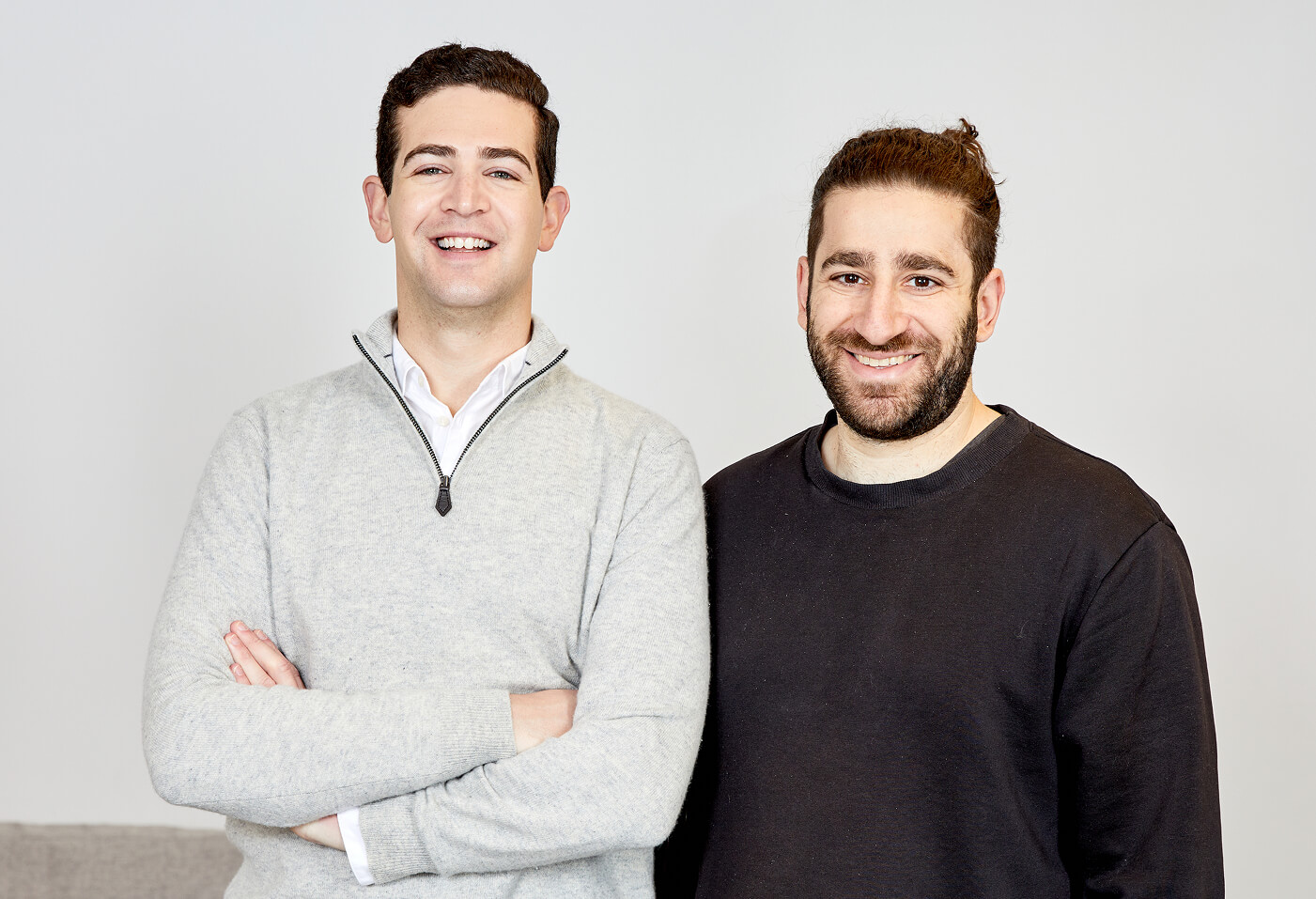
Natan Wise, co-founder and CEO of Conduit Health, with co-founder Rocky Seftel.
Wise (left of frame in the founder portrait) with co-founder Rocky Seftel. Photograph via Conduit Health.
$17M
Series A (Mar 2026)
50k+
Patients served
100+
Health plans
~90M
Lives covered

The paperwork was the product

Natan Wise runs a company that sells wheelchairs, walkers, bedside commodes, incontinence briefs and the other equipment that Medicare and Medicaid are, in theory, supposed to pay for. In practice, Medicare and Medicaid pay for these things through a labyrinth of prior authorizations, coverage rules, clinical documentation requirements, and payer-specific edge cases that has kept the durable medical equipment industry stuck somewhere between the fax machine and the paperclip. Conduit Health, the company Wise co-founded with Rocky Seftel in 2024, treats this labyrinth as the business.

In March 2026, Drive Capital led a $17 million Series A round into Conduit, bringing the company's total funding to $22 million. XYZ Ventures, Twelve Below, and Eniac Ventures came along. Sixteen months into the public life of the company, Conduit says it has delivered supplies to more than 50,000 patients, quadrupled its product catalog, and grown a payer network that touches roughly 90 million covered lives. The pitch is that clinical evaluation, insurance authorization, and physical fulfillment should live inside a single operating system rather than three unrelated ones held together by phone calls. The name of that operating system is CareOS.

CareOS is an AI platform that reads hundreds of thousands of payer-specific rules, predicts the likelihood a claim will be approved before it goes out, and learns from every one of Conduit's patient interactions. If you have ever tried to argue with an insurance company about whether a specific catheter is on-formulary, this is the piece of software you have been waiting for. Wise, in interviews around the funding round, is careful to say that the humans still matter. "By unifying all of the clinical, administrative, and fulfillment work around an intelligent operating layer, we offer a care model that actually works for patients," he told the press release.

He also said, of the industry he is trying to fix, "The red tape in DME procurement, particularly in Medicare and Medicaid, has profoundly hindered access to these essentials." This is the polite version. The impolite version, roughly, is that if you are a Medicaid patient in need of a mobility aid, the market has historically treated your order like an intrusion on someone else's spreadsheet. Conduit is the counterargument.
The red tape in DME procurement, particularly in Medicare and Medicaid, has profoundly hindered access to these essentials.
— Natan Wise, March 2026

How the money got in the door

Drive Capital, based in Columbus, does not write reflexive checks into New York healthcare startups. The firm has a habit of finding boring, essential businesses and asking whether they might, in fact, be technology businesses in disguise. That is the thesis that put a term sheet on the table. Conduit's argument is that the value in the medical supply industry is not in the boxes. It is in the workflow around the boxes, and workflow is a software problem.

Total funding to date
$22M
Series A (Mar 2026)
$17M
Prior rounds
$5M
Patients served (16 mo.)
50k+
Payer network (health plans)
100+

Before he sold catheters

Wise did not start in healthcare. His first serious job was investment banking at JP Morgan India Private, followed by a foundational role at ConsenSys Ventures in 2018, where he was part of the founding team and helped lead early seed checks into BlockFi, Starkware, and Quantstamp. He also helped launch and manage the Tachyon accelerator. This is the moment in most founders' backgrounds where you would expect the crypto detour to become the whole story. It did not. Wise stepped off the crypto conveyor belt and into Candid Care Company, the direct-to-consumer telehealth orthodontics business, where he ran Strategy & Operations and then Expansion, and later took a Chief of Staff role at Branded, a food-and-beverage platform.

What connects those jobs is not the industry. It is the shape of the problem. Each of the companies Wise attached himself to was a business built on top of a broken workflow, whether that workflow was accredited-investor onboarding, at-home dental impressions, or virtual restaurant supply chains. Conduit is the same shape, applied to the specific problem of getting a piece of covered equipment from a manufacturer to a patient's front door without either party losing their mind.

The Macaulay Honors line on his LinkedIn is not decorative. He graduated valedictorian, majoring in corporate finance at Baruch. Read enough founder biographies and you learn that "valedictorian" is a proxy for a particular kind of unglamorous obsessiveness. Wise appears to be that kind of person. He speaks Hebrew, keeps his social media output measured, and does not appear to have taken a public position on much of anything except the specific problem in front of him.

Career timeline

  • Early career
    Investment banking, JP Morgan India Private
  • 2018
    Founding team, ConsenSys Ventures. Seeded BlockFi, Starkware, Quantstamp. Launched the Tachyon accelerator.
  • Post-ConsenSys
    Director of Strategy & Operations, then Head of Expansion at Candid Care Company.
  • Before Conduit
    Chief of Staff at Branded.
  • 2024
    Co-founded Conduit Health with Rocky Seftel. Company publicly launched.
  • Mar 2026
    Closed $17M Series A led by Drive Capital.

What Conduit actually does

Clinical

Telehealth consultations and clinical documentation, run through Conduit's own provider network. The paperwork the payer needs is produced where the patient is evaluated, not stitched together after the fact.

Coverage

CareOS interprets hundreds of thousands of payer-specific rules and predicts approval likelihood before a claim is submitted. It has been trained on the company's own 50,000+ patient interactions.

Fulfillment

Home delivery of durable medical equipment, mobility aids, incontinence supplies, and other insurance-covered goods. Automated refills, monthly delivery, and long-term care logistics.

By unifying all of the clinical, administrative, and fulfillment work around an intelligent operating layer, we offer a care model that actually works for patients.
— Natan Wise on CareOS

The market underneath

Durable medical equipment, or DME, is one of those healthcare categories that everyone learns about the moment a parent, spouse, or grandparent needs a walker. The rest of the time the industry sits quietly at the intersection of Medicare Part B, state Medicaid programs, and a handful of legacy suppliers who have historically been rewarded for being patient with insurance forms rather than good at logistics. Conduit's argument is that the incumbents are running paper-era businesses in a software-era country.

Wise has talked, in press coverage of the Series A, about expanding beyond DME into other insurance-covered patient services: medical transportation, home modifications, and other categories where the reimbursement path is theoretically well-defined and practically byzantine. The direction of travel is toward becoming a general operating layer for insurance-covered non-clinical services. Whether Conduit gets there depends on how much of the current 50,000-patient book of business the company can maintain while growing.

The company employs about 45 people out of an office on East 95th Street in Manhattan, a couple of blocks from the Mount Sinai corridor. It sells business-to-consumer, business-to-business, and direct-to-consumer, which is a fair way of saying it will take a patient wherever it can find them. It integrates with a stack that includes AWS, Cloudflare, Zendesk, HubSpot, Webflow, Slack, and, according to public data, CAQH ProView, the provider-credentialing registry. That last one matters more than it sounds. It is the sort of infrastructure that suggests the company is actually trying to run a compliant clinical operation, not a marketing site with a warehouse behind it.

By the numbers

Employees
45
Founding year
2024
Covered lives reachable
~90M
Product catalog growth
4x

Questions people ask

Who is Natan Wise?

Co-founder and CEO of Conduit Health, a New York based healthtech company that helps Medicare and Medicaid patients get insurance-covered medical supplies through a combined clinical, authorization, and fulfillment platform.

How much has Conduit Health raised?

$22 million total, including a $17 million Series A led by Drive Capital in March 2026.

What is CareOS?

Conduit's proprietary AI platform. It interprets payer rules, predicts approval likelihood before claim submission, and learns from the company's patient interactions.

Where did Wise work before Conduit?

Chief of Staff at Branded; Head of Expansion and Director of Strategy & Operations at Candid Care; founding team at ConsenSys Ventures (seeded BlockFi, Starkware, Quantstamp); investment banking at JP Morgan India Private.

Who is his co-founder?

Rocky Seftel, Chief Product Officer of Conduit Health. The two describe themselves as "friends turned founders."

Links

Share this profile