The Founder Files · Surgical Intelligence
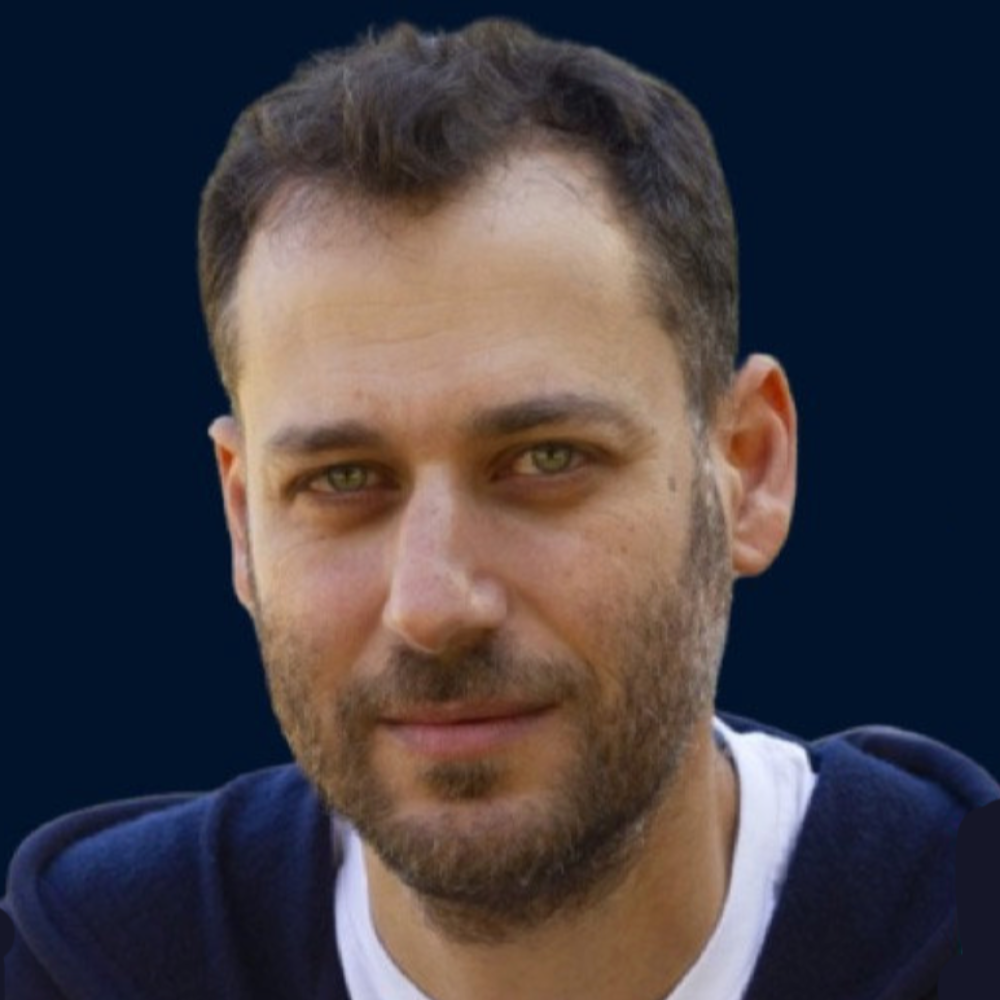
Tamir Wolf
A surgeon who traded the operating table for a camera feed, betting that AI can teach medicine what it never wrote down.
A surgeon who traded the operating table for a camera feed, betting that AI can teach medicine what it never wrote down.
The Story
In 2017, two people close to Tamir Wolf had the same operation - an appendectomy - at two different hospitals. One walked out fine. The other landed in intensive care. Same procedure, same body part, wildly different result. Wolf, a physician himself, decided that gap was not fate. It was data nobody was looking at.
Surgery has always been taught the way a trade is passed down. You learn from whoever trained you, in whatever hospital took you in, on whatever patients happened to come through the door. The way that person operated becomes, more or less, the way you operate for the rest of your career. Wolf saw the problem plainly: an apprenticeship model, largely unchanged for a hundred years, quietly deciding outcomes.
His fix was to point a lens at the thing itself. Theator, the company he co-founded in 2018 with Dotan Asselmann, takes raw surgical video and runs it through AI and computer vision. The software breaks an operation into its key moments - decision points, milestones, the small forks where a case goes well or goes sideways - and turns all of it into structured data a surgeon can actually review.
The comparison Wolf reaches for is aviation. Fighter pilots review the tape after every flight. Athletes and salespeople get coached on their performance frame by frame. Surgeons, for the most part, have not had that. Theator's argument is that they should - and that once the operating room stops being a black box, quality stops being a matter of geography.
Wolf calls himself a late bloomer, which is a curious label for someone with the record he has. He earned an MD and a PhD from the Technion in Israel, specializing in cardiovascular physiology, and finished as class valedictorian. He served as a medical officer in an elite Israeli naval unit and was decorated for treating wounded soldiers under fire during the Second Lebanon War.
His grandmother helped raise him. She had wanted to be a doctor herself, but was deported to Auschwitz at sixteen. That history, Wolf has said, is part of why he went into medicine in the first place - a debt paid forward.
Theator was not his first company. In 2013 he founded Digma Medical, working on a new approach to Type 2 Diabetes, and co-founded NiTiNOTES Surgical, focused on minimally invasive treatments for obesity. The pattern held: a physician who kept looking for leverage, for a way to help more people than one operating room could reach.
The decision to leave clinical work was, in Wolf's telling, a numbers problem. He went to medical school to help people. Then he realized he could help far more of them by building something that scales than by operating on one patient at a time. Theator is that bet made concrete - a data layer on top of surgery, sold to the patients who benefit, the surgeons who improve, and the hospital leaders who need to standardize.
The early evidence is the kind of quiet result that does not make headlines but changes lives. In one case, Theator surfaced that a particular technique reduced a serious surgical injury. Once surgeons saw the data, they became roughly 50% more likely to follow the safer process. That is what Wolf means when he talks about codifying surgery: not replacing the surgeon, but giving the craft a memory.
By 2023, Theator had raised around $40 million in a Series A led by Insight Partners, employed more than 50 people across Palo Alto and Tel Aviv, and counted Mayo Clinic among its early customers. The turnover, Wolf noted in one interview, was almost nonexistent - a single departure in four years - which he traces straight back to what the Navy taught him about teams.
The mission he keeps returning to is blunt and hard to argue with. Where you live, he says, should not determine if you live. For a company built on video, that is the frame that matters most.
By The Numbers
The Argument, Visualized
Figures reflect examples cited by Theator in press interviews; illustrative.
Wolf's thesis is that most of surgical quality is invisible - locked inside video that no one systematically reviews. When a technique clearly reduces harm, the only thing standing between a surgeon and better outcomes is seeing the evidence.
Theator's job is to make that evidence legible: to turn hours of footage into a structured record of what happened and when, so improvement stops being anecdotal.
Career Timeline
In His Words
Everyone's always told me I'm a late bloomer.
Where you live shouldn't determine if you live.
In the Navy I learned it's really all about the team that you are with.
I went to med school to help people, and realized I could help many more people by building a company.
Notable & Curious
He calls himself a late bloomer despite an MD, a PhD, decorated military service, and three startups to his name.
He points to professional baseball and sales teams as models for how surgeons should get performance feedback.
His grandmother wanted to be a doctor but was deported to Auschwitz at 16; her story helped steer him toward medicine.
Roughly one employee departure in four years - a stat he credits to lessons learned in the Navy.
FAQ
A physician turned entrepreneur, and the CEO and co-founder of Theator, a surgical intelligence company using AI and computer vision to analyze surgical video.
A platform that analyzes surgical video with AI and computer vision to surface decision points and milestones, aiming to reduce variability and improve outcomes for patients, surgeons, and hospitals.
He earned an MD and PhD from the Technion in Israel, served as a medical officer in an elite Israeli naval unit, and founded Digma Medical and co-founded NiTiNOTES before starting Theator in 2018.
A Series A of roughly $40M, starting with a $15.5M round led by Insight Partners and later extended by about $24M for a total near $39.5M.
Two people close to him underwent the same appendectomy at different hospitals and had very different outcomes, convincing him that surgical quality needed to be measured and standardized.