health-it
(41)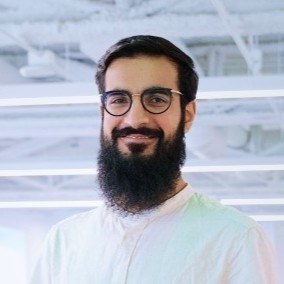
Waleed Asif Learned to Fix What Others Threw Away
Before NexHealth became a billion-dollar company, its technical co-founder paid bills by repairing discarded computers. That instinct - open the box, question the design, make the old machinery useful - became a blueprint for taking on healthcare's locked data systems.

The $2,000 Bet on Healthcare’s Secret Handshake
Tim Busche and Kelley Smith began with $2,000 and a complaint: healthcare marketing too often arrives without healthcare fluency. Their answer was an agency built to translate between the clinic, the buyer and the campaign.
Spectrum Medical wants to connect every beat of heart surgery
Pumps, disposable circuits and patient records all meet in Spectrum Medical’s Quantum range. Its expansion shows the appeal of joining them together - and the scrutiny that comes with supplying life-support technology.
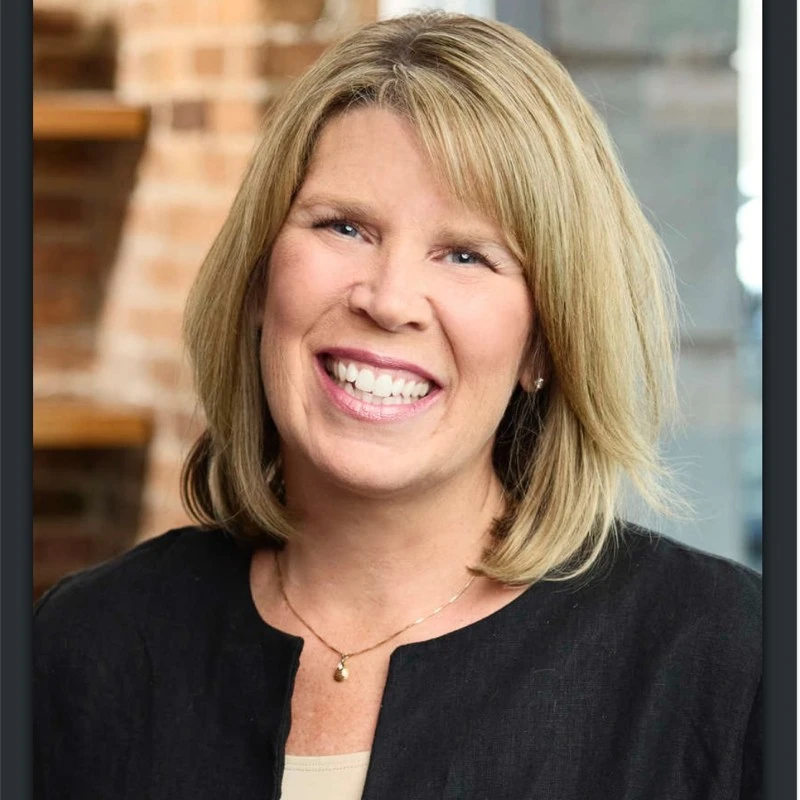
Tracey Schroeder Made One Name Carry the Weight of Seven
The TruBridge CMO inherited a thicket of familiar brands. Her answer was not a louder logo, but a patient campaign to make one name mean more.

Kalderos Found a $1 Billion Leak in America’s Drug-Discount Plumbing
Drug discounts are supposed to lower costs. The data underneath them is so fragmented that the same prescription can trigger multiple concessions. Kalderos built the reconciliation layer - and in 2026, Model N bought it.
DSS Spent 35 Years Making the VA's Old Software Useful - Now It Wants to Be the Cloud Underneath It
The Florida health-IT firm built a business around a stubborn idea: hospitals do not always need a new record system - they need the one they have to stop fighting the people who use it.
Michelle Blackmer Knows the Hard Part of Healthcare AI Is Everything Before the AI
After 25 years in healthcare data, Rhapsody's chief marketing officer has learned to look past the glossy interface and ask the stubborn question underneath: can the systems actually understand one another?
Ben Chapman Is Betting the Front Desk Can Run on Better Timing
At Vital Interaction, Ben Chapman is turning the overlooked mechanics of reminders, recalls and follow-up into a serious operating discipline - one carefully timed message at a time.
Inside the Atlanta Startup Rewiring How Cancer Gets Decided
OncoLens turned the tumor board - medicine's oldest committee - into AI-backed software now running inside 225-plus cancer centers. It started with a daughter watching her father get conflicting advice.
John Bertrand Built the Bridge AI Needed to Leave the Lab
His career is a study in the unglamorous work that makes ambitious technology usable: translate the science, earn trust, fit the workflow, and give the team a next step by Monday.
The Back Office Behind One in Five American Doctor Visits
athenahealth doesn't see patients. It runs the billing, charts, and reminders for the clinicians who do - and it's betting the whole network on AI.

Evolent
The company betting that the most expensive corner of American medicine - cancer, cardiology, and back surgery - can be run better when the people paying for care and the doctors delivering it are finally pulling in the same direction.
Tamir Wolf
Tamir Wolf is the CEO and co-founder of Theator, a Palo Alto and Tel Aviv based company building a surgical intelligence platform that uses AI and computer vision to analyze surgical video and reduce variability in the operating room. A physician turned entrepreneur, he earned an MD and PhD from the Technion, served as a medical officer in an elite Israeli Navy unit, and founded two earlier medical device companies before starting Theator in 2018. His stated goal is to codify surgery so that where a patient lives no longer dictates the quality of care they receive.
Castor
Castor is a health-technology company that builds a cloud-based eClinical platform for running clinical trials - from electronic data capture (EDC) and eConsent to eCOA/ePRO and real-world evidence. Founded in 2012 in Amsterdam by physician-researcher Dr. Derk Arts, Castor set out to replace clunky, expensive trial software with a self-service, researcher-friendly system. Today it supports more than 15,000 studies across 90+ countries and is used by leading CROs and biopharma companies, while pushing decentralized trials and practical AI (Castor Catalyst, built with Google Cloud) into mainstream research.
Ethermed
Ethermed is a Philadelphia-based health technology company that uses large language models and clinical reasoning to automate prior authorization - the paperwork-heavy approval process between healthcare providers and insurers. Its platform intercepts physician orders, gathers documentation, compares payer guidelines, fills forms and submits requests with an audit trail, cutting approval times from days to minutes. Founded in 2021 by Dan Friedman and Michal Such, the company raised an $8.5M Series A in April 2026, bringing total funding above $15M.
Redox
Redox is a Madison, Wisconsin-based healthcare technology company that runs a cloud network for exchanging clinical and administrative data between health systems, digital health vendors, payers, and life sciences companies. Founded in 2014 by three former Epic Systems engineers, Redox lets a customer connect once to a single API and then reach thousands of healthcare organizations across dozens of electronic health record systems, rather than building and maintaining hundreds of point-to-point integrations. The platform handles standards like HL7v2, CCD, X12, and FHIR, and processes billions of data transactions a year.
Vital Interaction
Vital Interaction is an Austin, Texas healthcare technology company that blends patient data, business intelligence, and workflow automation to help medical practices communicate with patients across text, voice, and email. Founded in 2009, its platform automates appointment reminders, recalls, reactivations, referrals, and surveys so practices can cut no-shows, close care gaps, and re-engage patients. The company says it serves more than 13,000 providers and delivers over 40 million personalized messages a year to more than 5 million patients, and in early 2024 it raised a $15 million Series A led by Next Coast Ventures.
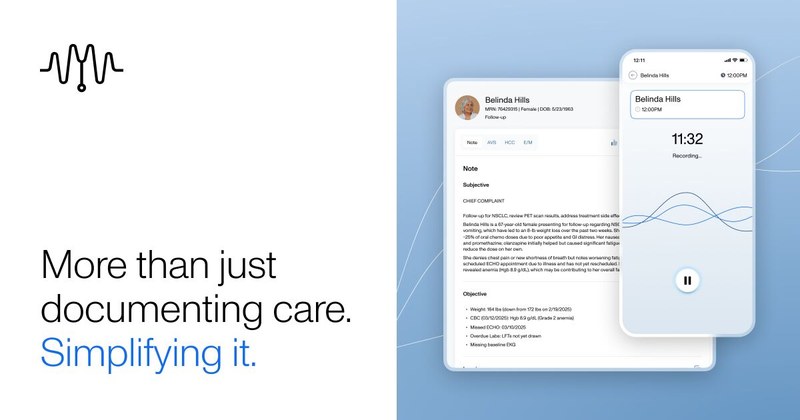
DeepScribe
DeepScribe is a San Francisco-based health-tech company building an ambient AI medical scribe that listens to natural doctor-patient conversations and turns them into complete, structured clinical notes in real time. Founded in 2017, the company has narrowed its focus to oncology, where it says it serves roughly 90% of U.S. community oncology organizations, and layers on tools for coding, pre-visit prep, and specialty-specific customization. The pitch is straightforward: let clinicians look at their patients instead of their keyboards, and cut the after-hours documentation that drives burnout.
Theator
Theator is a surgical intelligence company that turns raw operating-room video into structured, actionable data. Using proprietary computer vision and AI, its platform analyzes minimally invasive procedures in real time - identifying surgical steps, flagging safety milestones, and generating operative reports by the time the surgeon leaves the OR. Founded by Dr. Tamir Wolf and Dotan Asselmann, Theator aims to reduce variability in surgical care and is deployed at academic medical centers including Mayo Clinic and UHealth Miami, having analyzed more than 600,000 procedures.

Acentra Health
Acentra Health is a McLean, Virginia healthcare technology and clinical services company formed in 2023 from the merger of CNSI and Kepro. It builds Medicaid and Medicare systems, care management platforms, and quality-oversight services for state and federal government health programs, combining public-sector software with clinical staff who review authorizations, assessments, and appeals. Backed by The Carlyle Group, it employs roughly 3,300-3,400 people across the U.S. and India.
PARx Solutions
PARx Solutions is a Burlington, Massachusetts healthcare technology and services company that untangles one of medicine's most frustrating chores: prior authorization. Its Prior Authorization Support System (PASS) pairs a secure web portal with a call center of healthcare and reimbursement specialists who handle the paperwork and back-and-forth with health plans on a prescriber's behalf. Because the service is sponsored by drug manufacturers, it is free to physician offices and pharmacies, and it helps patients actually get the medications their doctors prescribed rather than abandoning treatment in the administrative maze.

Pascal Metrics
Pascal Metrics is a Washington, DC and Austin-based healthcare data analytics company that turns real-time electronic health record data into clinically validated adverse-event outcomes. As a U.S.-certified Patient Safety Organization (PSO #0047), it operates the Pascal Platform - anchored by trigger-based surveillance and machine-learning models - to help hospitals and health systems detect, predict, and reduce preventable patient harm. Founded in 2007 and named after Blaise Pascal, the 'founder of risk management,' the company claims one of the largest validated adverse-event outcomes datasets in the world.
Brian Miller
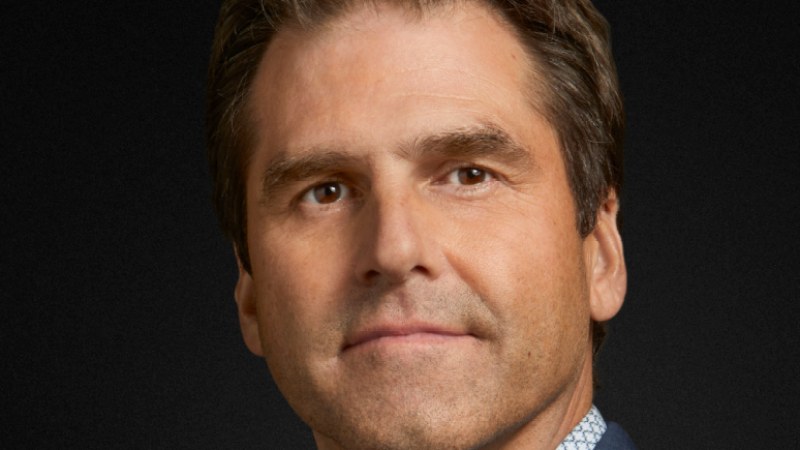
Brian Miller is the CEO of Sovato, the Santa Barbara company building the first platform to let health systems deploy and scale remote robotic surgery. An electrical engineer turned roboticist with a PhD from Northwestern in haptics, he spent his first job at Computer Motion writing software for the AESOP and ZEUS robots and watched the 2001 Operation Lindbergh, the first transatlantic remote surgery. Twenty-three years at Intuitive Surgical followed, where he rose from control-systems analyst to Chief Digital Officer and Head of Digital and AI Strategy. In April 2026 he returned to the frontier he started on, taking Sovato from early market development toward its first patient programs in 2027.

Trayt Health
Trayt Health is a Menlo Park, California company building a patient-centric, clinician-directed software platform that coordinates behavioral and mental health care across primary care, schools, and specialty clinicians. Its platform powers statewide psychiatry access programs and managed care organizations by tracking 750+ symptoms and factors, streamlining consultations and referrals, and turning granular patient data into population-level insights. As of 2026 it supports roughly 20 statewide behavioral health programs across eight U.S. states.
Dan Cornwell
Dan Cornwell is the founder and CEO of PrescriberPoint, a Boston-based, AI-enabled medication access platform that helps clinicians cut through the paperwork between writing a prescription and a patient actually getting their medicine. Spun out of Eli Lilly in partnership with BCG Digital Ventures, the company raised seed backing from an unusual coalition of would-be rivals - Lilly, Pfizer, Adobe and Mastercard. Before PrescriberPoint, Cornwell ran the nurse-staffing marketplace IntelyCare and advised companies on building disruptive businesses at BCG Digital Ventures. A Yale historian turned Wharton-trained operator, he keeps returning to the same problem: the messy gap between a good intention and a completed transaction.
Drew Ladner
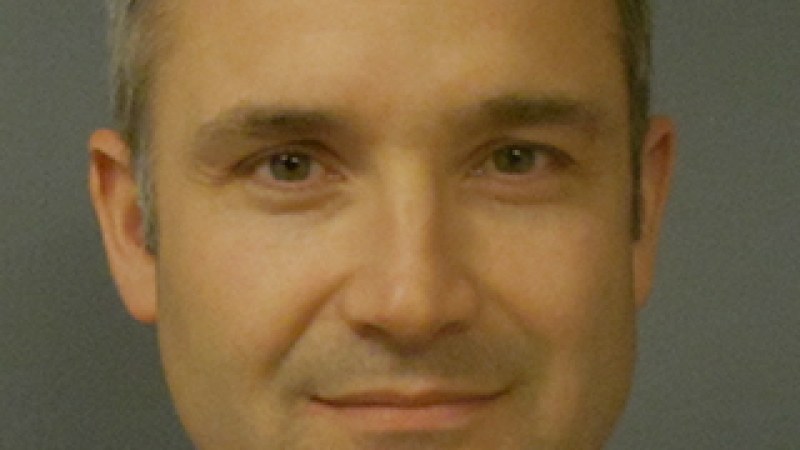
Drew Ladner is the founding Chairman and CEO of Pascal Metrics, a Washington, D.C. and Austin-based patient safety company that uses real-time EHR data, clinically validated adverse-event outcomes, and machine learning to catch preventable harm in hospitals before it compounds. Since 2007 he has built Pascal into a U.S.-certified Patient Safety Organization serving hundreds of healthcare systems worldwide, with clients identifying roughly 10x more serious harm than legacy methods. Before healthcare, he was CIO of the U.S. Treasury's $2.6 billion IT organization, a general manager at open-source pioneer JBoss, and an operator across Netscape, AOL Time Warner, and microfinance in East Africa. He holds an MBA from Harvard, an MA in theology from Oxford, and a BSFS from Georgetown.
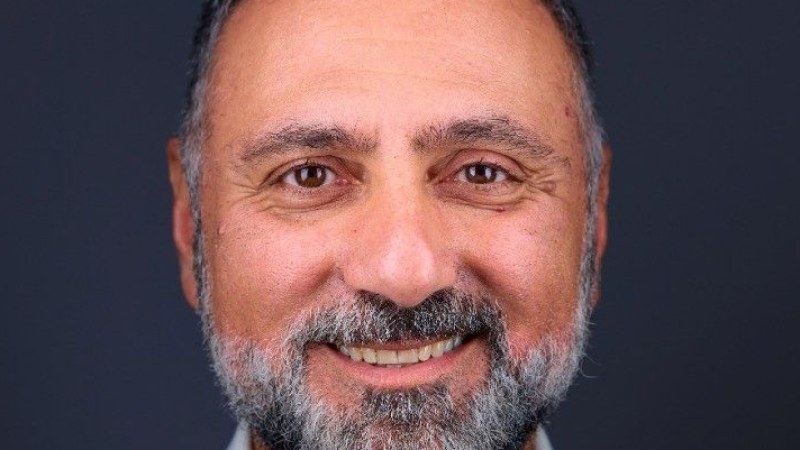
Shawn Dastmalchi
Shawn Dastmalchi is a serial healthcare-technology entrepreneur and the CEO of Gratia Health, an Austin-based startup that uses behavioral science and incentive design to keep nurses on the job. A UC Berkeley PhD in vision science, he co-founded and led Apixio, a clinical big-data company later acquired by Centene, then built Ark.one Health out of an entrepreneur-in-residence stint at Sutter Health. Across 25-plus years in life sciences, medical devices and health IT, his throughline is turning messy clinical data into decisions - and, at Gratia, turning the daily grind of a hospital floor into reasons for nurses to stay.
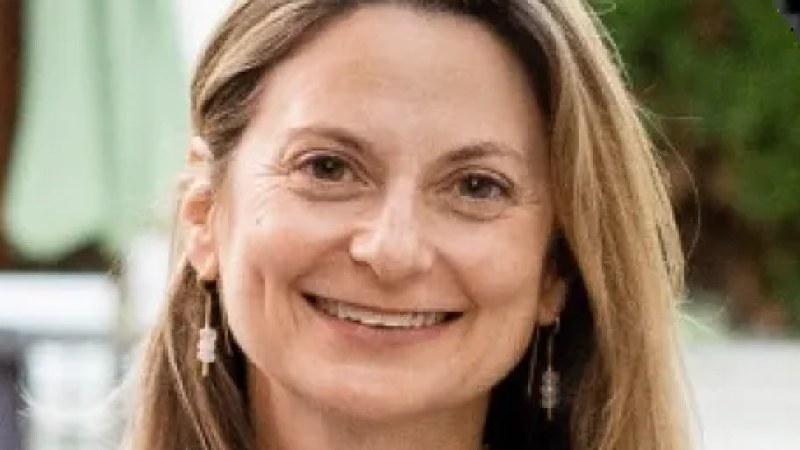
Sheri Rudberg
Sheri Rudberg is the co-founder and CEO of WovenX Health, a Chicago-based digital health company that pairs specialty-trained virtual care teams with an AI-native platform to fix the brutal wait times patients face for gastroenterology and other specialty care. A lawyer and operator by training - Georgetown Law, a Northwestern MBA, and years running a $100M business at Hillrom - she started the company (originally Telebelly Health) after watching her own family struggle to get specialist appointments. WovenX partners with brick-and-mortar practices and health systems rather than competing with them, aiming to turn months-long backlogs into care delivered in minutes.

NexHealth
NexHealth is a San Francisco-based health technology company building the patient experience platform for medical and dental practices. Its software gives doctors EHR-integrated online scheduling, patient messaging, digital paperwork, recalls, reviews and payments, while its Universal API and proprietary Synchronizer let developers read and write data across 20+ practice management systems in real time. Founded in 2017 by Alamin Uddin and Waleed Asif, NexHealth reached unicorn status in 2022 with a $125M Series C at a $1B valuation and serves more than 10,000 practices.
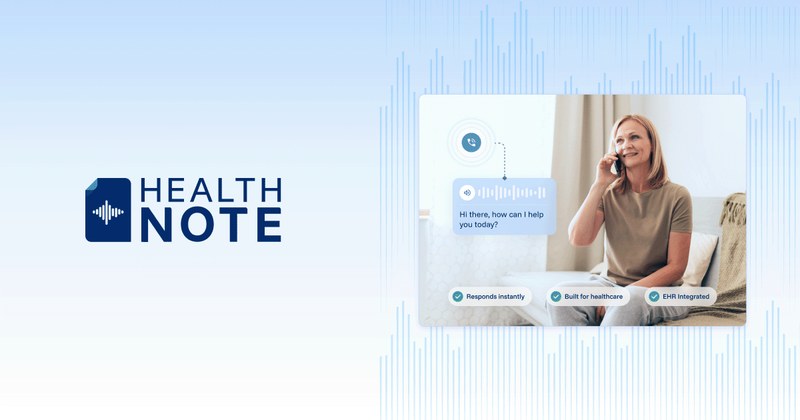
Health Note
Health Note is a healthcare AI company that automates the administrative work surrounding a clinical visit. Founded by physician Joshua Reischer, MD, its platform collects patient information before an appointment through conversational texting and AI voice agents, then turns that data into structured EHR documentation and pre-written clinical notes. The goal is to cut the paperwork and phone-tag that drives physician burnout, shorten check-in times, and let care teams spend more time with patients and less with screens.