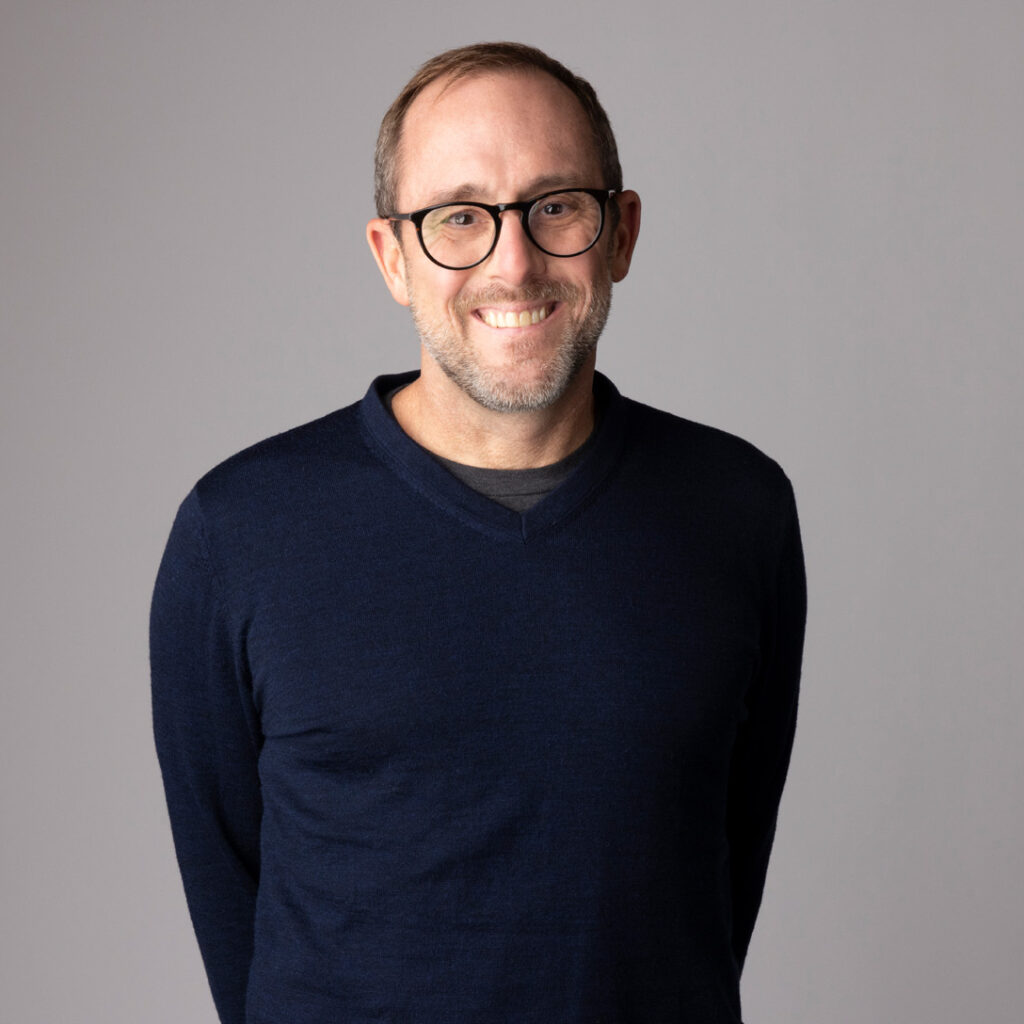
The Doctor Who Bet on What Doctors Need
Zack Scott once stood in an operating room at Oregon Health & Science University. Before he wrote a single term sheet, he knew how a hospital floor smells at 3am, how surgeons talk about their tools, and exactly where a $200,000 device fits - or doesn't - in a hospital's budget. That specificity became his edge.
Scott is now a General Partner and Co-Head of Healthcare at Norwest Venture Partners, the multi-stage VC firm with over $15 billion in capital under management. He joined in September 2022 after nearly a decade building something unusual: a secondary-focused healthcare investment firm he co-founded from scratch.
At Revelation Partners, from 2013 to 2022, Scott wasn't doing what most VCs do. He wasn't chasing Series A rounds or hunting for the next unicorn pitch deck. He was working in the secondary market - buying positions in healthcare companies that needed liquidity solutions, finding the deals others didn't understand well enough to price. It's a discipline that requires knowing a company's insides cold. He got good at that.
His departure from the company he co-founded made news in the healthcare VC world. Norwest - known for long-term, company-building relationships across consumer, enterprise, and healthcare - made a clear hire. They didn't want a sector generalist. They wanted someone who had sat through enough board meetings, hospital buyer conversations, and secondary pricing negotiations to know exactly what a healthcare company is actually worth.
The clinical background isn't biography filler. Scott holds an MD from UT Health San Antonio, was inducted into the AOA Medical Honors Society, and completed a General Surgery residency before pivoting entirely toward healthcare finance. He then added an MBA from Duke University's Fuqua School of Business - earning the Fuqua Scholar designation - where he concentrated in Health Sector Management. He left the operating room, but the operating room never left his investment framework.
Early in his investing career, at Burrill & Company, Scott worked across medical devices, diagnostics, and biopharmaceuticals. That breadth became a foundation. He didn't specialize in one corner of healthcare - he learned how the whole system's economics hang together. A diagnostics company fails differently than a device company. A biopharmaceutical exit looks nothing like a services company exit. Scott's thesis-building draws on all of it.
Real-World Evidence, Not Just RCTs
Scott talks often about real-world evidence - the kind of data that comes from how patients actually behave, not just how they behave in a clinical trial. One example he has cited publicly: Evidation Health, which analyzes how patients interact with their mobile devices to detect early signs of dementia - with accuracy that outperforms standard clinical questionnaires.
That's the category of insight Scott gravitates toward: data approaches that work in the real world, on real patients, and that give clinicians and payers something actionable. Not another platform promising disruption. A specific answer to a specific clinical problem that someone will actually pay for.
At Norwest, Scott leads or participates in deals across medical devices, diagnostics, healthcare services, provider-focused healthtech (tools designed for hospital systems and physicians), pharmatech, and consumer health. His geographic focus is North America, with some international exposure consistent with Norwest's global portfolio.