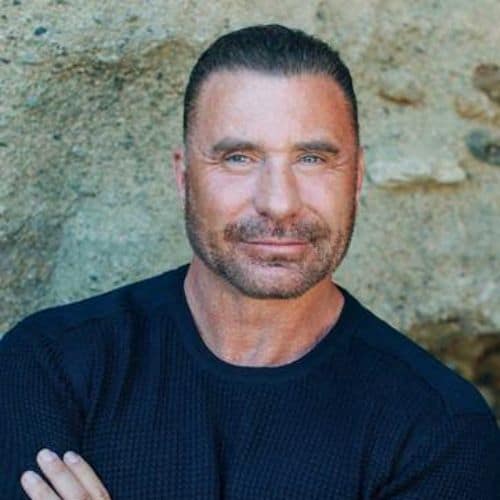
At a Glance
Born: March 20, 1971
Diamond Bar, California
Education: University of the Pacific, Communications - NCAA Division I Baseball
Family: Wife Kristianna; children Maximus and Bella
Based in: Laguna Beach, California
Known for: World Financial Group career, The Ed Mylett Show, The Power of One More
Intensely driven
Faith-centered
Emotionally open
Athlete mentality
Service-oriented
No excuses
Ed Mylett grew up in a small house in Diamond Bar, California, with three younger sisters and a father who was fighting alcoholism. Not every night was dangerous, but every night carried the possibility that it could be. That ambient dread - the kind that forces a kid to read a room the moment he walks in - turned out to be excellent training for reading people for the rest of his life.
He escaped into sports. At the University of the Pacific in Stockton, he became a Division I baseball standout - three-time NCAA All-American, a team leader in stolen bases, ranked in the top ten all-time in five statistical categories. Hall of Famer Rod Carew spotted him at a baseball camp and offered to mentor him personally. The future looked exactly like what Mylett had been running toward.
Then an errant pitch shattered it. An injury that seemed minor turned into a tumor, required surgery, and ended any professional aspirations. Mylett graduated, moved back home, and did what a lot of college athletes do when their identity dissolves: he struggled.
"That's where my business career of hundreds of millions of dollars started for me, believe it or not."
His father - then in recovery through AA - suggested he take a job at McKinley Group Home for Boys, an orphanage serving youths who had been abused, abandoned, or whose parents were incarcerated. Mylett took the job. He later described it as the most important decision of his adult life. The boys had nothing and still showed up. That daily confrontation with genuine hardship recalibrated everything he thought he knew about suffering.
In 1992, he joined World Financial Group (WFG) as a financial services associate. He brought the same obsessive competitiveness he had on the baseball diamond, plus something he'd developed at the orphanage: the ability to make someone feel genuinely believed in. Within a few years, he was one of WFG's youngest CEO Marketing Directors. By 30, he was earning seven figures. By 2009, he had risen to Director of Field Leadership, functioning internally as a peak performance coach long before that phrase was on his business card.
For years, Mylett resisted the idea of becoming a public speaker. He was private, genuinely so. Then Tony Robbins - already a close friend and collaborator - told him his story needed to be heard. Mylett trusted the source. He launched The Ed Mylett Show, started posting on Instagram, and built a social media presence from scratch after the age of 40. The scale of what followed surprised even him.
His father got sober. Quietly, without ceremony, the man who had made Mylett's childhood so uncertain became someone Mylett admires openly and speaks about publicly. That arc - from fear to sobriety to quiet service - is, Mylett has said, the template for everything he teaches.