ux-design
(91)
Cheesecake Labs gets past the demo
A wallet without seed phrases. AI that respects the boundaries. The Brazil-born engineering company makes its case in the details that decide whether software gets used.
Zemoga built the team behind the screen
Sony needed engineers. Morningstar needed a lasting product partner. Zemoga made its case from Colombia, one embedded team at a time.

Aubergine Solutions makes complexity behave
A patient transport scheduler. A connected fitness app. An AI broker with an off switch. Aubergine Solutions builds software around the moment a human needs to take control.

Fresh Consulting makes the pieces work together
A kitchen touchscreen. A ball-balancing robot. A machine that pours your soda. Fresh Consulting builds across the boundaries where good ideas tend to get stuck.

Shyamal Mehta and the business of making apps work
From tablet reading to an image-heavy furniture app, Shyamal Mehta helped build TechJini around the details that make software useful. Its path through design, mobile engineering and a Datamatics acquisition tells a story of growth through client work.

Ilya Dmitruk is redesigning the agency around the designer
He started with a Dribbble portfolio and built Eleken around SaaS design subscriptions. Now Ilya Dmitruk is working on a harder brief: an agency that can grow beyond its founder’s calendar.

Nasir Ali Joiya has a soft spot for hard questions
The ZAPTA co-founder and CEO builds software businesses from Lahore. His recurring concerns are refreshingly concrete: clearer products, better prepared teams, and technology that earns its place.

Crombie makes the pieces work together
A mortgage workbench. A global checkout. A broken plugin. Crombie has built a software business around the difficult work of getting systems to cooperate.
Spiralyze bets on the next click
Most website redesigns begin with an opinion. Spiralyze begins with other people’s experiments - then tests whether their wins travel.

The client became the next chapter.
John Keese’s design practice connects shopping apps, convenience stores and corporate tax software. The thread is a willingness to follow a problem beyond the screen.

Eleken makes the next click obvious.
A monthly designer subscription built for complicated SaaS. Eleken’s wager is that the most valuable design work happens where users hesitate - and where pretty screens stop being enough.
Praxent knows what your bank forgot
The hardest part of rebuilding financial software is remembering why it works. Praxent is turning that forgotten knowledge into its next business.
Nybble Group fixes the work between the software
A birthday gift card. A pet insurance quote. A red error box. Nybble Group’s work reveals how much a business depends on the small things its software gets wrong.
Blue Acorn iCi makes the machinery disappear
A sofa retailer needed a faster website. The harder job was changing how work reached it. Inside the Infosys company connecting content, commerce and customer data.

Fluxon's big idea: fewer builders.
Google can hire engineers. So can Stripe. Fluxon's bet is that even capable companies sometimes need a small team that knows how to get a difficult product out the door.
fuseproject changes the question
A television that hangs like art. A chair borrowed from a bridge. Inside the design studio that keeps asking whether the brief was wrong in the first place.

Emumba learned to build for someone else.
A cricket social network came first. Enterprise engineering came next. Emumba’s story is about discovering which problems people will pay you to solve.

Paktolus builds what the button hides
A luxury car auction, an insurance error queue, a workforce training platform. Paktolus makes its case in the connections between them.

Digital Silk makes the next click count.
A folding suitcase, an esports shop and a spray-foam brand reveal the same problem: customers need a clearer route from curiosity to action. Digital Silk builds that route.

Revel and the art of getting things built
A Seattle consultancy put people at the center of digital work. Its journey into Infogain, and now Tenarai, reveals why good design needs a route into production.

TechJini sold the proof.
Before TechJini had a portfolio, it built working prototypes. Its path from mobile specialist to Datamatics acquisition is a lesson in making expertise visible.
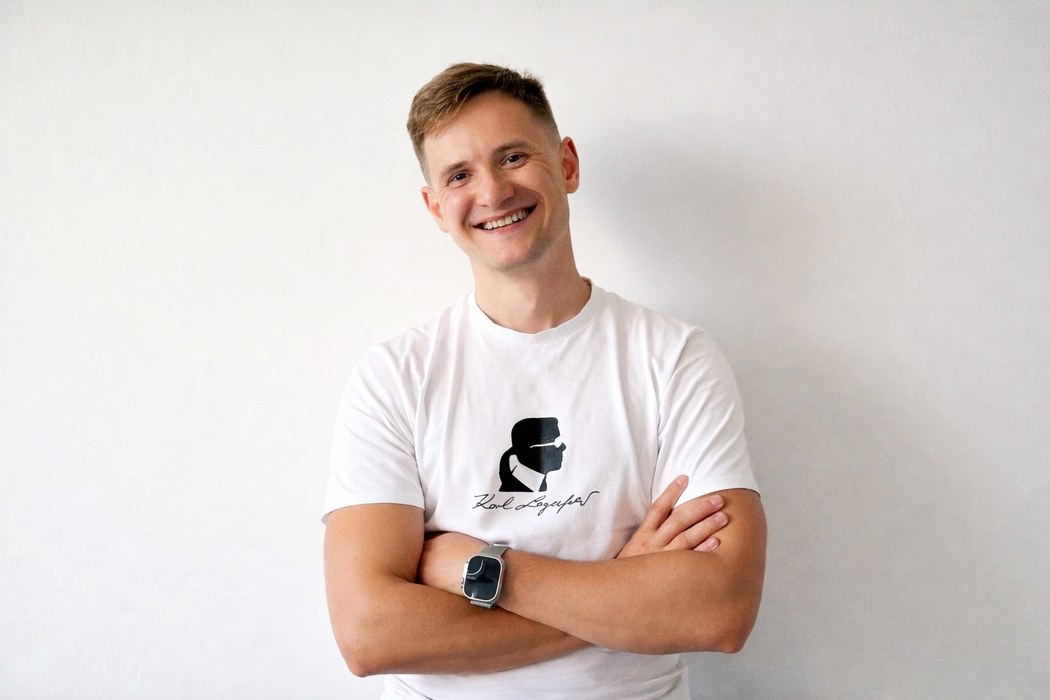
Andriy Sambir and the art of building less
He started a software company in a Lviv dormitory library. Now the Linkup ST co-founder is asking a harder question: how much software does a client actually need?

Jorge Barahona and the problem behind the problem
A hotel in Viña del Mar taught Jorge Barahona to think about guests. A software business taught him to think about selling. Across UX, banking and Patagonia, he keeps returning to the decisions that come before the design.
MatchPoint makes the missing pieces work
Behind a stalled technology project, there is often a smaller, less glamorous problem. MatchPoint builds a business around finding it - and bringing the people who can fix it.

Anastasiia Dyachenko and the Trouble With Looking Better
The Cadabra co-founder began with interfaces. Her work now follows the decisions, handoffs and unanswered questions that determine whether a digital product makes sense.
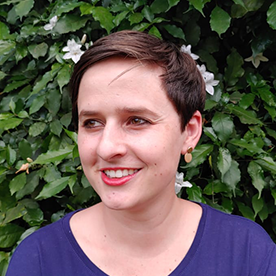
Marié Whittington and the Case for Trying the Wings First
A daughter’s plan to make the family beagle fly offers a small window into Marié Whittington’s work. At Pepperplane, the studio she co-founded with her sister, ideas earn their wings through questions, prototypes and the people who use them.
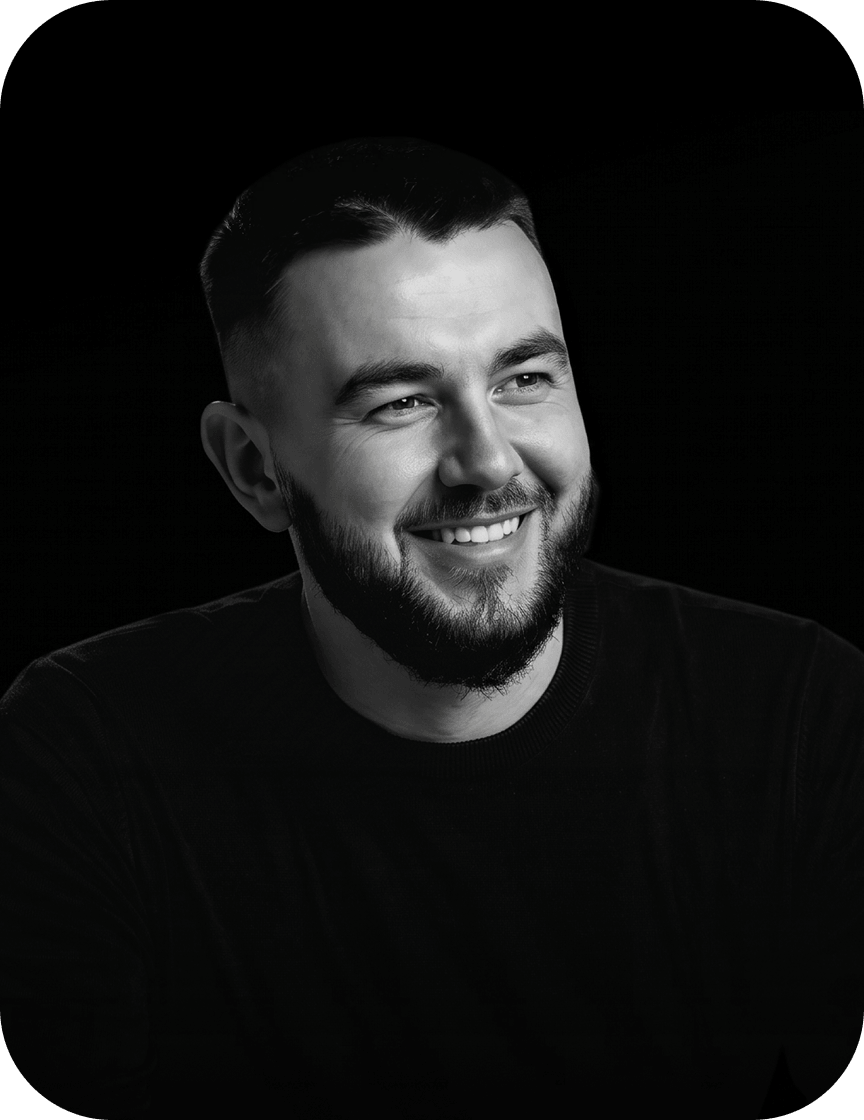
Val Pavliuchenko Wants AI to Show Its Working
The Hosanna founder designs interfaces for technologies that can do more than their users expect. His starting point is unusually personal: he knows the discomfort of handing over control.

Joy Busse and the office she could do without
In 2009, Joy Busse’s agency gave up its studio to keep its people. From a hummingbird with Wi-Fi wings to her work at Cribl, her career keeps returning to the question of what people actually need.
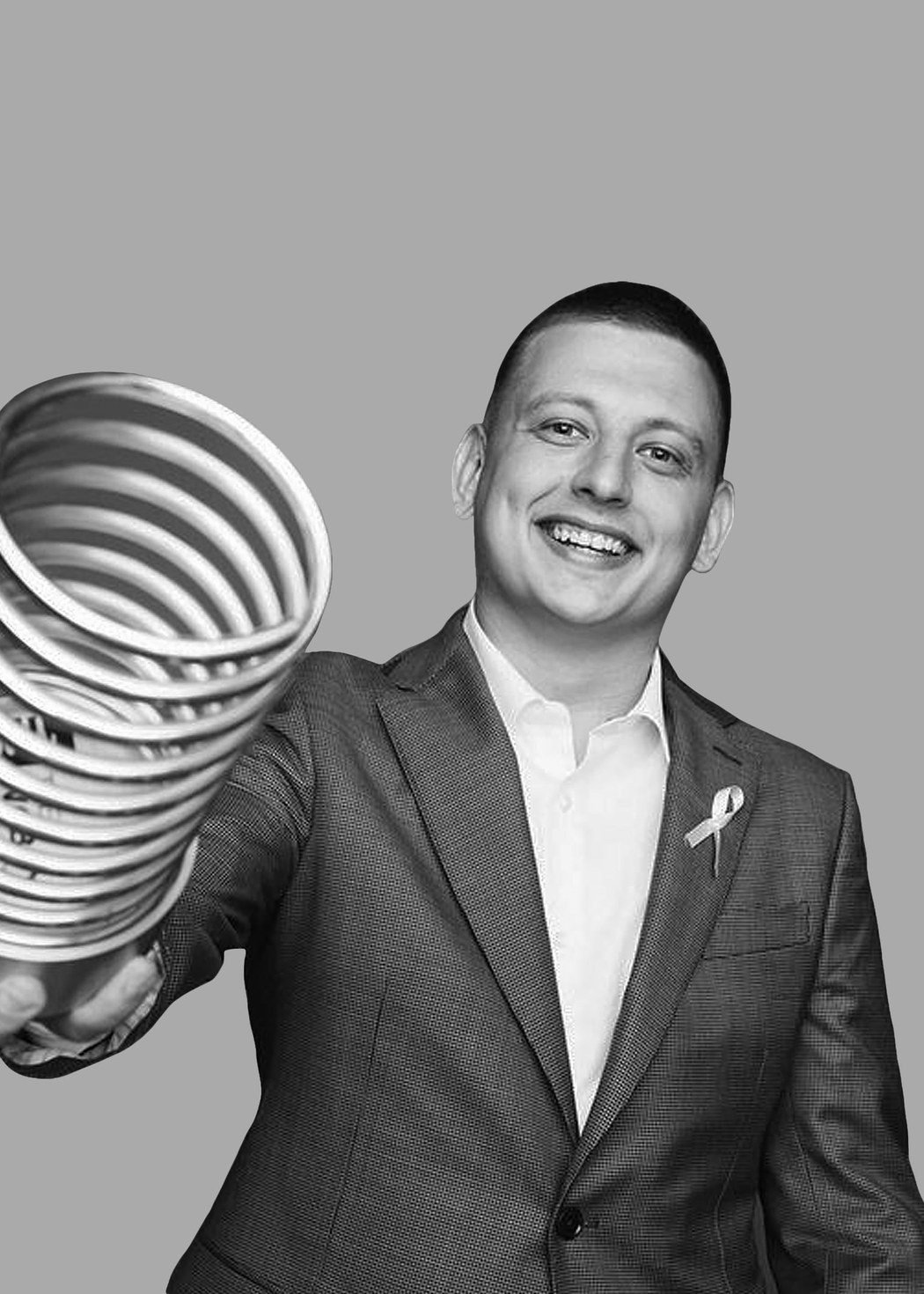
Kirill Lazarev’s education in other people’s businesses
A watch-selling website gave Kirill Lazarev a way into design. A decade later, the founder of Lazarev.agency is applying the same business curiosity to the promises AI products make.

David Adkin and the trouble with a convincing mockup
His designs looked real enough to fool his colleagues. David Adkin co-founded Adalo to close the distance between drawing an app and making one work.