Profile
Catching a Company Mid-Stride
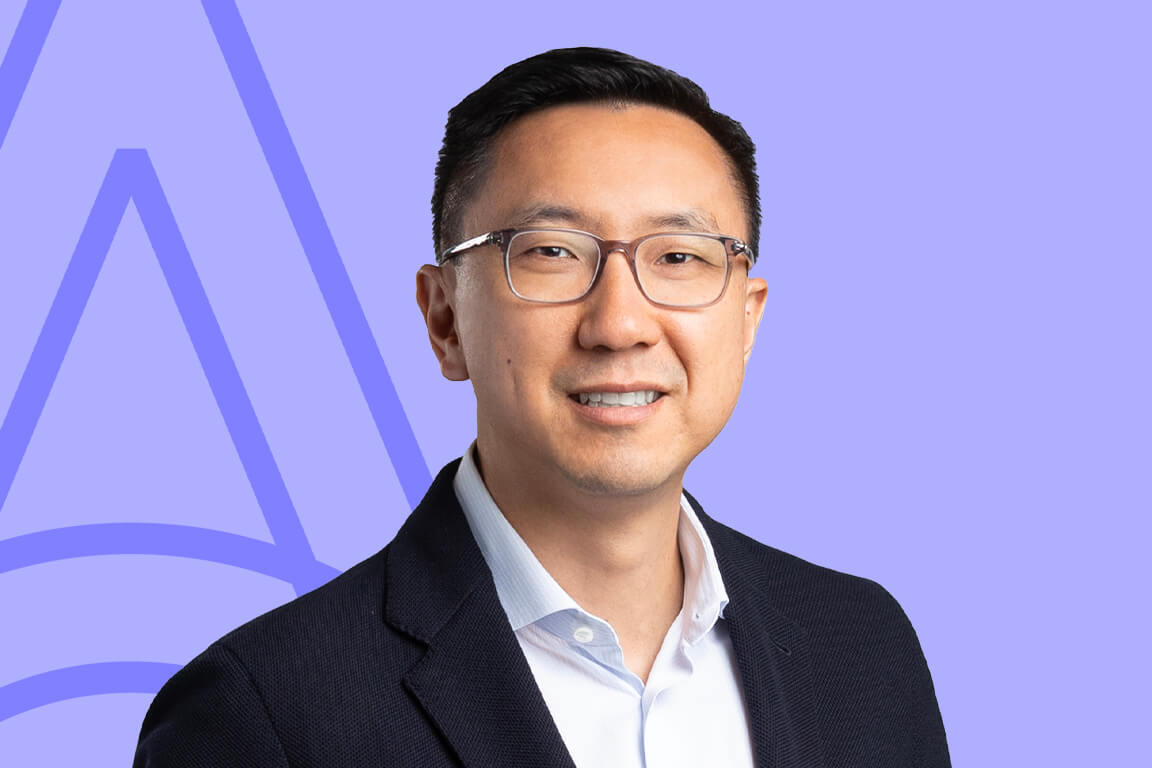
Auctane runs the shipping rails for millions of e-commerce merchants. Albert Ko runs Auctane. The job started on June 12, 2023. By June 13, he had already closed an acquisition.
When Thoma Bravo tapped Ko to lead Auctane, the private equity firm wasn't looking for a shipping expert. They were looking for an operator who knew how to take a company that grew fast and furiously — Auctane's brands exploded during the COVID e-commerce boom — and build something that could last. Ko had done exactly that before, at a payments company most Americans use without knowing his name.
Early Warning Services runs Zelle, the bank-backed payment network. When Ko arrived as CEO in May 2019, Zelle had 18 financial institution partners and a few million users. It launched 5-7 years after Venmo and Cash App, into a market that looked thoroughly owned. Ko did what operators do: he found the details others had missed. The average Zelle transaction was $80 — four times Venmo's $20 average. Businesses were using personal accounts because they needed instant settlement. Ko enabled business accounts, expanded transaction limits, and started onboarding thousands of community banks and credit unions. By the time he left in 2023, Zelle had grown 20x in institutional partners, 5x in volume, and had become the largest P2P network in the United States by dollars transacted.
"Auctane has been on the forefront of innovation in shipping since its inception. I look forward to joining a team of passionate innovators dedicated to bringing solutions to merchants around the world to help grow their businesses."
- Albert Ko, on joining Auctane as CEO, May 2023
Before Zelle, Ko spent 13 years at Intuit — a run that included heading product for QuickBooks during its global expansion, running Mint as General Manager, and eventually becoming Chief Transformation Officer, overseeing the reinvention of the whole company. Thirteen years in one place, moving upward rather than sideways. That kind of tenure is rare in Silicon Valley. Ko says it reflects something deliberate: he's not a job-hopper; he's a builder.
Before Intuit: McKinsey and BCG. Ko sat in the Los Angeles office at McKinsey around 1998, a history major with no Excel experience. A patient engagement manager taught him the basics. He played pickup basketball at Palisades High School on weekends with colleagues. He was, by his own account, green. The irony — that a liberal arts graduate would go on to run some of the most data-intensive platforms in American finance and commerce — is not lost on him. In fact, he leans into it.
Auctane Portfolio
The Brands He Commands
Every box that ships with a label from one of these platforms passes through Auctane's infrastructure.
ShipStation
Stamps.com
ShipEngine
Metapack
Packlink
ShippingEasy
ShipWorks
Endicia
~1998
McKinsey & Company
Business Analyst — Los Angeles
History major, no Excel. A patient manager, weekend basketball games, and a foundational education in how large institutions think.
~2000s
Boston Consulting Group
Consultant
Advised technology and industrial clients. Built the analytical frameworks that would anchor every executive role that followed.
2006-2019
Intuit
Head of Product (QuickBooks) → GM of Mint → Chief Transformation Officer
Thirteen years. Led QuickBooks global expansion, ran Mint as General Manager, then oversaw Intuit's cross-company reinvention as CTO. Learned from Brad Smith's "It's not about me, it's about we" philosophy.
2019-2023
Early Warning Services (Zelle)
Chief Executive Officer
Took Zelle from 18 bank partners to 20x institutional growth. Grew transaction volume 5x. Discovered the $80 average transaction — and unlocked business accounts. Made it #1 by dollars.
2023–Now
Auctane
Chief Executive Officer & Board Director
Running the shipping software infrastructure for global e-commerce. Closed Return Rabbit acquisition on day two. Currently navigating a potential $12B merger with WWEX Group under Thoma Bravo.
Origin
The Kid Who Arrived Speaking Farsi
Ko's family left Korea for Iran in the 1970s, chasing economic opportunity. Then came 1979. The Islamic Revolution didn't care about their plans. American family friends sponsored the Ko family's relocation to Los Angeles. Albert arrived before kindergarten, speaking Korean and Farsi. No English. He was placed in an ESL class with 30 Mexican students.
His mother worked the night shift at the post office for 32 years — clocking out at dawn, then managing the household while his father ran a small, struggling business. Their singular focus: making sure Albert and his sister had access to educational opportunities. He got to Yale. Then Harvard Law. Then McKinsey.
Ko credits this history for his leadership philosophy. When the decisions get hard, when the pressure is highest, he returns to a simple anchor: gratitude. The perspective of a family that survived displacement, economic precarity, and a revolution has a way of calibrating what actually counts as a crisis.
"Companies thrive when employees are truly engaged, when people feel connected, inspired, and proud to be part of the mission."
- Albert Ko, on the engine of enduring businesses
He also champions the humanities in business — unfashionably, at a moment when tech leaders crow about STEM credentials. Ko says his history major gave him judgment and empathy that no MBA produces. It taught him to think in context, to hold complexity without collapsing it into a framework. He applies this directly: real business problems are gray, not black and white, and leaders who can only operate in certainty are useless for the decisions that actually matter.
Leadership
The Multiplier at Work
Ko operates from a framework he calls the "Alignment Triangle": mission (multi-decade, unchanging), values (enduring operating principles), and strategy (refreshed every one to three years). Priorities serve strategy. Strategy serves mission. Mission never moves. It's clean, simple, and easy to weaponize in a company that expanded fast through acquisition and now has eight brands, multiple geographies, and hundreds of engineers who have never shared the same office.
He's a self-described Multiplier — a concept from Liz Wiseman's book on leaders who amplify rather than dominate. The shift from individual contributor to multiplier is where many executives fail, Ko says. His Intuit mentor Sasanga Darzee put it bluntly: "I get more value from you making everyone in our business unit 20% better than you doing the work of 10 people." Ko took the note.
At Auctane, he personally reads every submission in the company's "all star" recognition program — across 1,300 employees. Every quarter, he publicly acknowledges standout performers. He also runs formal succession planning, identifying high-potential employees and putting them on a track. These aren't HR checkbox exercises for Ko. They're the infrastructure of engagement — the mechanism by which an operator turns talent into competitive moat.