An empty space in a supermarket refrigerator is a surprisingly good place to begin understanding Coca-Cola Consolidated. The advertising has done its work. The shopper recognizes the label. The store has somewhere to put it. Yet the transaction still depends on a sequence of less glamorous events: a production run, a warehouse pick, a delivery, a replenished shelf. Remove one link and a century of brand recognition meets a very ordinary problem. There is nothing to buy.
- Consolidated makes, sells and distributes beverages within a defined U.S. territory.
- Its expertise connects manufacturing, delivery, merchandising and equipment support.
- The lesson for operators: study the handoffs between demand and availability.
Consolidated occupies that space between recognition and purchase. It is a separate public company from The Coca-Cola Company, the Atlanta brand owner. The distinction matters. One can build desire across countries; the other has to make local execution work. Consolidated’s territory covers 14 states and Washington, D.C., reaching approximately 60 million consumers. Its market is American, even when the label in its trucks is recognized around the world.
The customer has a loading dock
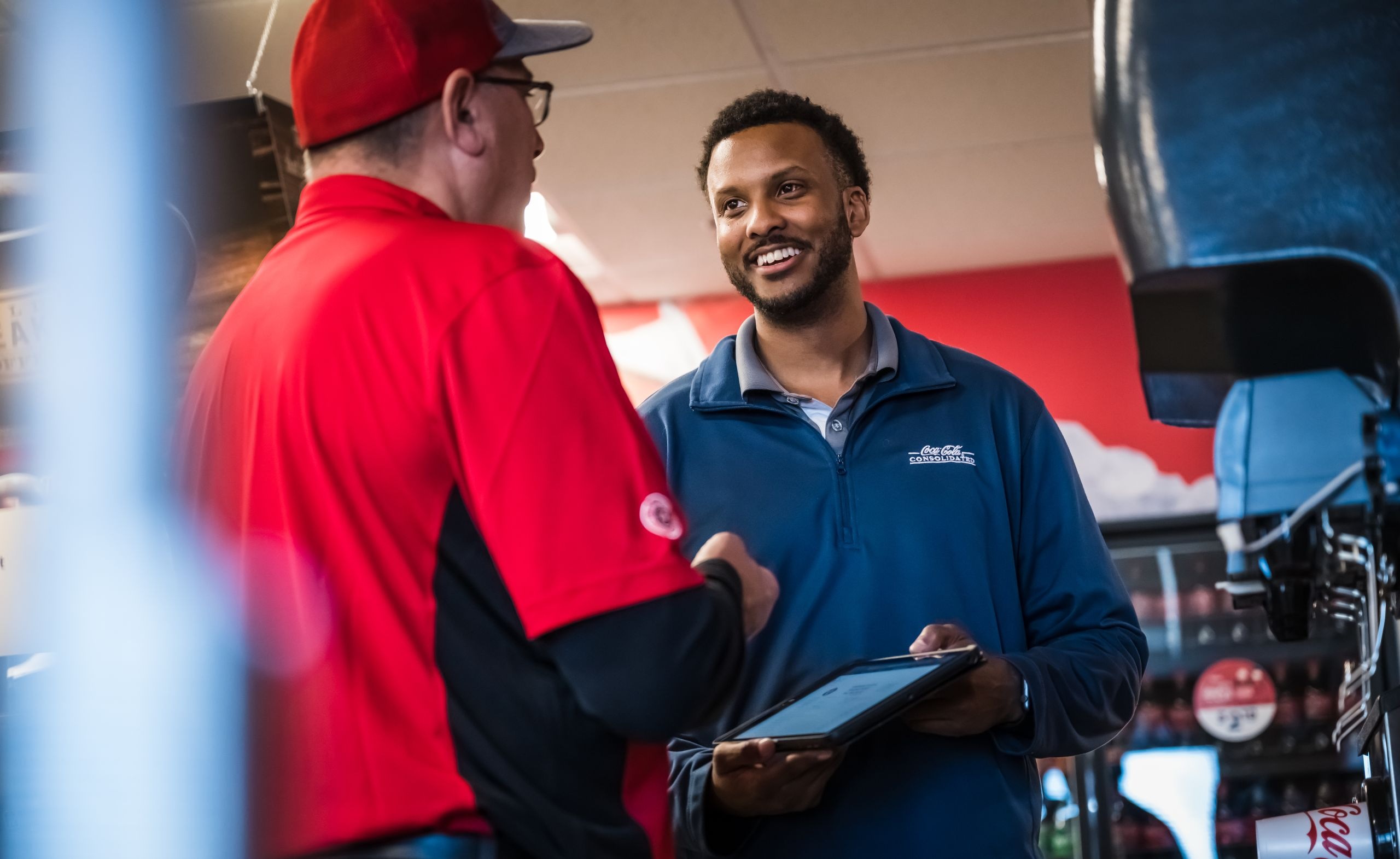
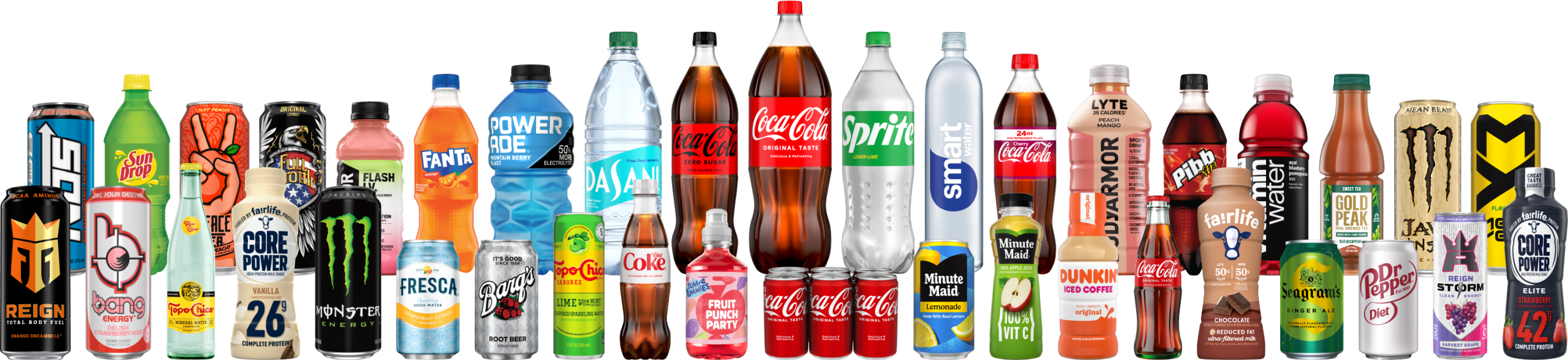
For a bottler, the customer and the drinker are often different people. Retailers and foodservice operators buy the beverages; consumers eventually drink them. That gives Consolidated two jobs. It needs products people want and a service arrangement businesses can live with. The portfolio extends from Coca-Cola and Sprite to water, sports drinks, energy drinks and protein beverages. A store can buy across several categories through one commercial relationship, subject to local availability.
Consider Kiawah Island Golf Resort, which announced a beverage partnership with Consolidated in August 2026. Fountain drinks went into restaurants and bars. The general store carried bottled beverages. Meetings and catered events received 12-ounce bottles and cans. Guests also had options including smartwater, BODYARMOR and Monster. A single resort turns out to contain several beverage businesses, each with its own package, occasion and replenishment needs.
The resort’s explanation was refreshingly direct: guest feedback showed demand for Coca-Cola products. Here was a decision changed by what visitors asked for. Consolidated’s contribution was making the preference practical across the property. For another hospitality operator, that is the useful buying question: can the supplier cover the bar, the shop and the conference room with the right formats?
A franchise is also a set of obligations
The business rests on manufacturing and distribution agreements, rather than ownership of every brand it sells. Sales of packaged beverages, fountain products and supplies to other bottlers support the model. Its network competes with Pepsi’s system and other beverage suppliers for purchases, shelf space and accounts. Other Coca-Cola bottlers generally operate in separate franchise territories. Calling them interchangeable local alternatives would miss how the system works.
That structure makes the November 2025 ownership transaction especially revealing. Consolidated repurchased the brand owner’s entire remaining equity stake, about 18.8 million shares, for approximately $2.4 billion. Cash and a $1.2 billion loan facility funded the purchase. The Coca-Cola Company relinquished its board seat. The beverage relationship continued. Equity ownership and the daily commercial partnership were separable, even after more than a century of working together.
The machinery behind a small purchase
Consolidated traces its roots to North Carolina bottling in 1902. Its early history included washed refillable bottles, hand-operated machinery and horse-drawn delivery. Expansion eventually joined local territories into a much larger operation. The recurring challenge remained recognizable: move a bulky physical product close enough to demand that supplying the next customer makes economic sense.
- 01Make
- 02Pick
- 03Deliver
- 04Replenish
An explanatory view of the work between a production line and a stocked shelf.
In 2025, the company invested $312.3 million in capital expenditures and began operating a 430,000-square-foot automated distribution center in Columbus, Ohio. In May 2026, it announced another concrete commitment: $35 million for an Indianapolis glass-bottling line, with construction anticipated to start late that year. The plan called for 15 to 20 additional full-time jobs. A packaging preference eventually becomes a factory decision.
The delivery method can change, too. Direct store delivery remains the main route, but Consolidated has shifted selected products and channels to alternative distributors or customer infrastructure. Its filing describes profitability and customer service as reasons. The practical lesson is to match the method to the order. Owning the relationship does not require performing every movement with the same vehicle.
The packaging has a return journey worth watching. With supplier Southeastern Container, Consolidated describes a program that collects used plastic pallets for recycling into new pallets. The partnership also encompasses recycled PET processing for bottles. These are specific material flows, with collection and processing required between the promise and the next usable package. The company’s broader sustainability program includes packaging recovery, water efficiency and lower energy intensity. For a business considering a similar approach, the useful starting point is one recoverable item and an actual destination for it. A recycling message alone cannot arrange the return trip.
First, the planning gets cumbersome
A September 2026 Lyric customer interview provides a smaller, more copyable change. Brian Morrow, Consolidated’s senior manager of product supply planning, described a team working with scattered information and Excel-based processes. The constraint was the planning workflow. The vendor’s account describes moving beyond annual models to monthly and 13-week horizons, with solutions arriving in minutes where models had taken hours.
That is a vendor-reported result, rather than an independently measured return on investment. Still, the operating idea travels: prepare the data before modeling, reuse the answer from one problem in the next, and make the next calculation easier to run. A smaller distributor could copy that discipline without copying the company’s factory budget. It needs consistent data and decisions frequent enough to justify the effort.
“to honor God in all we do, to serve others, to pursue excellence, and to grow profitably”
From Consolidated’s stated Purpose
The can sends back a bill
Scale leaves plenty exposed. In the second quarter of 2026, net sales rose 10.6%, yet reported operating income slipped 0.3%. Management identified approximately $45 million of additional aluminum input costs compared with the previous year’s quarter. Demand was growing; the cost of supplying it was growing, too. That is where a cheerful revenue chart becomes an incomplete account of the business.
Reported GAAP results. Each bar uses a 12% scale; the orange mark indicates a decline.
Consolidated explicitly includes service and profitable growth in its Purpose. Its customer tools make that service tangible: account ordering, order history, live support and equipment requests. Their limits are tangible as well. Products vary by location, and urgent extra deliveries depend on truck capacity and routing. For a retailer, the sensible move is to confirm the assortment and schedule before promising customers a drink. The shelf is where all those promises finally become visible.
Follow the next delivery
Explore the company website, ordering options, equipment support and newsroom.
Find the company on LinkedIn, X, Instagram, Facebook and YouTube.
▶ Watch: Brian Morrow on supply planning 03:01 ↗