north-carolina
(48)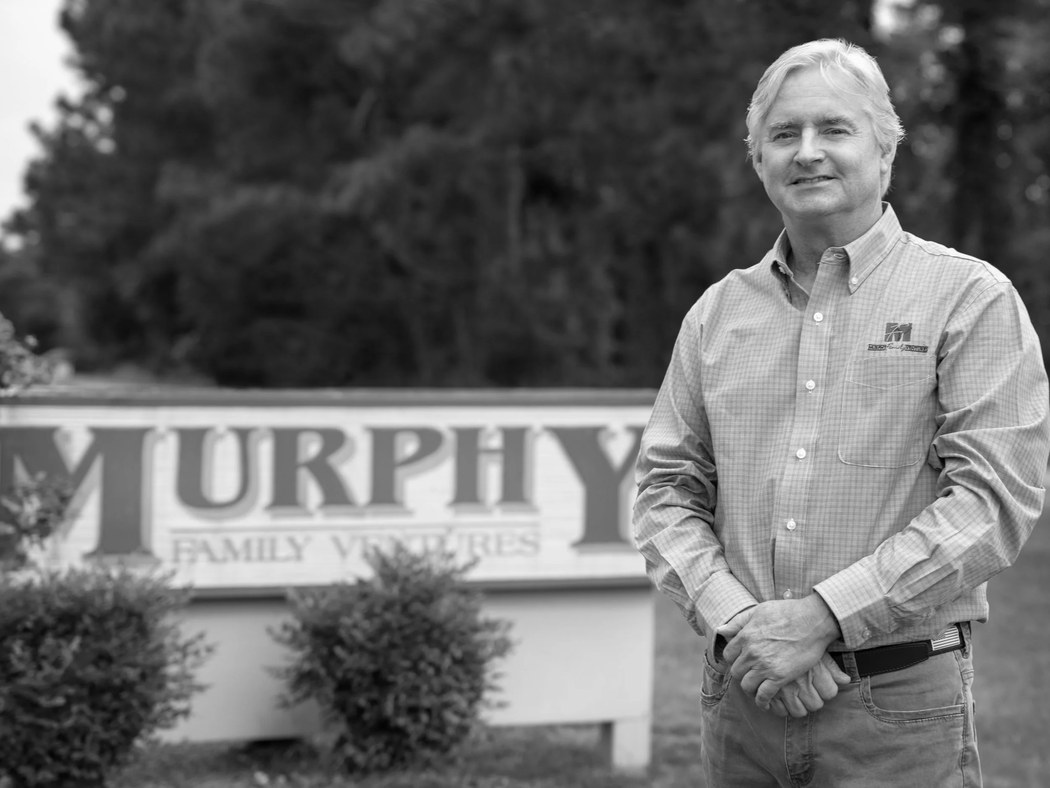
Dell Murphy and the business of staying
After the family hog business was sold, Dell Murphy built a management company for what came next. In Wallace, North Carolina, that work now connects farms, boats, hospitality and another generation of Murphys.

Jennifer Moses and the arithmetic of forever
An accountant takes the helm of a company built to keep its businesses. Jennifer Moses’s route to IMC’s CEO office puts a familiar question on a longer clock: what does it take to earn people’s trust?

Bryan Bunker and the business of giving time back
From commercial real estate to engineered foam, Bryan Bunker has kept returning to the same practical question: how do you help other people do their work? In Zebulon, that question now reaches all the way to the ballpark.

Travis May and the value of the space between
From LiveRamp to Protege, Travis May keeps finding businesses in the gaps between other businesses. At Shaper Capital, he is trying to turn that habit into a company-building practice.
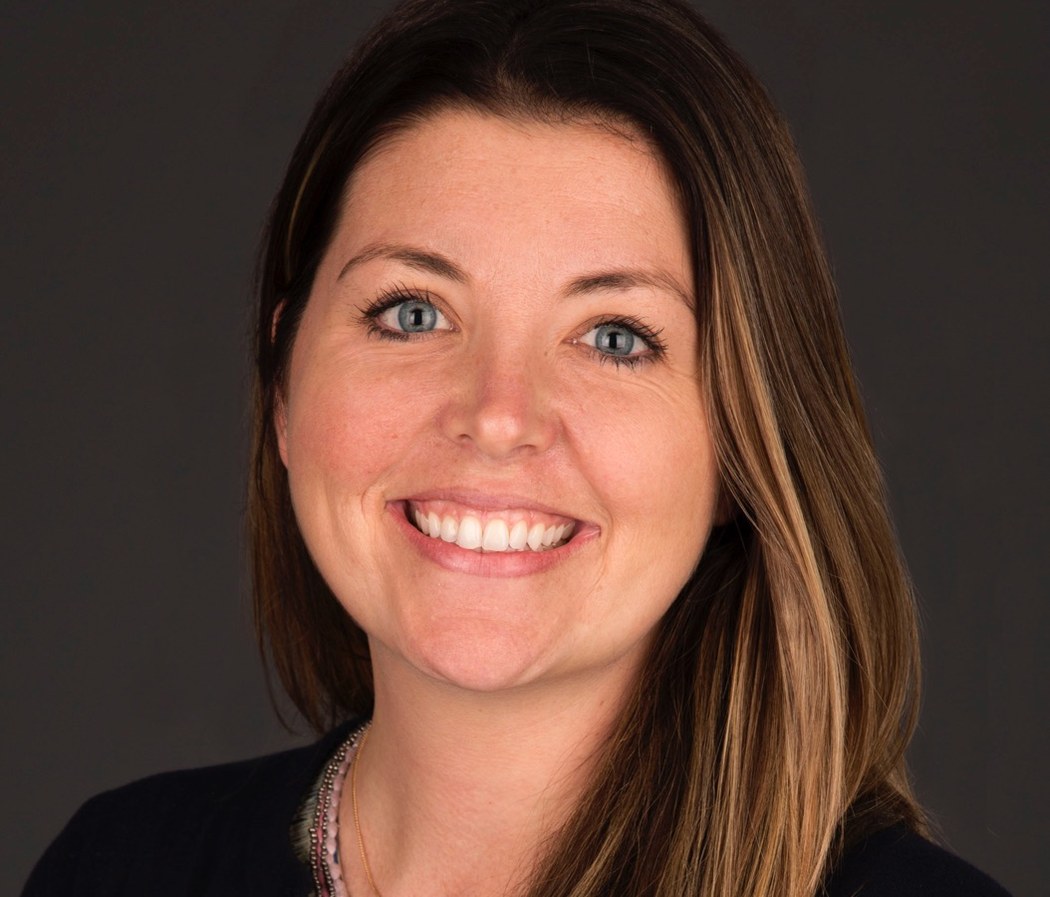
Blake Shewey and the Long Road to a Handpicked Future
Before Blake Shewey became CEO of Snow Companies, she spent years moving through its ranks. Her succession tells a story about earning trust, sharing credit and carrying a founder’s work forward.

The House That Ate the Software
Atmos promised to make a custom home feel as easy to order as a product. The company got 50 houses built, then discovered that software could not carry the whole construction site on its back.

Thad Tarkington Found a Business Hiding in the Air Filter
A ruined Saturday suggested a subscription. The stranger clue came later: customers ordering filters for dozens of homes, pointing two college founders toward a much larger problem.

Tucker Hawkinson Learned to Make the Complicated Feel Obvious
From a SpaceX production floor to the tangled internals of restaurant software, Tucker Hawkinson has made a career of finding the hidden structure in difficult systems - and making it useful to the people on the other side of the screen.
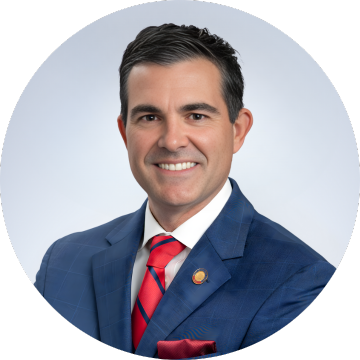
John Bradford Found a Software Company Hiding in the Pet Policy
A landlord's recurring nuisance became John Bradford's unlikely blueprint for a national software business - one that asks property managers to judge the animal in front of them, not merely the breed on a list.
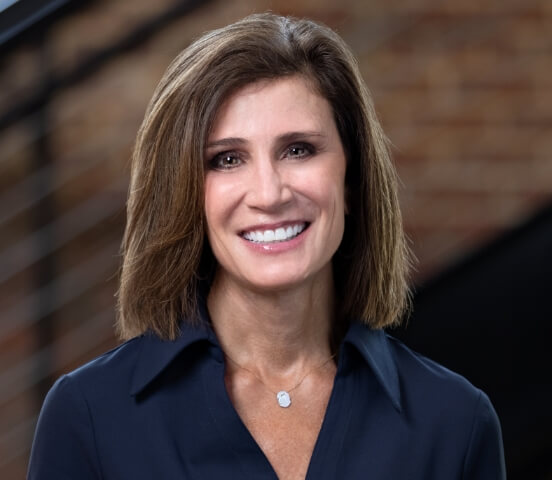
Jennifer Byrne Took the Wrong Job - Then Spent 30 Years Fixing the Right Problem
She arrived with a new briefcase, dressed for pharmaceutical sales, and discovered she had been hired to coordinate clinical trials. The misunderstanding became a vocation - and eventually a company built to bring research into everyday care.
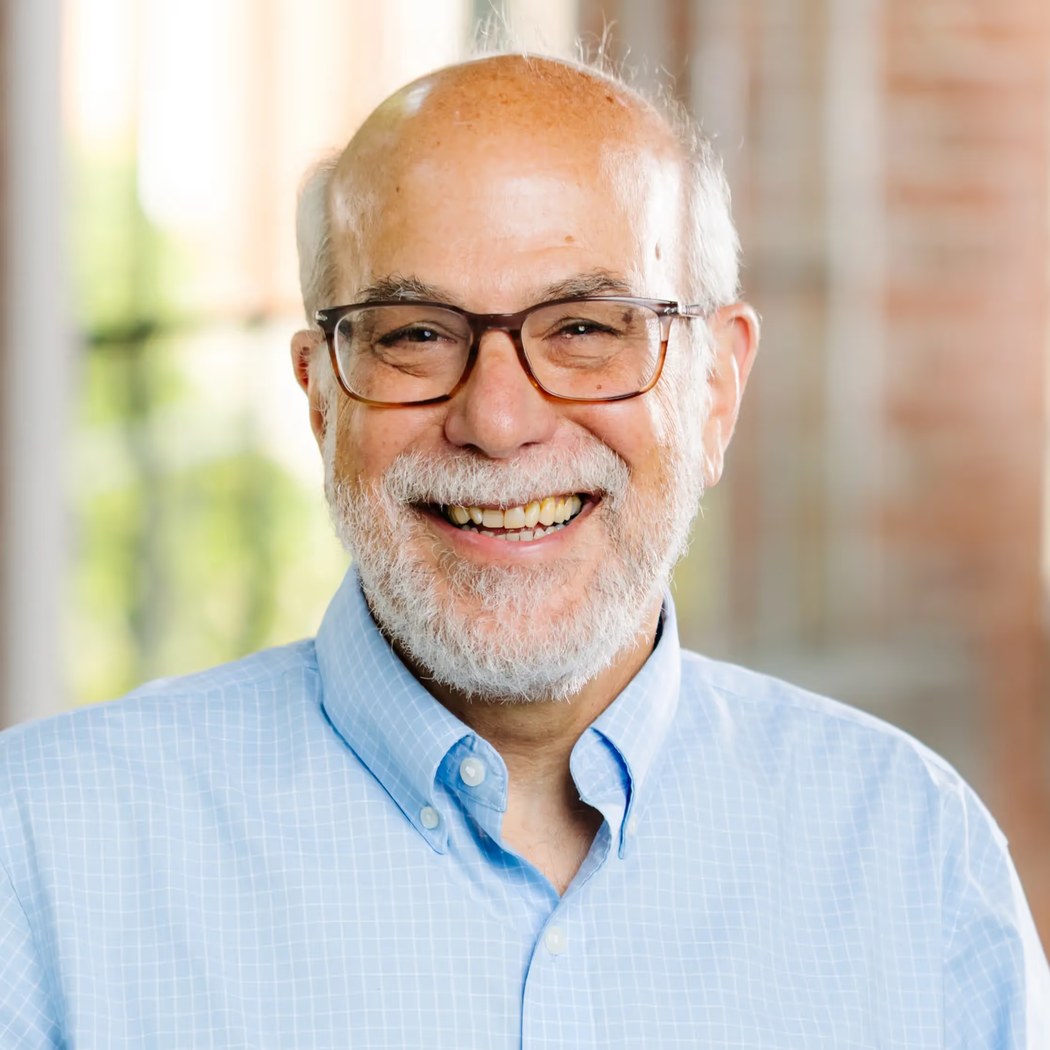
Tom Adams and the Blackberry That Refused to Behave
The Pairwise CEO spent decades learning how slowly crops change. Now he is betting that the quickest route to public trust runs through a smoother blackberry, a shorter cherry tree, and benefits people can taste.

Beth Silverman and the Business of Turning No Into a Lease
She spent a career learning how cities, developers and nonprofits talk past one another. Then she built a housing model around the useful part of no.
The One-Stop Shop That Learned to Ask Bigger Questions
Rivers Agency began as one woman promising good work at a fair price. Thirty-three years later, its most revealing advantage is not a slogan or a specialty - it is the ability to keep strategy, copy, code and media in the same conversation.

The People Who Know Where the Policy Is Buried
CCR Consulting hires people who have already lived inside the systems its clients are trying to change. The result is a particular kind of consultancy: less crystal ball, more institutional memory with a project plan.

Formation PR + Brand and the Art of Becoming Less Necessary
A small North Carolina agency built a national niche by taking on stories that resist slogans - then teaching clients to carry the message without it.

The Most Important Person in the Room May Be the One You Almost Forgot to Call
Communication Access Partners built a business around a problem most institutions notice only when it becomes urgent: the people in the room cannot understand one another. Three decades, six service lines, and a run of acquisitions later, the small North Carolina firm has become an instructive case in the logistics of being understood.
The North Carolina Lobby Shop That Became a $22 Million Washington Player
Founded in Winston-Salem in 2023, Checkmate turned a statehouse network into a federal business that reported $22.2 million in 2025 lobbying revenue - then began exporting the model overseas.
The Results Company Sells the Meeting Before the Campaign
In Raleigh, the most consequential communications work can happen before anyone writes the slogan. Chuck Fuller’s firm turns executive conversations into coalitions, nonprofits, intelligence products and campaigns built to move North Carolina.
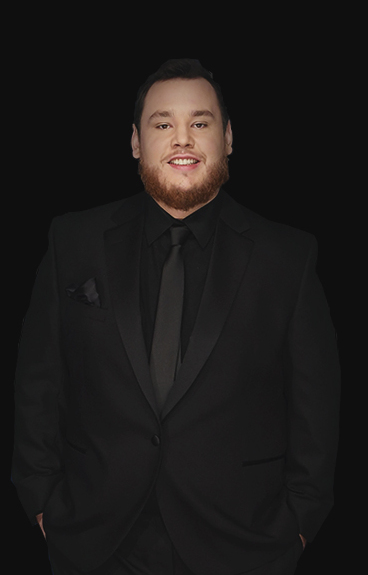
Luke Combs Took the Long Way to Wembley
He learned guitar at 21, left college with 21 credit hours to go, and built a country career one crowded room at a time. The remarkable part is not simply the stadiums. It is how little distance he puts between the stadium singer and the fellow who once worked the door.
Etix wants the whole night, from ticket to T-shirt
The North Carolina ticketing company built its business around the needs of venues. Now its ambitions extend from finding the audience to ringing up the merchandise.

Lindsey Paschal Learned to Market Complexity - Then Took On the Energy Grid
After two decades spent turning specialist software into clear commercial stories, the former teacher and SaaS growth leader has arrived at Energy Exemplar - where the product models systems measured in seconds, decades and continents.

Randy Guard Has Spent a Career Making Complicated Technology Make Sense
An electrical engineer wandered into marketing and stayed for the hard part: translating complex systems into reasons people care. After SAS, Spreedly, and Appian, Randy Guard is taking that habit to Liminal's market-intelligence business.
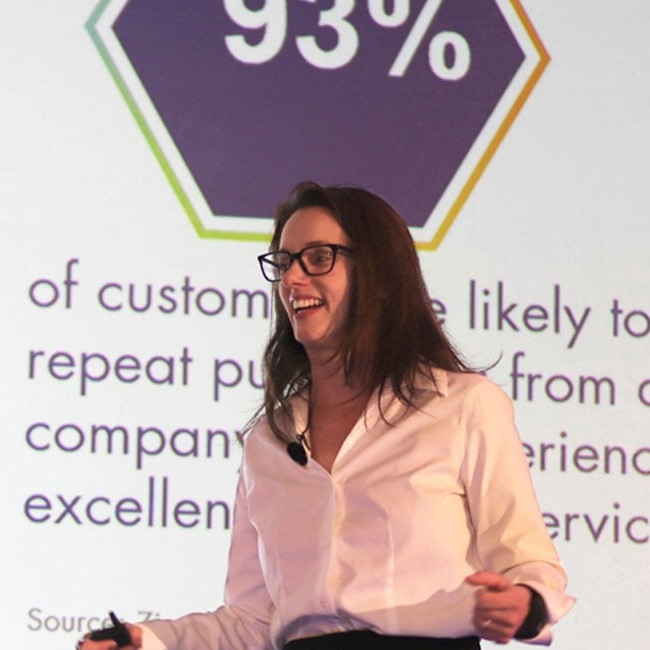
Grayson Leverenz Learned Scale Backwards - Then Built a Better Way Forward
She went from managing a $14 million brand budget to helping a startup grow with paid media below 1% of revenue. Now the former Spiffy CMO is teaching lean teams how to make strategy and execution share a desk.

Paul Harmon Makes the Invisible Materials Economy Legible
From software support to the C-suite, Paul Harmon's career is a study in translating complexity - turning fibers, films, customer needs and sustainability targets into decisions people can act on.

Tim Willis Keeps Betting on the Space Between Blinks
He built TearScience from a treatment idea into a company acquired by Johnson & Johnson. Then the engineer returned to the same tiny surface with a new question: can an eye drop learn to stay put?

Richard Dest Built a Dental Practice That Learned to Travel
He began with one office in 1985. Then Richard Dest spent decades turning dentistry into an operating system - one that could move beyond the practice door.

Dillon Baxter Bet on a Fork That Could Disappear
A college golfer sold straws door to door, quit banking after one month, lost an $8 million commitment, and kept building. Now PlantSwitch is trying to make the useful life of plastic match the life of the thing it serves.
Michelle Ehmann and the Quiet Architecture of Executive Trust
For more than two decades, Michelle Ehmann has worked in the room where priorities become decisions. Her career offers a practical lesson in the invisible craft of keeping leaders, teams, and commitments moving together.

The Bottle That Works Like a Mom, From a Team That Ran Medela
A former Medela executive and a Harvard-MBA operator spent more than a decade re-engineering the baby bottle. The pitch is simple: make the bottle behave like the breast so babies stop refusing one for the other.

THREAD Moved the Clinical Trial to the Patient's Kitchen Table
For decades a clinical trial meant a patient driving to a site. THREAD bet the visit could come to them instead - and then bought four companies to prove it.