Before a house can be a home, it must first be a series of disagreeable questions. Is the lot buildable? What does the soil say? Will the homeowners' association permit the roof you want? Who will actually pour the foundation? In 2020, Atmos proposed to put the answers on one screen. Its customers could choose land, shape a floor plan and meet a builder through a single guided service. It was an appealing promise because the alternative was often a binder full of phone numbers.
- Atmos joined land selection, home design and local builder matching for buyers in North Carolina.
- It paired 3D visualization with designers, project managers and lot checks.
- Founder Nicholas Donahue says it built 50 homes, then closed around March 2025.
The company was based in San Francisco, but its work took place chiefly around Raleigh, Durham and Charlotte. Those cities were familiar territory to its chief executive, Nicholas Donahue. He grew up in Durham; his father built subdivisions in the Triangle. Donahue knew the peculiar disappointment of the American housing market: a buyer might afford a new house and still be unable to find one that suited the way they actually lived.
The first blueprint was a headset
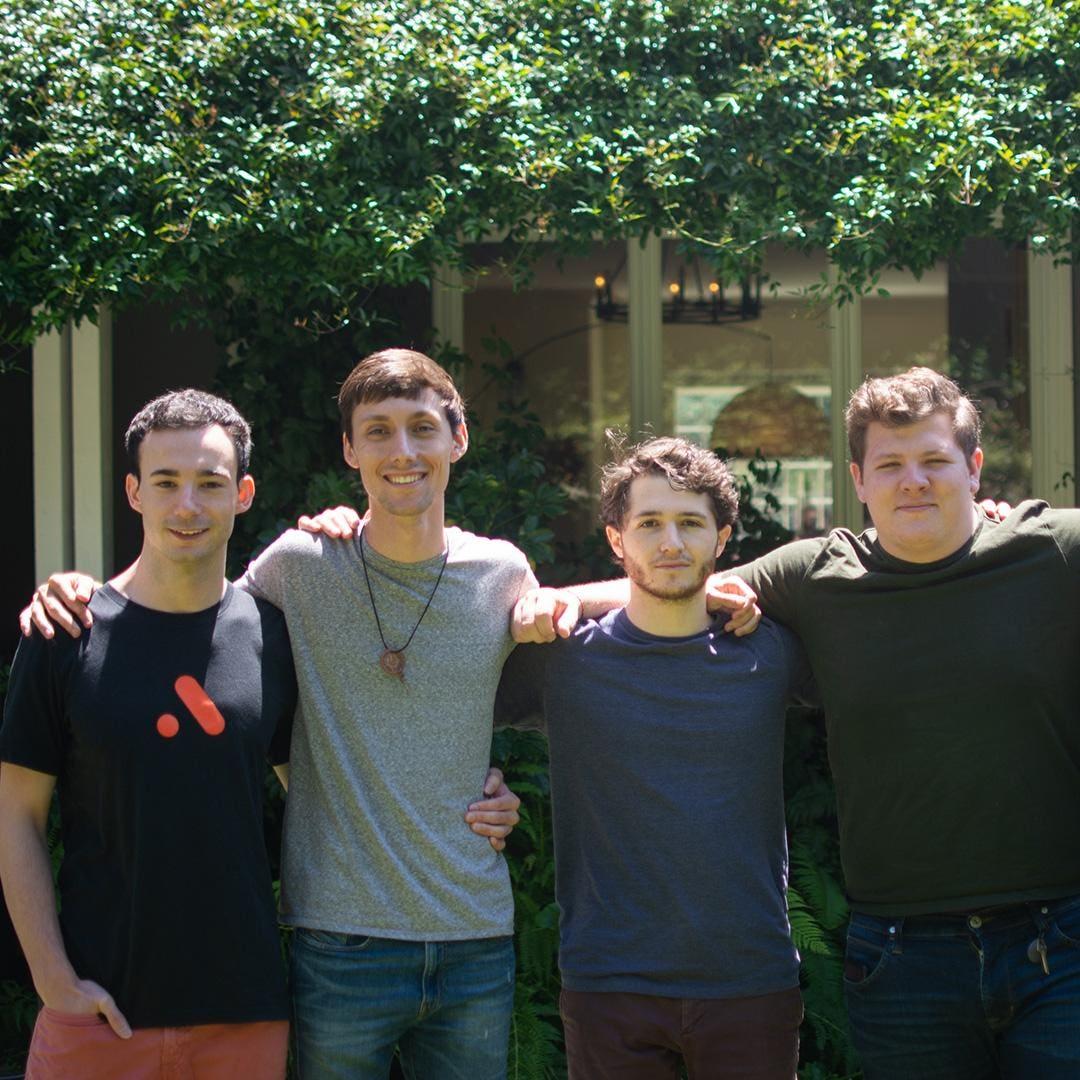
Atmos did not begin with lumber. Donahue had been building virtual-reality hardware and thinking about what happens when digital design changes physical space. The limits of VR helped redirect the team toward a stubbornly real product: the house. Atmos, founded by Donahue with Trent Hedge, Austin Kahn and Matthew Rastovac, moved from imagining rooms to helping people commission them.
The first sales pitch had a sharp sense of place. During the pandemic, Atmos released a calculator comparing rent in San Francisco and New York with the cost of building in cities such as Raleigh and Austin. Atmos said the page drew 40,000 views in its first three days. A partnership with job-placement startup Placement offered one more bridge for people considering a move. The calculator did not prove that everyone browsing would build. It proved there was an audience willing to imagine it.
For an early customer, Ali Yahya, the attraction was simpler. He had moved back to North Carolina from the Bay Area and was considering a home outside Chapel Hill. One point of contact beat coordinating a realtor, architect and builder himself. His verdict was plain: “Unless you are knowledgeable about construction or the home-buying process, it is a little daunting.”
A lot is not a blank page
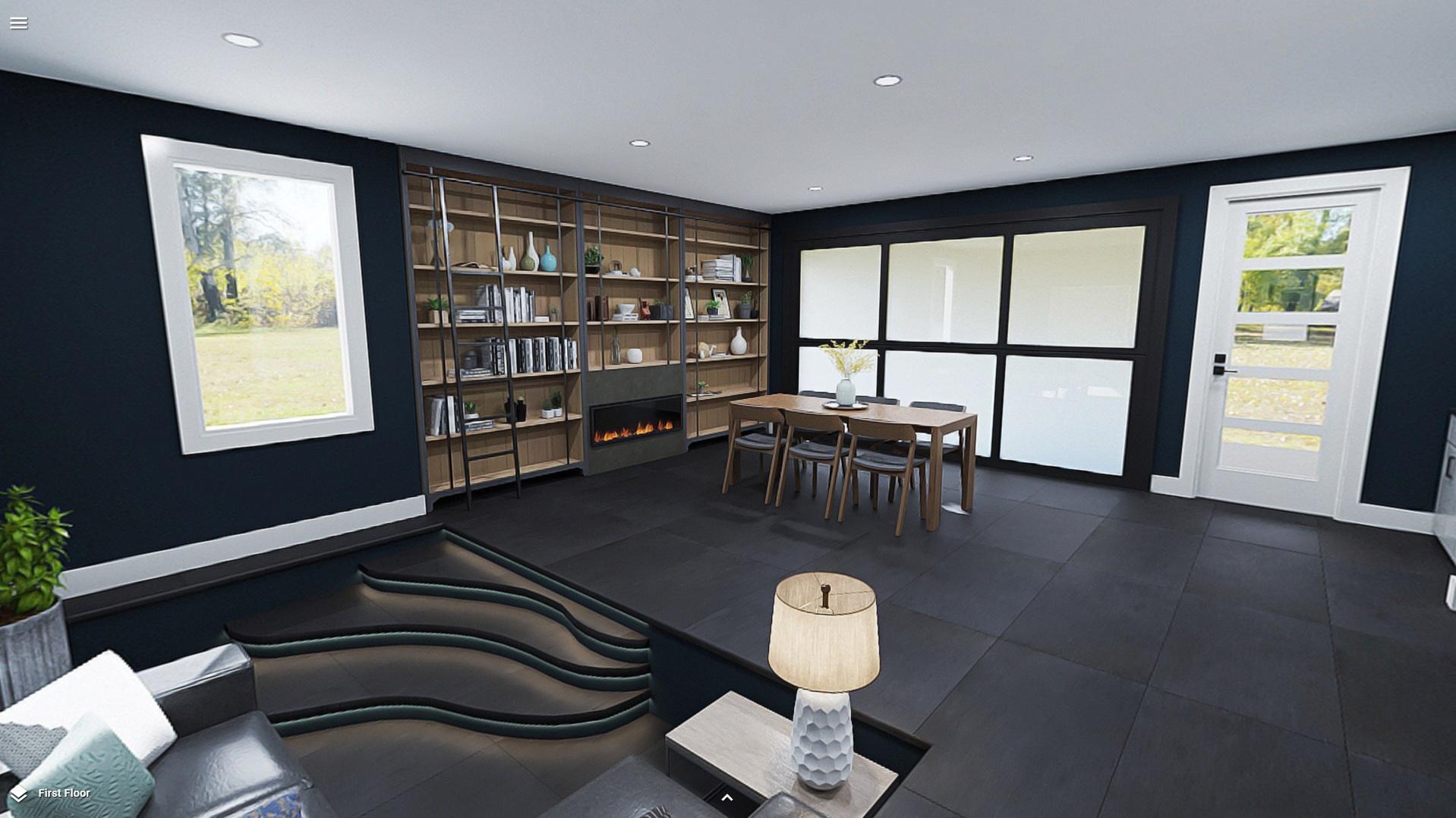
Atmos's useful trick was to put the land before the dream kitchen. Its team helped buyers find a site, obtain surveys and soil tests, review zoning and check HOA restrictions. Then came a custom design that could be seen in 3D and matched to a vetted builder. In 2022, the company said its software could show what could be built on a particular lot according to its shape, size and development rules. A lot-specific answer matters more than an alluring generic floor plan: setbacks and ground conditions do not care how handsome a rendering looks.
The buyers were not merely picking countertops. Early projects included requests for a dog shower, a Buddhist temple, a half-court basketball court and home offices. Such details explain the difference between Atmos and a production builder selling a fixed menu of plans. They also explain why a general-purpose checkout metaphor was always going to be strained. Every extra choice has a consequence in drawings, bids, materials and approvals.
Atmos sat between an architect-led custom project and a standard new-build house. Homebound sold itself as a technology-enabled homebuilder; Welcome Homes offered its own route to a new home. Donahue described Atmos as more design-oriented, with more room for a buyer's preferences. For builders, the company promised customers who had already worked through much of the uncertain preconstruction stage. For land developers, it suggested a way to sell directly to buyers. It was a marketplace, but one with a great deal of service tucked inside.
The price of removing friction
In November 2022, Atmos said an average build through its platform cost about $225 per square foot. At that time, it charged buyers a 5% fee on construction cost for due diligence, design and project management. Builders paid a separate $20,000 flat fee for a vetted client and preconstruction work. Those numbers describe a historical offer, not a price list for today. They also disclose the business's essential gamble: the work saved for buyer and builder would be valuable enough that both would pay for it.
Money and recognition arrived. Atmos entered Y Combinator's Summer 2020 class. Its founders appeared on Forbes' 2021 30 Under 30 Consumer Technology list. It raised about $2 million in 2020, another $4 million later that year and a $12.5 million Series A led by Khosla Ventures in 2022. That November, Donahue said six homes had been built and a few dozen more were in progress. The company was not a slide deck pretending to be a house.
“It became this extremely operational business.”Nicholas Donahue, on Atmos in 2025
That is the line that changes the story. By Donahue's later account, Atmos had grown to 40 people, reached about $7 million in revenue, designed $200 million worth of houses and built 50. Yet designers remained on staff, working with clients while software handled the back end. A founder could see the achievement and the trap at once: the company had made the customer's problem its own operating model. Donahue called it “kind of like a glamorized architecture firm.”
Then interest rates rose. Clients who had spent months designing houses found the financing harder to carry. A custom-home project is unusually exposed to that delay: the buyer commits emotionally long before the building is complete. Donahue said he shut Atmos down around March 2025. Y Combinator now lists it as inactive. Its old social profiles and company listing preserve a moment when more cities were still on the horizon; they are a record of the pitch, not evidence of a service still taking orders.
What the next builder should take
There is a good lesson here for anyone building a product around a complicated purchase. Start where the uncertainty is greatest. Atmos did that by connecting the lot to the design before asking a builder to price the dream. Test demand with a small, concrete tool; its rent calculator gave people a reason to compare a move with a build. Keep the handoffs visible. A buyer like Yahya valued a single person who could tell him what happened next.
There is also a condition on the lesson. This model depends on enough buyers in a local market, reliable builder capacity and financing that still works after months of design. It becomes harder to repeat when each project needs a bespoke team to shepherd it through local rules. Software can make a choice legible; it cannot approve a permit or change the price of borrowed money.
The curious inheritance of Atmos is that it made the case for customization, then exposed the cost of delivering every part of it.
Donahue's next company, Drafted, narrowed the problem to generating home plans with software. That is a different company and a different promise. Atmos's own record remains more tangible: 50 built houses, many more designed, and a clear demonstration that the last mile of a digital homebuilding platform is made of earth, paperwork and people. The floor plan may be a file. The house never was.