software
(88)
Syed Balkhi and the business of answering one more question
He moved his clients to WordPress to make life simpler. Their questions became WPBeginner, then a software business used on more than 30 million websites.

Brennan Spellacy Took the Long Way Back to Climate
He studied chemical engineering to work on cleaner energy, then spent years building software. With Patch, Brennan Spellacy returned to his original ambition - and found that connecting people, projects and money was an engineering problem of its own.

Matt Hawkins and the work before the bell
Before Waystar rang the Nasdaq bell, Matt Hawkins spent years putting software businesses together. His career offers a quieter account of company building: stay close to the work, keep the team in view, and make the machinery useful.

Faisal Tai and the business hiding inside a beta test
His first location doubled as a testing ground for software. Faisal Tai’s path from that practical experiment to international acquisitions tells a story about owning the tools - and the work that follows.
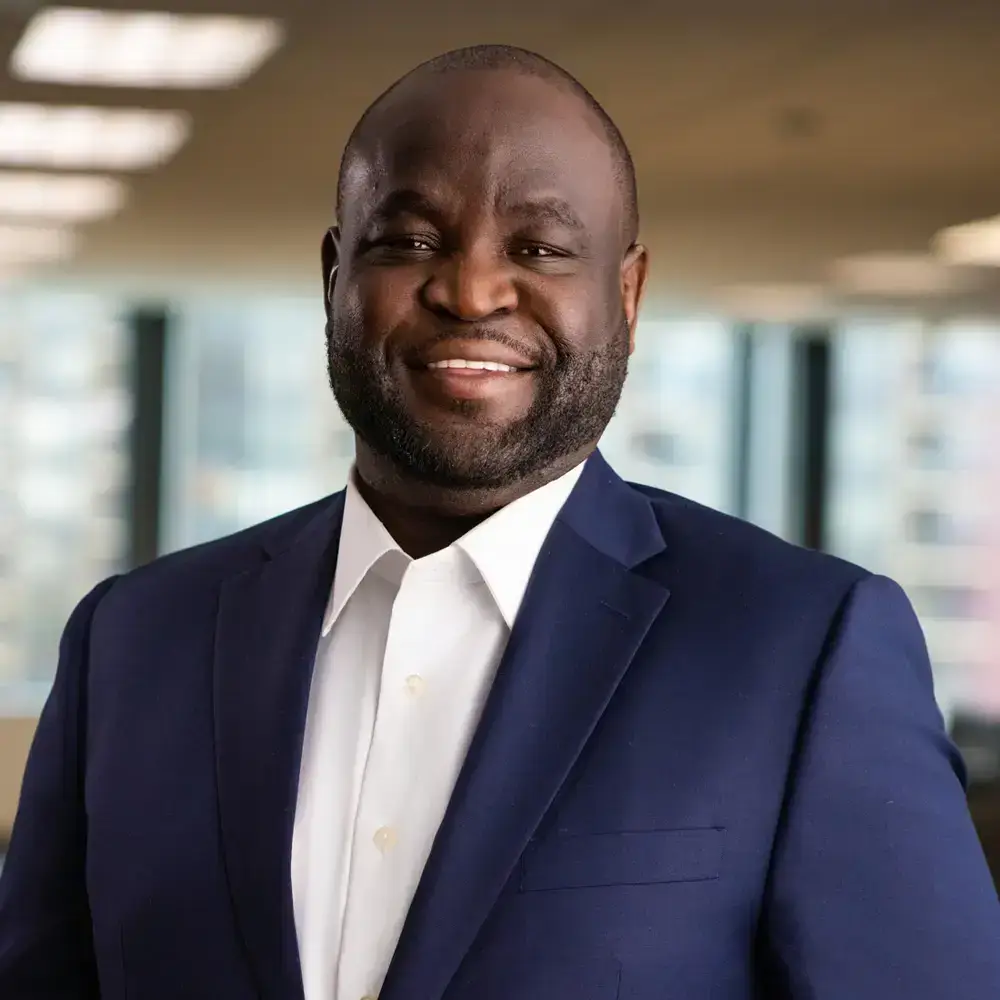
John Olajide and the education of a businessman
Before he founded Axxess, John Olajide learned commerce in his parents’ Lagos business. His route through Dallas, scholarships and investment in Nigeria suggests those early lessons are still earning their keep.
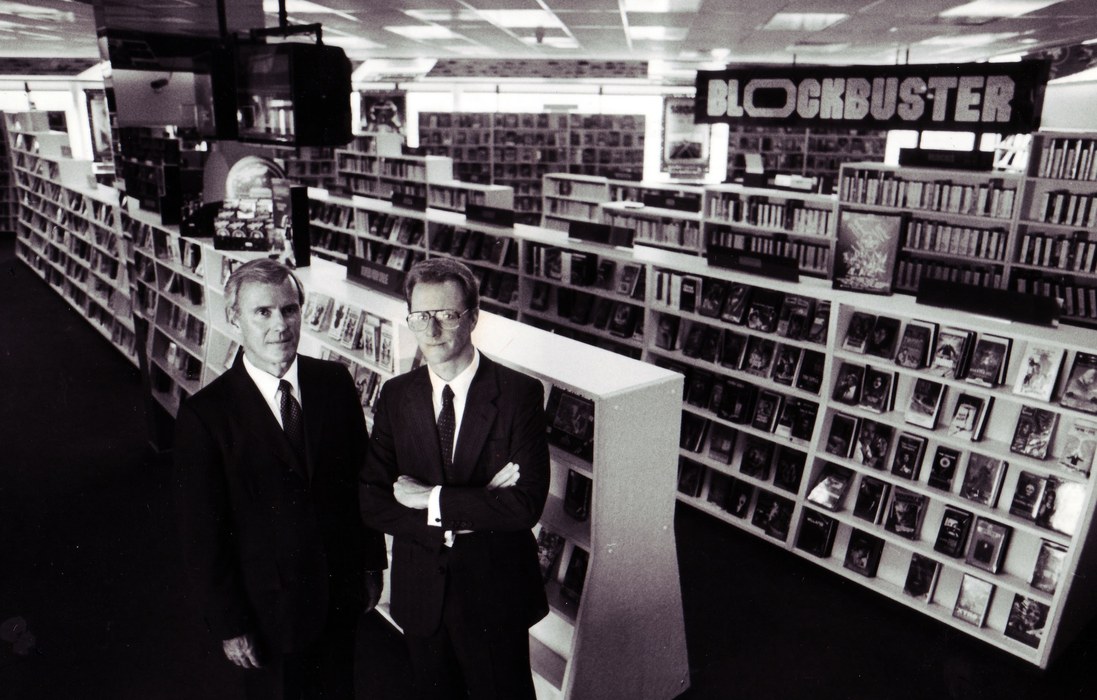
David P. Cook and the machinery behind movie night
Before Zix, David P. Cook put computers behind the video counter and electronic tags on the tollway. His career connects three ordinary transactions with the less ordinary work of making them easier.
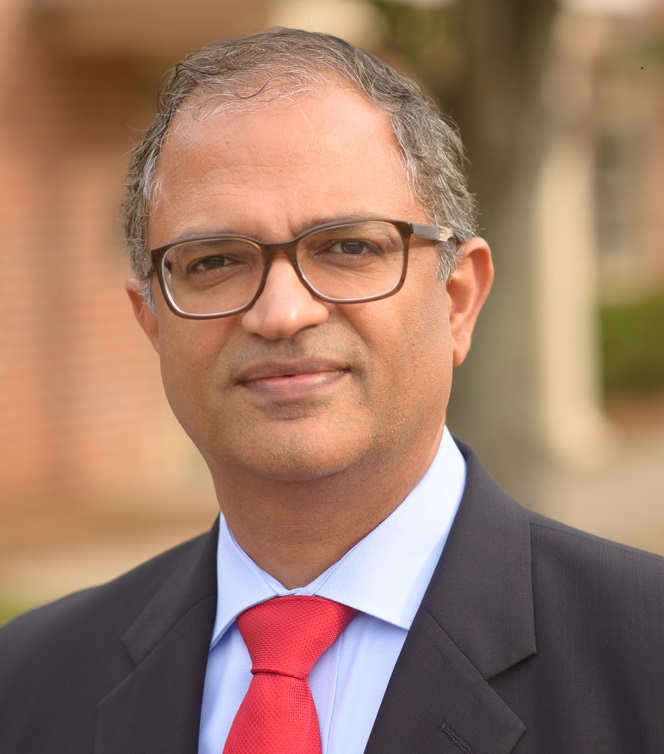
Raghu Vir’s open door has a guest list
When he launched Qural in India, the Saince founder paired a free subscription with selective onboarding. His bet was that useful connections would give smaller businesses more room to compete.

Drew McElroy’s problem with the empty truck
He learned freight brokerage on the family phones, recruited truckers with a dunk tank, and handed over the CEO job. Drew McElroy’s career keeps returning to the same question: how much of the work is waste?

Critical Path made email disappear.
Millions of people used its technology without seeing its name. Critical Path sold the machinery behind the inbox - and exposed how differently a service can perform from the company selling it.

AnonimA: Share the moment. Spare the face.
A free photo tool took on a difficult bargain: show the world what happened without handing it the identities of everyone who was there.

Jun Fabella and the business of finding a simpler way
An MBA classmate needed software. Jun Fabella helped build a business. His route from DYNALABS to ANiGENT reveals an engineer’s interest in systems - and the people who make them work.
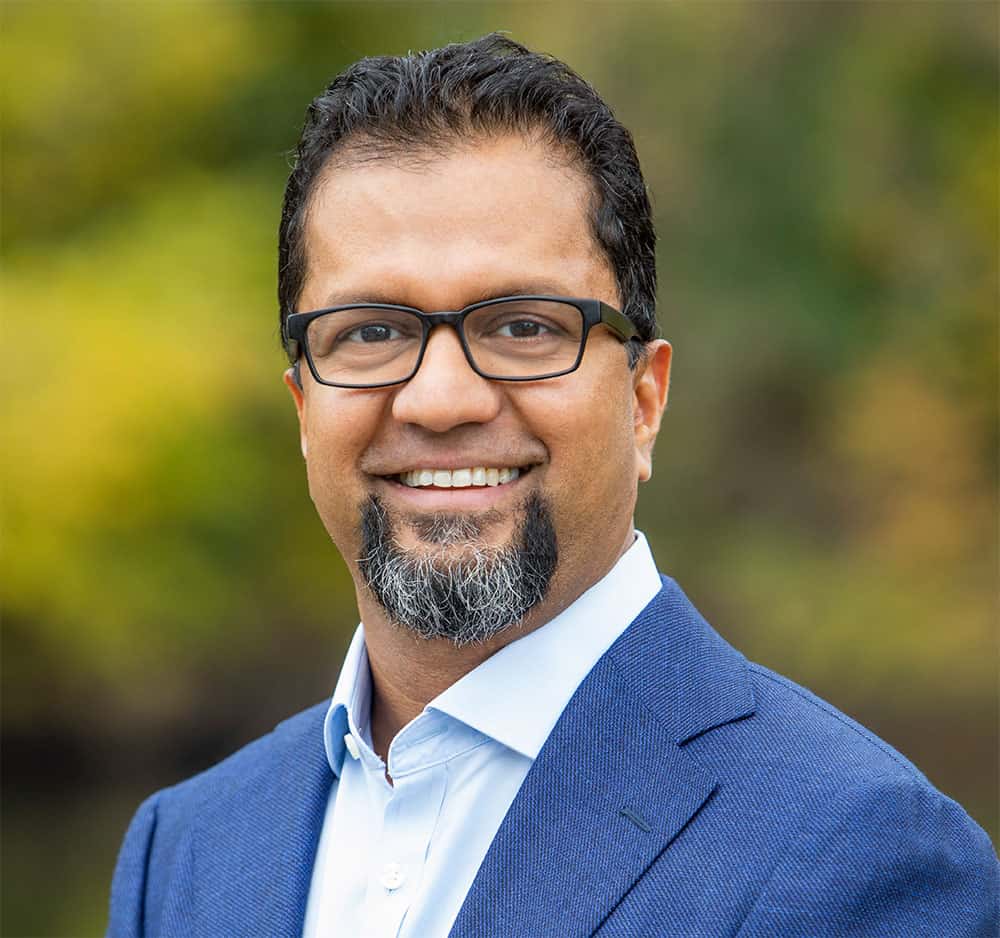
Jagath Wanninayake and the art of starting again
He sold Clarix for $40 million, co-founded a record label, and returned to software with Suvoda. His career keeps circling a practical question: how do you get people to come along?
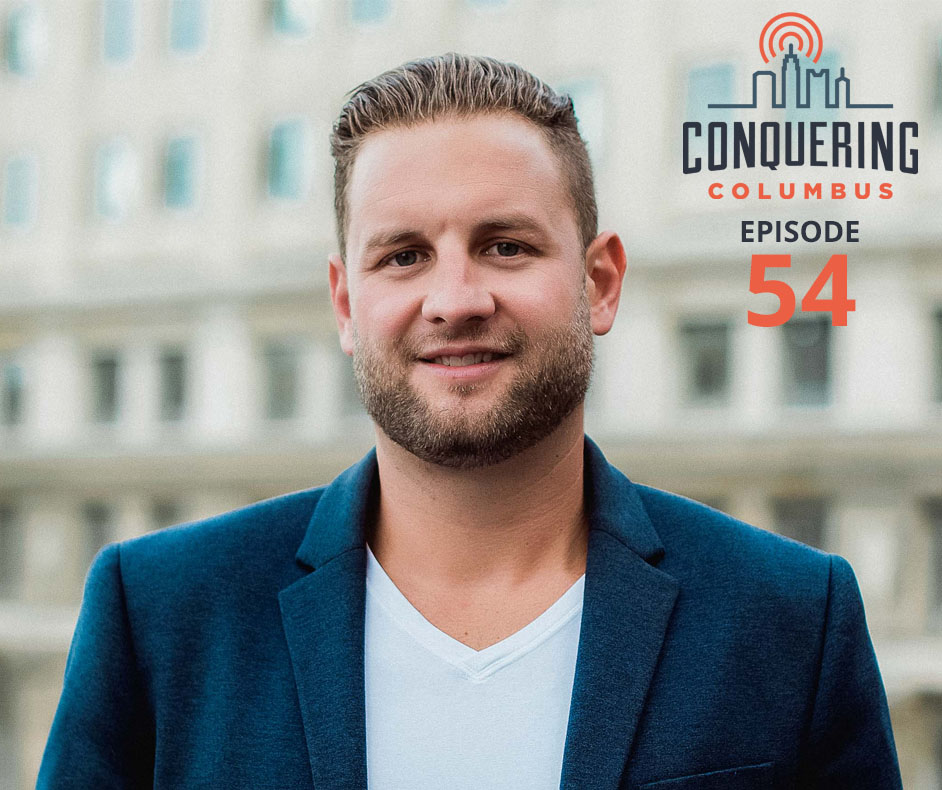
Joe Anstine and the Art of the Second Idea
Before Rhyme, there were recruiting calls and a data business. Joe Anstine’s path to the CEO’s chair is a story of changing the plan, finding backers and giving a company room to grow.
Mark Byers and the business of staying
Three brothers started DSS in a Colorado basement in 1991. Thirty-five years later, Mark Byers’s story runs through a federal customer, longtime colleagues and a seat on an Honor Flight.
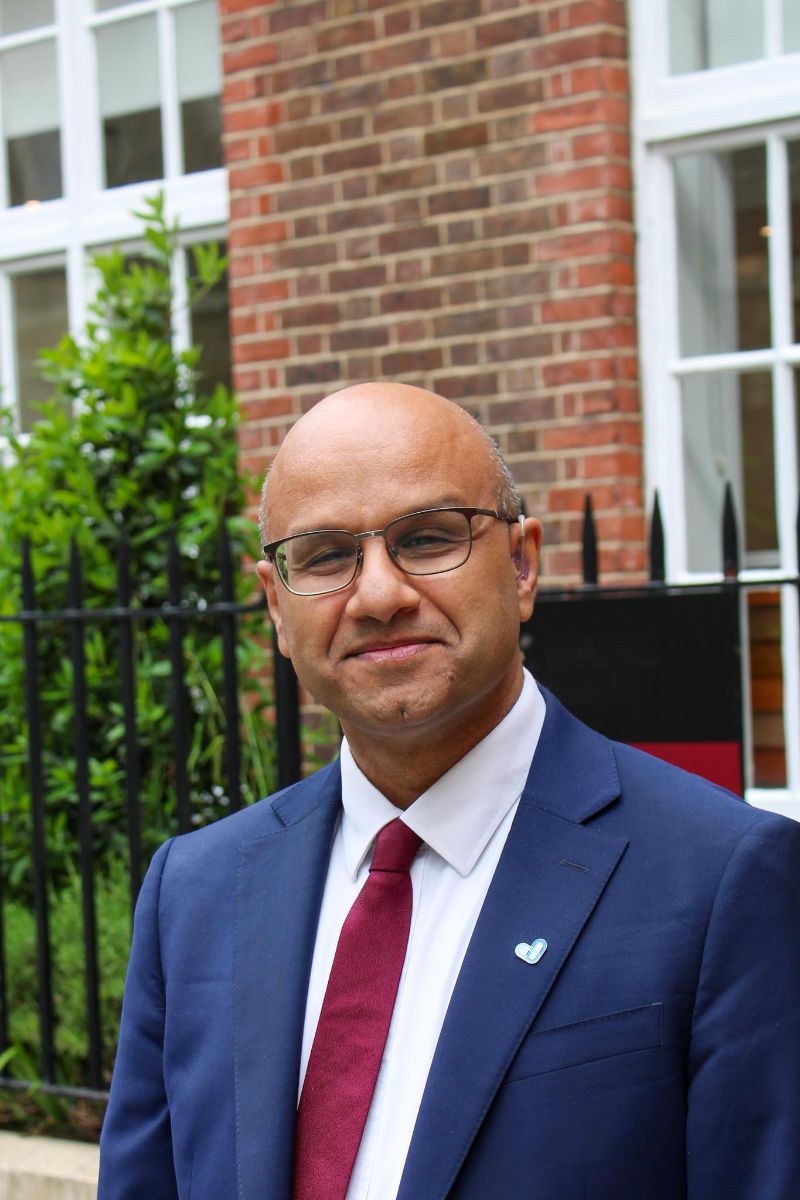
Mohammad Al-Ubaydli’s unfinished syllabus
A book about chaos changed his plans. A book about publishing helped him start a business. The founder of Patients Know Best has kept giving himself new subjects to learn.
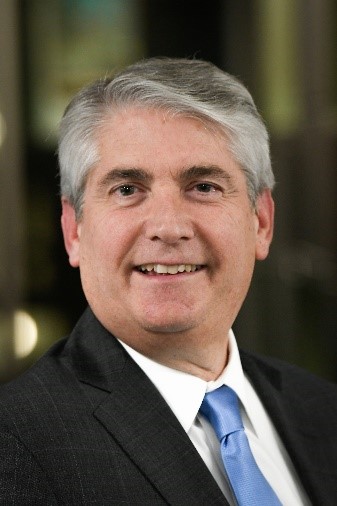
John Mengucci and the art of changing the score
He played drums at Carnegie Hall, then chose a career in computing. At CACI, John Mengucci has spent years making another deliberate change: moving a government contractor toward technology it can call its own.

Prince Mohammed Al-Faisal and the Discipline of the Next Step
Prince Mohammed Al-Faisal helped build Clinicy by rethinking the original idea. His advice to founders is smaller, and harder: give the next step your full attention.
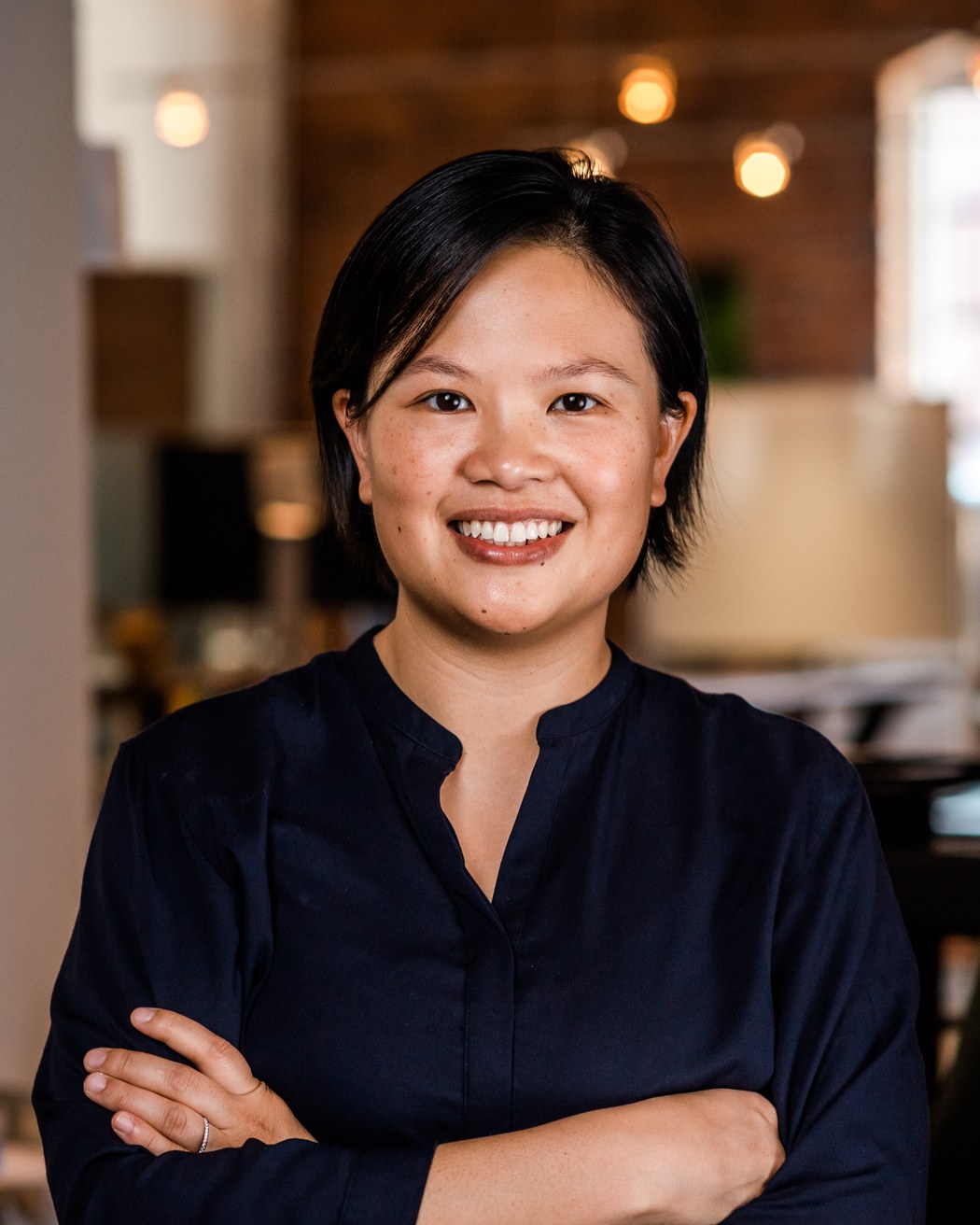
Kyna Fong and the advantage of staying close
Before she co-founded Elation Health, Kyna Fong was a table tennis champion, a teenage office manager, and a Stanford economist. Her career has kept bringing her back to the same question: what happens when an idea meets the person who has to use it?

Alan Matthews and the resignation that became Rapid7
When a colleague tried to quit, Alan Matthews reached for a blank sheet of paper. The company that followed grew out of a career spent writing software, starting businesses, and asking what makes people stay.

Marc Zimmet keeps finding a bigger room
He started with cost reports, built a consulting firm, and moved into software. Along the way, Marc Zimmet turned a specialist’s obsession with connected systems into a reason for other people to gather.
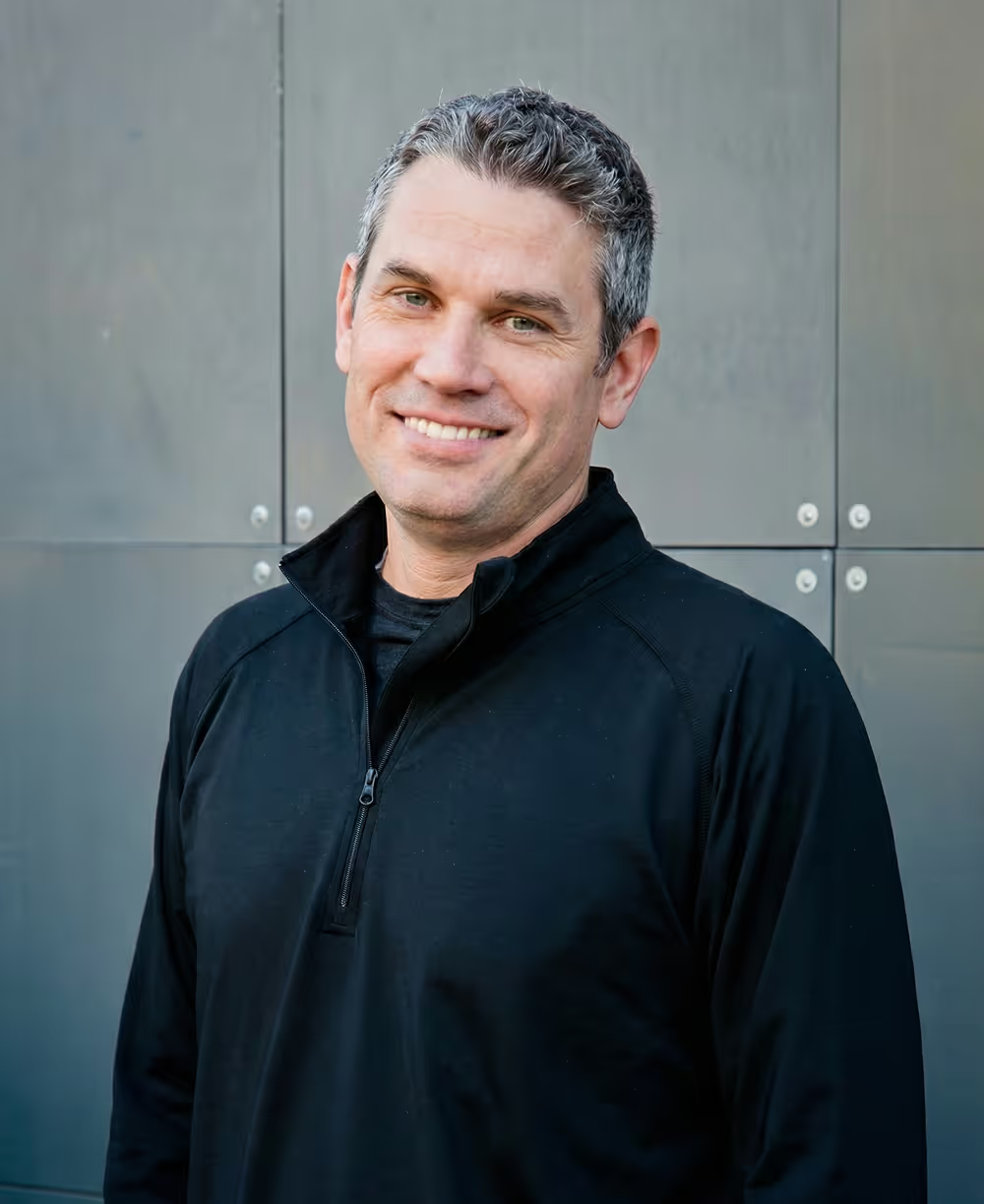
Taylor Cavanah’s next big move was the school run
After more than a decade building PetDesk, Taylor Cavanah stepped away from daily operations to be a full-time dad. His return to work at Blueprint Equity follows a career spent learning when to change the plan.

Dan Engel and the art of answering back
FastSpring began with four founders, $30,000, and customers who wanted someone to listen. Its first CEO, Dan Engel, has carried that lesson from software checkout pages to the venture capital business.
James Hare knows how to start. The trick is starting again.
He helped build eDreams from a shared desk into a listed business. At Us2.ai in Singapore, James Hare is putting his appetite for partnerships, speed and stubborn persistence to work again.

Eric Leaver’s unlikely education in making companies grow
Before PracticeTek, Eric Leaver helped build a consumer brand and trained for Christian ministry. His career keeps returning to a practical question: what makes a business work after the founder leaves the room?

Scott Farquhar and the value of an empty diary
He helped build Atlassian by letting software do the selling. After 22 years as co-CEO, Scott Farquhar is deciding where his time can do the most good.
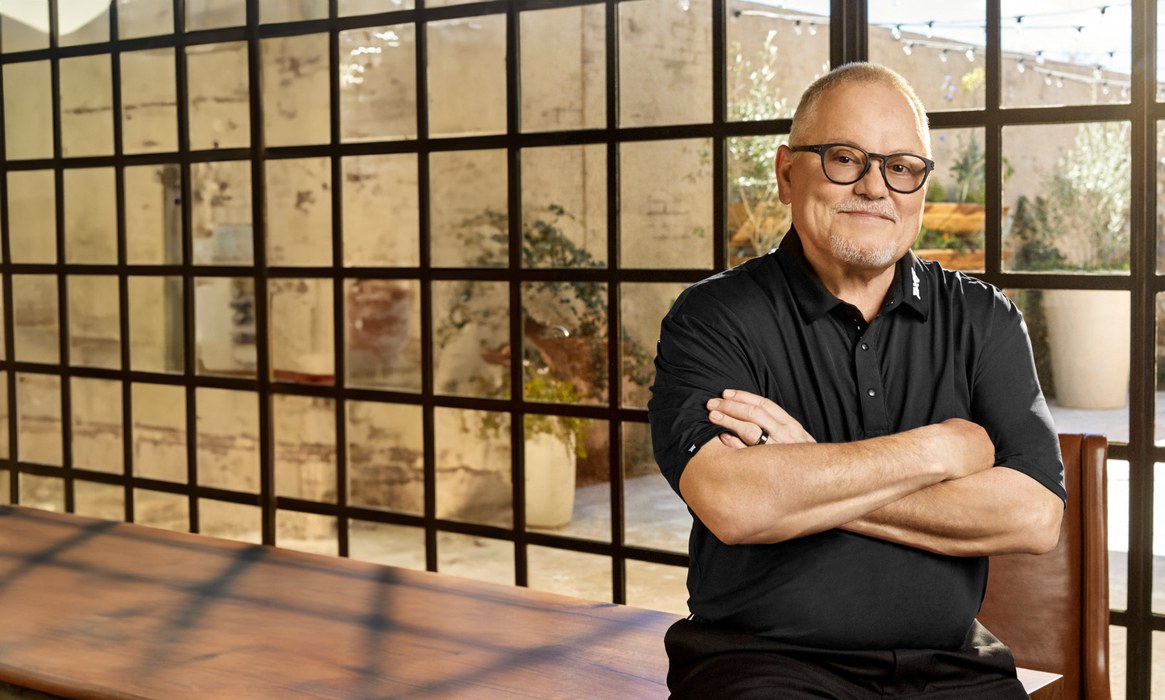
Bob Parsons and the art of being hard to satisfy
He built GoDaddy by getting people to look. At PXG, Bob Parsons turned a golfer’s dissatisfaction into a business - and kept the accountant’s habit of checking the numbers.

Chris Nagy and the quiet arithmetic of change
From FocusVision and the formation of Forsta to Salesloft and Caseware, Chris Nagy has built a career around companies in transition. His most revealing lesson began with the quiet person who understood the numbers.

Jeff Swartz and the distance between data and a decision
From competitive intelligence to Corvium and Nexia, Jeff Swartz has built a career around making information useful. His latest work brings that question to farm resilience and the commercial realities of Ukraine.
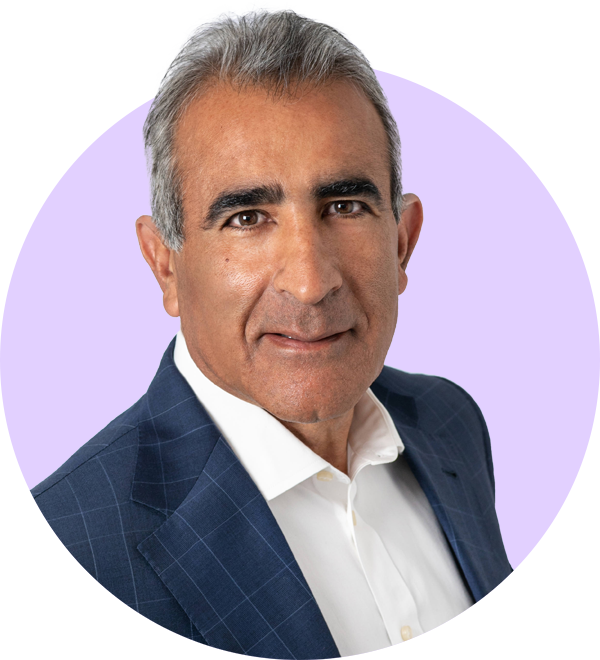
Masood Tayebi and the weekend that came with homework
Before he backed software founders in New Zealand, Masood Tayebi built wireless networks across borders. His investment career carries the same practical question: how do you get all the pieces to work together?
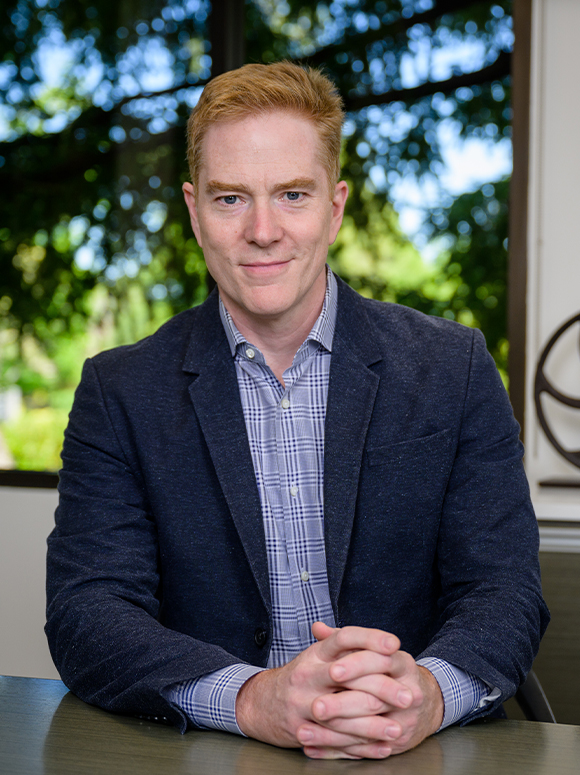
Brian Ruder and the patience behind the product
From cloud software to the co-CEO seat at Permira, Brian Ruder has built a career around what a business can become. His approach puts products, people, and the next owner on the same clock.