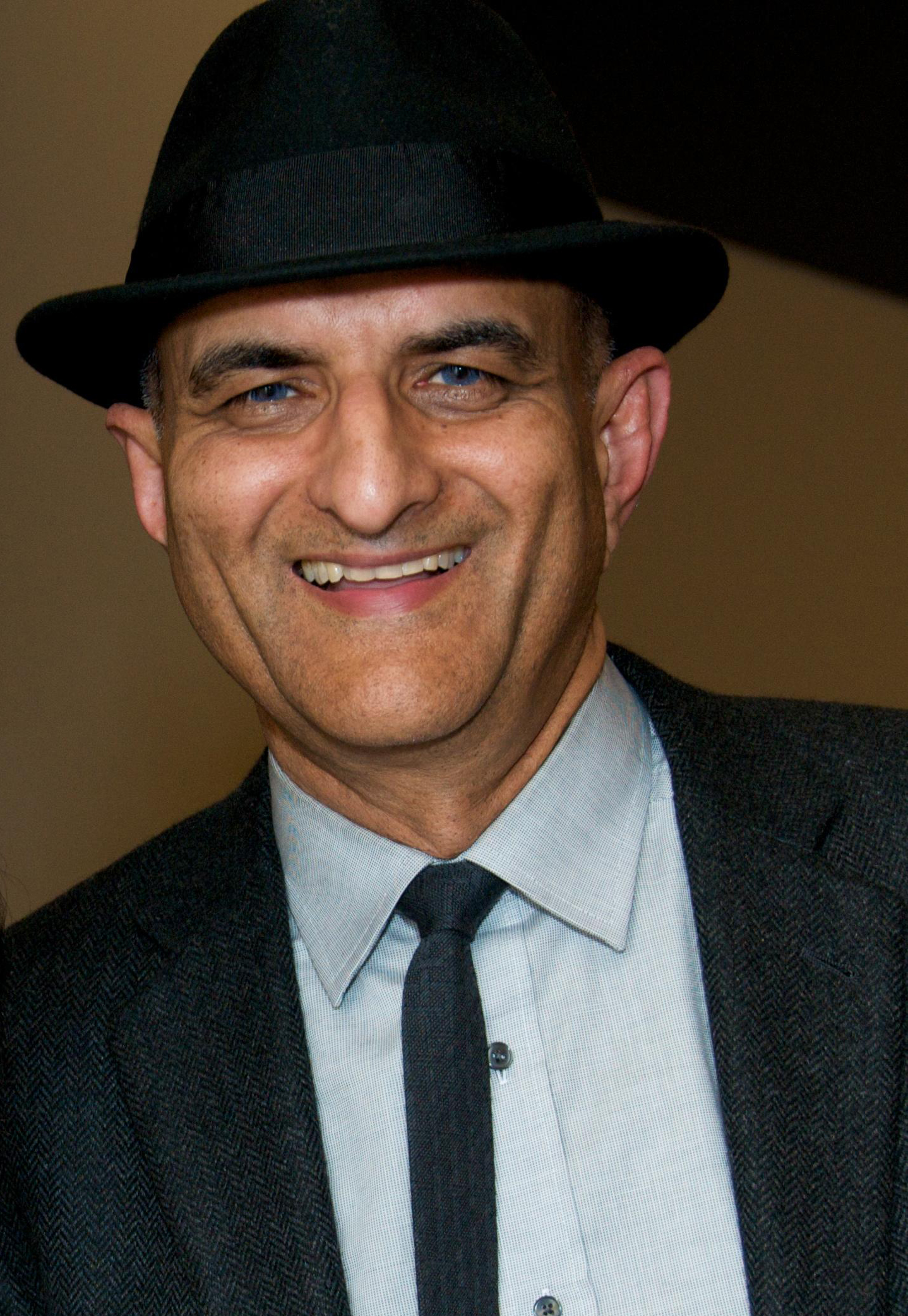
In fall 1975, Ashraf Habibullah walked into a classroom at UC Berkeley Extension to teach a course on structural analysis. He was 28 years old and extraordinarily nervous. There were 187 experienced engineers in the seats. Before he could speak, he picked up the eraser and spent 10 minutes cleaning an already-spotless whiteboard.
Within six weeks, he knew nearly every structural engineer in the Bay Area. Within six months, they were his clients. What started as a teaching experiment became the founding customer base of Computers and Structures, Inc. - the software company that would, over the next half-century, quietly reshape how the world designs its buildings, bridges, and infrastructure.
CSI's tools - ETABS, SAP2000, SAFE, CSiBridge, PERFORM-3D - now operate in offices across more than 160 countries. The structural frames of Taipei 101, One World Trade Center, and thousands of other structures around the globe were analyzed using software that Habibullah built, often at night, after spending his days working regular engineering jobs. That duality - the daytime professional and the midnight coder - ran through the first decade of CSI's existence and defined the company's ethos: rigorous, relentless, utterly practical.
None of that was the plan. Growing up in Pakistan, Habibullah's dream was music. "I never really wanted to be a structural engineer," he has said. "I always dreamed about being a rockstar." His father redirected that energy toward engineering. The musician's impulse never disappeared - it just moved into how he runs a company, sponsors a ballet, and gives speeches that leave engineers re-examining their careers.