growth-marketing
(169)
Xenon gives good software a second act.
A useful software company can outgrow its founder’s appetite for running it. Xenon Partners buys into that gap, bringing capital, operators, and a different definition of success.

Rajiv Parikh had a plan in sixth grade. Then came the interesting part.
An engineering degree, a Harvard MBA and a company of his own: the Position² founder followed his childhood plan. Learning to listen, making room for comedy and teaching a business to remember took a little longer.

Mostafa M. Elbermawy keeps changing where the search begins
From archaeology to NoGood and Goodie AI, the Cairo-raised founder has followed one persistent question: how do people find something worth choosing?

Matt Michaelson’s $100 million case for cats
A Portland childhood, a homemade office desk and a very late batch of cat food. How the Smalls cofounder turned a habit of taking the other direction into a business with room to grow.

NoGood: Fix the friction. Then buy the traffic.
A growth agency with a taste for experiments, a monthly retainer above $20,000 on average, and a useful obsession: finding where the customer gets stuck.
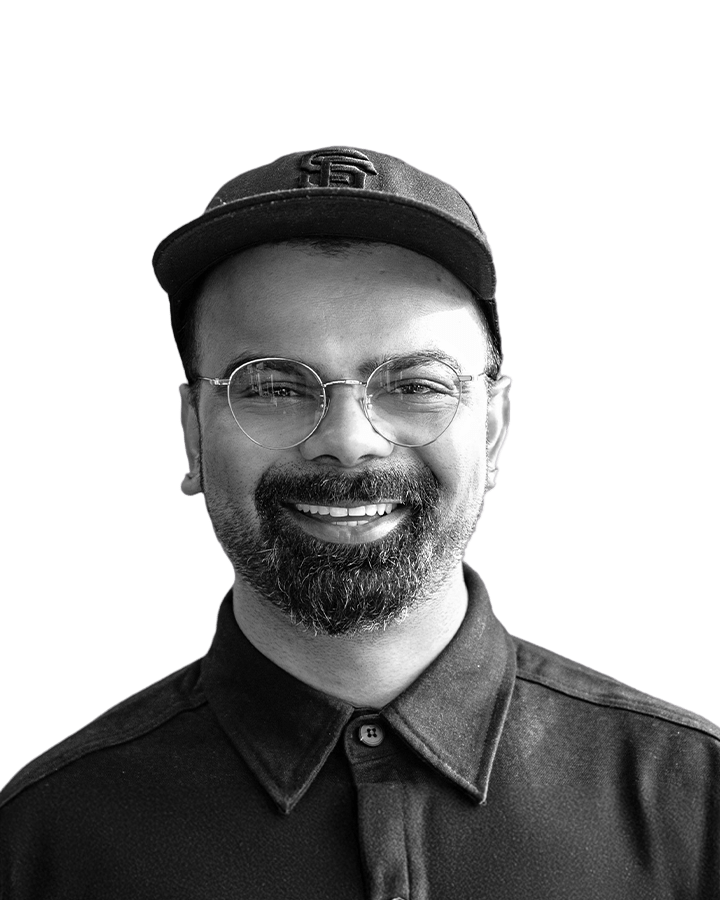
Samar Birwadker and the trouble with a perfect job
A job that looked right on paper sent Samar Birwadker looking for a better way to understand work. Good&Co grew from that mismatch into a business built around the relationships a résumé leaves out.

Position² and the art of counting what counts
A ringing phone can fool a marketing dashboard. Position² builds its growth business around a harder question: which signals actually lead to a sale?

Jon Ward and the second life of a good idea
Jon Ward built pub to make video licensing easier. After it closed, the former college basketball player returned to marketing, carrying a more personal question: how much of yourself should a company get to keep?
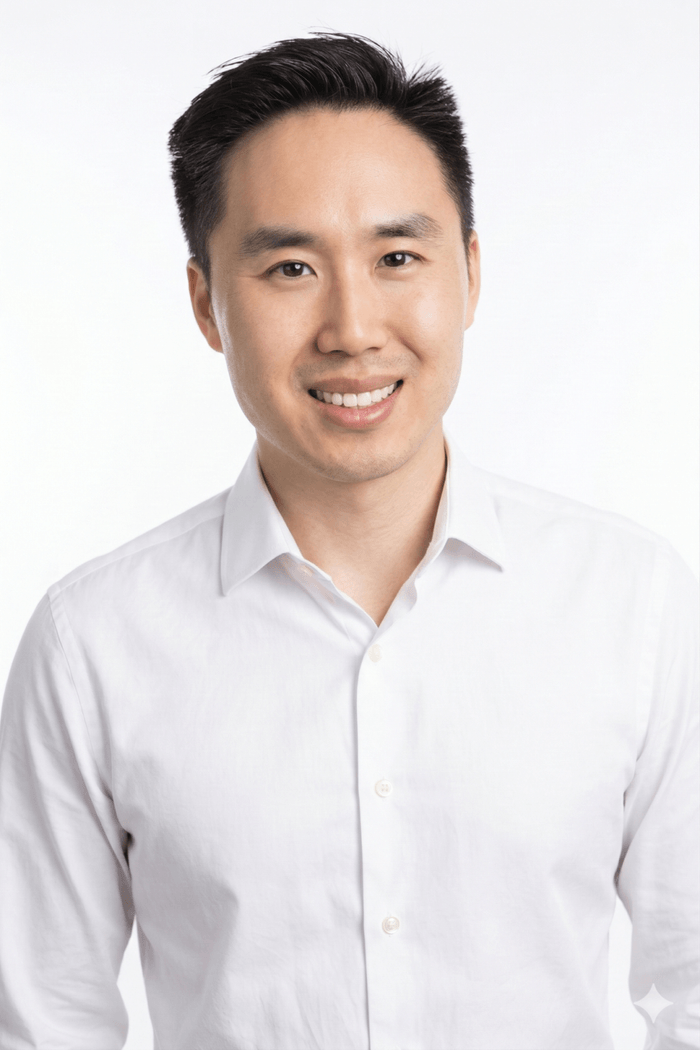
Howard Yeh and the trouble with being good on paper
The Healthcare.com co-founder learned to build financial models before he learned to speak up. Two decades of starting companies later, he is still working on what happens once you get into the room.
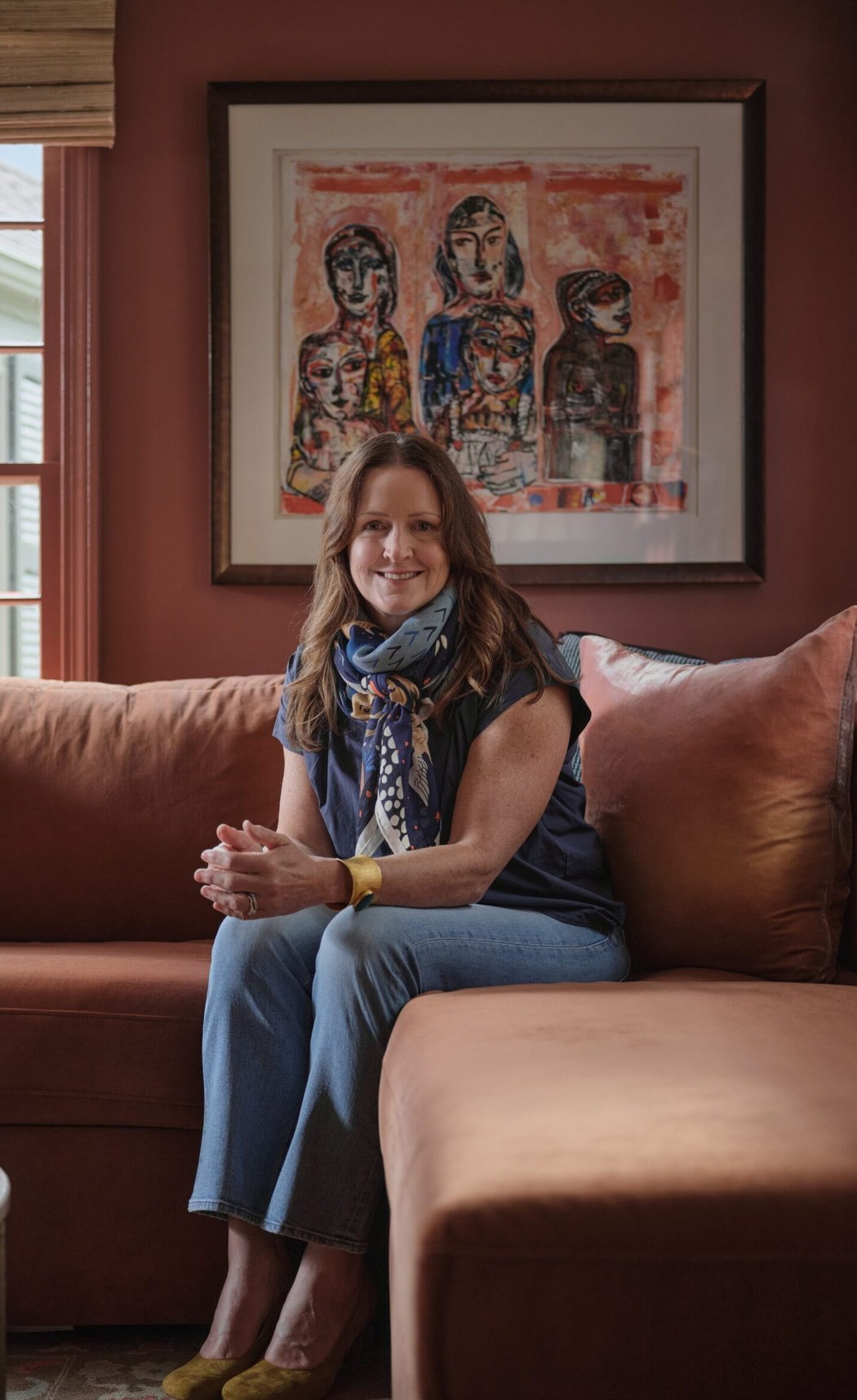
Melany Robinson and the Arithmetic of a Bigger Crowd
A neighborhood yard sale, a name that outgrew its joke, and a career spent making introductions. Inside the practical imagination of Sprouthouse founder Melany Robinson.
Jeremy Gurewitz and the Trouble with Being a Star
Before he co-founded Solace, Jeremy Gurewitz wrote about the people who win applause and the people who keep a company standing. Now he has a larger enterprise to build - and to protect.

Genna Keller and the importance of the small stuff
A department-store gift wrapper became an agency founder, then helped build a new route to funding for women entrepreneurs. Genna Keller’s career keeps returning to the details that make a business relationship work.
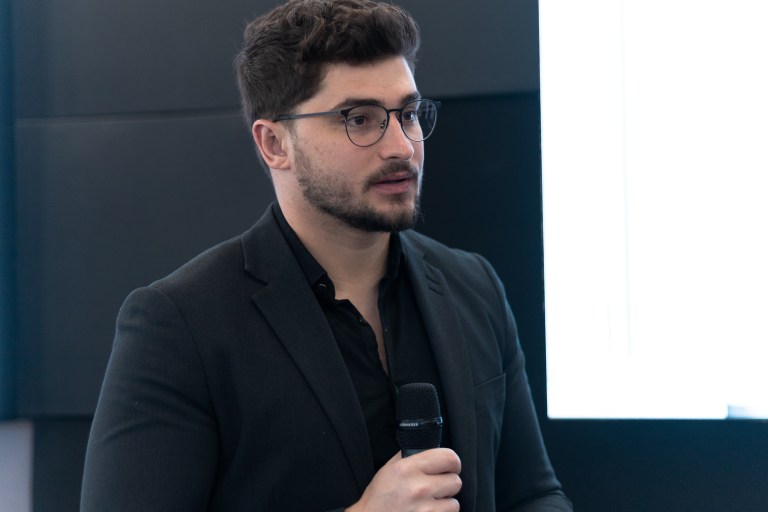
Dener Lippert and the economics of a concert ticket
At 14, Dener Lippert organized a bus excursion to pay his way to a music festival. The V4 Company founder has spent the years since turning the same question into a business: how do you get people to buy?

Afshan Dosani and the Art of Making a Better Case
Before she became Kindra’s co-CEO, Afshan Dosani learned to sell, test, and ask again. Her career traces a practical education in how a business grows - and how people learn to work together.

Jeff Mason and the work after the handshake
Before he became CEO of Power Digital, Jeff Mason knew its founder from Xerox. Their reunion became a test of how to grow a business without making its people feel like strangers.

Gilad Bechar and the Growth That Began With No
Before Moburst could grow, Gilad Bechar had to shrink its client list. His path from mobile specialist to agency builder runs through nine months in Israel, a difficult reset, and a recurring question: what is actually working?
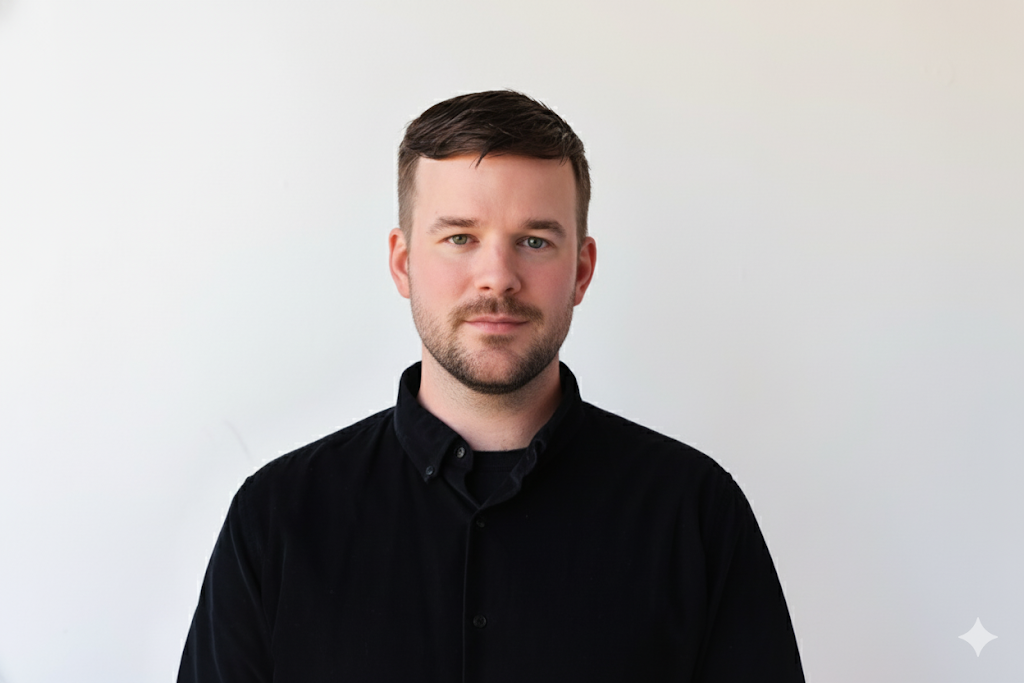
Daniel Pearson and the work before the work
After eleven years leading Bamboo, Daniel Pearson went looking for another problem worth solving. With Wideframe, he and longtime friend Zachary Kim are tackling the hours of preparation that stand between video editors and their craft.
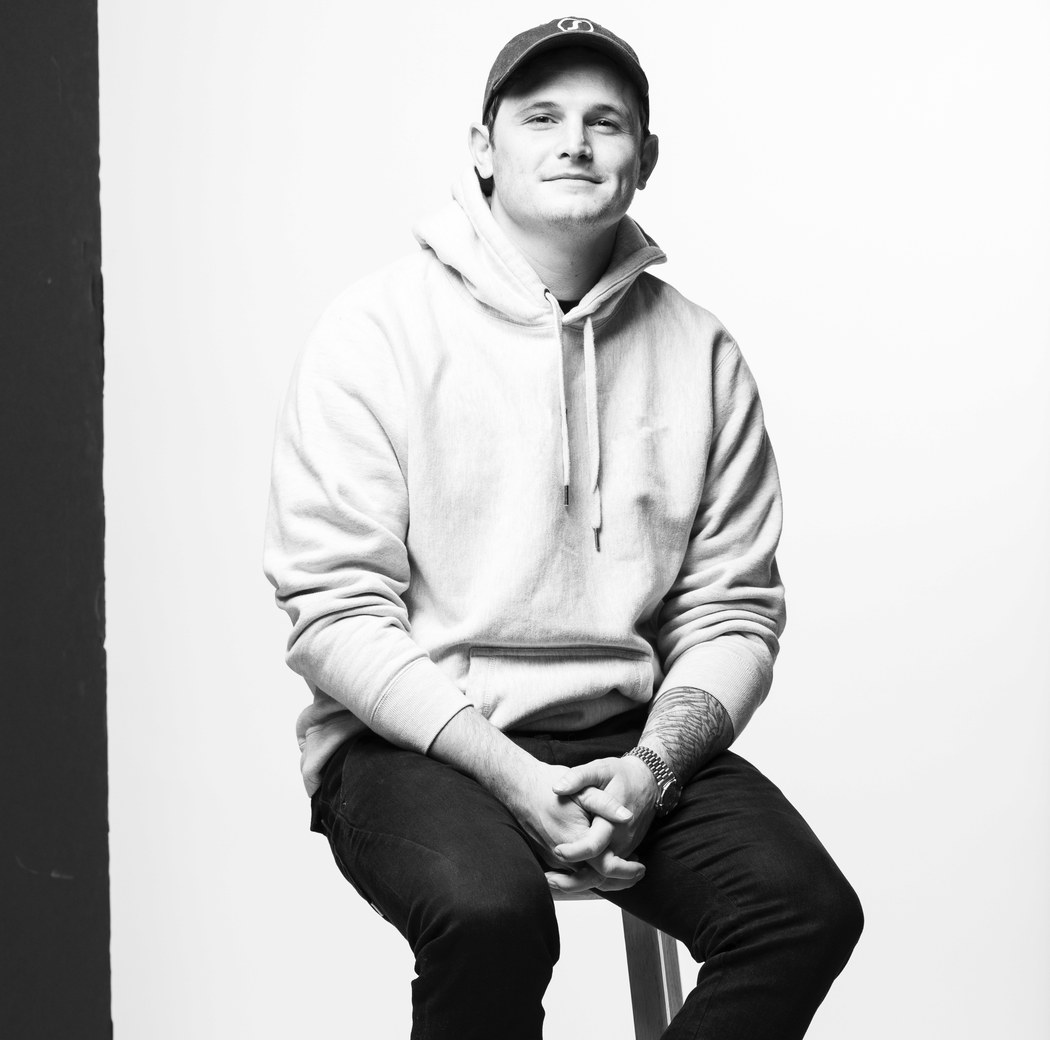
Zack Holland’s unfinished business
From a neighborhood directory to SelectFew and Averi, Zack Holland has spent his career connecting people with the work they want to do. His next chapter includes Talvi, a writing habit, and a $100 laptop with very few distractions.
Good marketing starts with a better question.
Marketing Against the Grain turns HubSpot’s working marketers into a public classroom. Its most useful lessons begin where the tidy success story falls apart.
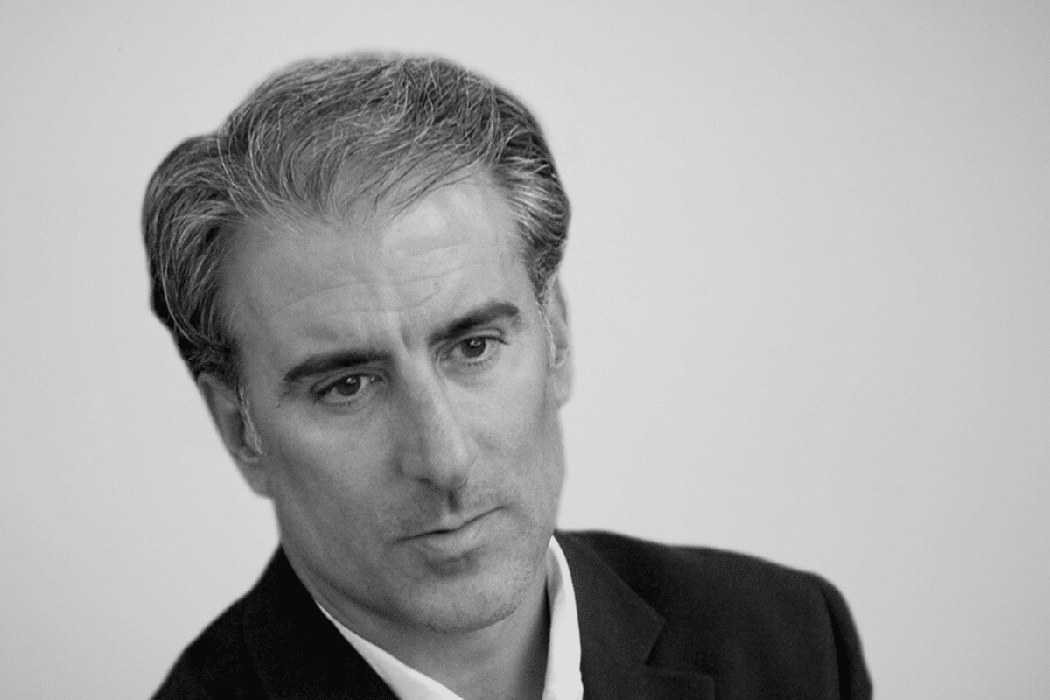
Dean Trevelino and the distance a reputation travels
Dean Trevelino left the global agency circuit to build a firm with Genna Keller. Two decades later, the ultrarunner is still testing how far a reputation can travel - from a restaurant launch to an AI-generated answer.

Joanna Lord and the Strange Luxury of Starting Small
After five CMO seats and two decades scaling other people's companies, Joanna Lord is building one careful black jumpsuit in Miami. The smaller canvas has made her ambition more exact, not less.
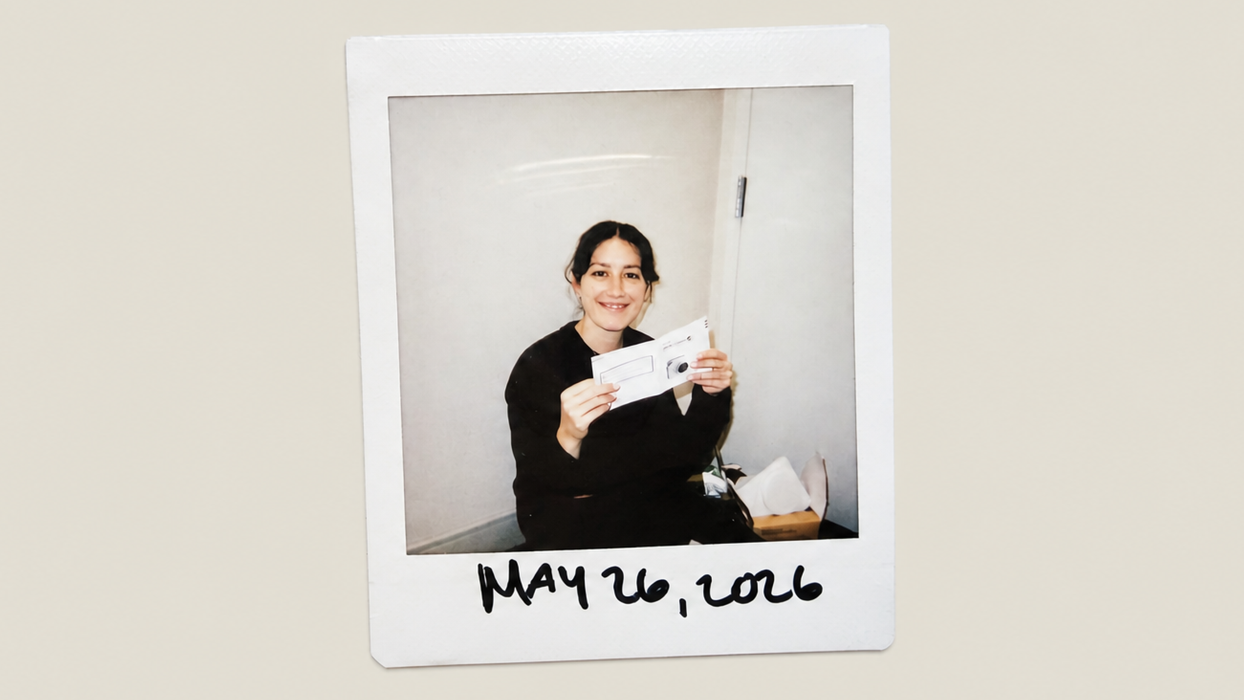
Kendall Warson Learned to Sell the Invisible
She trained in fashion, filled rooms with immersive art, and cold-pitched hundreds of investors. Now Kendall Warson is applying a curator's eye to one of business's least glamorous problems: getting invoices paid.

The Design Firm That Learned to Sell the Invisible
Savage Brands began with a woman who refused to be paid like a secretary, survived a technology bet that did not, and became a second-generation experiment in making corporate belief useful.

The Agency That Put Reputation Back Into the Funnel
Most agencies choose between attention and attribution. Trevelino/Keller spent two decades arguing that reputation belongs inside the revenue machine - then bought the missing machinery.

The Marketing Department You Rent Before You Can Afford to Build One
Catalyst Marketing Agency built its business around a peculiar gap: the moment a growing company needs an entire marketing department but can justify only one more salary. Its answer is a team that behaves less like a vendor and more like borrowed infrastructure.

The Agency That Wants to Make Itself Less Necessary
SalientMG built a business by noticing that startups rarely suffer from a shortage of marketing activity. They suffer from doing the right things in the wrong order.

The Agency That Bet the Slash Would Disappear
120/80 GROUP started by choosing a niche most agencies treated as a side room. Then digital health swallowed the building - and the firm reorganized around what came next.

The Agency That Learned a Good Story Still Needs a Checkout Button
Sprouthouse began by winning attention for restaurants in cities the national press often flew over. Fourteen years later, it is betting that the useful agency is the one that can connect the mention, the click and the booking.
The Marketing Agency That Starts With the Clients You Already Have
Craft Impact built an RIA marketing business around a distinctly unflashy idea: before buying strangers, become more useful to the people who already trust you.

The Little Agency That Chose a House Over the Cloud
Cookson learned two opposite lessons from the pandemic: geography matters less, and rooms matter more. Its answer is a 150-year-old Manchester house where public relations, design and digital marketing share the same staircase.