physical-intelligence
(13)
What One Robot Can Teach Another
Quan Vuong helped bring robot data from many laboratories into one learning project. At Physical Intelligence, he is pushing the same question further: how much can a machine learn from the experience of others?

Sergey Levine and the Robot That Has to Do It Again
He came to robotics through computer graphics, then spent a decade asking a deceptively plain question: how can a machine get better at doing things by actually doing them? At Physical Intelligence, that question now has robot arms, coffee orders and chocolate boxes attached.

Brian Ichter Has Spent His Career Teaching Robots What to Do Next
He began with motion planning at Stanford, helped connect language to robot action at Google, and now co-founded Physical Intelligence. The common problem is deceptively domestic: can a machine handle the next room, object, or instruction?

Karol Hausman and the Problem of Teaching Robots to Learn
A Star Wars fascination led a student from Koszalin into the question that still troubles robotics: how does a machine handle an ordinary room it has never seen? At Physical Intelligence, Hausman is betting on experience, shared models, and a great many imperfect attempts.

Adnan Esmail and the Problem That Followed Him Into Every Machine
A coffee that ran six hours took Adnan Esmail from Tesla to a barking airport hangar. Now the Physical Intelligence co-founder is trying to give robots something his old machines lacked: a reusable way to learn the physical world.

Chelsea Finn Wants Robots to Learn the Next Thing
A childhood LEGO robot led to a larger question: why must every machine learn each chore from scratch? From a 2017 meta-learning paper to Physical Intelligence, Chelsea Finn has spent her career trying to make experience travel.

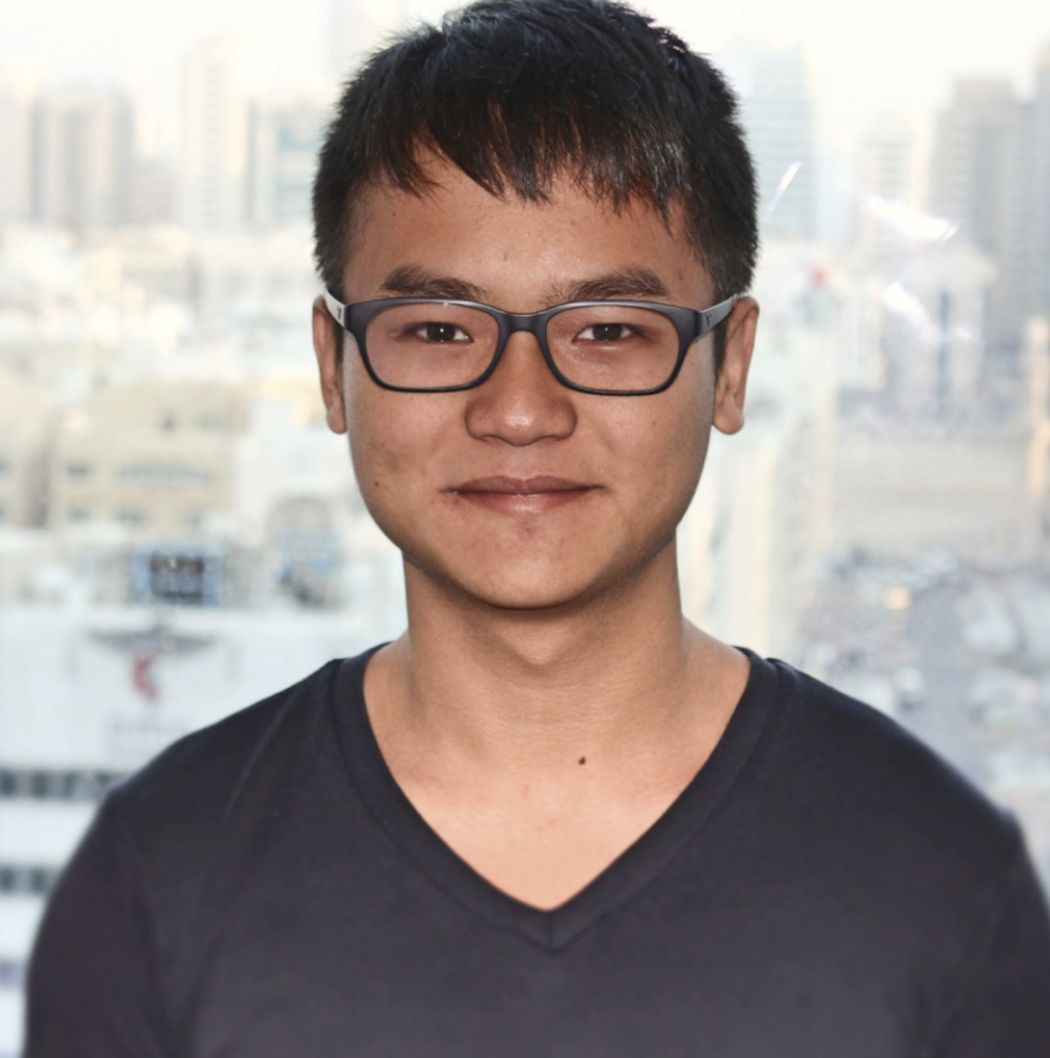
Vikram Pavate
Vikram Pavate is the CEO and co-founder of Tacta Systems, a Palo Alto robotics company building 'Dextrous Intelligence' - a fusion of AI, software and tactile hardware meant to give robots human-like touch, spatial awareness and manipulation skills. A hard-tech operator with roughly three decades in advanced materials and hardware, he trained as a ceramic and materials engineer, earned an MBA from Wharton, and holds dozens of patents. Before Tacta he co-founded and ran the sensing and location startup Locix, and led business development at LuxVue Technology, the micro-LED display pioneer acquired by Apple in 2014. In June 2025 Tacta emerged from stealth with $75 million in funding to bring physical dexterity to machines.
Tacta Systems, Inc.
Tacta Systems is a Palo Alto robotics startup building 'Dextrous Intelligence' - a smart nervous system that combines proprietary software, hardware and AI to give robots human-level tactile skills and spatial awareness. Founded by serial hard-tech entrepreneur Andreas Bibl (whose previous company LuxVue was acquired by Apple), Tacta aims to let robots sense, adapt and manipulate the physical world with human-like precision and speed, automating factory work and grueling physical labor. The company emerged in 2025 with $75 million in seed and Series A funding.
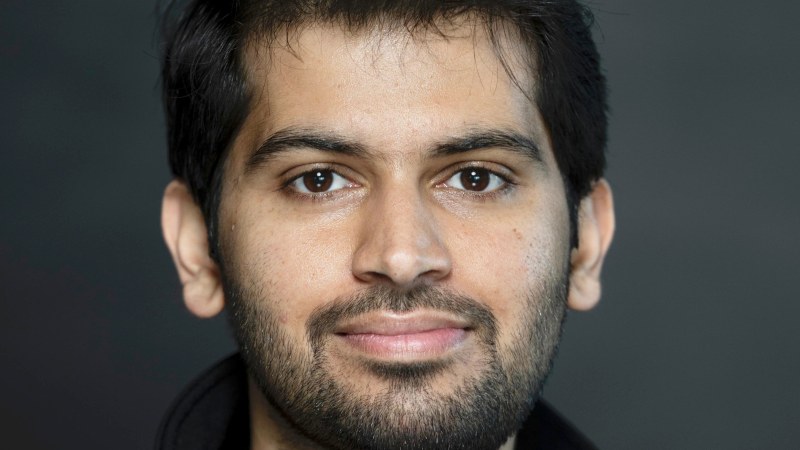
Deepak Pathak
Deepak Pathak is the co-founder and CEO of Skild AI, the Pittsburgh robotics company building a single general-purpose 'brain' that can run any robot from a quadruped to a humanoid. A Raj Reddy Associate Professor at Carnegie Mellon, he earned a gold medal at IIT Kanpur and a PhD at UC Berkeley before betting that physical intelligence, not language, is the real path to AGI. In January 2026 Skild raised $1.4 billion at a valuation north of $14 billion, backed by SoftBank, Nvidia, and Jeff Bezos.

Kevin Spain
Kevin Spain is a General Partner at Emergence Capital, one of Silicon Valley's leading early-stage enterprise technology venture firms. A native Texan who cut his teeth founding atMadison.com after winning the inaugural Wharton Business Plan Competition, Spain brings an operator's instincts to his investing — shaped by stints at Electronic Arts (where he helped launch the online gaming division) and Microsoft's Corporate Development group. At Emergence, he has led landmark investments including Doximity (NYSE: DOCS, ~$10B market cap), Blend (NYSE: BLND), and Augmedix (NASDAQ: AUGX), and sits on the Doximity board. More recently he has focused on physical robotics, AI-native services, and healthcare GenAI, with positions in Physical Intelligence and Bedrock Robotics.

Jill Chase
Jill Chase is a General Partner at CapitalG, Alphabet's independent growth-stage venture capital fund, where she leads investments in AI/ML, data infrastructure, and enterprise technology. A former startup founder (Y Combinator S17) and private-equity-backed CEO turned investor, she joined CapitalG in 2020 with a deliberate AI-first thesis - years before the sector exploded - and has since backed category-defining companies including Rippling, Physical Intelligence, LangChain, Baseten, and Canva. In January 2026, CapitalG promoted her to General Partner, the first such promotion in the firm's history.

Seth Berman
Seth Berman co-founded Susa Ventures in 2013 and has since backed 10 unicorns across roughly 100 seed-stage investments, including Robinhood, Flexport, and Expanse. He brings an unusual background to venture capital - nearly a decade as VP of Strategic Marketing at Richemont Group (Cartier, Net-A-Porter, Montblanc) - giving him a luxury-brand consumer lens that shaped Susa's focus on distribution, compounding moats, and founder-market fit. He has since launched Kivu Ventures, a Series A/B fund targeting vertical AI, healthcare, and logistics, with investment partners including Frame.io co-founder Emery Wells and Pinterest co-founder Paul Sciarra.

Lachy Groom
Lachy Groom is an Australian-born serial entrepreneur turned Silicon Valley solo capitalist who built and sold multiple companies before turning 18, spent 6+ years as employee #30 at Stripe rising to Head of Stripe Issuing, then became one of tech's most prolific angel investors (200+ companies including Figma, Notion, Ramp, OpenAI, Anduril) before co-founding Physical Intelligence in 2024 - a robotics AI company building general-purpose foundation models for robots that has since reached a $5.6B+ valuation.