fractional-cmo
(63)
Art Saxby and the value of an empty chair
After years inside Frito-Lay, Kellogg’s and Coca-Cola, Art Saxby found his opening in the companies that could not afford him full time. Chief Outsiders grew from that awkward gap between a CEO’s ambition and the people available to carry it out.

Stop buying marketing by the piece.
Duct Tape Marketing sells a different starting point: find the constraint, write the strategy, and give the business a system it can own.

David Mink and the Business He Learned Between Classes
Before he ran Avalaunch Media, David Mink was a law student answering mattress orders in empty classrooms. His career has been a long attempt to make marketing work better for the person paying for it.

Vic Noble Built a Career by Making the Complicated Feel Human
She spent decades turning regulated, technical products into brands people could recognize. Now the former Shire executive is applying the same instinct to independent advising, board service and the stubbornly human business of connection.

Joanna Lord and the Strange Luxury of Starting Small
After five CMO seats and two decades scaling other people's companies, Joanna Lord is building one careful black jumpsuit in Miami. The smaller canvas has made her ambition more exact, not less.

Avalaunch Media Found the Missing Middle Between a CMO and a Campaign
Most agencies sell hands. Consultants sell advice. Avalaunch built its pitch around the awkward space between them - then joined Amplēo to make that space its main business.

The Small Agency That Made Measurement Its Main Character
The Shepherd Group began with writers and production people. Three decades later, it sells something harder to package: a chain of evidence from the first question to the final business result.

The Client Crossed the Table - and Built the Agency He Could Never Find
After three decades buying agency work, Joe Toubes knew exactly what was missing: people who understood the business before decorating the message. His answer was a small B2B firm built to sit unusually close to the client.

The Marketing Agency That Began as a Volunteer Habit
A mentor asked Andrew Exler why the work he did for free was not already his job. Six years later, the answer had become a full-service agency built for organizations too small for a giant marketing department and too ambitious to wing it.

The Marketing Department That Refused to Stay Outside
Crux KC found a lucrative space between the expensive executive and the disconnected agency: put the strategist inside the room, then bring the whole department with them.

The Agency He Couldn’t Hire
Jose Escalera went looking for a marketing partner and found a market full of specialists. So he bought a 1973 agency and began rewiring it around one unfashionable idea: all the parts should talk to one another.

The $1.1 Million Bet Against the Old Agency Clock
C-360 began as a public-relations shop. Then it renamed itself, bought into an AI strategy engine and tried to make the agency clock run from months to weeks - without removing the people who know why a message matters.

The Agency That Refuses to Learn Your Industry on Your Dime
Most agencies bill you while they learn the category. Seroka built a business around skipping that chapter - and turning four decades of mortgage fluency into a practical head start.

The Quiet Crew Behind Tech’s Noisiest Moments
Red Fan Communications does its best work before the bell rings, the deal closes, or the crisis lands. Its product is not publicity so much as preparedness - a senior team, a shared story and fewer ways for an important moment to go sideways.

The Sacramento Agency That Turned 100 Franchise Openings Into a Marketing System
DTMA began as a relationship-driven creative shop. Its more interesting second act is a lesson in operational leverage: automate the agency, standardize the launch, and let local businesses borrow an entire marketing department.

Bhava Found a Better Way to Launch Tech: Prove the Problem First
A small San Francisco agency has spent 15 years translating difficult technology into stories people can repeat. Its neatest trick is simple: before announcing the answer, prove the problem is real.

Parcon Put a Marketing Department Behind the Fractional CMO
The Orange County firm has a tidy answer to fragmented marketing: pair a virtual CMO with the people who buy the ads, make the content, shape the message and fix the path to purchase.

Never Enough asks who’s keeping your brand’s promises
A marketing consultancy with a recruiter’s instincts, Never Enough connects the stories companies tell with the experience of working for them. Its founder’s projects move from mobile ads to employee podcasts - with a lot of listening in between.

BABCO wants your brand to catch up with your product
The product works. The market still needs convincing. Olivia Batraski’s design studio works in that awkward gap, where a name, a website, and an empty state can all make the same company easier to believe.

Michael Taylor Draws a Straight Line Through Complicated Business
The Atlanta fractional CMO has spent three decades turning dense professional services into propositions people can see, remember and buy. His tools range from dashboards and productized offers to an unexpectedly serious devotion to doodling.

Kay Kienast Built a Career for the Moment the Marketing Plan Stops Working
From consolidating a seven-distributor channel to teaching AI-era teams to recognize the right buyer sooner, Kay Kienast has made a specialty of marketing when the company, the market, or both are in motion.

Alina Dykuha Turns Marketing Into a System People Can Actually Use
From chatbot flows to conference floors, the Ukrainian marketing executive has built a career around one practical question: how can a complicated system become useful to a real person?

Michael Letschin Learned Marketing From the Server Room
Before he shaped campaigns, Michael Letschin designed data-center systems. That technical apprenticeship still defines his work as a fractional CMO: get close to the product, listen to the customer, and make the complicated useful.

Kevin Rockmael Has Spent a Career Marketing the Thing Education Cannot Buy: Trust
Across Kaplan, Guild, Sounding Board and now Proctorio, the fractional CMO has kept returning to one difficult brief: make institutions more useful, more credible and more open to the people they routinely overlook.

Elizabeth Abrams Sells the Least Fashionable Thing in AI: Proof
The Greenwich-based fractional CMO has built a career around a stubborn corporate problem: getting people to trust, understand, and actually use new systems. At Sequentum, that assignment has become a message for the AI era - evidence before enchantment.

Christel Billault Planned a Pause. Then Mentoring Changed the Plan.
After 25 years in B2B SaaS, Billault set out to trade the operating cadence for advisory work, family travel and a little French sunshine. An unexpected invitation from Chronus turned the pause into a new chapter in mentoring and HR tech.
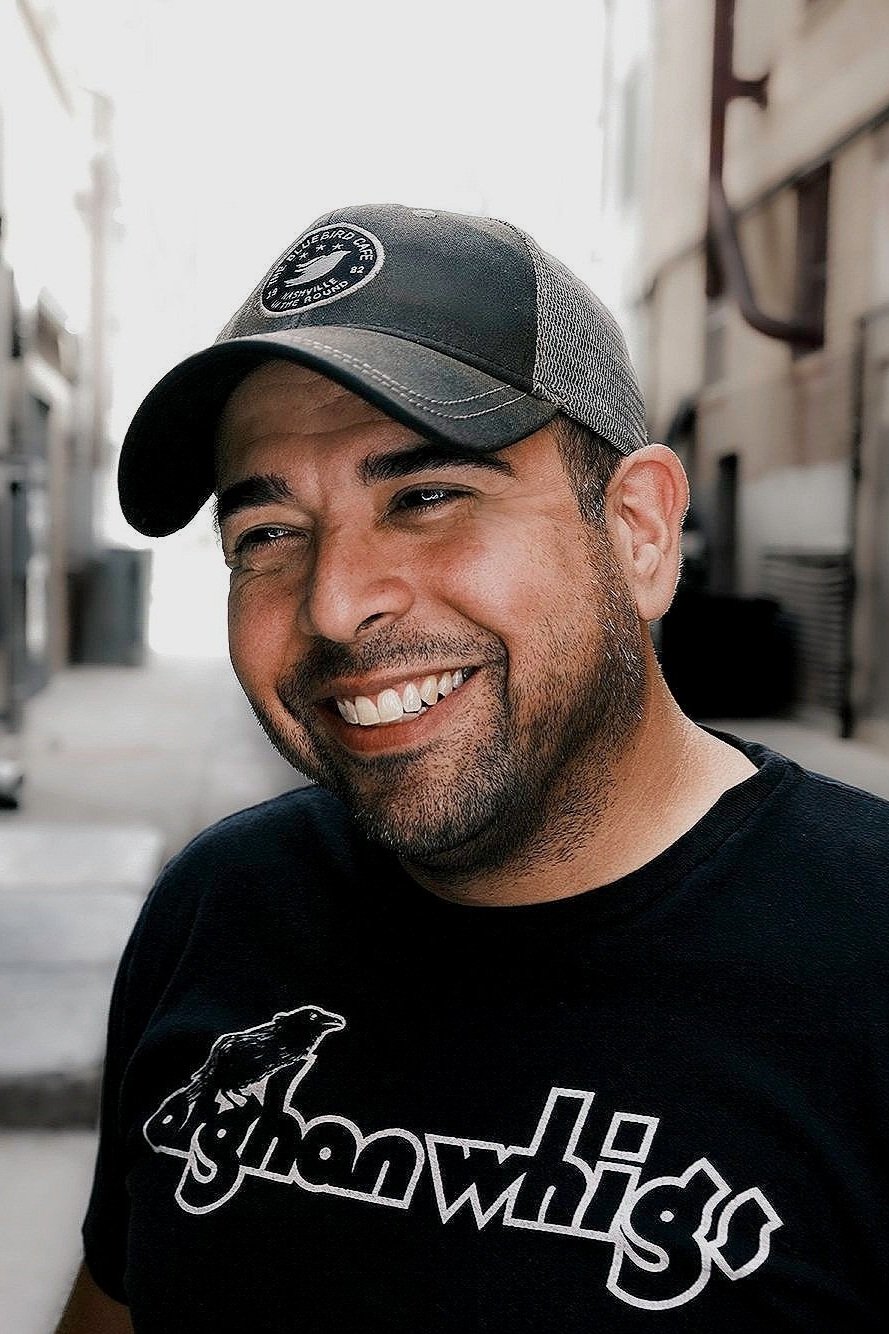
David Cardiel Builds Marketing That Can Take a Punch
Across two decades of B2B software, the Austin executive has kept returning to the same unfashionable idea: marketing should be useful, measurable and sturdy enough to survive the boardroom.

Tracy Pullman Took the Layoff Personally - Then Built the Job She Had Never Planned to Want
A pub job led her to HTML, HTML led her to Apple, and a layoff led her somewhere stranger: into a business of her own. Tracy Pullman’s career is a study in doing the uncomfortable thing before certainty arrives.

Christina Mautz Builds Marketing Around the Customer, Not the Fashion of the Moment
Across Yahoo, Amazon, Moz and a succession of Seattle startups, Christina Mautz has kept returning to one unfashionably durable idea: growth begins with understanding the customer.

Neely Thomson Is Building Marketing Departments Designed to Run Without Her
After two decades in software, nonprofits and fintech, the Atlanta operator has made an unusual promise: in 90 days, the client should own the system - and the consultant should be able to leave.