taiwan
(37)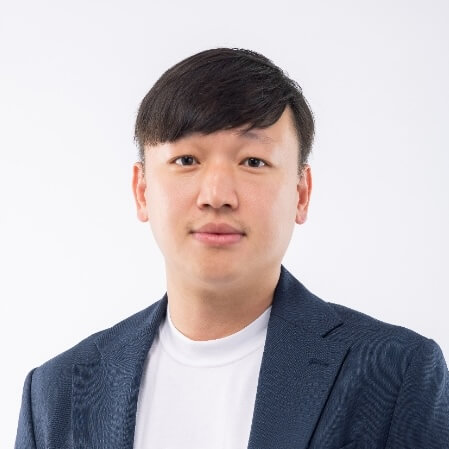
Rob Kuo and the business of a second helping
A video can win an audience. A cup of tea has to win it again. PressPlay co-founder Rob Kuo has built his career around the distance between the two.
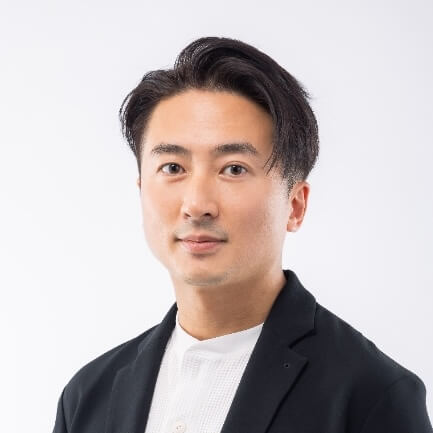
Dennis Lin and the customer who could leave
Dennis Lin (林鼎鈞) helped turn creator subscriptions into PressPlay Academy. Along the way, the customer with a cancel button taught him to rethink what a learning business owes its audience.
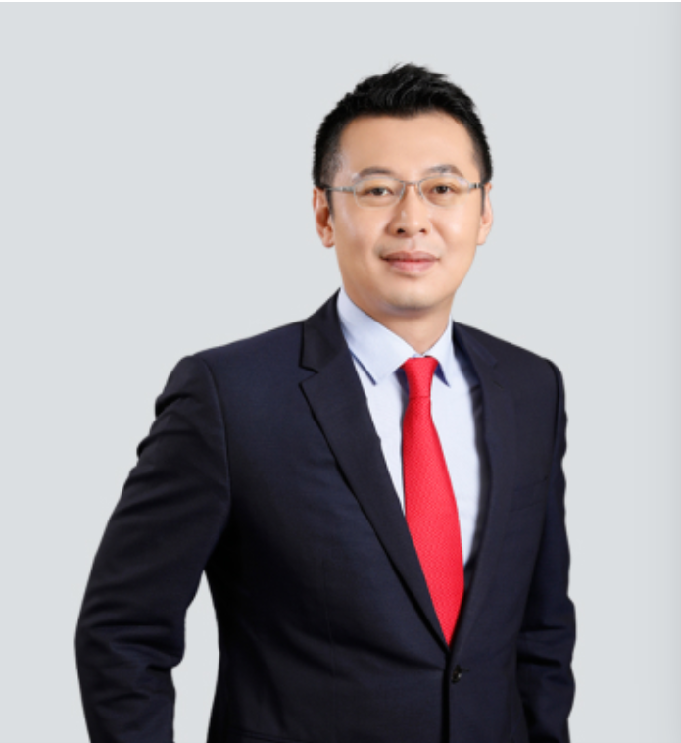
Johnson Lee and the case for a little competition
The E Ink CEO built a business around displays that know how to sit still. His more surprising move was helping other companies compete.
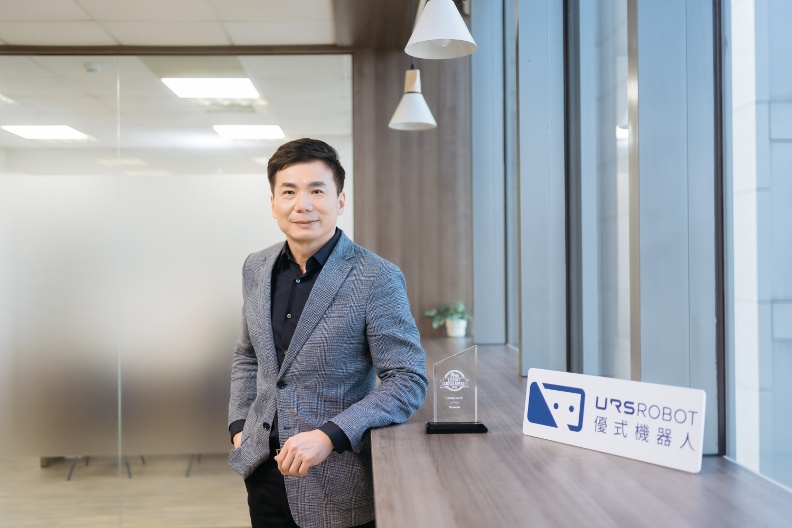
Stephen Chen and the surprisingly difficult business of cutting grass
After a career in phones, Stephen Chen built a robotics company around a job that never stays finished. His second act at URSROBOT begins with a lesson from an earlier attempt: find the work before building the machine.
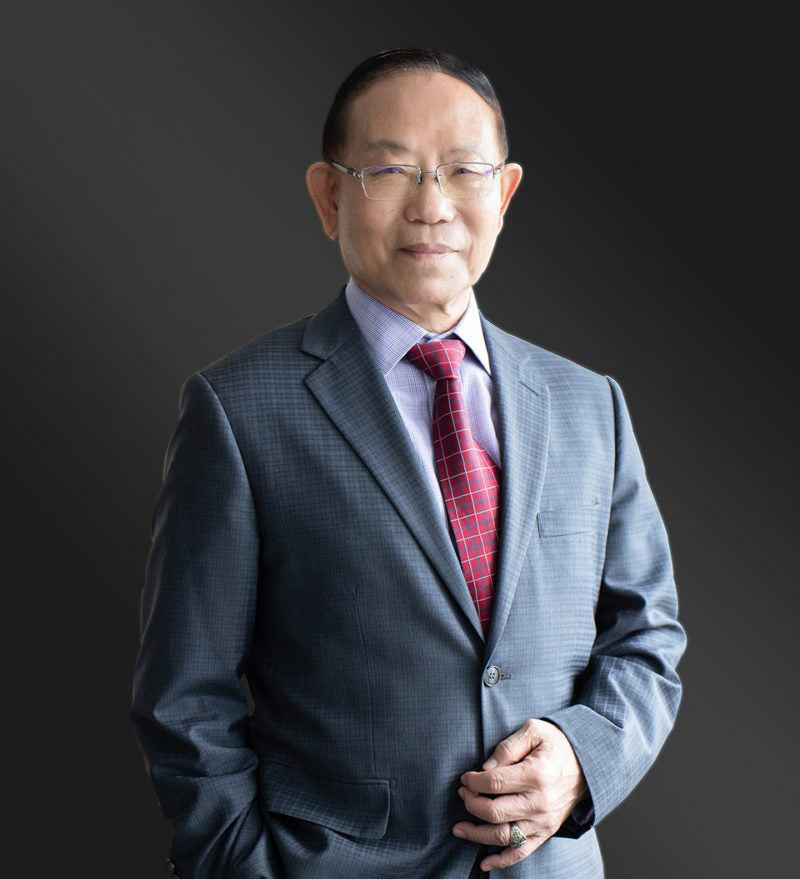
Augie Lien and the Art of Starting Again
He stepped away from Cardiva’s CEO desk years before its acquisition. With Aulisa, Augustine “Augie” Lien began another chapter, drawing on a career that connects Taiwan, Silicon Valley and the practical work of building companies.
Foxconn makes AI a factory job
The company behind the iPhone is putting its manufacturing machine to work on AI servers. Its real product has always been the ability to make something complicated, again and again.
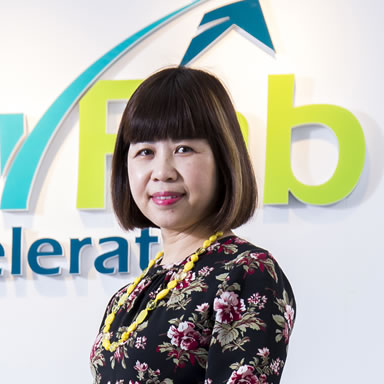
Amanda Liu and the Distance Between an Idea and an Order
Before founding StarFab, Amanda Liu worked inside Taiwan’s technology industry. Her next undertaking was to help startups reach the companies that might actually buy what they built.
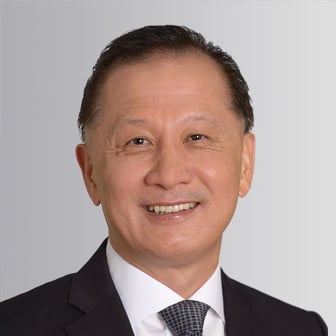
Lee Chen’s other networking problem
He helped build three networking companies. Along the way, Lee Chen learned that the difficult connections were often between people - and that even engineers had to answer the customer.
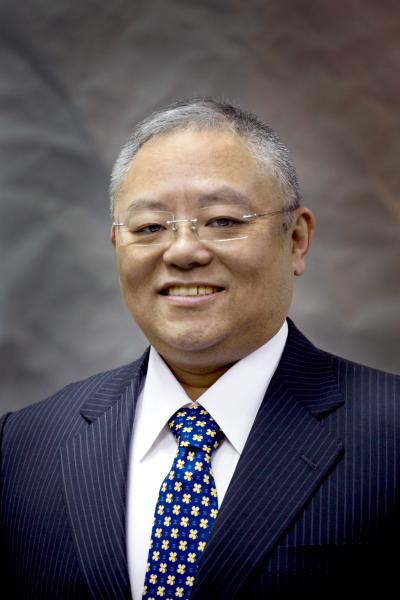
Sidney Lu and the education of a connector
He left Taiwan for Illinois, built a career in the parts that connect electronics, and returned to help rebuild the place that taught him. Sidney Lu’s story runs through factories, classrooms and a debt to his mother.

PressPlay makes influence pay.
A loyal audience can buy a lesson, a cookie, or a cup of tea. PressPlay built a business around helping creators earn the next purchase.
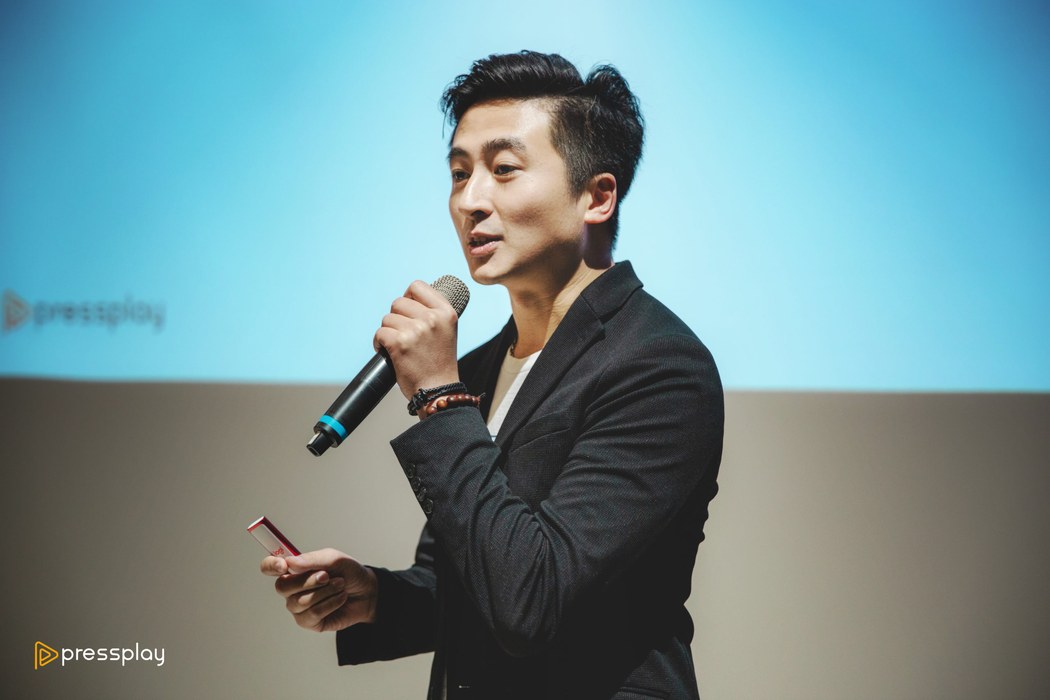
DennisTC Lin and the price of paying attention
A fan can applaud once. A learner needs a reason to return. PressPlay co-founder DennisTC Lin built his business around that difference, from creator subscriptions in Taiwan to a new chapter with KKCompany.
iKala found its future in the bandwidth bill
An online karaoke business became an enterprise AI company by following the expensive part of its own success. Now iKala sells the plumbing behind smarter searches, marketing decisions and everyday work.
Dimerco knows what happens before takeoff
The Taiwan-born freight forwarder has built its business around Asia’s exacting manufacturers. Its most revealing lesson involves semiconductor equipment, a damaged crate, and a few lengths of timber.

MoBagel and the art of making AI earn its keep
A failed marketing model, a motorcycle-parts seller and a shipping forecast reveal MoBagel’s practical wager: AI becomes useful when it changes a decision someone already has to make.
Jmem Tek and the secret a chip does not have to keep
The Taiwanese chip designer turns tiny manufacturing differences into device identities, then pairs them with post-quantum cryptography. Its wager: protecting the key matters as much as choosing the algorithm.
Mosaic Venture Lab wants your startup on the factory floor
The Taipei venture firm connects East Asian technology teams with industrial buyers. Its real test is what happens after the introduction: a pilot, a production partner, or a customer willing to pay.
i2i Opens the Doors Between Startups and Industry
Taiwan’s Innovation to Industry turns incubator space, government programs and corporate introductions into a route to market. Its international work gives founders a practical test: who, exactly, is ready to buy?
StarFab Makes the Customer Pitch First
Taiwan’s corporate accelerator starts with a company’s problem, then finds a startup that can solve it. From vending machines to vehicle data, the interesting work happens after the introductions.
ASUS keeps giving the PC a new shape
From a $399 netbook to a laptop with two screens, ASUS has made a business of moving the computer off its usual perch. Its next challenge is making ambitious hardware easier to own.
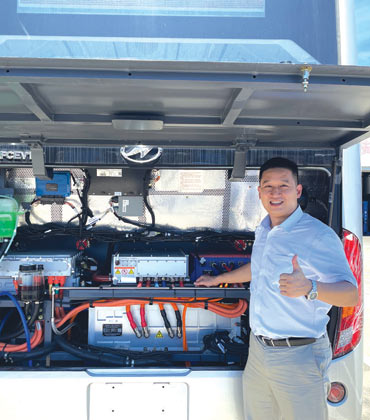
Mark Huang Bet on Hydrogen Before the Current Arrived
The YC Synergy founder spent years fitting fuel cells into boats, buses and factories. His wager is refreshingly concrete: hydrogen earns its place by solving the awkward problems the rest of the grid leaves behind.
The Company That Builds Your Laptop and Never Puts Its Name On It
It is the world's #2 notebook maker, ships Apple Watches when demand spikes, and quietly assembles the laptop on your desk. Now Compal wants 40% of its revenue to come from AI servers - and its name still won't be on the box.
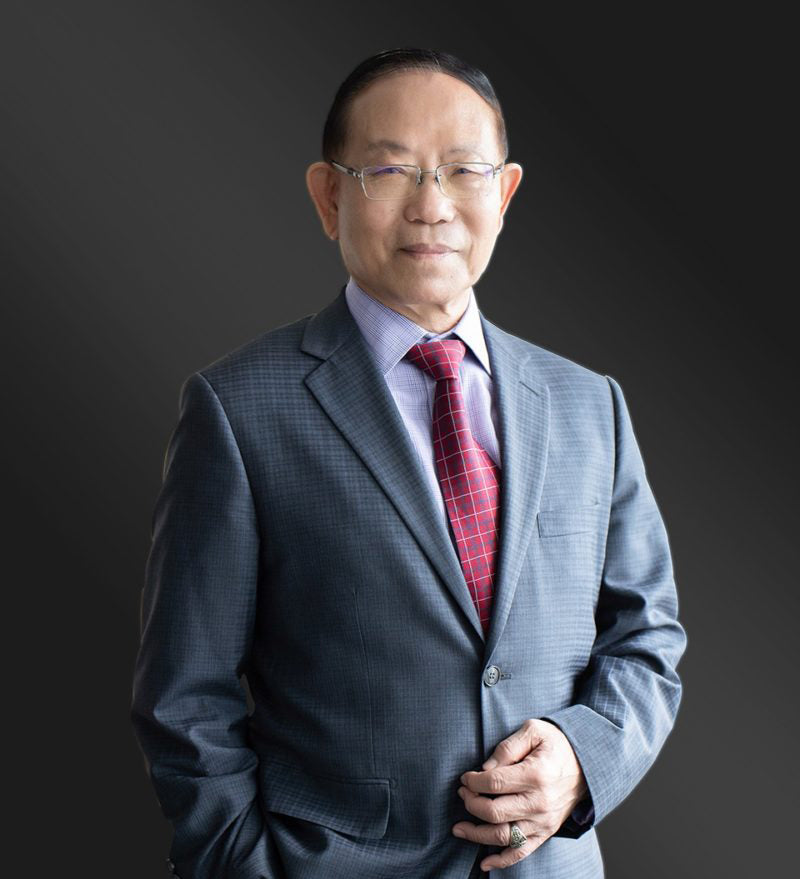
Augie Lien’s Long Game: From Silicon Valley Exits to a Two-Country Medical-Device Build
Six ventures, decades of regulated hardware, and one recurring playbook: pair patient-monitoring engineering with the patience to build across borders.
錫力科技 YC Synergy
錫力科技 (YC Synergy) is a Taiwan-based clean-energy company building hydrogen fuel cell power systems and end-to-end hydrogen infrastructure - electrolysis-based green hydrogen production, storage, and refueling. Founded in 2012 and headquartered in Xindian, New Taipei City, the firm designs and integrates fuel cell systems for stationary power, maritime vessels, and road transport, working with partners such as Germany's EKPO Fuel Cell Technologies and Stan Shih's zero-carbon ship venture Porrima. It was named Asia-Pacific Fuel Cell System Company of the Year by Energy Tech Review in 2024.
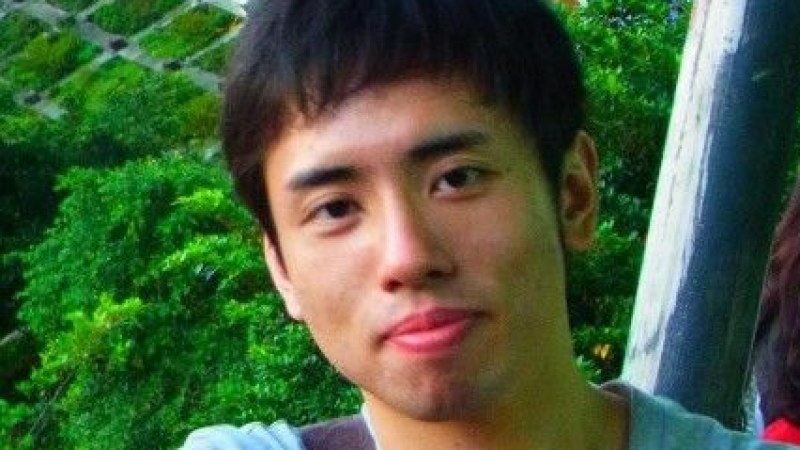
Jerming Gu
Jerming Gu is the Taiwanese founder and CEO of CANDY HOUSE, the company behind SESAME, the smart lock that clamps onto an existing deadbolt and turns a smartphone into a key. He started the company as a Stanford mechanical engineering master's student in 2014 with co-founder Jongho Shin, then turned a 3D-printed dorm-room prototype into a Kickstarter phenomenon that raised roughly $1.4 million in 2015. After a decade building a dominant smart-lock business in Japan - including funding from ITOCHU and a strategic alliance with lock maker MIWA - he relaunched CANDY HOUSE in the US and Canada in 2025 with a lineup spanning SESAME 5, face recognition, palm-vein biometrics and Matter-compatible hubs.
Bill Lin
Bill Lin is the Deputy CEO and Board Member of One Mobility GmbH, the automotive arm of Foxconn Interconnect Technology (FIT), headquartered in Reutlingen, Germany. With a career spanning supply chain management, management consulting, and EV business leadership at Foxconn, Lin bridges Taiwan's electronics manufacturing powerhouse with Germany's century-old automotive precision engineering heritage. He also serves as Chief Integration Officer at FIT, steering the integration of One Mobility's 11,000-person global workforce across 40+ locations in 17 countries following the 2024 acquisition of Auto-Kabel Group.
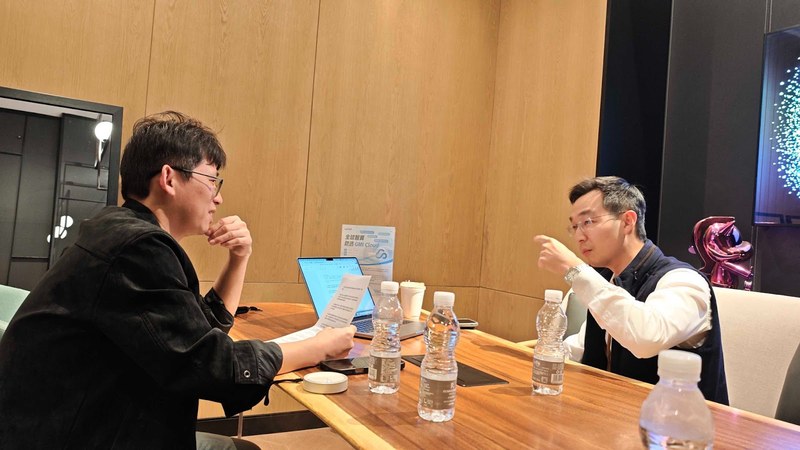
Alex Yeh
Alex Yeh is the Founder and CEO of GMI Cloud, a GPU-native AI cloud infrastructure company he built from Bitcoin mining data centers into a global AI infrastructure leader in just 30 days. GMI Cloud — one of only 6 NVIDIA Reference Platform Partners worldwide — raised $82M in Series A funding in 2024 and is behind a $12 billion sovereign AI infrastructure initiative in Japan. Yeh's mission: make building AI applications as simple as building a website on Shopify.
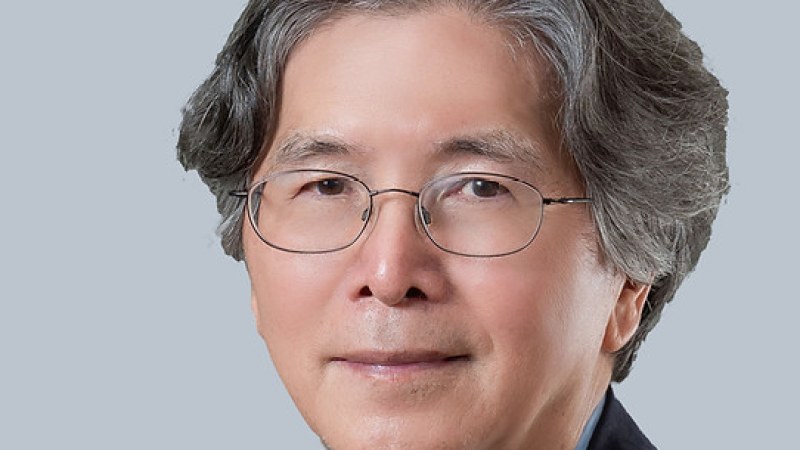
Cheng Wu
Cheng Wu is a General Partner at Taiwania Capital and a four-time founder whose networking and video startups have returned over $6 billion to investors. Best known for selling ArrowPoint Communications to Cisco for $5.7 billion in 2000, he now invests in early- and growth-stage technology companies bridging Silicon Valley, Taiwan, and Asia.
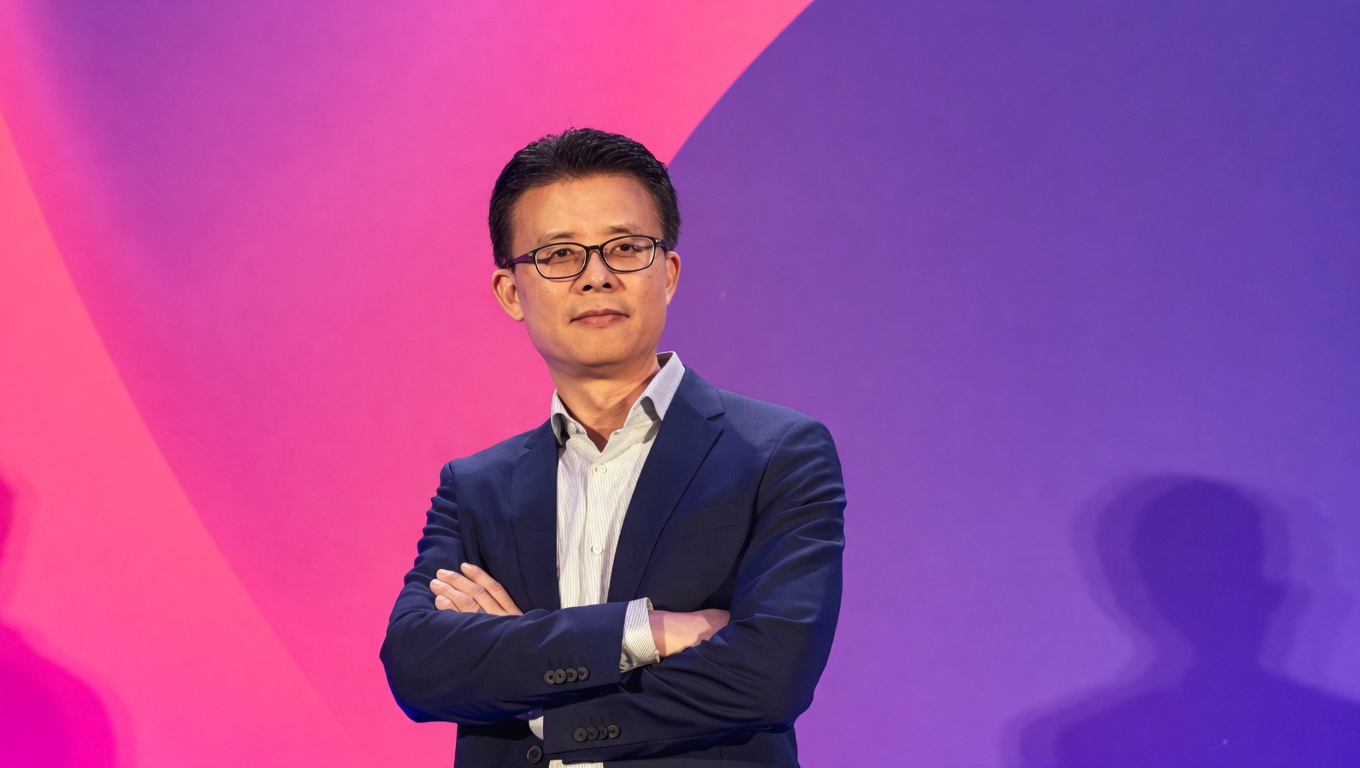
Jun Shi
Jun Shi is CEO and President of Accton Technology, the $7.9B Taiwanese ODM powerhouse behind much of the world's white-box networking hardware. A 25-year veteran of Silicon Valley's networking giants — Cisco, Juniper, and F5 — he shepherded startup Volterra from inception through its $500 million acquisition before joining Accton in 2023. Now he's steering the company's ambitious pivot: from hardware maker to full-stack open infrastructure provider, anchored by Nexvec, a turnkey AI-ready infrastructure solution launched in May 2025.
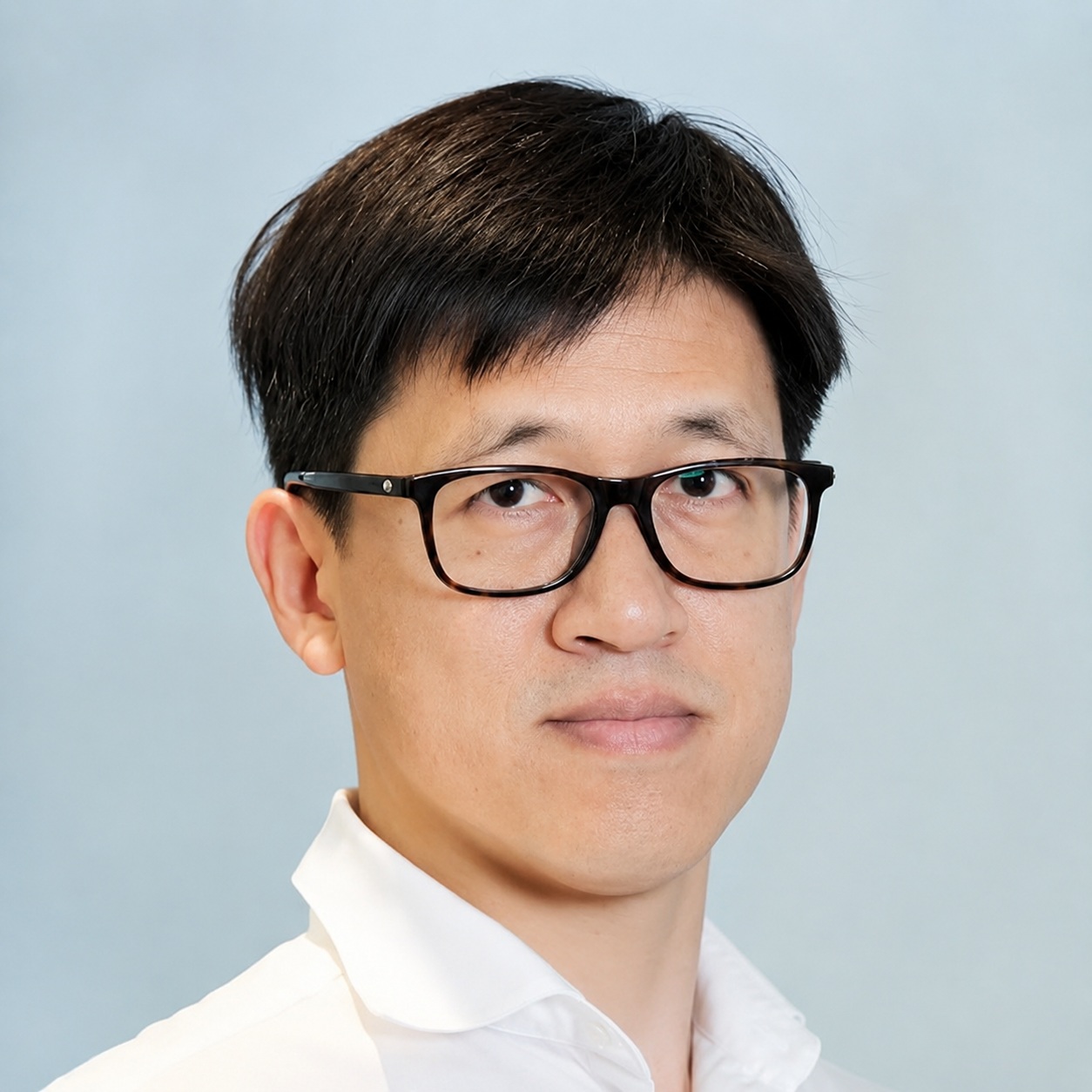
Leander Yu
Leander Yu is the founder and CEO of Graid Technology Inc., a Sunnyvale-based startup that invented the world's first GPU-accelerated RAID solution for NVMe SSDs - SupremeRAID. With over 25 years in the storage industry and a prior successful exit (Bigtera to Silicon Motion in 2017), Yu built Graid in 2019 to solve a fundamental bottleneck: traditional RAID controllers can't keep up with modern NVMe speeds. By offloading RAID computation to a GPU, SupremeRAID delivers up to 28 million IOPS and 260GB/s throughput from a single card. The company raised a $30M Series B in March 2025 led by Foxconn and CTBC joint venture, and signed a landmark licensing deal with Intel for VROC technology in late 2025.
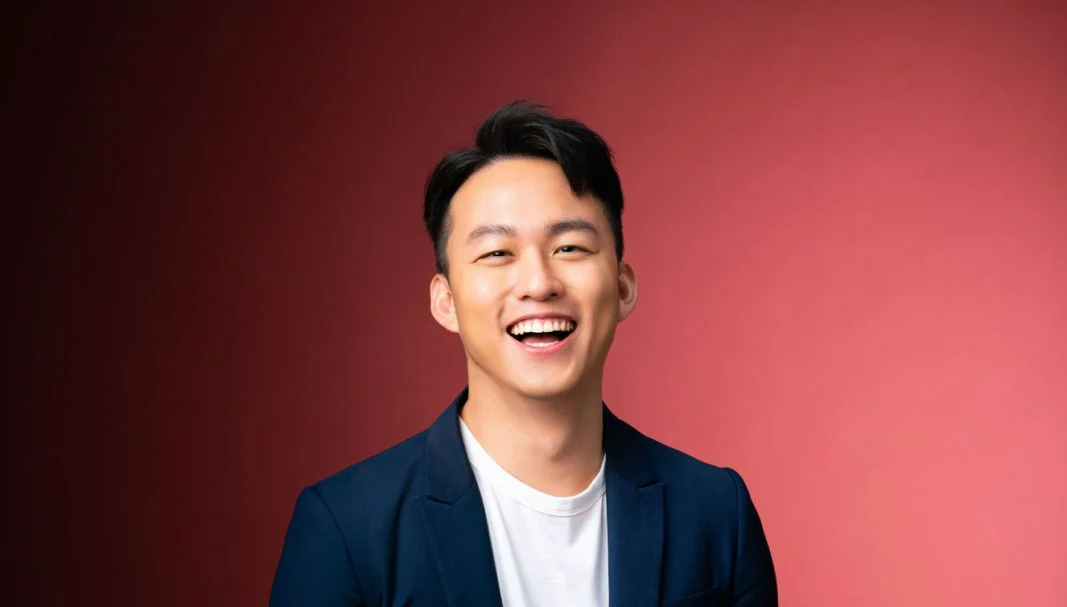
Ray Chiu
Po-Jui 'Ray' Chiu is CEO and Co-Founder of Calyx (formerly BioInspira), a Berkeley-based agtech company that brings AI vision and bio-engineered phage sensors to poultry and livestock farming. A Forbes 30 Under 30 Energy honoree (2019), Chiu built his company out of a UC Berkeley capstone project and a personal brush with disaster - the 2014 Kaohsiung gas explosions that threatened his relatives' neighborhood in Taiwan. Today, Calyx's AI Eye camera system predicts chicken weights at 98.4% accuracy across 17+ million birds, while its Y-Series sensors monitor ammonia, CO2, temperature, and humidity in real time.