neural-networks
(23)
Larry Rubin Has Been Building AI Since Before It Was Fashionable
A 1991 neural-network patent, a career crossing laboratories and startups, and one durable idea: make difficult measurements useful outside the room where experts usually take them.
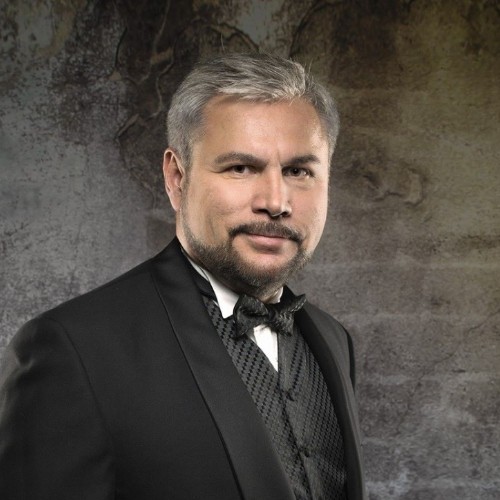
Sergey Savastiouk
Sergey Savastiouk, Ph.D., is the founder and CEO of Tickeron, a Reno-based platform that pairs artificial intelligence with plain-language explanation to give self-directed investors and advisors trading signals, pattern recognition, and automated 'AI robots.' A former applied-mathematics professor at Santa Clara University with two prior startups behind him, he turned the losses of the 2008 crisis into a mission to hand retail investors the kind of algorithmic tools once reserved for institutions.
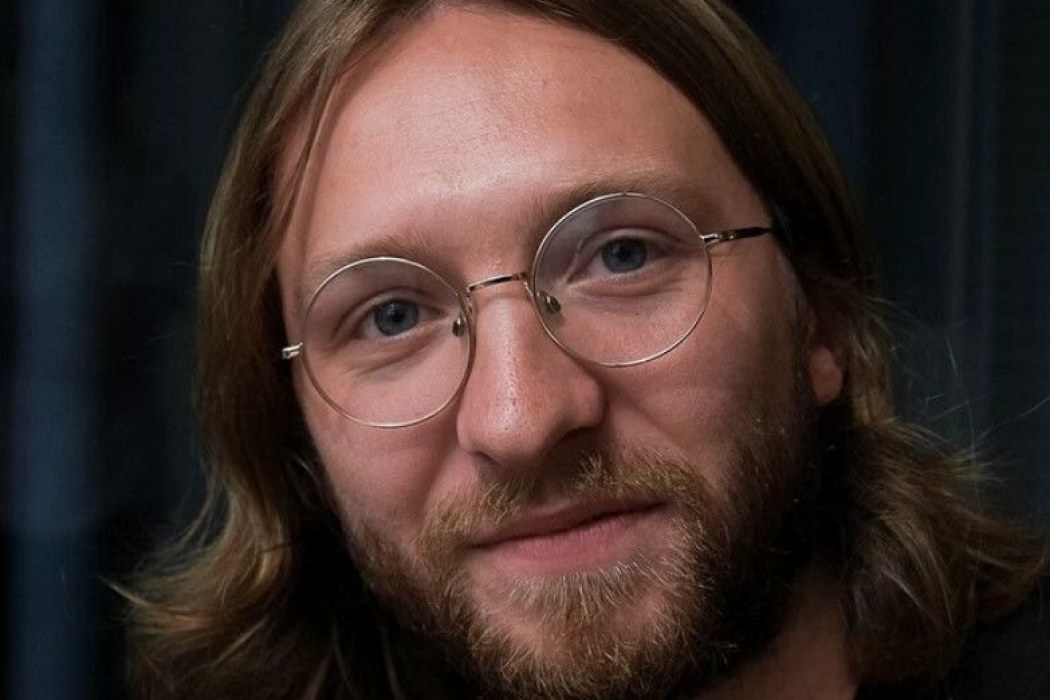
David Stout
David Stout is the co-founder and CEO of webAI, an Austin-based company building private, on-device artificial intelligence that runs on hardware people already own instead of centralized cloud data centers. Raised on a cattle ranch in northern Michigan, he taught himself to compress large AI models onto phones, laptops and edge hardware, and founded webAI in 2019 with Ethan Baird and Tyler Mauer. The company reached a $2.5 billion valuation in January 2026 on the thesis that the most valuable AI of the future will be sovereign, distributed and local rather than rented from Silicon Valley hyperscalers.
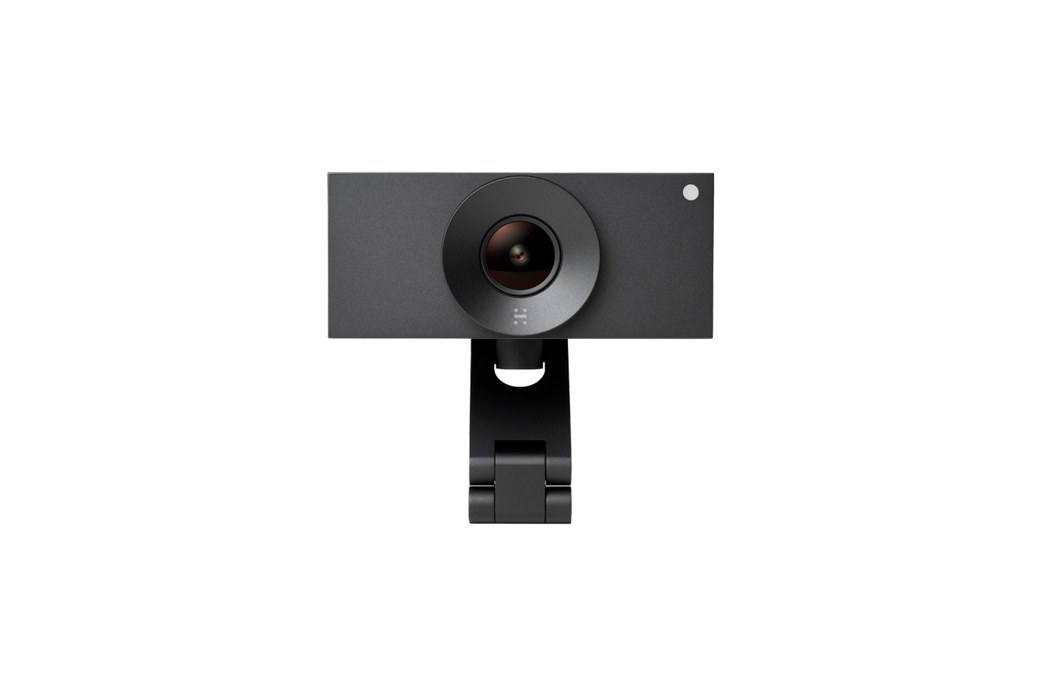
Huddly
Huddly is an Oslo-based company that builds AI-powered conference cameras for hybrid meeting rooms. By running computer-vision neural networks directly on the camera (edge AI), Huddly devices automatically frame speakers, switch angles like a TV director, and improve over time through software updates. Its products work with Microsoft Teams, Zoom and Google Meet, and range from the single wide-angle IQ to the L1 and S1 and the multi-camera Huddly Crew system marketed as the world's first AI director. Founded in 2013, Huddly listed on Euronext Growth Oslo in December 2023.
Cogniac Corporation
Cogniac Corporation is a Silicon Valley company building an enterprise-grade, no-code computer vision platform that lets non-experts train and deploy AI models on visual data. Founded in 2015 by Ruckus Wireless veteran Bill Kish and Amy Wang, Cogniac turns cameras and images into operational insight - inspecting products, detecting defects, monitoring safety, and automating document handling across manufacturing, transportation, automotive, government, and logistics. Backed by roughly $46M from investors including National Grid Partners, Cisco Investments, and Autotech Ventures, it counts BNSF Railway, Ford, Georgia-Pacific, Doosan Bobcat, and Trimac among its customers.

Umbo Computer Vision
Umbo Computer Vision is a San Francisco and Taipei based startup building autonomous video security systems that use deep learning to watch camera feeds the way a human guard would - flagging intrusions, tailgating and wall-scaling in real time while ignoring birds, cats and weather. Founded in 2014 by Shawn Guan, Ping-Lin Chang and Tingfan Wu, the company pairs its SmartDome camera hardware with a neural-net engine called Light and a cloud platform, and has raised roughly $17.6M to sell mostly through security integrators to businesses, schools and public-safety customers.
Conatix
Conatix is an early-stage AI cybersecurity company that turns software into pictures so a computer can see malware before it runs. Its flagship product, CYSANA (CYberSecurity ANAlytics), converts executable files into images at the moment of download, uses deep-learning neural networks to spot malicious code, and pairs that with patented anti-encryption technology that stops malware from ever becoming ransomware. Founded by David Lehrer and developed in partnership with the University of Luxembourg's SnT centre, the company markets to managed security providers, CISO teams, banks, corporations, and government agencies across North America and Europe.
David Lehrer
David Lehrer is the founder and CEO of Conatix and its flagship product Cysana, an AI cybersecurity venture that turns executable files into pictures so neural networks can spot malware before it ever runs. A Harvard-trained policy researcher turned deep-tech operator, he built the company across Virginia, New York, Montreal, London and Berlin, in partnership with the University of Luxembourg's SnT research center. His unusual path runs from criminology at Oxford and economics at the Bank of Finland to a patented anti-ransomware engine trained on a European supercomputer.
Eunjoon Cho
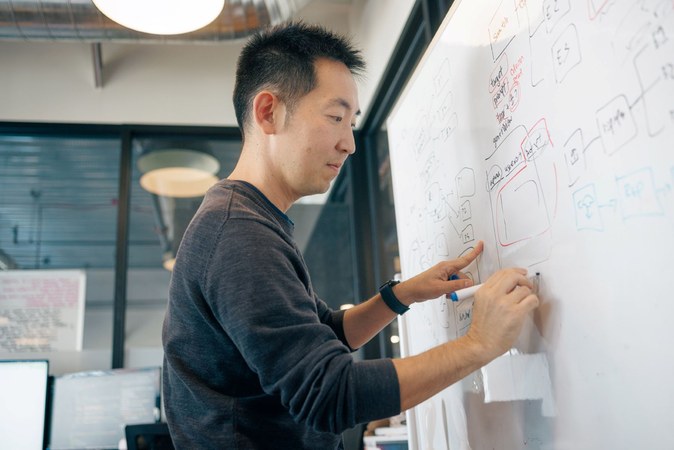
Eunjoon (EJ) Cho is the co-founder and CEO of Tofu, a San Mateo AI platform that automates personalized, multichannel B2B marketing at scale. A Stanford PhD who trained speech-recognition neural networks at Google and worked at Meta, Affirm and Fast, Cho spent years mapping the generative-AI landscape before ChatGPT opened the door. He started Tofu with Honglei Liu and Elaine Zelby in 2023, raised about $17M from SignalFire, Index Ventures and HubSpot Ventures, and grew revenue 12x in roughly a year by replacing the bloated stack of point tools marketers juggle with one platform that ships finished assets.
TerraClear Inc
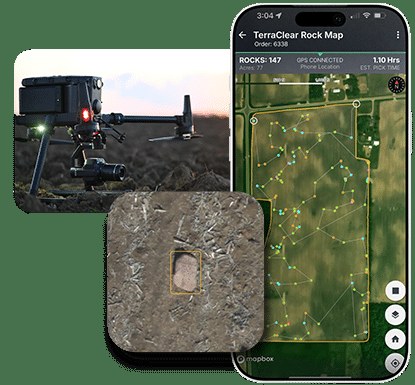
TerraClear builds AI-powered machines that take one of farming's oldest, most miserable chores - picking rocks out of fields - and make it fast, precise, and increasingly autonomous. Founded in 2017 by serial entrepreneur and farm-raised Brent Frei, the Issaquah, Washington company pairs drone-based mapping, machine vision, and a robotic rock picker that clears hundreds of rocks an hour. In 2026 it launched TerraScout, a fully autonomous field-scouting robot that scans up to 1,000 acres a day for rocks, weeds, and more, turning images into real-time prescriptions for existing farm crews and equipment.
Vijay Sikka
Vijay Sikka is the founder, chairman and CEO of Sikka.ai (Sikka Software Corporation), a San Jose company that runs a single AI-API cloud platform for the roughly $1 trillion retail healthcare market. He started building AI systems as a college student in the mid-1980s and has spent more than 25 years on large-scale decision systems at Intel, NIH, GlaxoSmithKline, Roche and UCSF affiliates. After founding and exiting two earlier companies, IBrain Software and Bodha.com, he grew Sikka into a platform reaching tens of thousands of practices and over 120 million patients, and was named AI-Driven Healthcare Solutions CEO of the Year for 2024.
Konrad Feldman
Konrad Feldman is the co-founder and CEO of Quantcast, the San Francisco audience-intelligence company he started with Paul Sutter in 2006. A London-born computer scientist with a UCL PhD in neural networks, he was building machine-learning systems for banks two decades before AI became a marketing department buzzword. Today he is making the case that advertising, done with better data and smarter models, is what keeps the open internet open.
Junhwan Kim
Junhwan Kim is the CEO of STRADVISION, a South Korean AI perception company building the vision software that teaches cars to see. After selling his facial recognition startup Olaworks to Intel in 2012 - the first full acquisition of a Korean firm by Intel - he pivoted into automotive AI and helped build STRADVISION into a company with over 3 million cumulative production units deployed, $331M in total funding, and a pending KOSDAQ IPO. His flagship product, SVNet, runs on 50+ vehicle models across 13+ OEM partners and can identify pedestrians, lanes, traffic signs, and obstacles in real time on low-power edge chips.
Maxwell Zhou
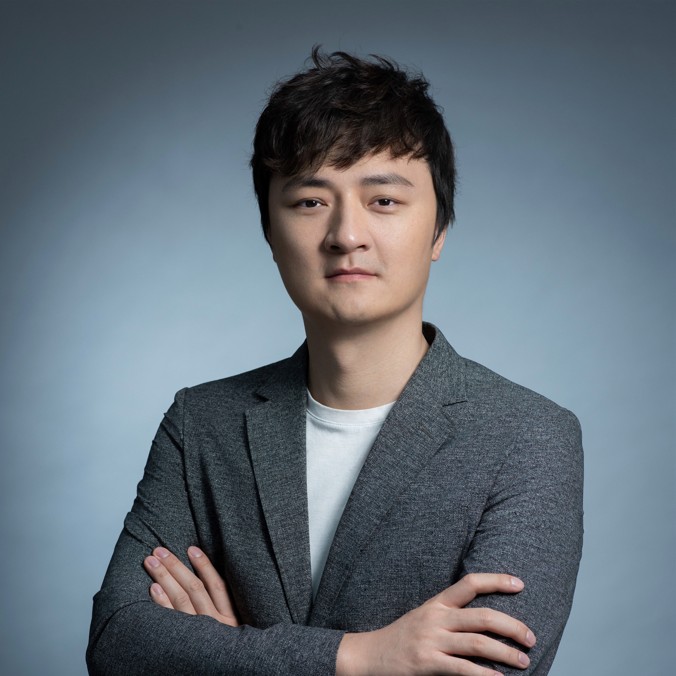
Maxwell Zhou (周光) is the founder and CEO of DeepRoute.ai, a Shenzhen-based autonomous driving company he built from a 2019 conviction that AI could prevent traffic deaths. A Tsinghua-trained physicist turned AI PhD, Zhou led sensor fusion breakthroughs at Baidu and co-founded Roadstar.ai before pivoting to build what is now one of China's fastest-scaling third-party ADAS providers - deploying its end-to-end intelligent driving platform across 300,000+ vehicles and accumulating 1.3 billion kilometers of real-world data with over $500M in total funding.
Maxim Serebryakov
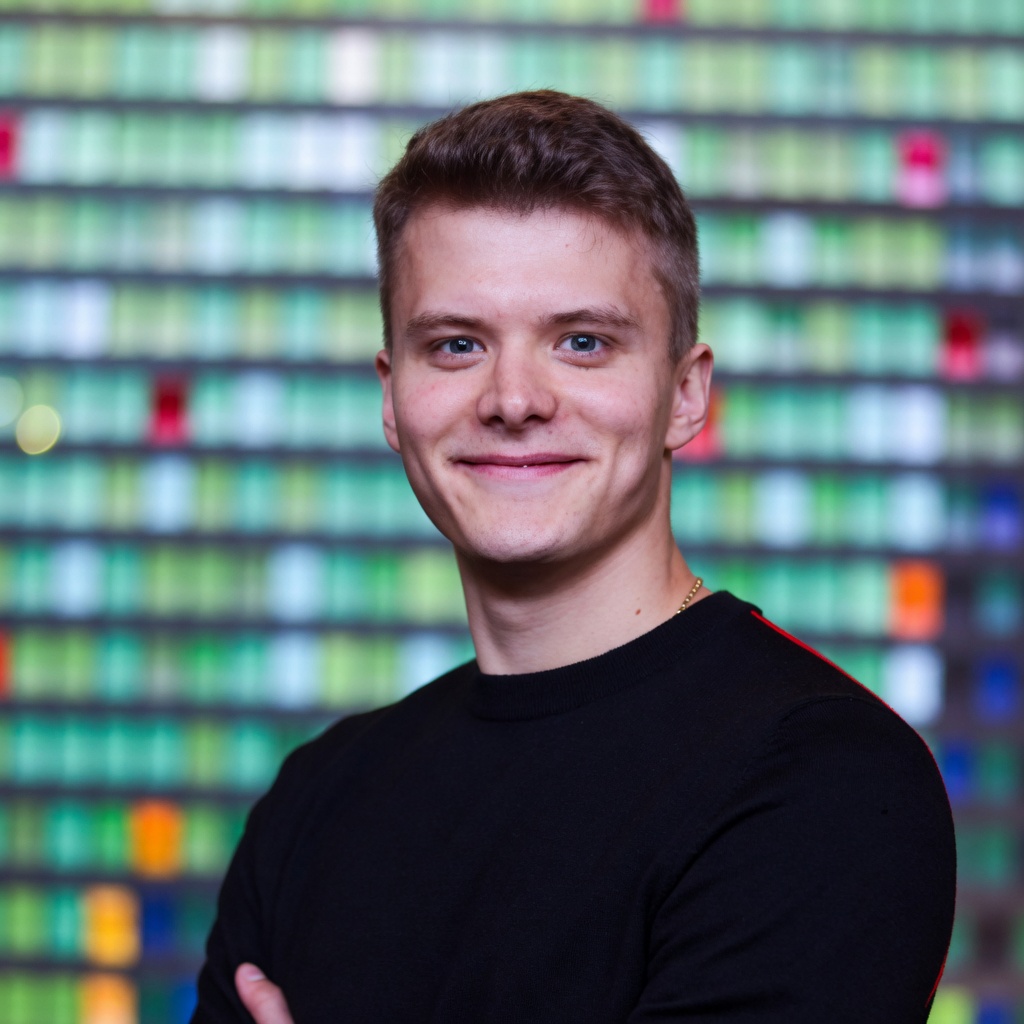
Maxim Serebryakov is the Co-Founder and CEO of Sanas, a Palo Alto-based AI company building the world's first real-time Speech Understanding Platform. Born in New York and raised in Russia, Serebryakov co-founded Sanas at Stanford with two fellow international students after witnessing a friend face accent discrimination in a contact center. The company's AI modulates accents in real time while preserving a speaker's voice, tone, and emotion - serving 150,000+ live agents across 39 countries. Sanas has raised $149.2M in total funding, including a $65M Series B led by Quadrille Capital in February 2025.
Hive
Hive is a San Francisco AI company that sells pre-trained machine learning models as APIs, focused on content moderation, AI-generated content detection, and visual understanding. Founded in 2013 by Kevin Guo and Dmitriy Karpman, Hive powers trust and safety at platforms like Reddit, BeReal, and Chatroulette, and runs deepfake detection contracts with the U.S. Department of Defense and Department of Homeland Security.
Todd Mozer
Todd Mozer is Chairman and CEO of Sensory, Inc., the Santa Clara-based company he co-founded in 1994 that has quietly powered voice recognition in over 3 billion consumer devices - from the 'OK Google' and 'Hey Siri' wake words to smart home gadgets, automotive systems, and medical devices. A second-generation tech entrepreneur (son of physicist Forrest Mozer, with whom he also co-founded ESS Technology), Todd holds 50+ patents and an MBA from Stanford. He has spent 30+ years making AI run tiny, private, and always-on - long before the rest of the industry caught up.
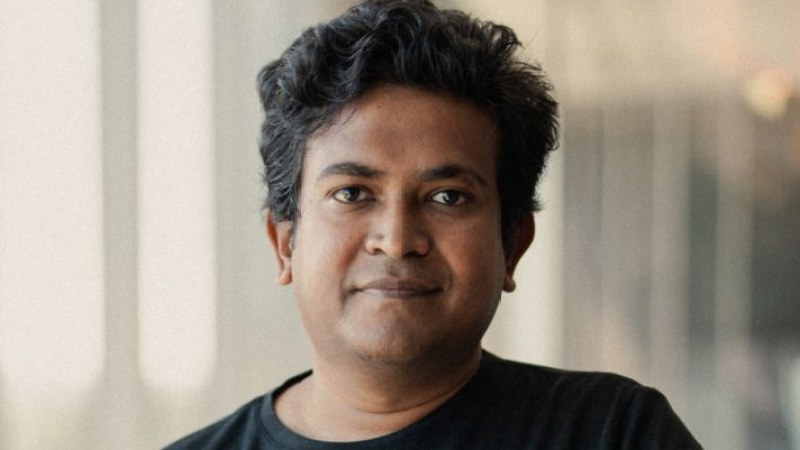
Jonathan Siddharth
Jonathan Siddharth is the CEO and Co-founder of Turing, a $2.2 billion AI-powered talent and AGI infrastructure company based in San Francisco. A Stanford CS alum with a lifelong obsession with artificial intelligence, he built his first neural network as a teenager to drive a simulated car. After founding and selling Rover (an AI content discovery app) for ~$30M, he launched Turing in 2018 to build the world's largest intelligent developer talent cloud. Today, Turing partners with frontier AI labs including OpenAI to train and improve the world's most capable language models, and counts Fortune 500 companies among its 900+ enterprise clients. He has raised $334M in total funding and led Turing to over $167M in annualized revenue.
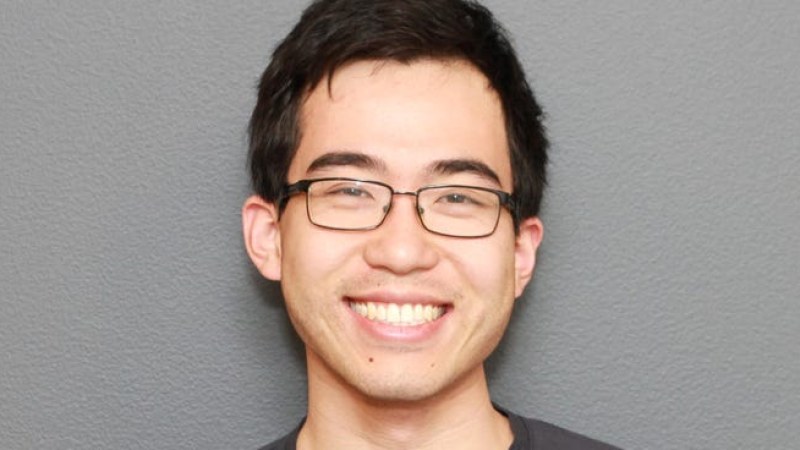
Kevin Guo
Kevin Guo is the Co-Founder and CEO of Hive, a San Francisco-based enterprise AI company that built what may be the world's largest human-labeled training dataset - over 1 billion labeled items - and deployed those models as cloud APIs used by Reddit, BeReal, and more than 15 of the top social platforms for content moderation. A Stanford triple-degree graduate (biology BA, mathematical/computational sciences BS, computer science MS), Guo co-founded Kiwi - a social Q&A app that grew to 100 million users - before pivoting that team into Hive in 2017. Hive reached unicorn status with a $2 billion valuation after its $85 million Series D in April 2021, and Guo has become one of the most prominent voices on AI-generated content detection and the fight against deepfakes.
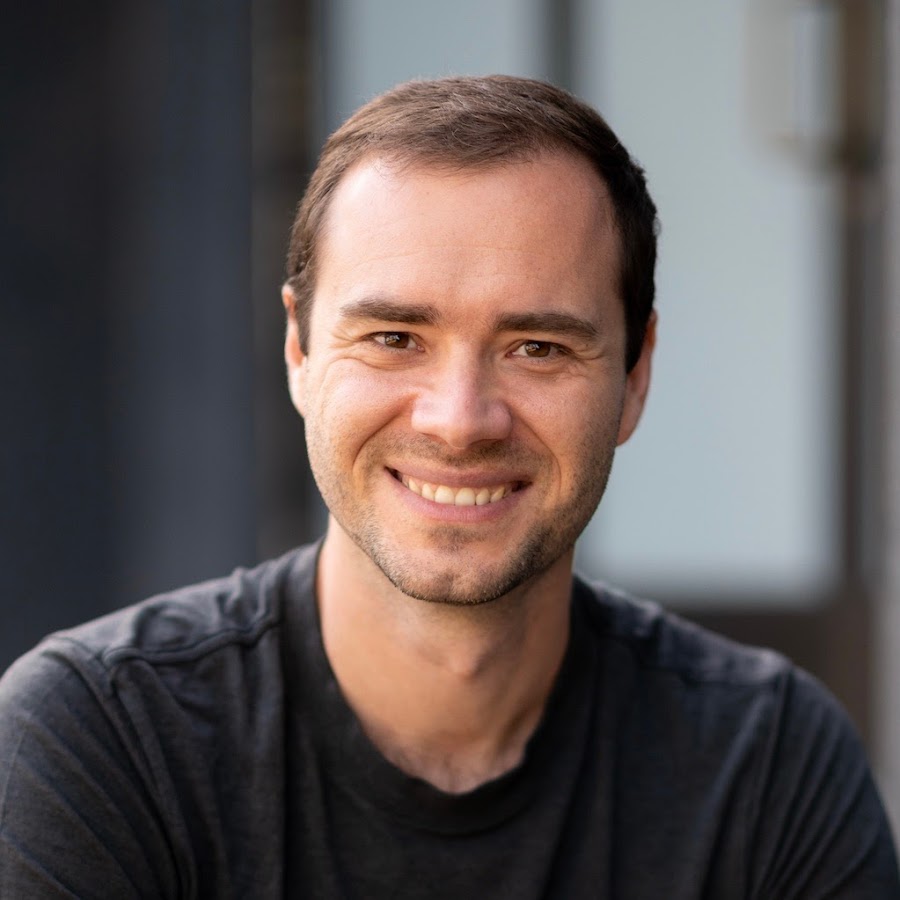
Andrej Karpathy
Andrej Karpathy is a Slovak-Canadian-American AI researcher and educator who co-founded OpenAI, led Tesla's Autopilot AI as Director of AI from 2017-2022, and now runs Eureka Labs, an AI-native education startup. He coined 'vibe coding' (Collins Dictionary 2025 Word of the Year), created the legendary Stanford CS 231n course, and builds open-source tools like nanoGPT that have become essential references for the global ML community. His YouTube 'Zero to Hero' series and multi-hour deep dives have demystified deep learning for millions.
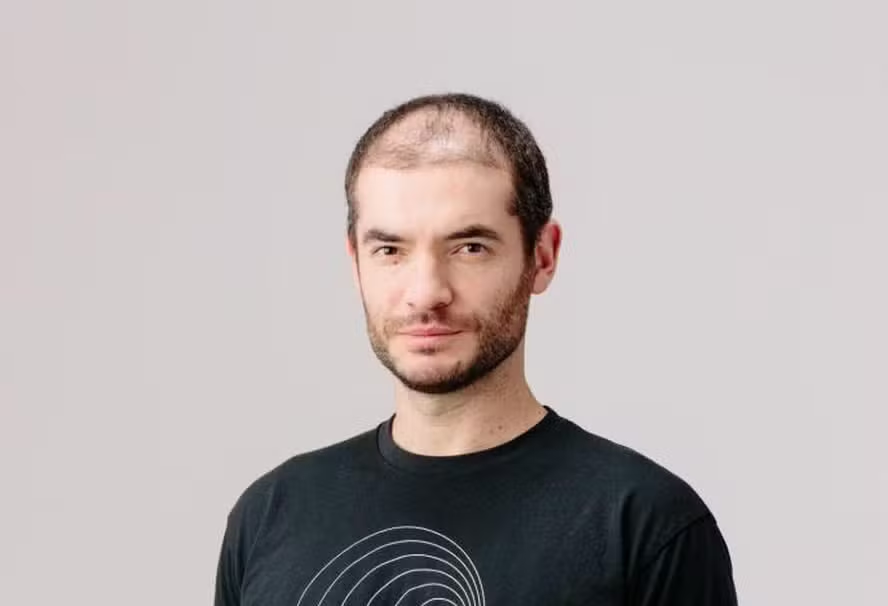
Ilya Sutskever
Ilya Sutskever is a co-creator of AlexNet, the 2012 deep learning breakthrough that launched the modern AI era, and a co-founder and former Chief Scientist of OpenAI. After a dramatic board vote to remove Sam Altman in November 2023, he departed OpenAI in 2024 and co-founded Safe Superintelligence Inc. (SSI) — a $32B company with roughly 50 employees and a single stated mission: build artificial general superintelligence that is provably safe, with no commercial products until that goal is achieved.
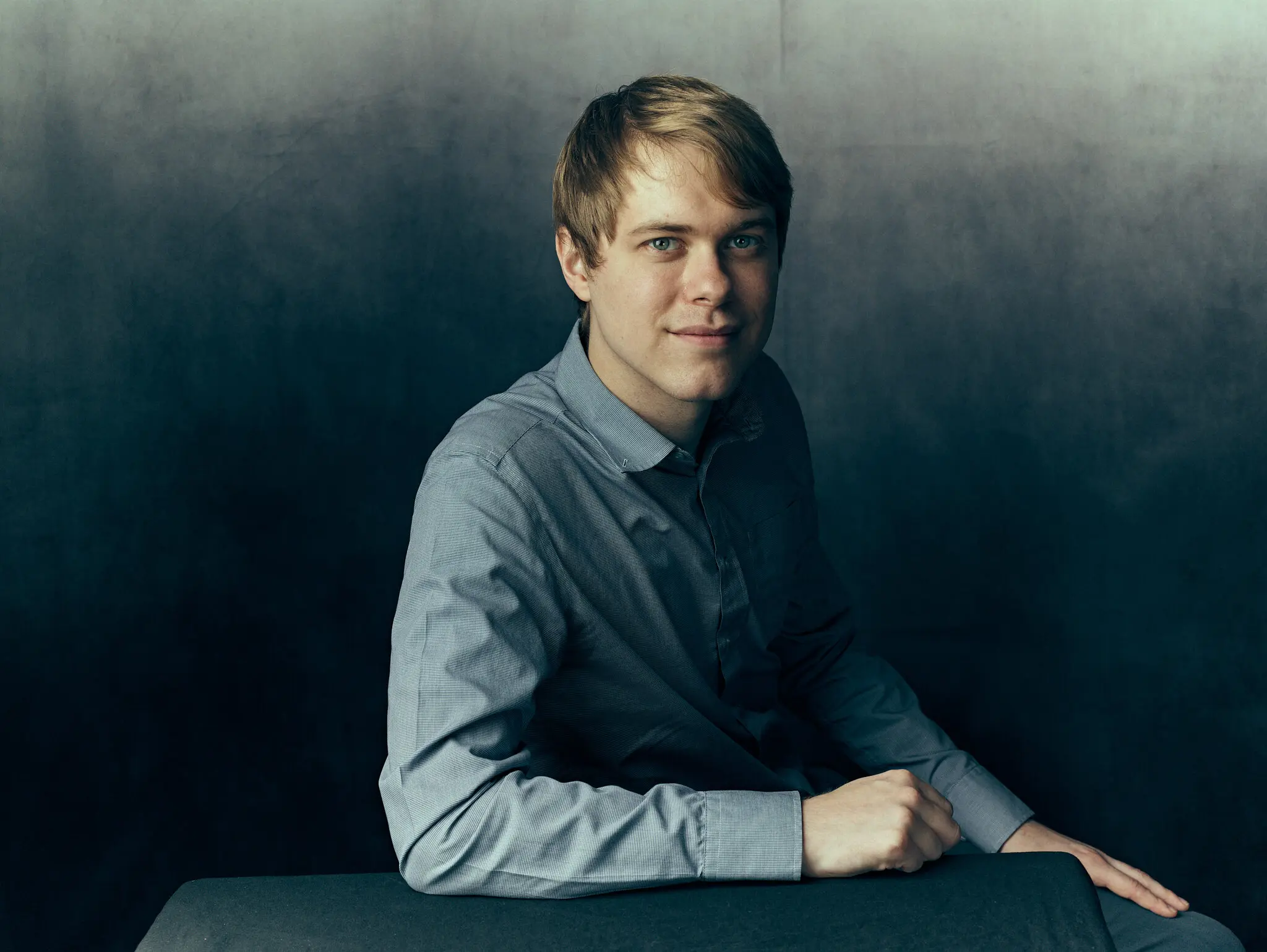
Dan Hendrycks
Dan Hendrycks is the Executive Director of the Center for AI Safety (CAIS), the UC Berkeley PhD who created MMLU - the benchmark that shaped how the world measures AI intelligence - and invented GELU, the activation function running inside BERT, GPT, and virtually every major AI model. From a rural evangelical town in Missouri, he's become one of AI safety's most consequential voices, advising Elon Musk's xAI and Scale AI while sounding alarms about civilizational-scale AI risk, accepting $1/year to keep his independence intact.
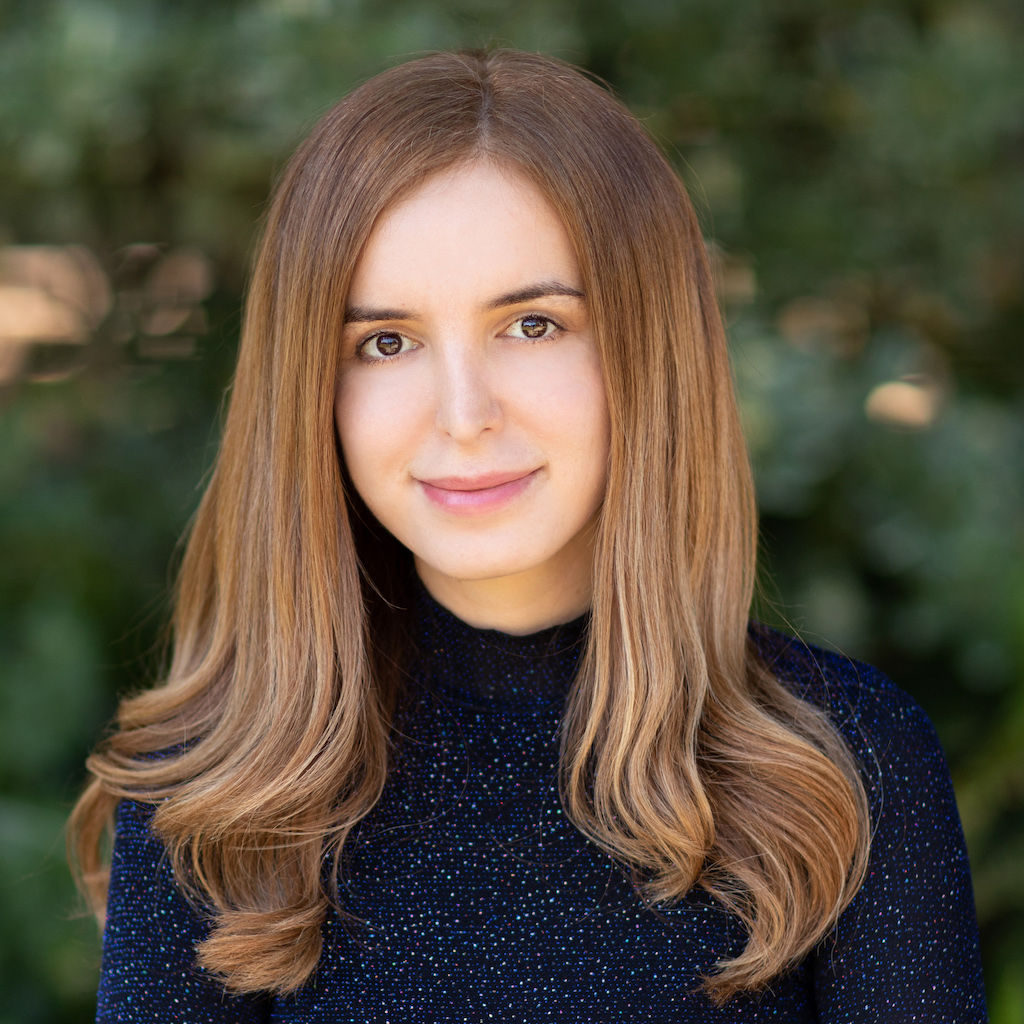
Azalia Mirhoseini
Azalia Mirhoseini is an Iranian-born AI researcher, Stanford professor, and co-founder of Ricursive Intelligence - a frontier AI lab valued at $4 billion that uses AI to design better chips, which in turn train stronger AI. Best known for AlphaChip, the deep reinforcement learning system that now designs Google's TPUs and has compressed chip floorplanning from months to hours, she also co-invented the Mixture-of-Experts architecture underpinning GPT, Claude, and Gemini. With 20,000+ citations and a $335M-funded startup launched in under four months, she is closing the recursive loop between artificial intelligence and the hardware it runs on.