Tagged: ai-safety
15 results
Pareto.AI
Pareto.AI is a San Francisco-based, talent-first human data platform that connects AI labs with a deeply vetted network of expert labelers to produce premium training data, RLHF, and evaluation signals. Founded by Thiel Fellow Phoebe Yao, the company started as a bootcamp for women and work-from-home mothers, pivoted into AI data labeling in 2023, and now positions itself as the 'verification layer' for reinforcement learning on real-world expertise, turning specialist judgment into durable reward signals under the banner 'Expert data for AGI.'

Krishna Gade
Krishna Gade is the co-founder and CEO of Fiddler AI, a Palo Alto-based enterprise AI observability and control platform that has raised over $112 million in funding. Before founding Fiddler in 2018, he built data infrastructure at scale at Microsoft/Bing, Twitter, Pinterest, and Facebook - where he led the team that created the industry's first large-scale AI explainability feature, 'Why am I seeing this?' in News Feed. Fiddler AI sits at the intersection of AI transparency, model monitoring, and governance, serving Fortune 500 companies, the US Navy, and organizations that need to trust the decisions their AI systems make.

Brain Co.
Brain Co. is a San Francisco-based enterprise AI company that deploys production-ready AI applications for the world's most complex, regulated industries - from government and healthcare to hospitality, energy, and supply chain. Founded by a constellation of Silicon Valley heavyweights including Elad Gil and Dan Ashton, and backed by an elite roster of investors including Patrick Collison, Reid Hoffman, and Andrej Karpathy, Brain Co. raised a $30M Series A in September 2025. Its core technology converts dense regulatory documents into executable rules engines that make AI decisions auditable and compliant - so that governments can permit faster, hospitals can care better, and supply chains can run leaner.
Eric Zhang
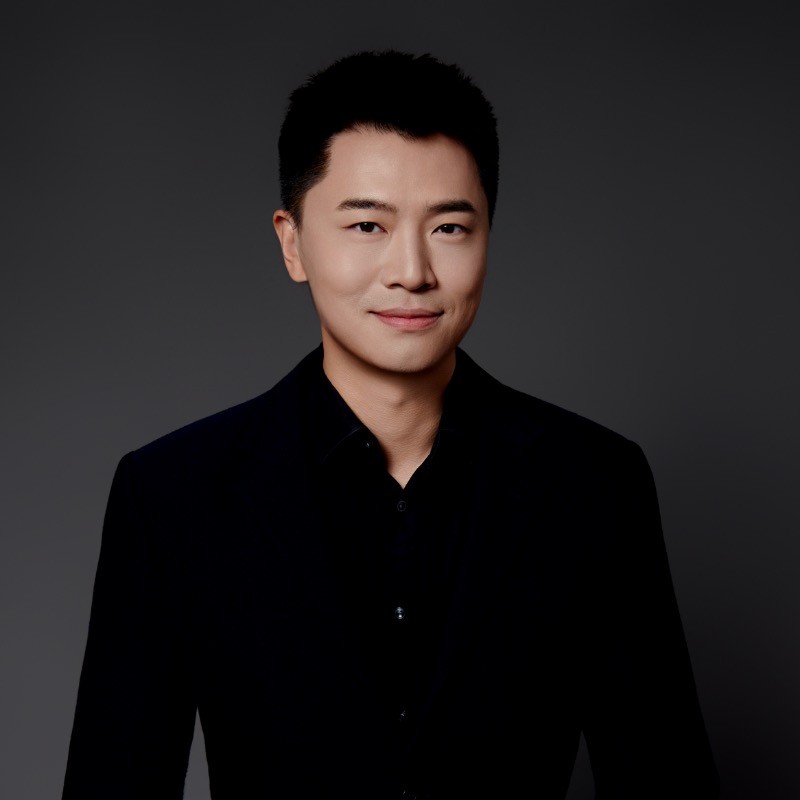
Eric Zhang is the Chief Executive Officer of Thoth AI, a Singapore-headquartered global AI data solutions company with R&D operations in Silicon Valley. Under his leadership, Thoth AI powers frontier AI models for some of the world's leading AI labs by providing high-quality training data, RLHF workflows, model evaluation, and multilingual customer experience services across 170+ countries in 200+ languages. Zhang operates at the intersection of AI safety, responsible deployment, and global scale - building the human infrastructure that makes AI smarter, safer, and culturally aware.

Gabriel Kalejaiye
Gabriel Bayomi Tinoco Kalejaiye is a Brazilian-born engineer and entrepreneur who co-founded Openlayer, a San Francisco-based AI governance and observability platform. After earning his MS in Computer Science from Carnegie Mellon and working as a Machine Learning Engineer at Apple - where he contributed to both Siri and the secretive Vision Pro project - he left with two colleagues to solve the problem that haunted every AI team: models that look great in testing but fail in the real world. Openlayer provides enterprises with evaluation, monitoring, and compliance tooling across the full AI lifecycle, from prototype to production. The company raised a $14.5M Series A in May 2025, grew nearly 5x in 2024, and is now a recognized vendor in Gartner's 2026 Market Guide for AI Evaluation and Observability Platforms.

Daniela Amodei
Daniela Amodei is the President and Co-Founder of Anthropic, one of the world's most influential AI safety companies. A UC Santa Cruz English Literature graduate and former classical flute scholarship recipient, she pivoted from Capitol Hill communications to Stripe to OpenAI before co-founding Anthropic in 2021 alongside her brother Dario Amodei and six other OpenAI colleagues. At Anthropic, she runs all commercial, operational, and cultural operations while Dario leads research and technical strategy — a division of labor that has scaled the company to a $380 billion valuation, over 300,000 enterprise customers, and projected $10 billion in 2025 revenue. Named #1 on Fortune's Most Powerful Women list for 2025 and to TIME's 100 Most Influential People of 2026, Daniela champions a vision of AI safety as competitive advantage, humanities education as future-proof, and 'low politics, high integrity' as the only culture worth building.

Dario Amodei
Dario Amodei is the co-founder and CEO of Anthropic, the AI safety company behind Claude. A former VP of Research at OpenAI and co-inventor of Reinforcement Learning from Human Feedback (RLHF), he holds a PhD in biophysics from Princeton and has co-authored some of the most cited papers in AI safety and scaling laws. He leads Anthropic — valued at $380 billion as of early 2026 — with the conviction that building safe, interpretable AI is not only compatible with building powerful AI, but inseparable from it. His landmark essay 'Machines of Loving Grace' envisions AI compressing decades of scientific progress into years, potentially eliminating most disease and radically expanding human prosperity.

Dustin Moskovitz
Dustin Moskovitz co-founded Facebook in a Harvard dorm room in 2004, then quietly built Asana into a billion-dollar project management company while giving away billions through Open Philanthropy (now Coefficient Giving). The youngest self-made billionaire in the world when Forbes first named him in 2011, Moskovitz has spent the years since turning wealth into what he believes are the most high-impact charitable causes on Earth - from malaria nets to AI safety - alongside his wife Cari Tuna.

Emmett Shear
Emmett Shear co-founded Twitch in 2007 and spent 12 years as its CEO, growing it from a scrappy live-streaming experiment into the dominant gaming and creator platform that Amazon acquired for nearly $1 billion in 2014. After a surreal 72-hour stint as interim CEO of OpenAI during the Sam Altman board crisis in November 2023, he pivoted to founding Softmax, an a16z-backed AI alignment startup working on 'organic alignment' - a biology-inspired approach to making AI systems genuinely care about their communities rather than merely comply with rules.
Wojciech Zaremba
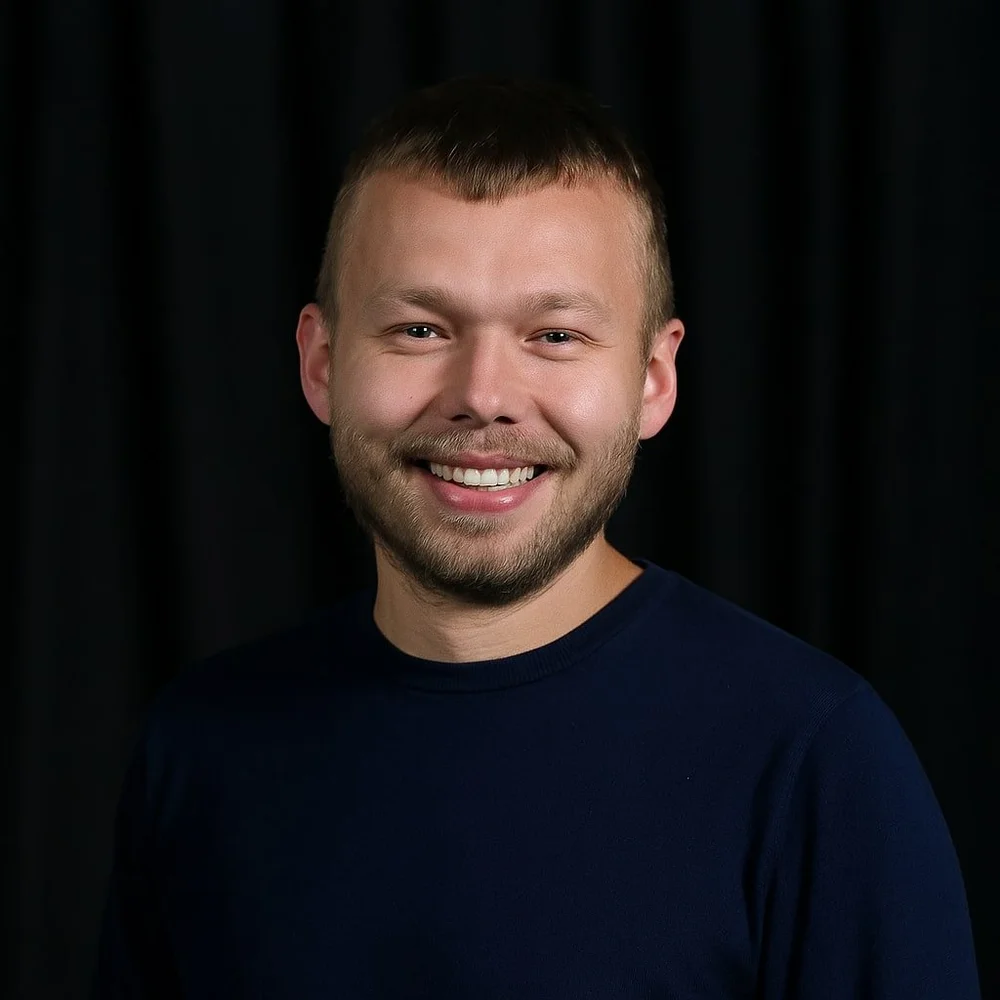
Wojciech Zaremba is a Polish-American AI researcher and co-founder of OpenAI, the company behind ChatGPT and GPT-4. A former International Mathematical Olympiad silver medalist from Kluczbork, Poland, he holds dual master's degrees from the University of Warsaw and École Polytechnique, and a PhD from NYU under Yann LeCun. At OpenAI he has led robotics (including the Dactyl hand that solved a Rubik's Cube one-handed), the Codex project powering GitHub Copilot, and the RLHF human feedback infrastructure that shaped ChatGPT's alignment. One of the few original co-founders still at the company after a decade, he is regarded as one of the most technically consequential and quietly influential figures in modern AI.

Dan Hendrycks
Dan Hendrycks is the Executive Director of the Center for AI Safety (CAIS), the UC Berkeley PhD who created MMLU - the benchmark that shaped how the world measures AI intelligence - and invented GELU, the activation function running inside BERT, GPT, and virtually every major AI model. From a rural evangelical town in Missouri, he's become one of AI safety's most consequential voices, advising Elon Musk's xAI and Scale AI while sounding alarms about civilizational-scale AI risk, accepting $1/year to keep his independence intact.
Jack Clark
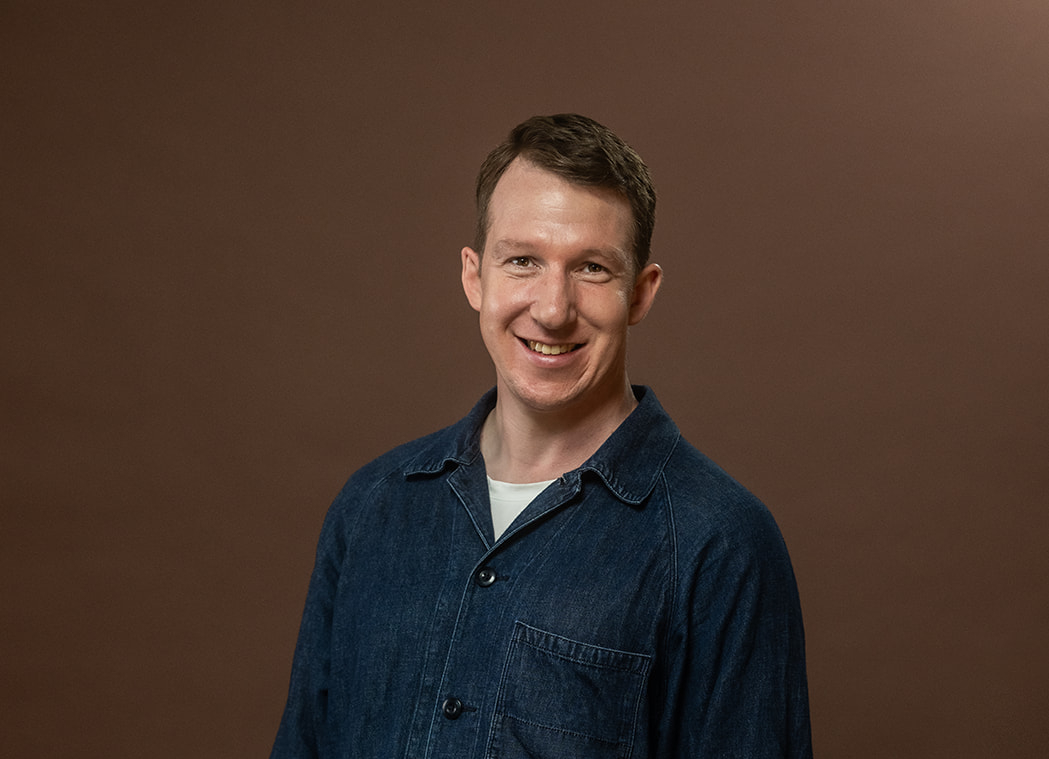
Jack Clark is a British-American co-founder and Head of Public Benefit at Anthropic, the AI safety company behind Claude. A literature graduate turned AI policy architect, he's the author of Import AI - a weekly newsletter read by ~70,000 researchers and policymakers - and one of the most articulate voices on AI's societal impact. He went from being the world's only dedicated distributed systems journalist to helping build one of the world's most valuable AI companies.

Zvi Mowshowitz
Zvi Mowshowitz is a writer, AI safety analyst, and former professional Magic: The Gathering player. He is best known for his Substack newsletter 'Don't Worry About the Vase,' which publishes detailed weekly AI updates and rationalist commentary to over 33,000 subscribers. Inducted into the Magic: The Gathering Pro Tour Hall of Fame in 2007, Zvi is also the founder of nonprofit policy think tank Balsa Research and co-founded MetaMed, a personalized medical research firm backed by Peter Thiel. He is a prominent voice in the rationalist and AI safety communities, known for his p(doom) estimates of 60-70% and his systematic, data-driven approach to understanding AI risk.
Kelsey Piper
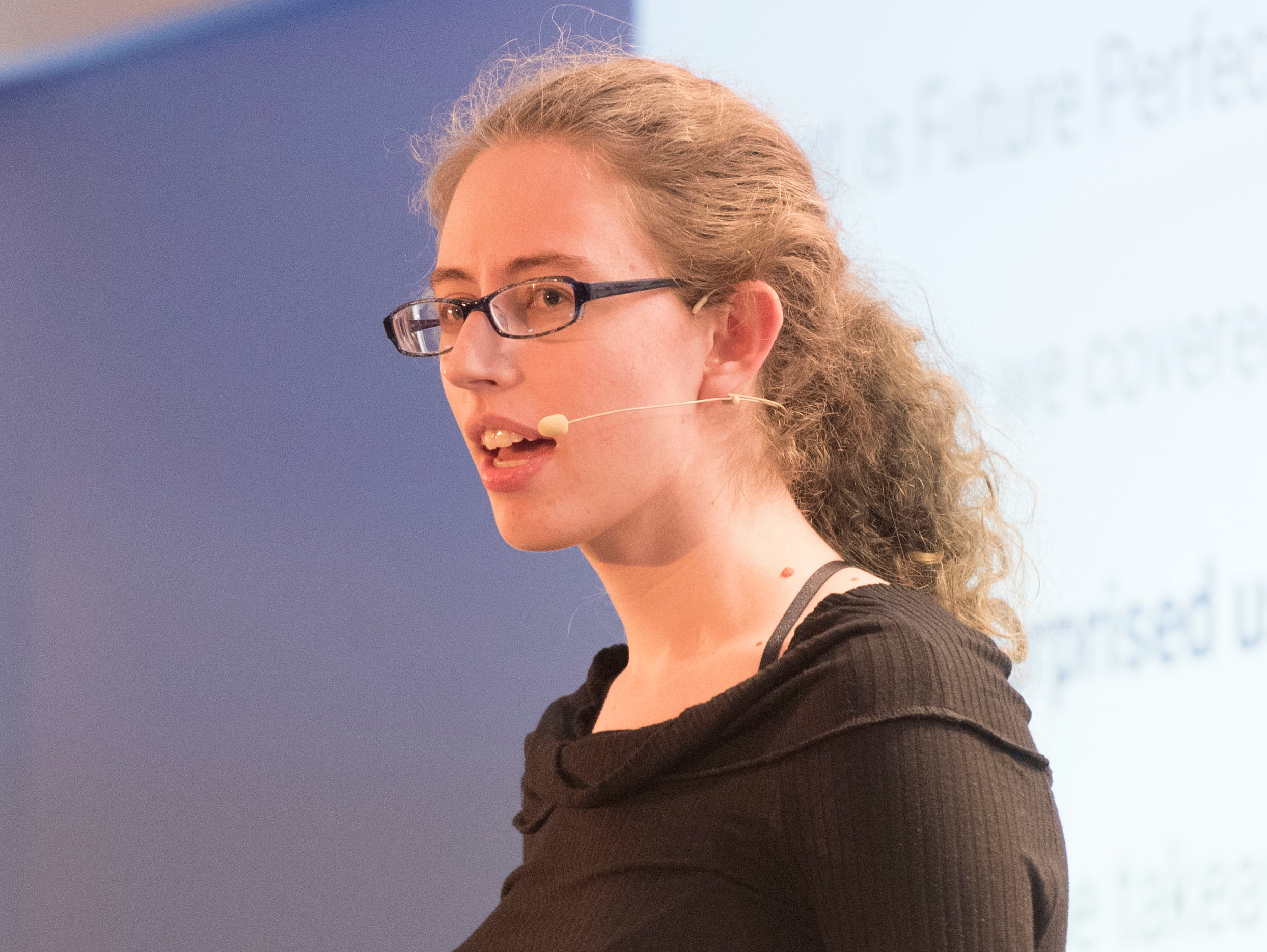
Kelsey Piper is an American journalist and effective altruism advocate best known for her work at Vox's Future Perfect newsletter, where she spent seven years covering AI safety, global catastrophic risks, evidence-based philanthropy, and education policy. She broke major stories including OpenAI's non-disparagement agreements and conducted the first post-collapse interview with Sam Bankman-Fried. In August 2025, she left Vox to co-found The Argument, a Substack newsletter focused on reasoned policy debate. A Stanford Symbolic Systems graduate who pledged 30% of her lifetime income to charity, Piper brings a rare combination of technical fluency, ethical rigor, and accessibility to some of the most consequential questions of our time.

Nelson Elhage
Nelson Elhage is a systems engineer turned AI safety researcher who has left fingerprints across the modern software stack. At Anthropic, he co-authored foundational work on mechanistic interpretability and transformer circuits that shaped how the field understands language models. Before that, he was employee ~30 at Stripe and a founding engineer of Sorbet, the Ruby typechecker now used across one of the world's largest payment platforms. His open-source tools - reptyr, livegrep, and ministrace - are staples in the Linux hacker's toolkit. He blogs at 'Made of Bugs' and runs a Buttondown newsletter on computer systems.