policy
(23)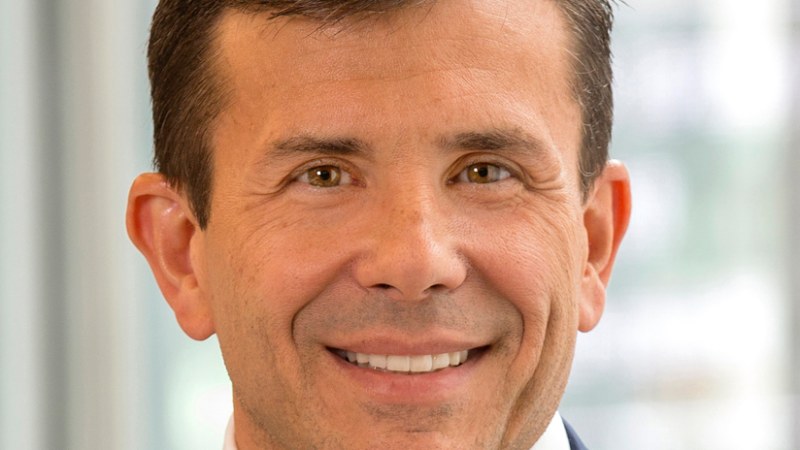
John Crowley
John Francis Crowley is the President & CEO of the Biotechnology Innovation Organization (BIO), the world's largest biotech trade association with 1,100+ member companies in 30+ countries. A Georgetown and Harvard Business School alumnus, Navy Reserve veteran who served in Afghanistan, and author of 'Chasing Miracles,' Crowley co-founded Novazyme Pharmaceuticals - which sold to Genzyme for ~$175-200 million - and later built Amicus Therapeutics from a 5-person startup into a global biopharmaceutical company. His life story inspired the 2010 CBS Films feature 'Extraordinary Measures,' in which Brendan Fraser portrayed him alongside Harrison Ford. Since taking the helm at BIO in March 2024, he has repositioned the organization around U.S. biotech competitiveness, FDA modernization, and patient advocacy.
Hanz Panther
Hanz Panther is listed as Co-Founder and CEO of NewCo, a business-event production company built around an 'inside-out' festival format that swaps the convention-hall stage for the open doors of working companies. Operating at the intersection of media, publishing, and live events, NewCo turns cities into temporary campuses where the public walks into real offices instead of watching keynotes. Panther's public footprint is thin, but the role places him inside one of the more distinctive experiments in how modern business gatherings are produced.
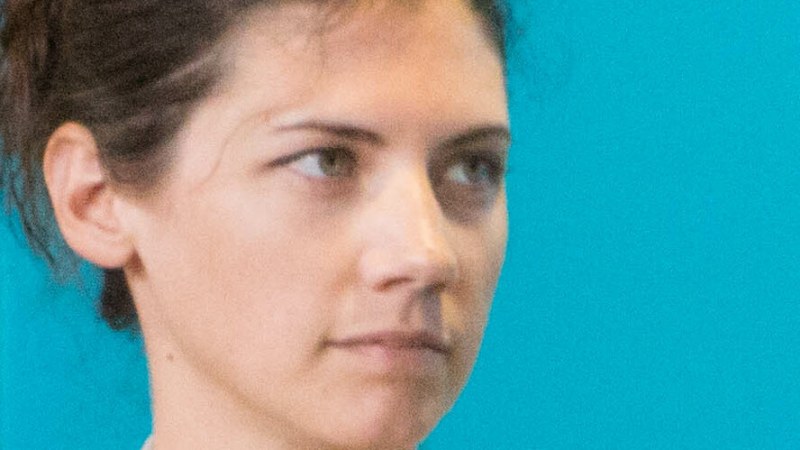
Annie Lowrey
Annie Lowrey is a staff writer at The Atlantic who turns the dry machinery of economic policy into stories people actually read. She coined the phrase the time tax to name the hours Americans waste navigating government paperwork, wrote Give People Money to make the case for a universal basic income, and has spent more than a decade explaining how money moves through people's lives. Her work spans The Atlantic, The New York Times, Slate, and Foreign Policy.
Chris Papagianis
Chris Papagianis is the Chief Strategy Officer of Hudson Bay Capital Management, a multi-strategy hedge fund, a role he took in November 2023. Before that he spent nearly eight years as a partner at Paulson & Co. and president of the Paulson Family Foundation, working public markets, private investments, and the firm's government affairs. His path runs through the West Wing - he was Special Assistant to the President for Domestic Policy under George W. Bush - and through the policy-shop world, where he ran Economics21 at the Manhattan Institute and became one of Washington's most cited voices on housing finance and the unfinished business of Fannie Mae and Freddie Mac. Harvard grad, Peabody Fellow, congressional witness, and a rare operator equally fluent in spreadsheets and statute.

Eric Levitz
Eric Levitz is a senior correspondent at Vox who covers American politics, economics and the future of the Democratic Party, most visibly through his newsletter and column 'The Rebuild.' A former creative-writing student turned wonk, he spent roughly eight years at New York Magazine's Intelligencer before joining Vox, earning a reputation for data-driven, argument-forward pieces that frequently irritate both the online left and the right - sometimes in the same week.

Henry Olsen
Henry Olsen is a senior fellow at the Ethics and Public Policy Center, a Washington Post opinion columnist, and one of the most accurate election forecasters of the past two decades. He called the 2024 presidential race for Donald Trump, including a popular-vote win, while most analysts hedged. A lawyer by training and a Reagan scholar by obsession, Olsen studies the working-class voters that conventional polling tends to miss, and he hosts the weekly podcast 'Beyond the Polls.'
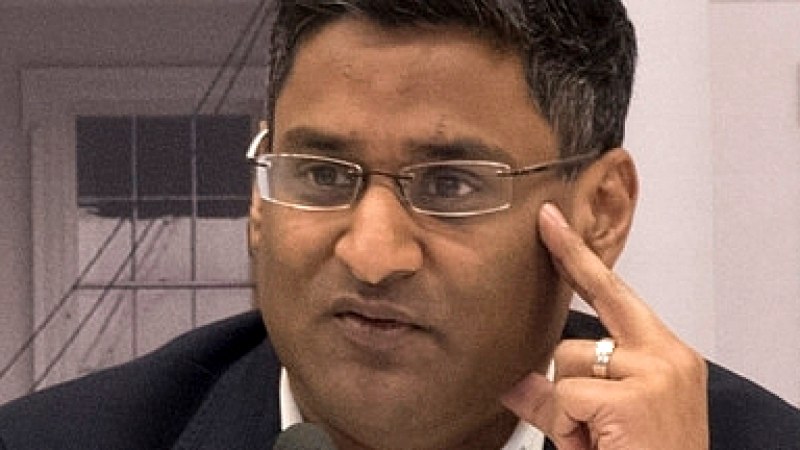
Ramesh Ponnuru
Ramesh Ponnuru is the editor of National Review, a contributing columnist for The Washington Post, and a senior fellow at the American Enterprise Institute. A Princeton-trained historian who started at National Review as an intern and never really left, he has spent more than two decades as one of the most cited voices in American conservatism, championing 'reform conservative' ideas like expanding the child tax credit and rethinking monetary policy. He is also a contributing editor to the policy journal National Affairs and a frequent television commentator.
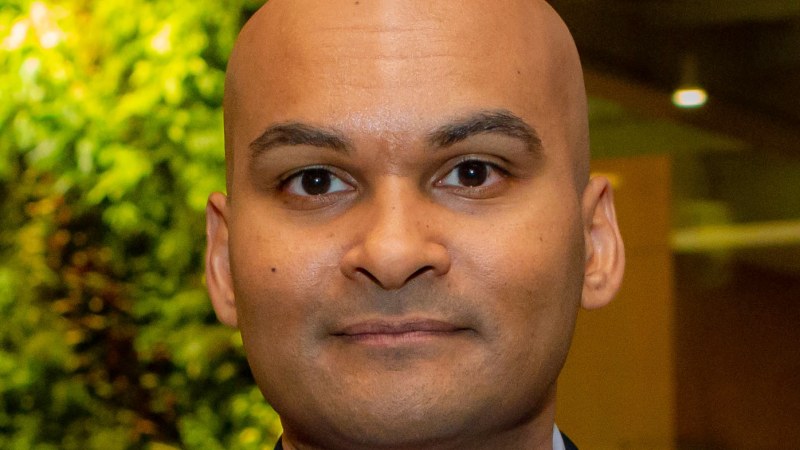
Reihan Salam
Reihan Salam is the fifth president of the Manhattan Institute for Policy Research, a Brooklyn-born son of Bangladeshi immigrants who climbed from editorial researcher to one of the most cited voices on the American right. A former executive editor of National Review and associate editor of The Atlantic, he co-wrote Grand New Party with Ross Douthat and authored Melting Pot or Civil War?, making the case for a working-class, multi-ethnic conservatism and a skills-based immigration policy.
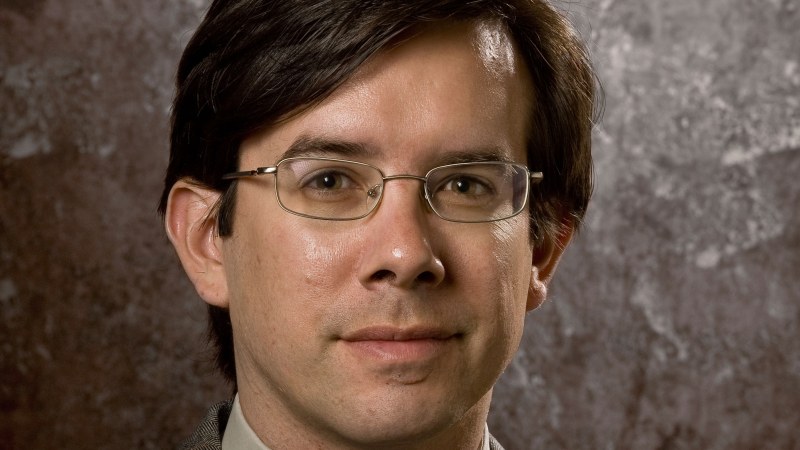
Will Wilkinson
Will Wilkinson is a political analyst, essayist, and policy intellectual who spent two decades navigating the intellectual terrain between libertarianism and liberalism before landing somewhere more interesting than either. A former research fellow at the Cato Institute and vice president at the Niskanen Center, he has written for The New York Times, The Economist, The Atlantic, and dozens of other outlets. Currently working in government affairs at Persona, a digital identity company, he continues to publish the 'Model Citizen' newsletter on Substack, where his blend of philosophy, political science, and sharp commentary finds its most faithful audience.

Ken Berrick
Ken Berrick founded Seneca Family of Agencies in 1985 in Oakland and spent four decades turning a single home for boys into a 1,900-person nonprofit serving children across California and Washington through a model he calls Unconditional Care. Now CEO Emeritus of Seneca and President and CEO of Just Advocates, he keeps arguing the same line: kids aren't failing the system, the system is failing kids.
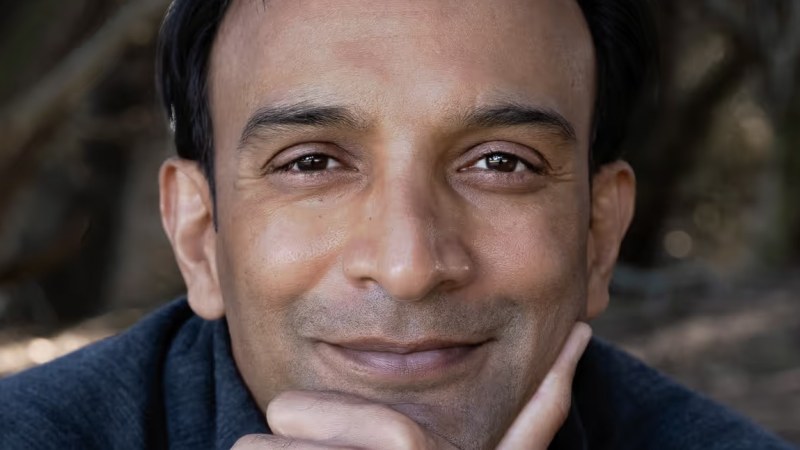
DJ Patil
DJ Patil is a General Partner at GreatPoint Ventures in San Francisco. He coined the modern title 'data scientist' while at LinkedIn, served as the first U.S. Chief Data Scientist under President Obama, and was CTO of the Biden-Harris Transition. He now invests in healthcare, enterprise tech, and national security.
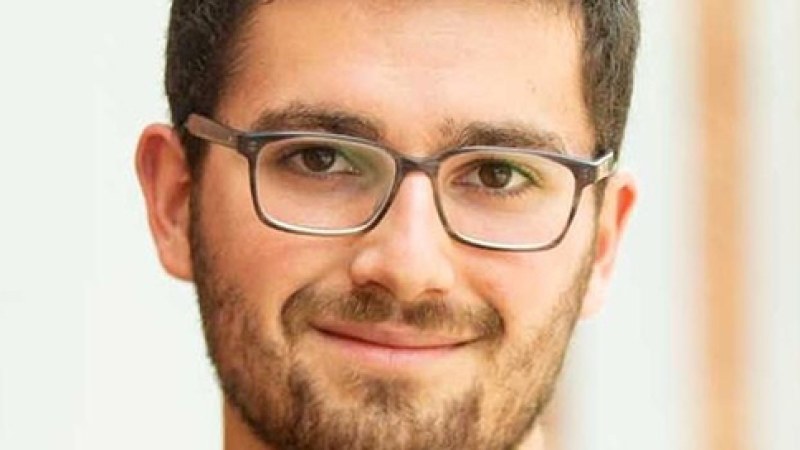
Jack Cable
Jack Cable is the CEO and co-founder of Corridor, a San Francisco-based AI security startup that raised a $25M Series A at a $200M valuation in March 2026. Before founding Corridor, Cable spent years at CISA architecting the Secure by Design initiative, helped run the Pentagon's bug bounty programs at Defense Digital Service, and ranked in HackerOne's all-time top 100 hackers. Named to TIME's 25 Most Influential Teens in 2018 at age 17, he started identifying software vulnerabilities at 15 and hasn't stopped since.
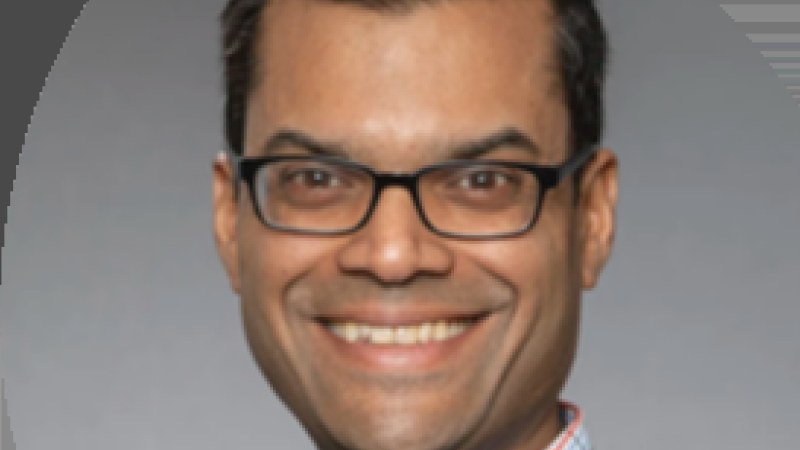
Jay Nath
Jay Nath is Co-CEO and co-founder of Authorium, an AI-powered government procurement and document workflow platform that processes over $50 billion in government transactions. Before Authorium, he served as San Francisco's first Chief Innovation Officer for nearly a decade, where he created landmark programs including Startup in Residence (STIR), Civic Bridge, and Open311 — the nation's first read-write open data standard for 311 systems, adopted by over 50 cities worldwide. Recognized by the Obama White House as a Champion of Change, Nath has spent his career bridging the gap between Silicon Valley agility and the scale of public sector impact.
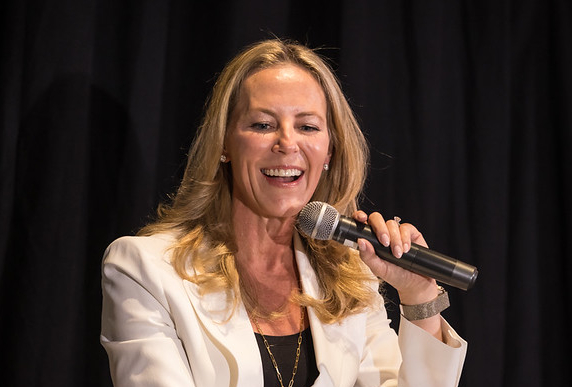
Katie Haun
Katie Haun is the founder and CEO of Haun Ventures, a $1.5 billion crypto and frontier technology venture firm she launched in 2022 after co-leading a16z Crypto. A former federal prosecutor who created the DOJ's first cryptocurrency task force, she is one of the most credible voices at the intersection of law, policy, and digital assets - a former skeptic turned crypto believer, converted by the very Silk Road case she was assigned to prosecute.
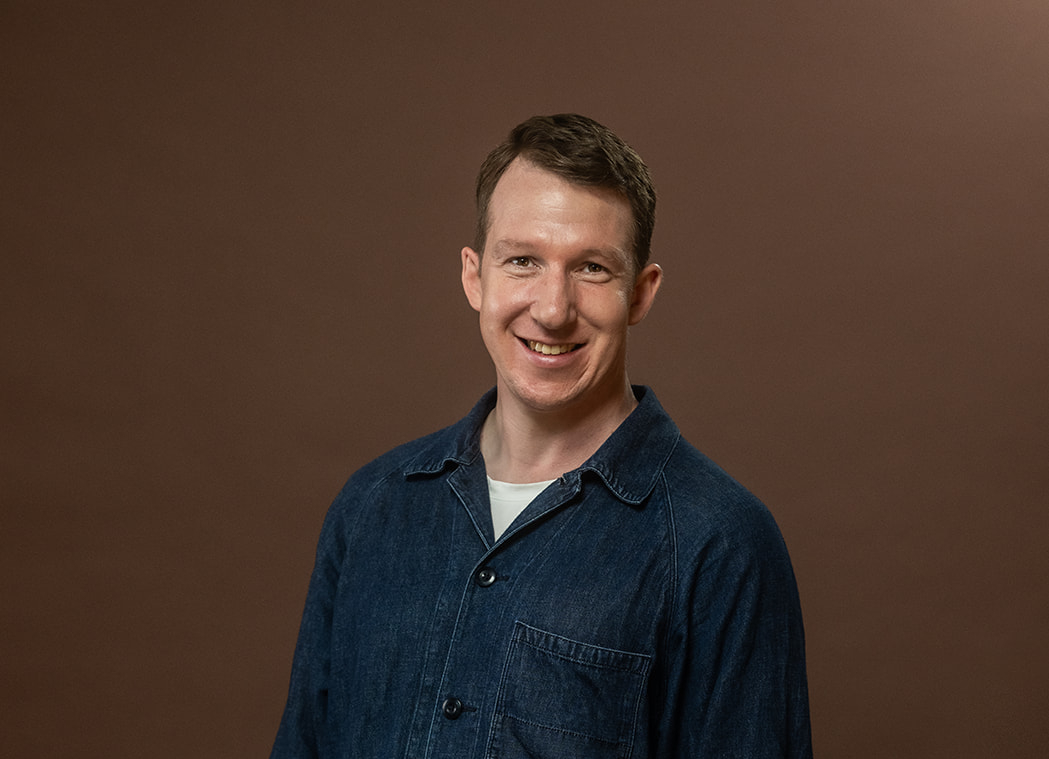
Jack Clark
Jack Clark is a British-American co-founder and Head of Public Benefit at Anthropic, the AI safety company behind Claude. A literature graduate turned AI policy architect, he's the author of Import AI - a weekly newsletter read by ~70,000 researchers and policymakers - and one of the most articulate voices on AI's societal impact. He went from being the world's only dedicated distributed systems journalist to helping build one of the world's most valuable AI companies.

Zvi Mowshowitz
Zvi Mowshowitz is a writer, AI safety analyst, and former professional Magic: The Gathering player. He is best known for his Substack newsletter 'Don't Worry About the Vase,' which publishes detailed weekly AI updates and rationalist commentary to over 33,000 subscribers. Inducted into the Magic: The Gathering Pro Tour Hall of Fame in 2007, Zvi is also the founder of nonprofit policy think tank Balsa Research and co-founded MetaMed, a personalized medical research firm backed by Peter Thiel. He is a prominent voice in the rationalist and AI safety communities, known for his p(doom) estimates of 60-70% and his systematic, data-driven approach to understanding AI risk.
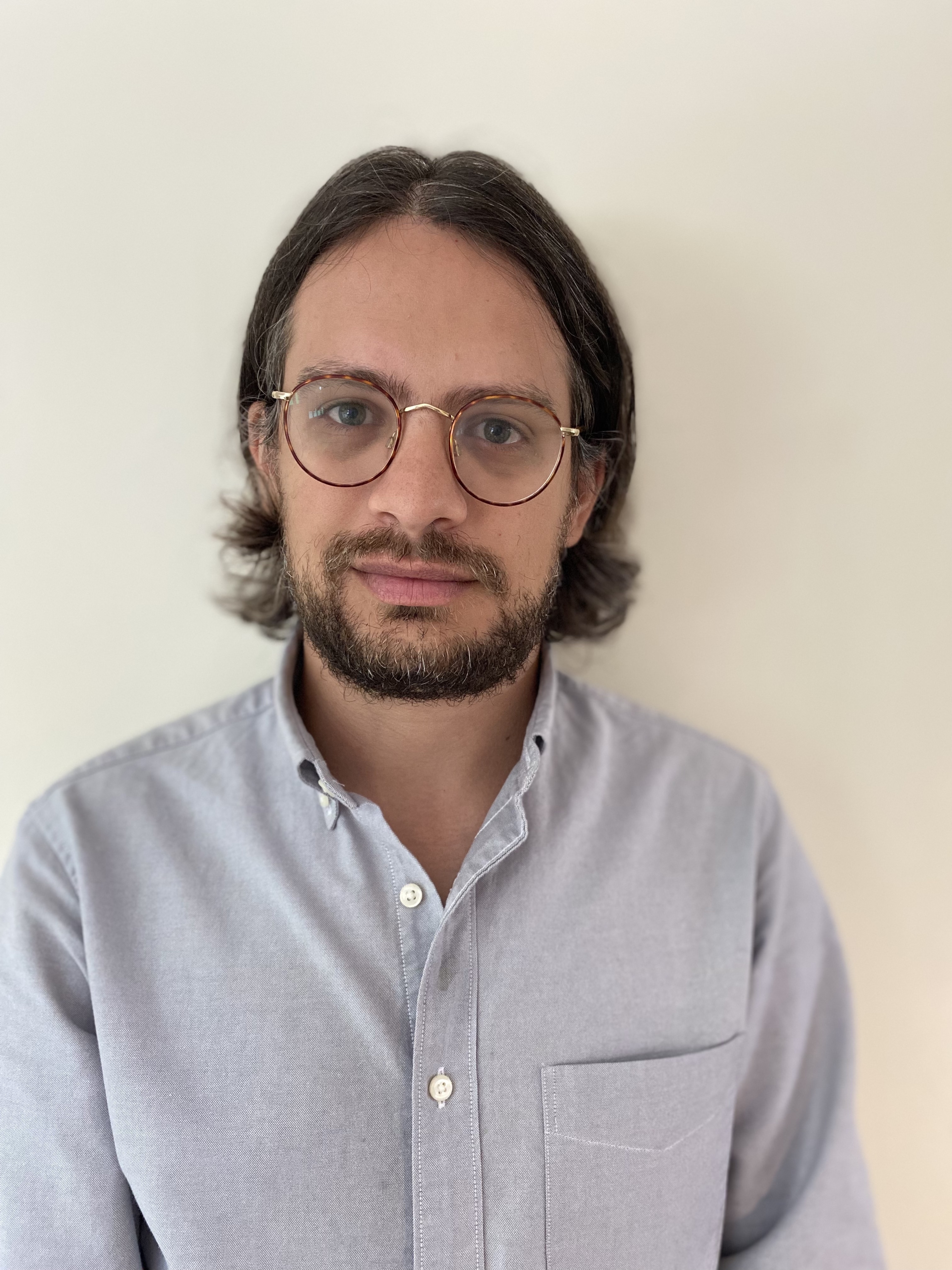
Matthew Zeitlin
Matthew Zeitlin is an economics and energy journalist currently reporting for Heatmap News, where he covers the intersection of policy, finance, and the energy transition. With bylines at BuzzFeed News, Grid, Slate, The Nation, n+1, Bloomberg Opinion, and The Atlantic, Zeitlin has built a career dissecting how money, power, and policy shape the energy grid. He writes a personal economics newsletter on Substack and is one of the sharper voices covering how the U.S. economy navigates decarbonization.
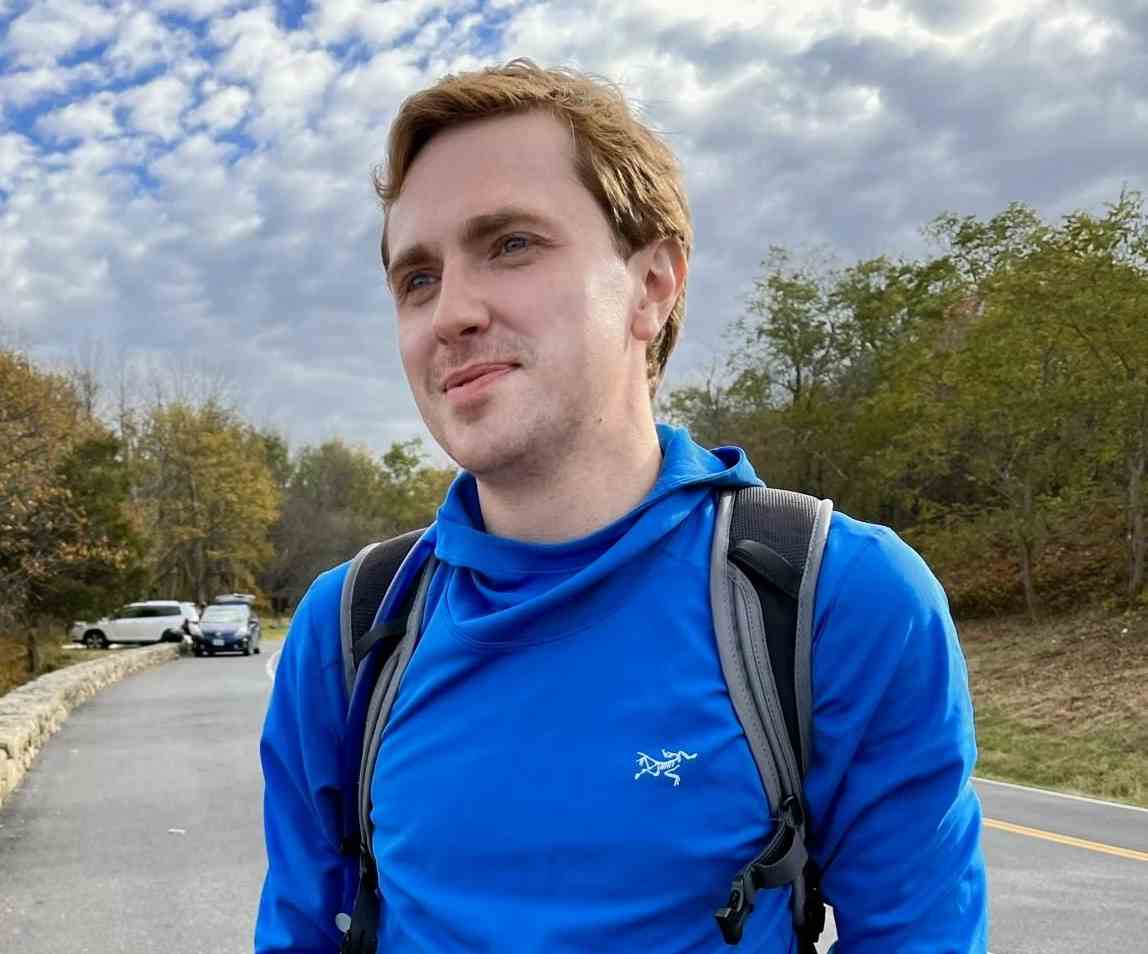
Dean Ball
Dean Ball is a leading AI policy scholar, writer, and former White House advisor who shaped America's AI strategy from the inside. As Senior Fellow at the Foundation for American Innovation, co-host of the AI Summer podcast, and author of the widely-read Hyperdimensional newsletter, he makes the case for market-driven, light-touch governance of frontier AI - arguing that private governance mechanisms, not government mandates, are the right framework for the most transformative technology of our time.

Dylan Matthews
Dylan Matthews is a policy journalist, effective altruism advocate, and former senior correspondent at Vox, where he founded and led the Future Perfect newsletter and section for seven years. Known for his deep-dive reporting on global health, animal welfare, and evidence-based philanthropy, Matthews embodies his own editorial philosophy: he donated a kidney to a stranger in 2016, initiating a chain that helped four people. As of December 2025, he joined Coefficient Giving (backed by Open Philanthropy) to manage the $120M+ Abundance and Growth Fund, moving from writing about doing good to actually doing it.
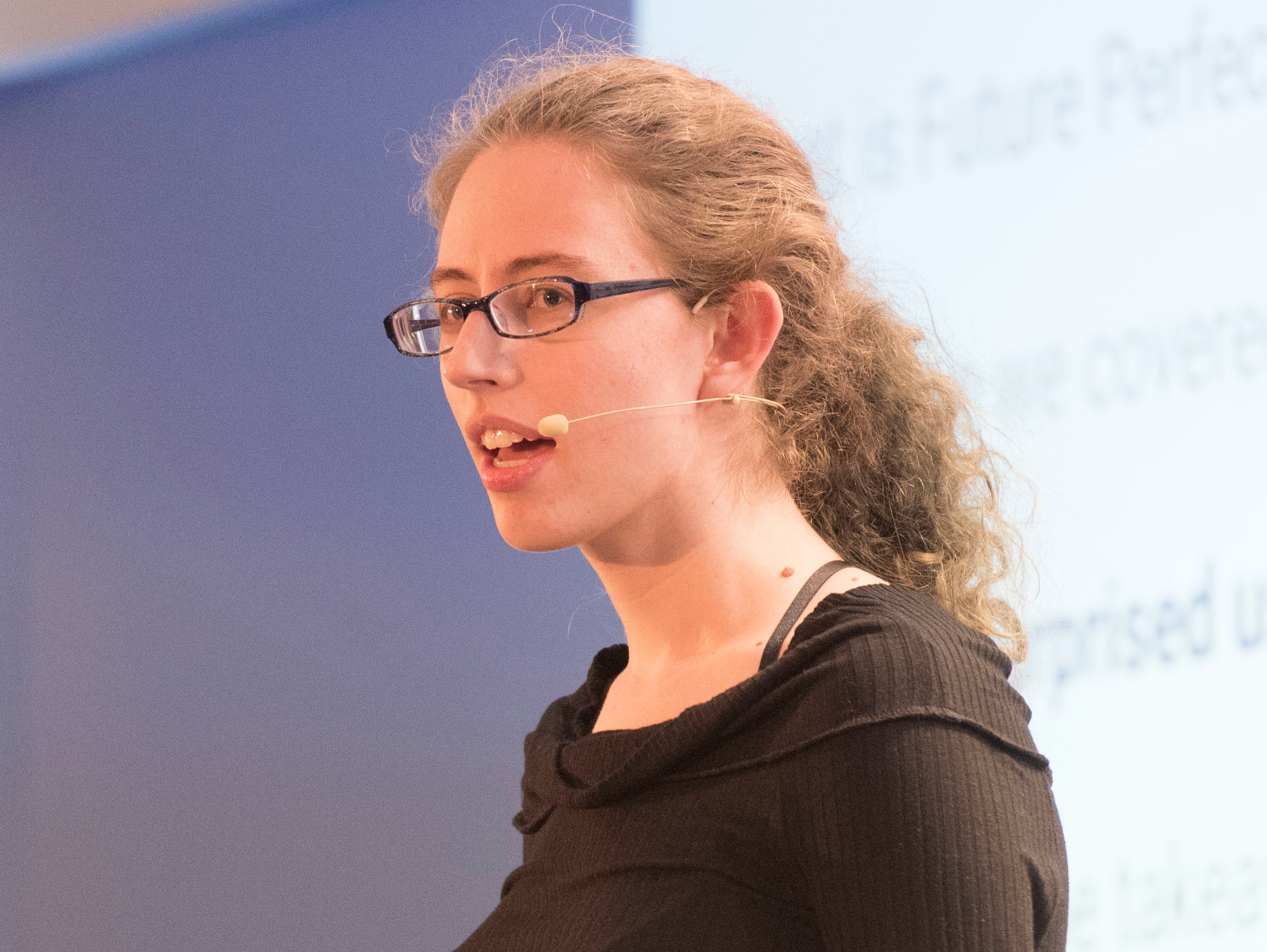
Kelsey Piper
Kelsey Piper is an American journalist and effective altruism advocate best known for her work at Vox's Future Perfect newsletter, where she spent seven years covering AI safety, global catastrophic risks, evidence-based philanthropy, and education policy. She broke major stories including OpenAI's non-disparagement agreements and conducted the first post-collapse interview with Sam Bankman-Fried. In August 2025, she left Vox to co-found The Argument, a Substack newsletter focused on reasoned policy debate. A Stanford Symbolic Systems graduate who pledged 30% of her lifetime income to charity, Piper brings a rare combination of technical fluency, ethical rigor, and accessibility to some of the most consequential questions of our time.

Matt Yglesias
Matthew Yglesias is one of America's most influential political writers - a Harvard-trained philosopher turned media entrepreneur who co-founded Vox and then bet on himself by launching Slow Boring, a Substack newsletter that earns him over $1.4 million a year. Known for his contrarian, rigorously argued takes on housing, immigration, economics, and American governance, he occupies a strange and productive niche: too wonky for Twitter, too heterodox for legacy media, and too prolific for anyone to ignore.
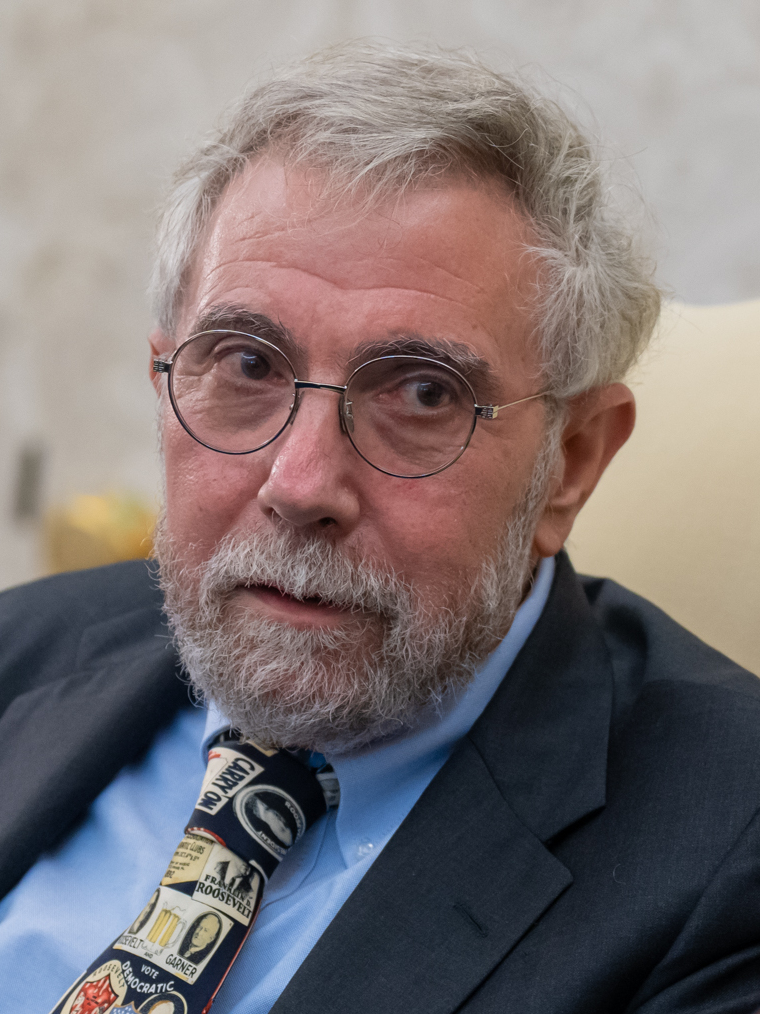
Paul Krugman
Paul Krugman is a Nobel Prize-winning economist, prolific author, and one of the most widely-read economic commentators in the world. After 24 years as an op-ed columnist for The New York Times, he left in December 2024 to launch a daily Substack newsletter that quickly surpassed 569,000 subscribers. A Distinguished Professor at CUNY Graduate Center, Krugman won the 2008 Nobel Memorial Prize in Economic Sciences for his work on New Trade Theory and New Economic Geography. With 4.3 million Twitter followers, 27 books, and a career spanning academia, policy advising, and public journalism, he remains a defining voice at the intersection of economics and politics.

Raylene Yung
Raylene Yung is an engineering leader, organizational designer, and public servant who scaled teams at Facebook and Stripe before co-founding U.S. Digital Response - the nonprofit that mobilized 10,000+ volunteers to help governments navigate COVID-19. She later served as Executive Director of the GSA's Technology Modernization Fund, overseeing $1B+ in federal tech investments, and as Chief of Staff at the Department of Energy's Office of Clean Energy Demonstrations. Now a board member at USDR and SolarAPP+, she writes 'raylene's field notes,' a Substack newsletter on climate, tech, and complex systems.