neurosymbolic-ai
(8)
The AI That Found More Patients, But Not More Minutes
Mendel.ai made oncology trial screening more accurate in a randomized study. The surprise: the human-plus-AI team took about as long as the humans alone.
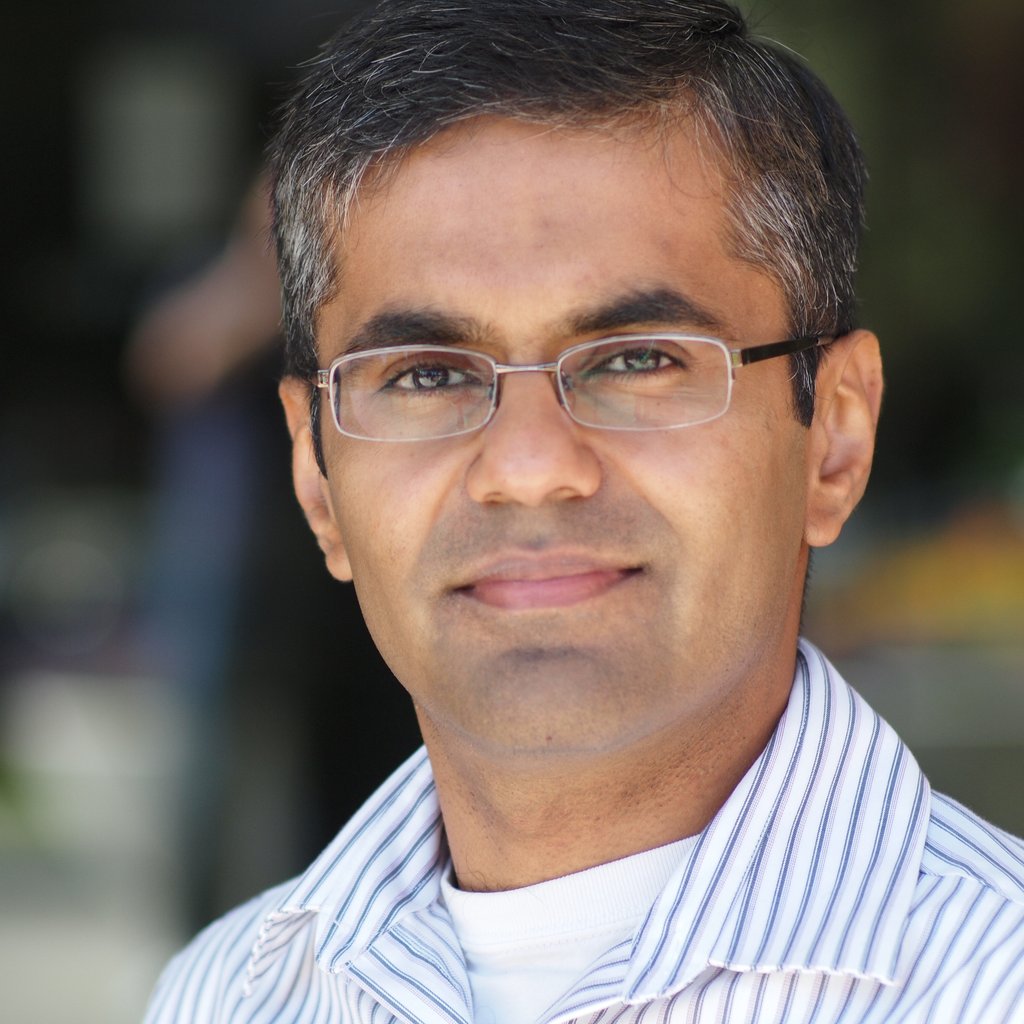
Binny Gill Wants the Next Programming Language to Be English
A father-son coding lesson exposed a stubborn flaw in computing: after decades of progress, people still had to think like machines. Gill built Kognitos around the reverse proposition - make the machine learn our language.
Evidium
Evidium is a San Francisco healthcare-AI company building what it calls 'Referenced AI' - a neurosymbolic platform that turns medical evidence into computable knowledge. Rather than a black box, it projects patients across a computable map of clinical states and the transitions between them, so every insight traces back to guidelines, charts, and research. Founded and led by Carl Bate, the company sells transparent clinician-quality insights and probabilistic risk forecasts to health systems, insurers, and payviders, and closed a $22M Series A co-led by Health2047 (the AMA's venture studio) and WGG Partners in November 2025.
Kognitos
Kognitos is a Mountain View-based enterprise AI company that lets business users automate back-office operations by writing instructions in plain English. Its patented neurosymbolic platform, Koncierge, pairs the language understanding of large language models with a deterministic symbolic execution engine, aiming to run automations that are auditable and free of hallucinations. Founded in 2020 by former Nutanix CTO Binny Gill, the company pitches itself as a modern alternative to legacy RPA tools like UiPath and has raised roughly $85M across seed, Series A, and a $25M Series B.
Syntensor
Syntensor builds frontier AI foundation models for cellular biology and human genetics that simulate how drugs act inside the body before a single patient is dosed. Using dynamical systems simulation and neural differential equations over multi-omics data, its platform predicts drug efficacy, systemic toxicity, and the causes of clinical trial failure, then explains the mechanism behind each prediction. Founded out of the University of Cambridge and now headquartered in San Francisco, the company aims to build an accurate, interpretable mechanistic model of human physiology that de-risks pharmaceutical R&D.
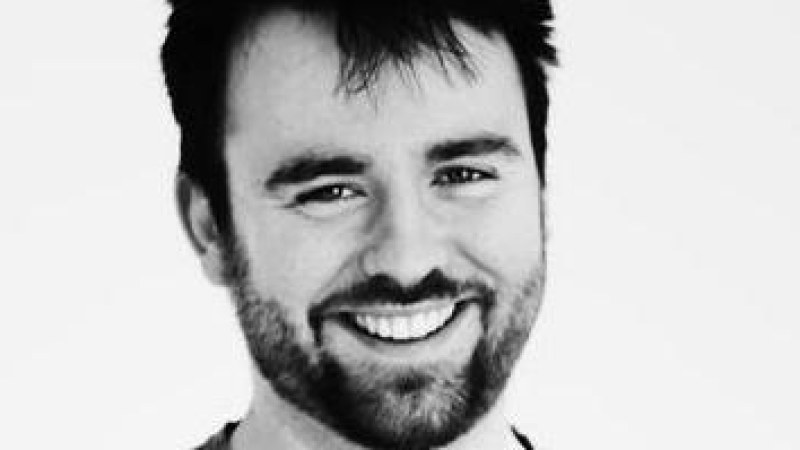
Clayton Rabideau
Clayton Rabideau is the founder and CEO of Syntensor, a San Francisco startup building foundation models and mechanistic simulations of human cell biology to predict drug efficacy, toxicity, and the hidden causes of clinical-trial failure. A Cambridge PhD in chemical engineering and biotechnology, he works at the seam between dynamical-systems mathematics and genomics - a co-author on HyenaDNA, the NeurIPS 2023 spotlight that stretched genomic language models to a million bases of context. He is trying to make biology as fast, iterative, and programmable as software.

Gary Marcus
Gary Marcus is a cognitive scientist, author, and AI critic who has spent 25 years arguing that deep learning alone cannot produce genuine intelligence. A NYU professor emeritus, founder of Geometric Intelligence (acquired by Uber), and co-founder of Robust.AI with Rodney Brooks, he runs the Substack newsletter 'Marcus on AI' with over 103,000 subscribers. His books 'Rebooting AI' and 'Taming Silicon Valley' are essential texts for understanding what current AI systems can and cannot do. He testified before the U.S. Senate alongside Sam Altman in May 2023, calling for strict AI regulation.
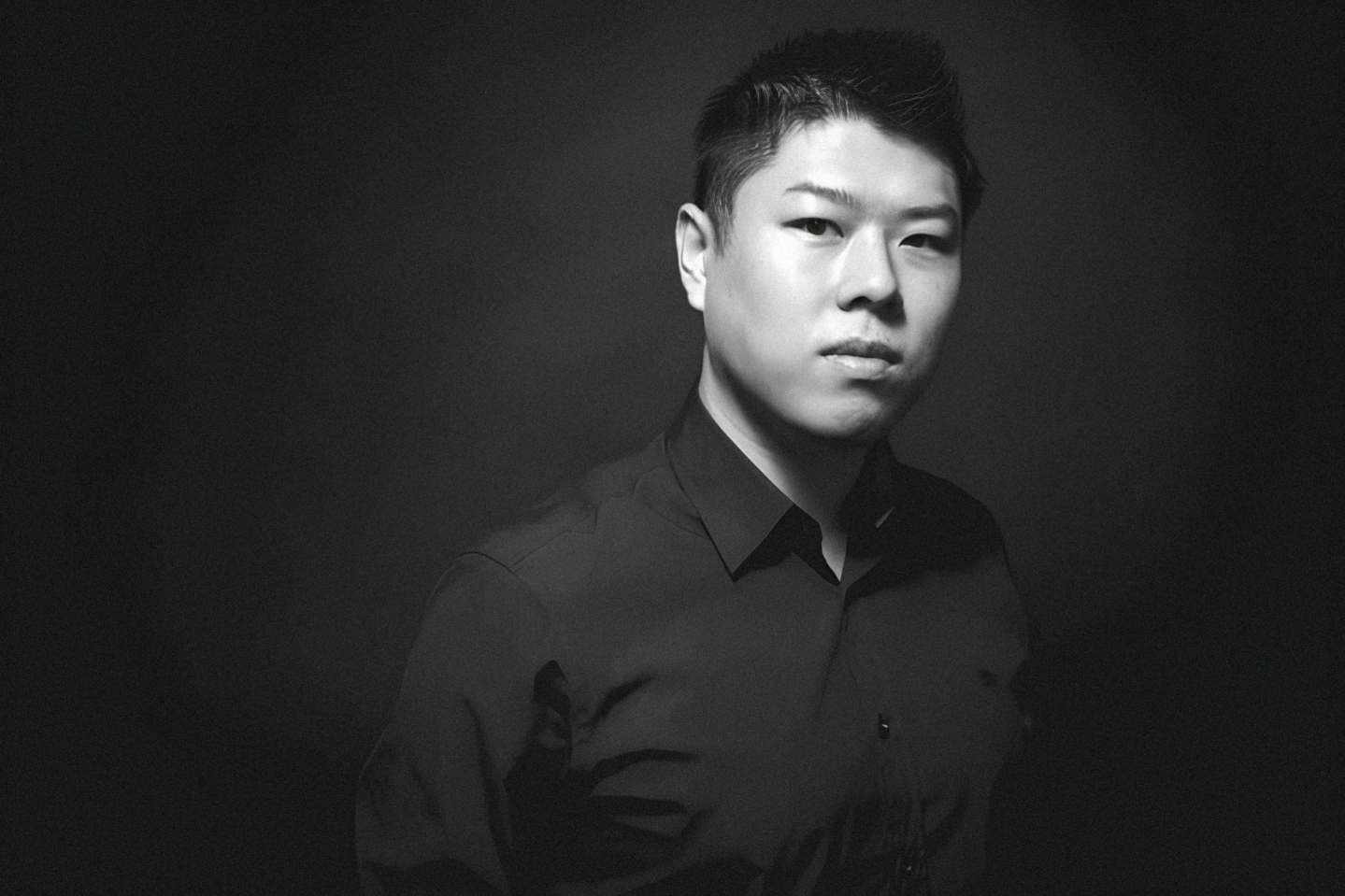
Wayne Chang
Wayne Chang is a Taiwanese-American serial entrepreneur, angel investor, and technologist who co-founded Crashlytics (acquired by Twitter for ~$260M, then sold to Google as Fabric), co-founded Digits (AI-powered fintech for SMBs), and is currently building Reasoner, a neurosymbolic AI company claiming to outperform OpenAI's o1 models. Named one of Forbes' Top 50 Angel Investors with 80+ investments and 31+ exits generating over $150 billion in combined value, Chang also holds the coveted @wayne Twitter handle, holds 20+ patents, won an Emmy for producing Chasing Coral, and helped launch Dropbox by recruiting co-founder Arash Ferdowsi.