sales-engagement
(49)
Fifty apps. One hard decision.
OutReachly put sales prospecting inside a bargain software bundle. Its parent’s decision to wind that bundle down exposes the difference between buying more tools and getting more work done.

Joshua Tillman and the business of dead air
An internship full of phone calls gave Joshua Tillman a problem worth solving. The company that followed, first DialSource and then Conquer, carried a UC Davis idea into enterprise sales.

Kyle Porter and the business he chose to bury
Salesloft was making millions when Kyle Porter decided its most successful product was teaching people to sell the wrong way. The choice that followed explains much about the company he built - and the life he made room for afterward.
Ringover North America: The Money Is in the Minutes After the Call
A French communications company came to Atlanta with a practical wager: the phone call is only half the job. Its real opportunity lies in the notes, follow-ups and coaching that usually fall between the cracks.
The Sales Tool That Refused to Leave the Inbox
Mixmax began by making email more useful. A decade later, it is betting that the best sales assistant lives where the unfinished conversation already is.

The Sales Tool That Started With the Rep
Groove built sales software around the account executive’s day, with Salesforce as its record keeper. Clari bought it to join the act of selling to the numbers executives use to predict revenue.

The Three Scientists Who Tried to Sell Their Way Out of Selling
Amplemarket began with founders who hated the busywork of finding customers. Their answer is a single sales system that spots a reason to call, finds the right person, and helps a human decide what to say.
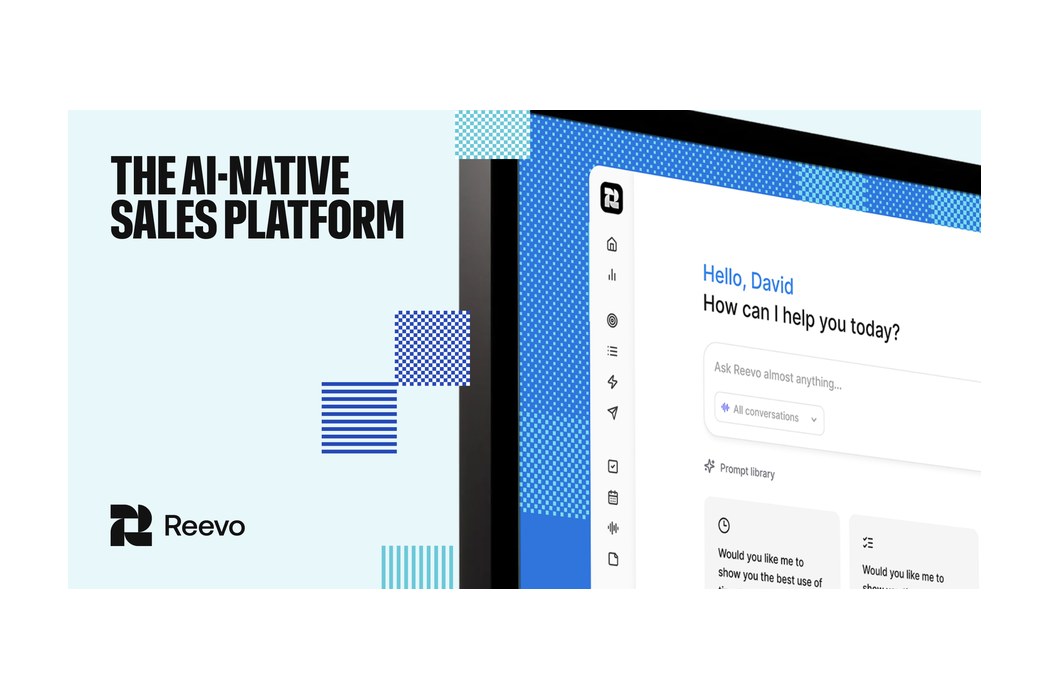
The Sales Stack Ate the Sales Day. Reevo Wants It Back.
Four founders, $80 million in disclosed funding, and one stubborn idea: a sales team should not need a scavenger hunt to understand its own customers.

The Sales Rep Who Never Picks Up the Phone
Artisan made its name telling companies to stop hiring humans. Its more interesting lesson came after the slogan: autonomous sales works best when the machine knows exactly when to hand the conversation back.

AiSDR Put a Research Desk Behind the Send Button
AiSDR wants to rescue outbound sales from the spam cannon. Its agent finds a reason to write, does the homework, and hands humans the conversations worth having.

Apollo Puts the Whole Sales Floor in One Tab
Apollo folds prospecting, enrichment, outreach, calls, and deal work into one busy cockpit. The bargain is real, provided you test the data before you trust the autopilot.

La Growth Machine Turns Outbound Into a Switchboard
La Growth Machine choreographs LinkedIn, email, calls and voice notes from one canvas. The clever part is not sending more messages - it is knowing when to change channels, and when to let a human take over.

HeyReach Turns LinkedIn Outreach Into a Team Sport
One campaign, many senders, one inbox. HeyReach makes multi-account LinkedIn prospecting manageable, but the smart buyer treats platform risk and message quality as part of the bill.

Reply.io Wants the Whole Outbound Desk
Reply.io now finds prospects, warms inboxes, writes the pitch, works the follow-up, and can even book the meeting. The clever bit is not the robot rep. It is putting the entire outbound mess on one desk.
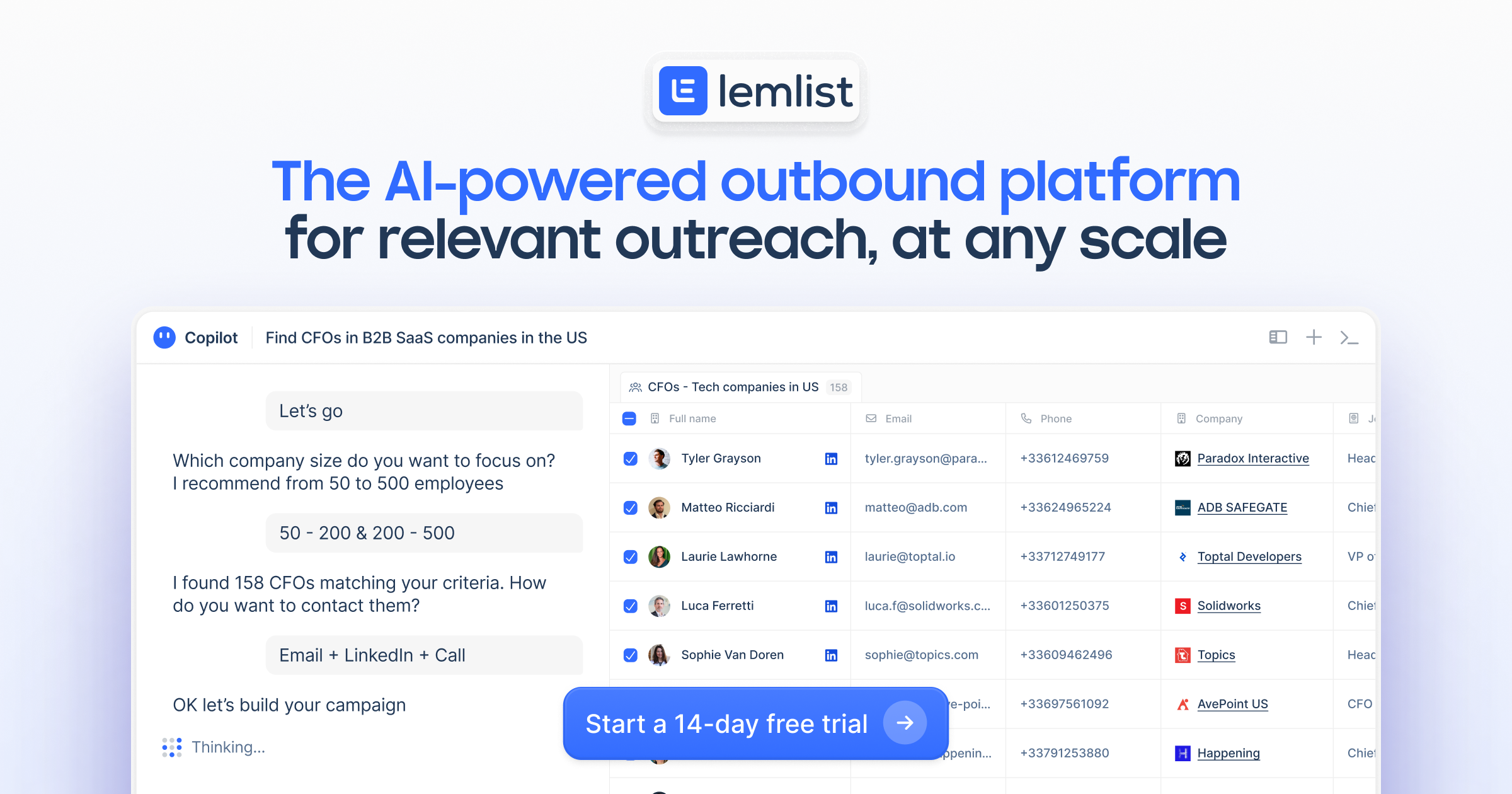
Lemlist Wants Your Cold Email to Feel Less Cold
The French sales platform has spent eight years turning a personalization trick into an outbound control room. Here is who should use it, what the credits really buy, and where the charm meets the spreadsheet.

Instantly Wants to Run Your Cold-Email Machine
Instantly bundles lead search, inbox warmup, campaigns, replies, and a CRM into one busy sales desk. The convenience is real. So are the modular bill and the responsibility to send like a person.

Smartlead Built a Switchboard for the Cold-Email Factory
For agencies juggling dozens of domains, Smartlead turns cold outreach into one controllable machine. The machinery is capable, the pricing favors scale, and the operator still needs to watch every gauge.
Conquer Put the Sales Stack Inside Salesforce. Then It Went Shopping.
The company once known as DialSource spent years fixing the unglamorous plumbing of enterprise selling. Now it is stitching calls, coaching, attribution and buyer collaboration into one Salesforce-native operating layer.
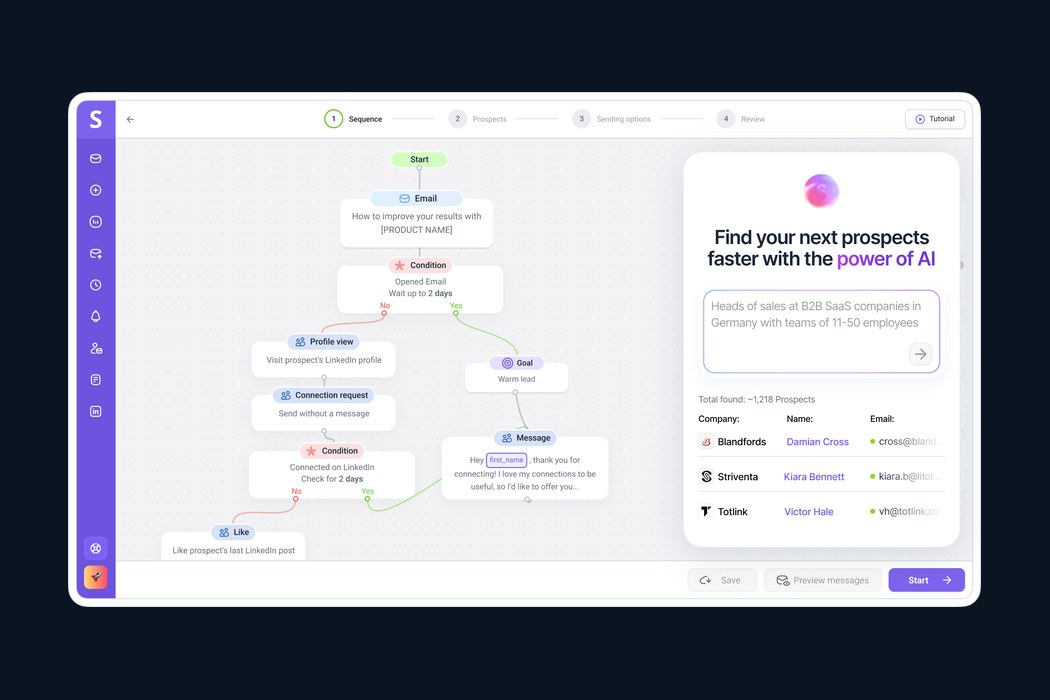
Snov.io Found the Email. Then It Learned the Hard Part Was Everything After
The Ukrainian SaaS started as a Chrome-friendly email finder. Its more interesting move was admitting that a found address is useless until prospecting, verification, follow-ups and pipeline all share the same room.

Gong Put the Sales Call on Trial - Then Built a $500 Million AI Business from the Evidence
The original product listened to calls that managers could never attend. A decade later, Gong wants its agents to plan, coach, forecast, and act - but the winning lesson is still wonderfully small: capture reality before asking people to summarize it.
Klenty Turned the Cold-Email Grind Into a Sales System - Now It Wants AI to Pick Up the Busywork
Three founders started by fixing a problem they had lived: one-to-one prospecting stops scaling, but indiscriminate automation burns the people you want to reach. Klenty’s decade-long bet is that the winning system sits between those two mistakes.

Ashok Kammara Left Derivatives for the Messy Math of a Ringing Phone
After 13 years in financial services, Klenty's founding marketer chose a less orderly ledger: the missed calls, burned numbers and human follow-ups that decide whether an outbound team works.

Apollo Looks Cheaper Until You Price the Missing Data
Apollo sells prospect data and sales engagement in one system. Groove runs the workflow, but its quote only makes sense after you add the data, integrations and operating costs your team still needs.

Salesloft Wants To Tell Sellers Exactly What To Do Next
The Atlanta company retired the old sales cadence and replaced it with Conductor AI, an engine that ranks every rep's next move in real time. It is the clearest bet yet that revenue work becomes a prioritized list, not a guessing game.
Your CRM Already Picked Your Sales Engagement Shortlist
Groove is a Salesforce-native choice, so non-Salesforce teams can cross it off immediately. The real contest then comes down to Outreach’s control, Salesloft’s workflow, or Apollo’s data-plus-engagement bundle.
Salesloft
How an Atlanta software company turned the daily grind of sales outreach into a category - and bet its next chapter on AI that tells sellers what to do next.
Convoso
The leading AI-powered sales platform for fueling growth.

Groove Made Salesforce Do the Selling Reps Hated Most
Groove built the first sales engagement platform that lived inside Salesforce instead of syncing to it. A decade later, after a $45 million round and a deal with Clari, the bet on being native still defines the category.
Coldreach
Coldreach is a Y Combinator-backed (W23) AI sales development platform that helps B2B teams find companies that are ready to buy right now. Instead of blasting cold emails to random lists, teams describe what a buying signal looks like for their product in plain language, and Coldreach monitors 113M+ companies across job postings, news, LinkedIn activity, SEC filings, hiring changes and more, 24/7. When a match fires, the AI researches the account and writes personalized outreach that references the specific event - which the company says produces meaningfully higher reply and booking rates than spray-and-pray outbound.

Srinath Sridhar
Srinath Sridhar is the co-founder and CEO of Regie.ai, an AI-native sales engagement platform based in San Francisco that automates prospecting and generates personalized outbound campaigns for enterprise sales teams. A computer scientist with a PhD in algorithms and machine learning from Carnegie Mellon and an MBA from Harvard, he spent time on Facebook's early engineering team and was a founding engineer at BloomReach before co-founding the supply-chain company Onera. He now argues for a humanistic approach to AI, one that hands routine work to machines so people can do the creative parts.