The reason to care about AiSDR is not that it can write another cold email. The internet already has enough of those, including the ones that praise your “impressive work at Company Name” and then forget to replace Company Name. AiSDR is interesting because it tries to decide who deserves an email, why today is a sensible day to send it, and what a real person at that account might actually care about.
That makes it useful for a particular kind of buyer: a B2B founder who has found a market but cannot work every lead, or a revenue team whose reps lose mornings to research, list cleaning, CRM chores, and follow-ups. If your offer is fuzzy, your customer profile is a shrug, or your plan is to carpet-bomb 10,000 inboxes, keep your card in your wallet. AiSDR openly says it is a poor fit for “set and forget” automation and for teams expecting software to repair a broken offer.
The cleanest description is an outbound control room. Its Ami agent can read your site, study an ideal-customer profile and a sample email, then propose audiences, buying signals, hooks, and a full campaign. From there AiSDR can find contacts, research them, send across email and LinkedIn, field routine replies, qualify interest, and book time. Calls stay human, with Aircall scripts and prospect context supplied before the rep dials.
Who should put it to work
AiSDR suits teams where one good meeting can pay for a meaningful slice of the subscription. Think B2B software, agencies, professional services, or other considered purchases with defined buyers and enough margin. Solo founders get a $250 entry point. Teams testing outbound as a repeatable channel are the clearer audience for the $900 Explore plan. Scale, at $2,500 per month, adds Salesforce, more sending infrastructure, website-visitor outreach, AI video, and voice notes.
Call Ami in
- Your ICP and offer already make sense.
- Reps are buried in research and follow-up.
- HubSpot or Salesforce is your source of truth.
- A qualified meeting is worth real money.
Keep the humans close
- Your brand cannot tolerate an odd reply.
- No one owns campaign review.
- You need a broad public API or many CRMs.
- Your economics demand bargain-volume sending.
The clever bit happens before “send”
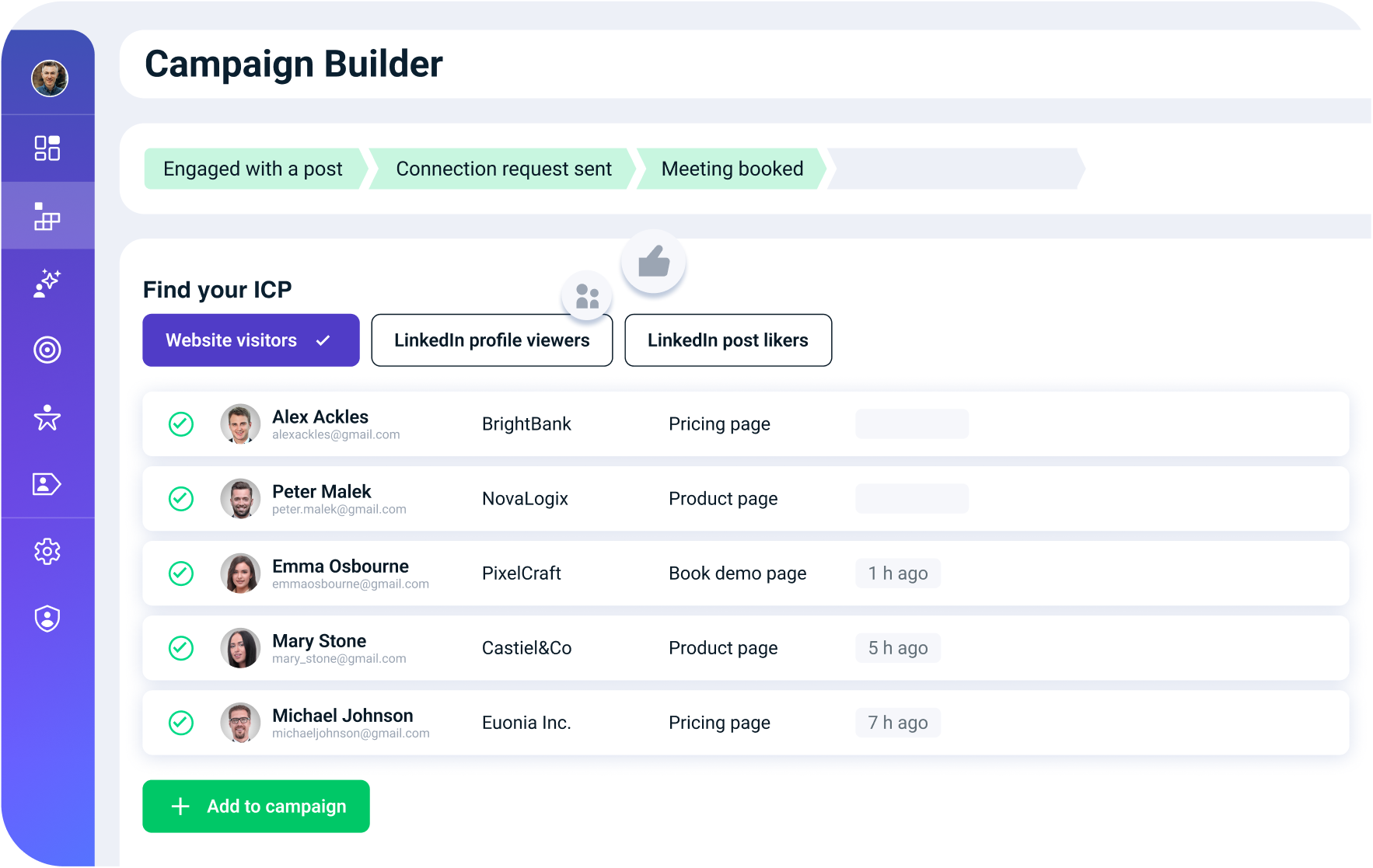
Most sequencing tools begin with a list. AiSDR wants to begin with a reason. Its Live AI search accepts a plain-English description such as sales leaders at recently funded B2B companies that are hiring a role your product supports. It can monitor public signals including funding, executive moves, hiring, technology changes, company news, website visits, LinkedIn profile visits, keywords, and post engagement. Existing CRM lists can be rescored as the world changes around them.
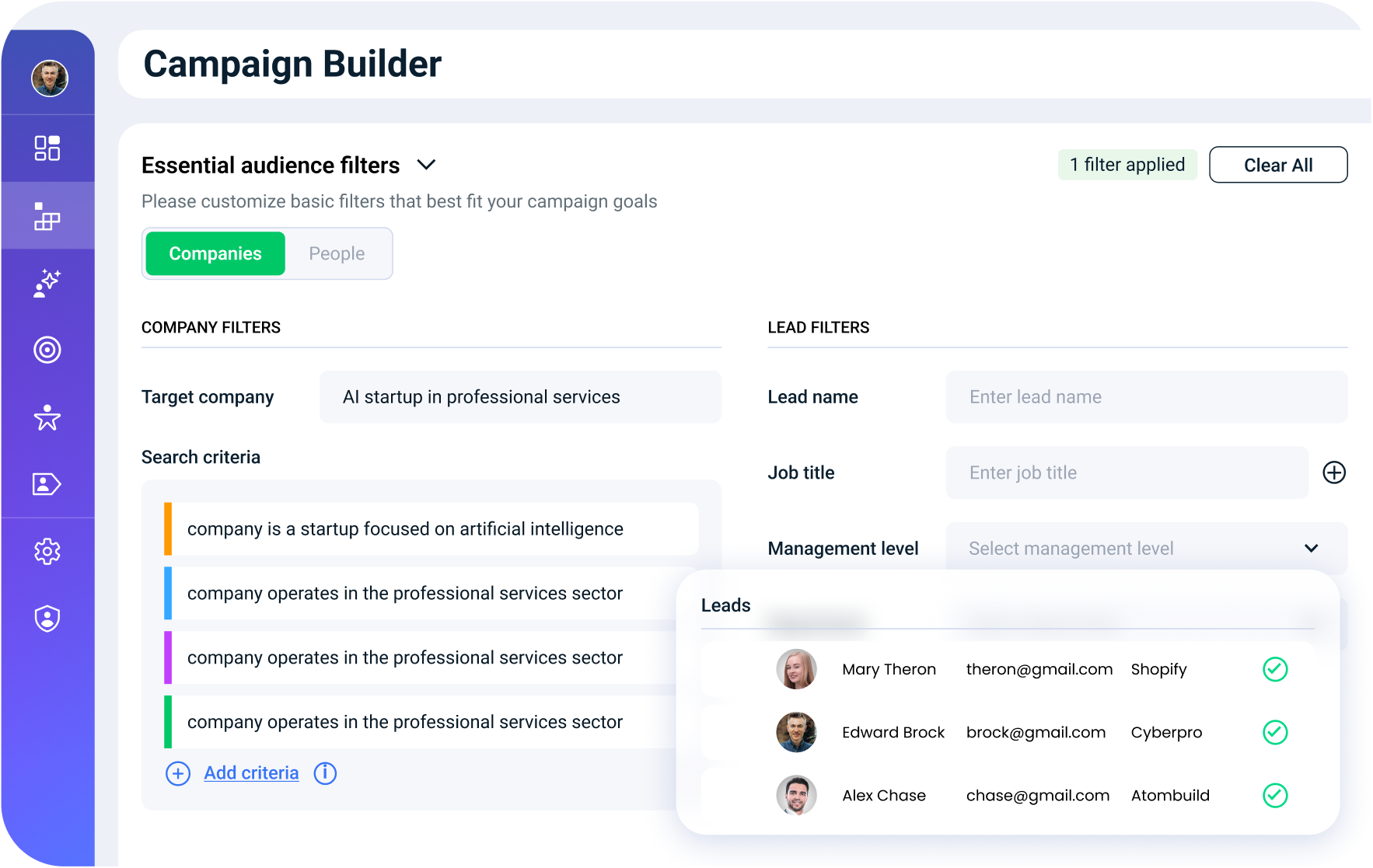
Once a target qualifies, the platform researches current posts, company news, industry context, and likely business problems. It selects a few useful facts rather than stuffing a biography into the opening line. GPT-5 and GPT-5 Thinking joined the available model choices in 2025, alongside technology from OpenAI and Anthropic. The user can tune a persona, preview messages, add rules, and decide whether the agent replies autonomously or drafts in co-pilot mode.
The signal-to-handshake relay
“A good AI SDR is less ghostwriter, more air-traffic controller: it knows what should move, what should wait, and when a human needs the runway.”YesPress assessment
One sequence, several doors
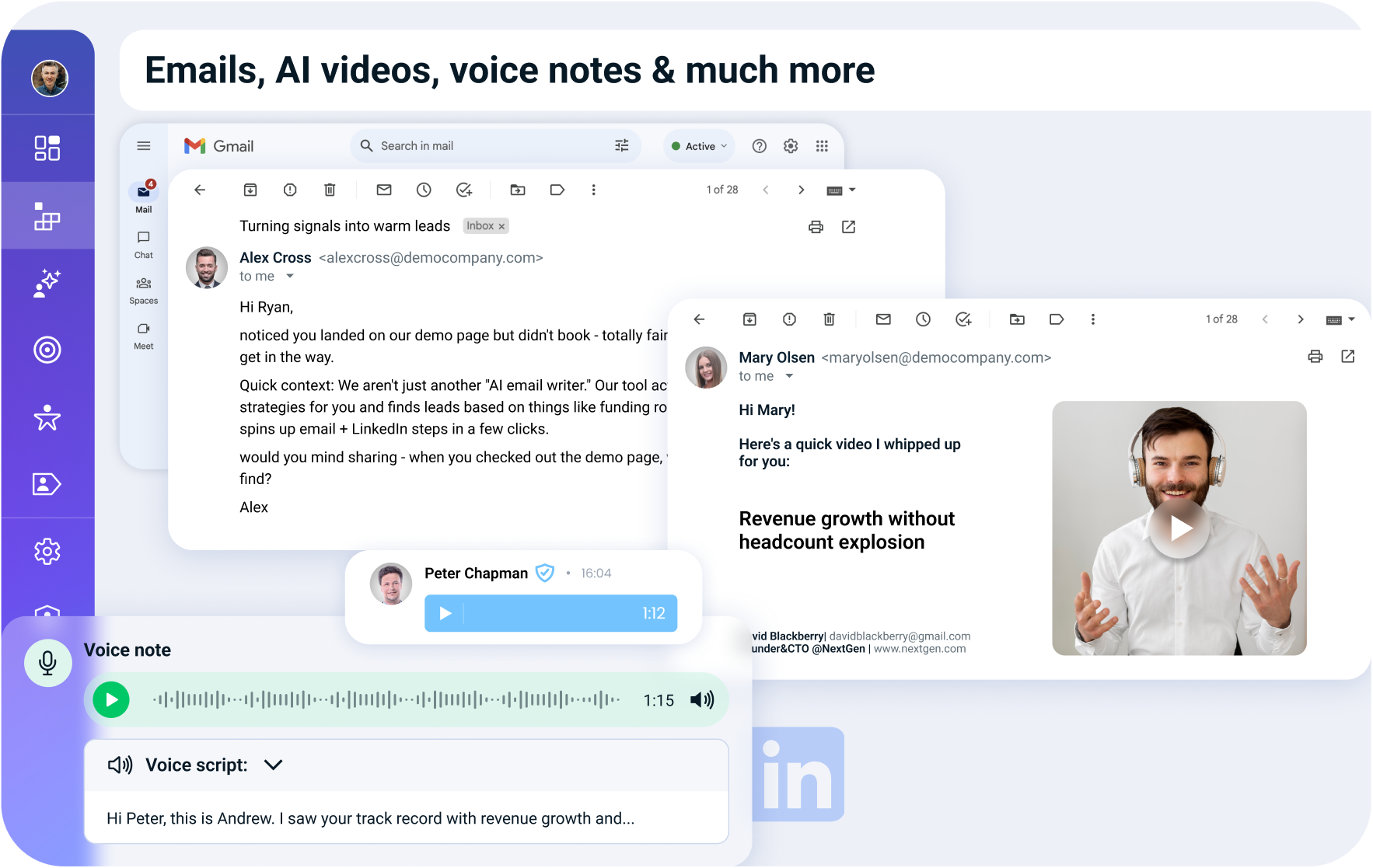
Campaigns can mix Gmail or Outlook email, LinkedIn connection requests, direct messages and InMail, plus phone tasks. Rules can pause, skip, or switch steps based on prospect behavior. At the Scale tier, sequences can include generated video and LinkedIn voice notes. Through Aircall, a rep gets a researched call script, click-to-call, recordings, transcripts, summaries, and follow-up context without shuffling numbers between tabs.
The plumbing is unusually central to the offer. Plans include domains and mailboxes, ongoing warmup, inbox rotation, domain-health monitoring, repeated bounce checks, and unsubscribe cleanup. This matters because clever copy is worthless if it goes to spam. It also creates a sober constraint: the company says warming infrastructure to full volume takes more than 30 days. Explore and Scale therefore carry quarterly contracts, although invoices are monthly. Solo is month-to-month.
The numbers need name tags
AiSDR says more than 250 companies are active customers and that clients booked roughly 12,000 meetings in 2025 after sending more than one million emails. Its homepage advertises one to three qualified meetings per 100 leads. These are company figures, useful as orientation rather than a forecast for your niche. The more independent signal is G2: AiSDR held a 4.6 out of 5 rating from more than 100 reviews in early September 2026.
The reviews tell a more useful story than any single conversion number. Users repeatedly praise responsive support, easier campaign setup, time saved, relevant personalization, and the ability to cover more accounts without matching headcount growth. One small-business reviewer reported 11 meetings in the first month. Another described a clean bridge between lead capture and follow-up. Those are individual outcomes, not promises.
The cautions are consistent too. G2’s review summary notes occasional irrelevant messaging and a need for adjustment. One mid-market reviewer said three people still touched the system daily: an SDR on responses, demand generation on campaigns, and product marketing on copy. Reddit is harsher and usefully skeptical. Posters have called the monthly price high, questioned whether AI SDRs outperform a carefully assembled lower-cost stack, and described some products in the category as undercooked. The lesson is ordinary but important: automation magnifies inputs, including weak ones.
What the bill really buys
| Plan | Published price | Capacity | Best reading |
|---|---|---|---|
| Solo | $250/mo, monthly | 200 researched contacts, 1 user, 1 domain, 3 mailboxes, 1 LinkedIn account | A controlled founder test with HubSpot sync |
| Explore | $900/mo, quarterly term | 800 contacts, unlimited users, 2 domains, 6 mailboxes, 5 LinkedIn accounts | A team proving outbound as a channel |
| Scale | $2,500/mo, quarterly term | 2,500 contacts, 6 domains, 18 mailboxes, 20 LinkedIn accounts | Salesforce, visitor signals, and multimedia at volume |
Annual prices shown are $2,400, $8,640, and $24,000, a 20 percent discount. Managed support can add $149 per campaign on Explore or $2,500 per month on Scale. Extra domains with three mailboxes cost $99 per month according to the help center. Unused message credits roll forward while a subscription remains active.
Compare the total workflow, not the copywriter alone. AiSDR is competing with a stack that might include Apollo or Cognism for data, Clay for enrichment, Instantly or Smartlead for sending, a LinkedIn sequencer, an intent product, an inbox warmer, and somebody paid to connect the pieces. A disciplined technical team may build that stack for less and enjoy more control. A lean team may prefer one bill, one support channel, and fewer integrations to babysit.
A buyer’s test before the quarterly clock starts
- Bring one segment, not your whole market.
Choose a narrow ICP with a real problem, reachable buyers, and enough accounts for a fair test. - Define the signal in plain language.
“Recently funded” is weak alone. Pair it with a relevant hiring plan, technology change, initiative, or behavior. - Feed it copy you would proudly send.
Ami can learn a voice from an actual email. Give it proof, boundaries, forbidden claims, and a clean handoff rule. - Measure meetings that happen.
Track positive replies, held meetings, cost per held meeting, sourced pipeline, and influenced pipeline separately. - Assign an adult to the dashboard.
Review early messages, negative replies, bounce health, and odd conversations. Turn off losing campaigns quickly.
The 2026 Campaign Management release helps with that last job. It puts reply rate, positive reply rate, meetings, bounce rate, channel split, trends, sending utilization, and a health score into the campaign list. AI Lead Monitoring keeps rechecking CRM lists for changes, while updated Salesforce documentation describes two-way logging of leads, contacts, activities, enrichment, and pipeline influence. HubSpot remains the broader entry-level CRM option.
The verdict: judgment at machine tempo
AiSDR’s sharpest idea is that outbound should be a sequence of decisions, not a sequence of sends. The product gathers those decisions into one place: who fits, what changed, which fact matters, which channel comes next, whether a reply is warm, and when to bring in a person. The experience shown in its current product materials is much closer to a campaign operating system than the email bot it launched as in 2023.
That ambition also creates its biggest risk. When one system controls data, research, words, timing, infrastructure, replies, and attribution, a bad assumption can travel a long way before anyone notices. The answer is not panic. It is ownership. Give AiSDR a narrow brief, a credible offer, explicit guardrails, and a human who reads the room.
For a founder with no outbound muscle, Solo is a plausible laboratory. For a team already spending close to four figures across scattered tools, Explore deserves a serious comparison. Scale belongs in a procurement conversation with Salesforce admins, deliverability owners, and the people whose names will appear on the messages. AiSDR can make the work move faster. Taste, responsibility, and the final handshake remain stubbornly human.