Apollo is for the person who opened LinkedIn to find a buyer, a spreadsheet to park the buyer, a data tool to find an email, another tool to verify it, a sequencer to send it, a dialer to chase it, and a CRM to prove any of this happened. By lunch, the browser looks like a slot machine. Apollo’s proposition is pleasingly blunt: put that entire scavenger hunt in one place.
That makes it most useful for founders building their first repeatable outbound motion, SDR teams tired of stitching exports together, and revenue operations people who would rather govern one connected workflow than six brittle handoffs. It is less compelling for a team that already loves its specialist stack, needs unusually deep data in one region, or only wants a cheap email finder. Apollo is a broad instrument. Its value rises with the number of jobs you let it do.
The numbers move between Apollo’s public pages, which is worth noticing. Some pages cite 230 million contacts; others cite 275 million. Company counts and customer counts vary too. Databases grow, definitions change, and marketing pages update on different schedules. Treat scale as evidence of breadth, not a promise that your exact 500 dream accounts will be pristine.
Why the one-tab idea works
Apollo’s search lets you filter people and companies by the familiar firmographic basics - title, seniority, headcount, industry, location - and more tactical signals such as funding, hiring, technologies, and intent. The useful moment comes after the search. A selected contact can move straight into a list, sequence, call queue, workflow, or CRM sync. The information and the action sit beside each other.
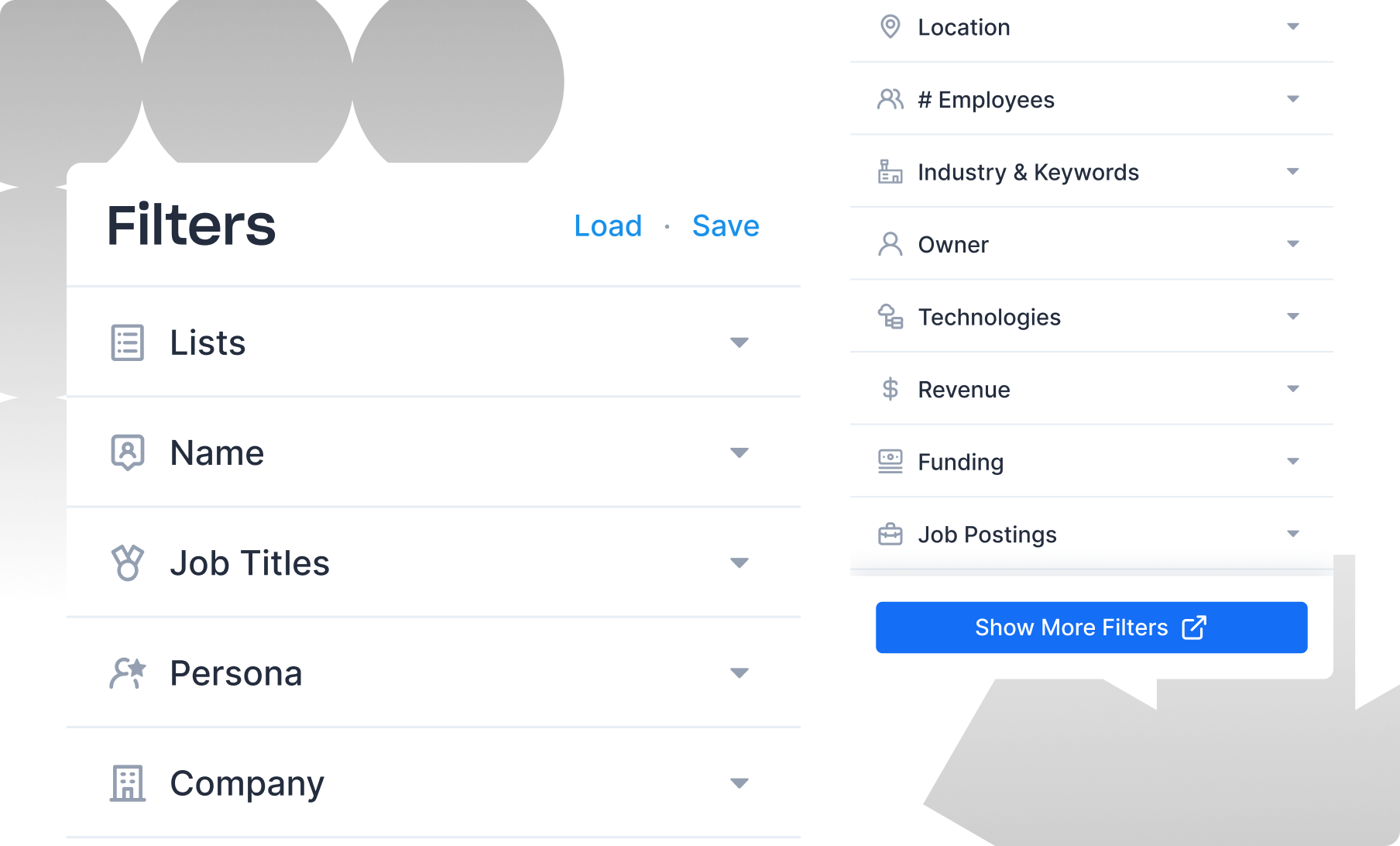
For a small team, that compression can remove meaningful software spend and a heroic amount of CSV housekeeping. For a larger team, it can reduce a subtler tax: the lost context between research, outreach, calls, and reporting. Apollo syncs with major CRMs and has integrations for the usual sales stack. Its API, Snowflake connection, Chrome extension, and MCP connector leave doors open when the standard interface is not enough.
“The database is broad. The filter set is useful. The human still owns the final answer.”Our operating rule after reading the reviews
The feature that ate the feature list
In March 2026, Apollo launched an AI Assistant designed to act inside the product rather than merely compose text in a side panel. You can ask it to find decision-makers, research accounts, enrich a list, draft a multichannel sequence, create workflows, export records, inspect performance, or help manage credits. Apollo asks teams to store company context - positioning, audience, differentiators, and competitors - so its drafts have a chance of sounding like the business that will send them.
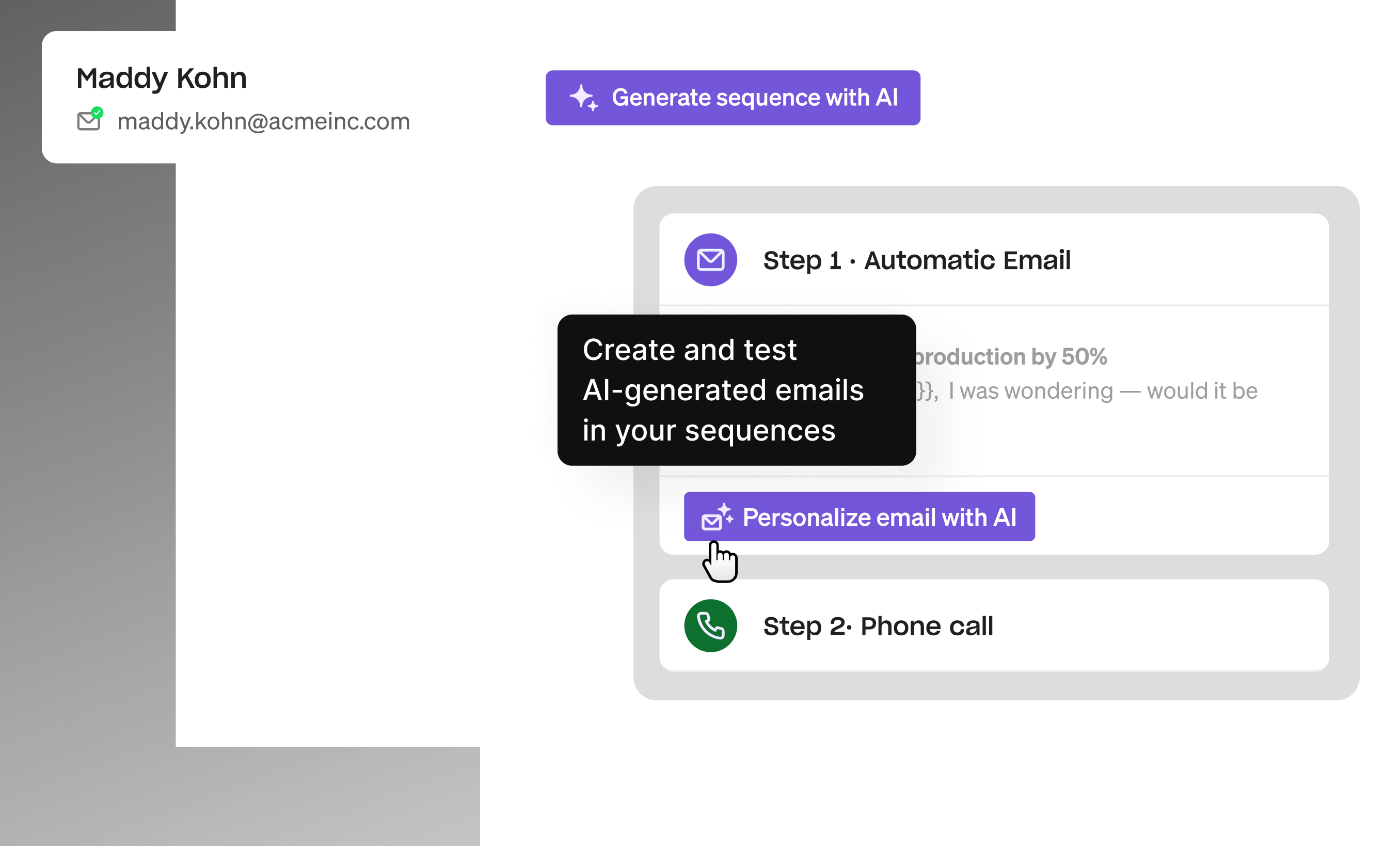
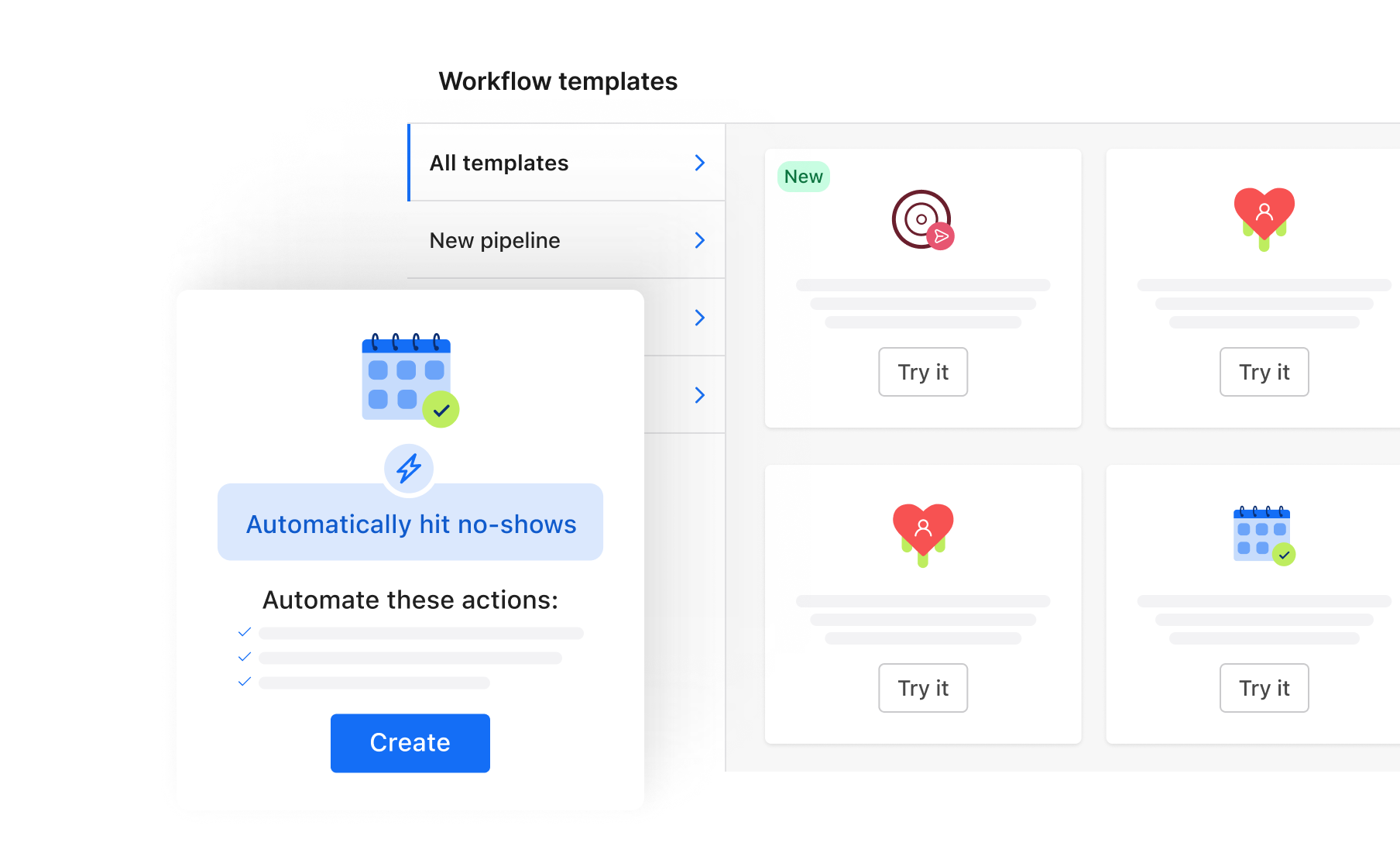
The assistant is the newest layer on a mature set of mechanics. Sequences mix automated emails with phone and LinkedIn tasks. The dialer logs calls and supports recording, transcription, AI summaries, and voicemail drops. Conversation intelligence turns meetings into searchable transcripts, next steps, coaching scorecards, and CRM activity. Workflow automation can respond to form fills, record changes, research signals, and engagement without requiring someone to babysit a list.
Apollo has also escaped its own tab. Its MCP connector exposes supported prospect search, enrichment, record creation, sequence enrollment, and analysis from ChatGPT, Claude, and Perplexity. This matters less as a party trick than as a direction: Apollo wants to remain the data and action layer even when the interface is somebody else’s chat box.
| Job to be done | Apollo’s route | Watch closely |
|---|---|---|
| Build a list | People and company search, saved filters, scoring, intent | Confirm titles, tenure, geography, and recency |
| Reach the list | Email sequences, calls, LinkedIn tasks, meetings | Mailbox health, consent, bounce thresholds, local law |
| Clean the CRM | Enrichment, job changes, field mapping, scheduled sync | Overwrite rules and which source wins |
| Coach the team | Call transcripts, summaries, scorecards, analytics | Recording consent and consistent manager review |
The credit meter is part of the product
Apollo has a free tier, while current public pricing metadata lists Basic at $49 per user per month and Professional at $99. Enterprise requires a quote. The optional Advanced Dialer is listed at $149 monthly, or $119 per month with annual billing. Plans, annual discounts, credit allowances, and add-ons change, so the live pricing page should settle any purchase decision.
The sticker price is only half the calculation. Email and phone access, exports, enrichment, and certain actions consume credits under rules that differ by plan. G2 reviewers praise value and filtering, but credit predictability and phone accuracy recur among complaints. Trustpilot is harsher, with a 3.1 score when we checked, and includes billing and support grievances. Review platforms attract different populations, yet that split is too large to wave away.
Editorial fit meter - directional, not laboratory science
Scores reflect product coverage, public pricing, and recurring review themes. Your market can produce a different answer.
The practical response is not panic; it is instrumentation. Measure valid emails, working direct dials, job-title accuracy, bounce rate, replies, meetings, and credits spent per meeting. Do it by region and customer segment. Apollo can look inexpensive when measured per record and costly when measured per usable conversation. The reverse can also be true if consolidation lets you retire a sequencer, dialer, and enrichment subscription.
A seven-day audition, not a leap of faith
Run this before entering a card number
- Choose 100 accounts you genuinely want, including a few you already know well.
- Build the list from scratch and record how often the right person appears.
- Verify a sample of emails and manually check phone numbers, titles, and current employers.
- Send a small, compliant sequence from a properly configured mailbox; monitor bounces and replies.
- Sync to a sandbox or test list in your CRM before allowing any bulk overwrite.
- Count every credit used and compare cost per valid contact and booked meeting.
- Ask two reps to repeat the workflow without help. Their confusion belongs in the price.
This test also reveals whether Apollo matches your team’s shape. Founders and lean SDR groups may value an opinionated default workflow. Revenue operations teams may care more about permissions, field mapping, CRM visibility, and API limits. Call-heavy teams should trial direct-dial accuracy and the dialer. International teams need to check both coverage and consent rules. Apollo added stronger recording guardrails and country-specific tracking guidance in its 2026 releases, but software settings do not replace legal judgment.
Where Apollo sits in the crowded drawer
ZoomInfo and Cognism are the common data-first comparisons, especially for buyers with larger budgets or strict regional requirements. Outreach and Salesloft run deeper in sales engagement and orchestration. Gong is a conversation and revenue-intelligence specialist. Clay is a flexible enrichment and workflow workbench. Lusha and RocketReach offer narrower contact-data alternatives. HubSpot can be a more natural center of gravity for teams already living inside its CRM.
Apollo’s advantage is the seam between categories. It may not win every specialist contest, but a prospect found in the database can become an email, a call, a task, a CRM record, and a measured opportunity with unusually little travel. That is the reason to buy it. If you only need one of those verbs, compare the specialist. If you need the sentence, Apollo gets interesting.
The company itself has traveled the same route. Tim Zheng built an internal prospecting system after data and outreach tools frustrated his previous education startup. He and Ray Li founded Apollo in 2015. A $100 million Series D in 2023 valued the company at $1.6 billion. In 2026, Apollo acquired signal-intelligence company Pocus, launched the AI Assistant, connected to major AI workspaces, and appointed Matt Curl CEO while Zheng became chairman.
Our call
Apollo earns a trial for B2B teams that want to replace tool sprawl with a connected outbound system. Start free, bring a known dataset, and make the platform prove three things: it can find the right people, its contact details survive inspection, and the credit bill makes sense at your intended volume. If it clears those gates, the workflow savings can be substantial.
Keep one hand on the wheel. AI can assemble a list and draft the chase, but it cannot know that a stale title will annoy a buyer, that a clever first line sounds creepy, or that your offer is not ready for scale. Apollo is at its best as a well-stocked sales desk, not a vending machine for pipeline. Give it judgment, and the browser may finally become quiet.