chemical-engineering
(74)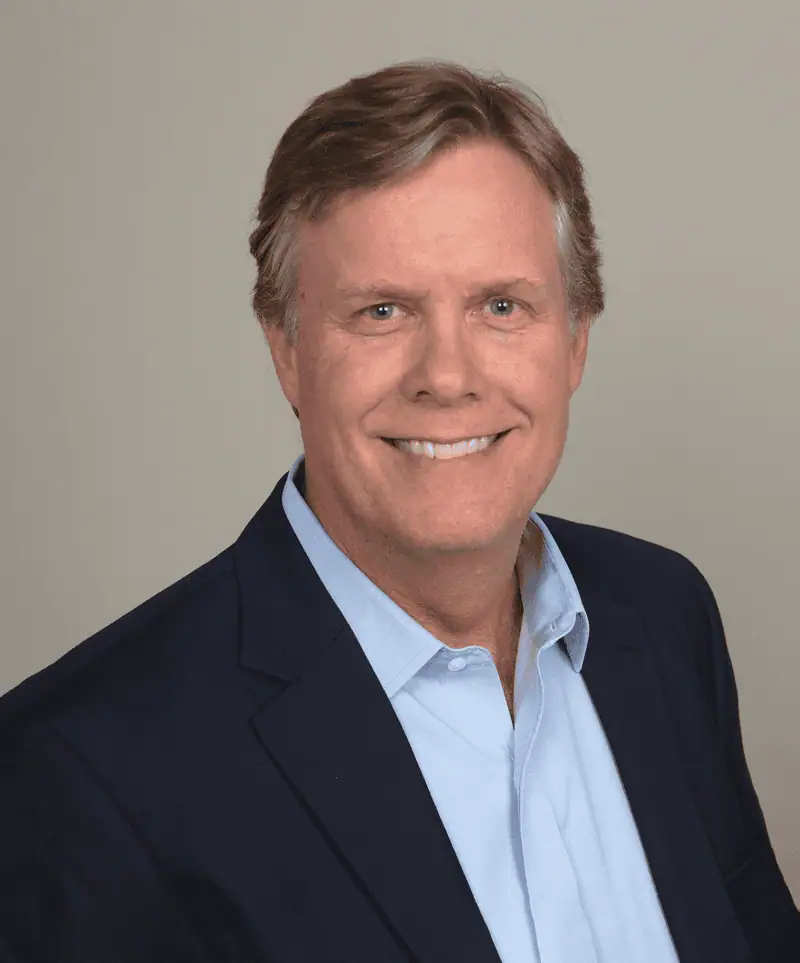
Ted Harris and the business of small things
A chemical engineer with a passport full of operating experience, Ted Harris arrived at Balchem in 2015. His next chapter has been built from ingredients, acquisitions, and the patient work of making a company fit together.
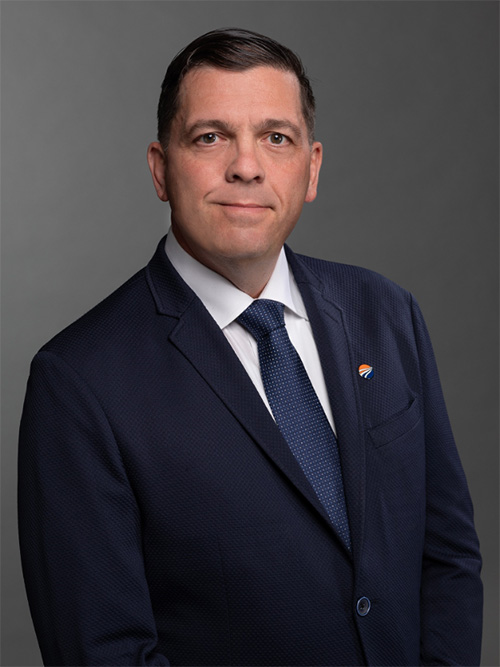
Joe Berquist and the value of knowing how things work
He joined Quaker as a technical service specialist in 1997. Now its CEO, Joe Berquist is applying a career spent close to customers to a larger question: how do you help a complicated company work better?
Lothar Maier and the business of taking the long view
At Linear Technology, Lothar Maier built a career around patient engineering, selective markets and products with long working lives. His story runs from model airplanes in Milpitas to a $14.8 billion acquisition and a seat on SunPower’s board.
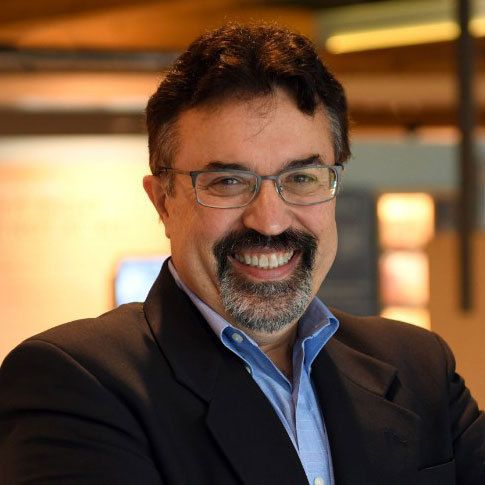
Bruce Fleming and the second life of a refinery
After decades in oil-industry operations and dealmaking, Bruce Fleming is helping put existing refinery equipment to work on renewable fuels. In Great Falls, Montana, that means connecting chemical engineering, farm output and the price of a plane’s next tank.
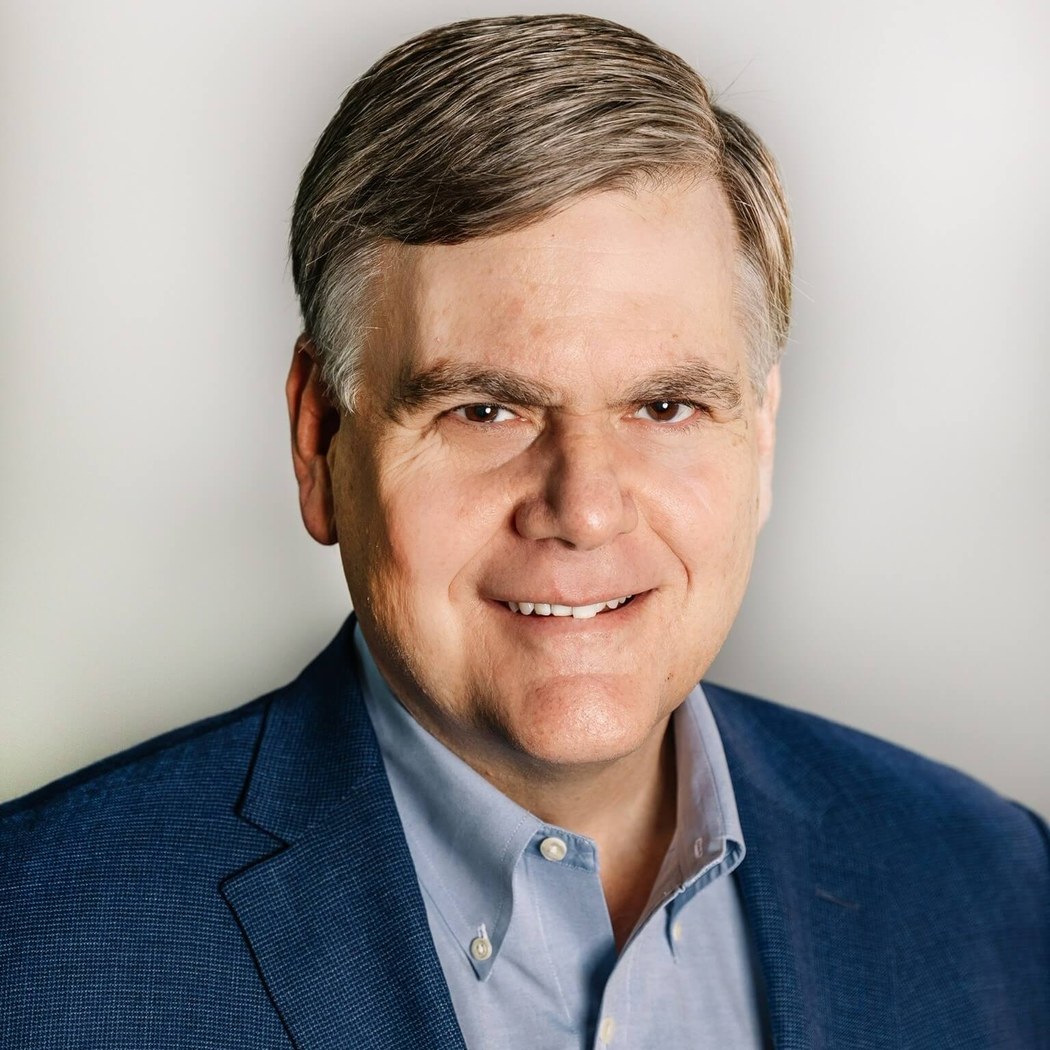
William D. Provine and the Trouble with a Perfectly Good Lab
After decades at DuPont, William D. Provine helped build a home for science startups in Delaware. Then came the useful discovery that even a well-equipped laboratory cannot cover every bill.
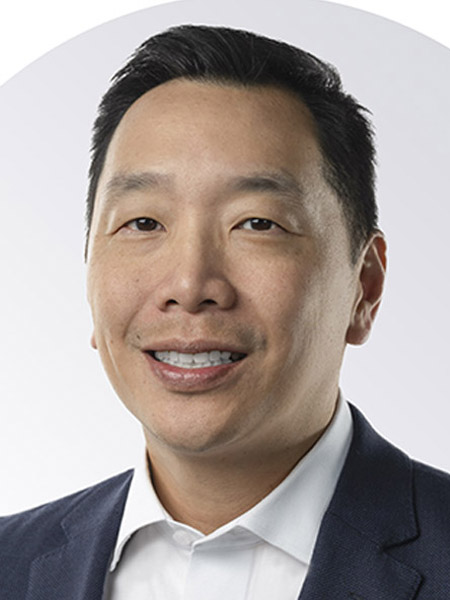
David Li and the summer that did not last
After CMC Materials was sold to Entegris, David Li announced plans for a summer of downtime. His next chapter runs through a family research legacy, a classroom and the reshaping of Ingevity.
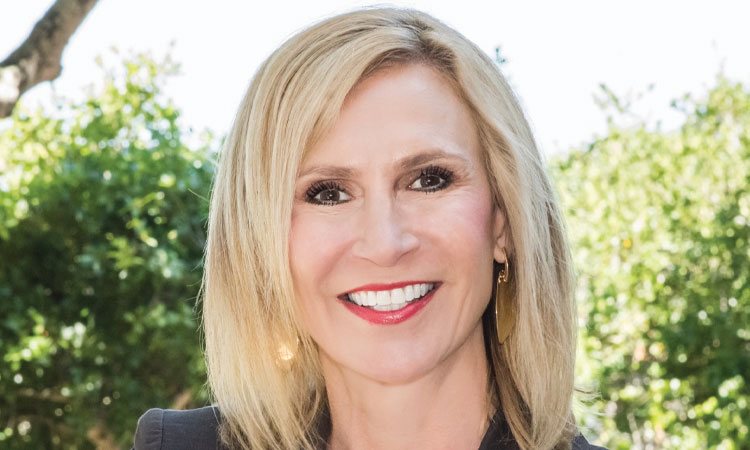
Celeste Mastin and the business of holding things together
A Washington ranch, a chemical engineering degree, and a career spent making industrial businesses work. At H.B. Fuller, Celeste Mastin is putting that experience to a practical test: better bonds, faster answers, and margins that hold.
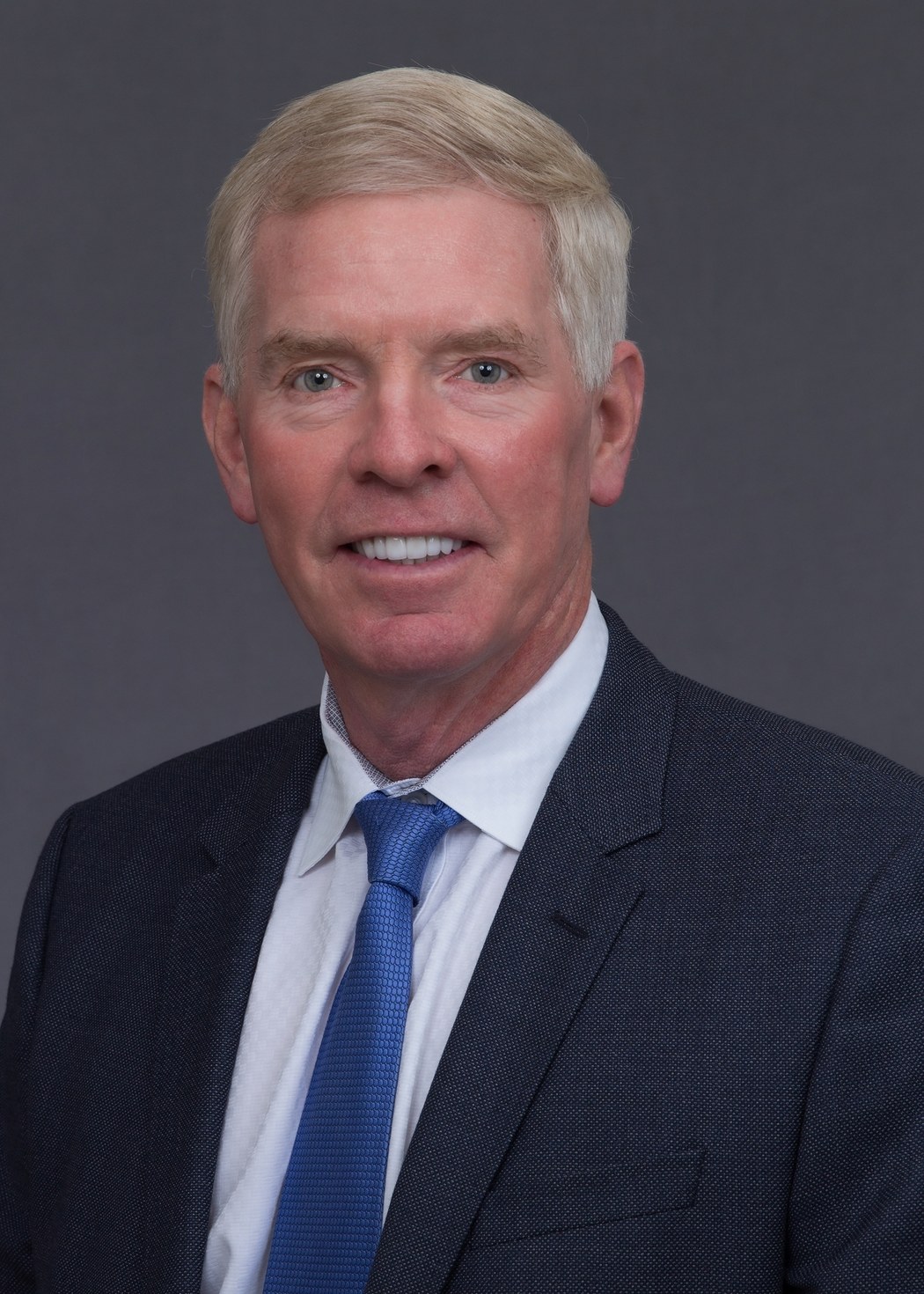
Ed Dineen and the distance between an idea and a plant
From biotechnology ventures to TPC Group, Ed Dineen has spent his career bringing chemistry into commercial operation. The work has brought new processes, difficult reckonings and, fifty years after graduation, a return to Cooper Union.
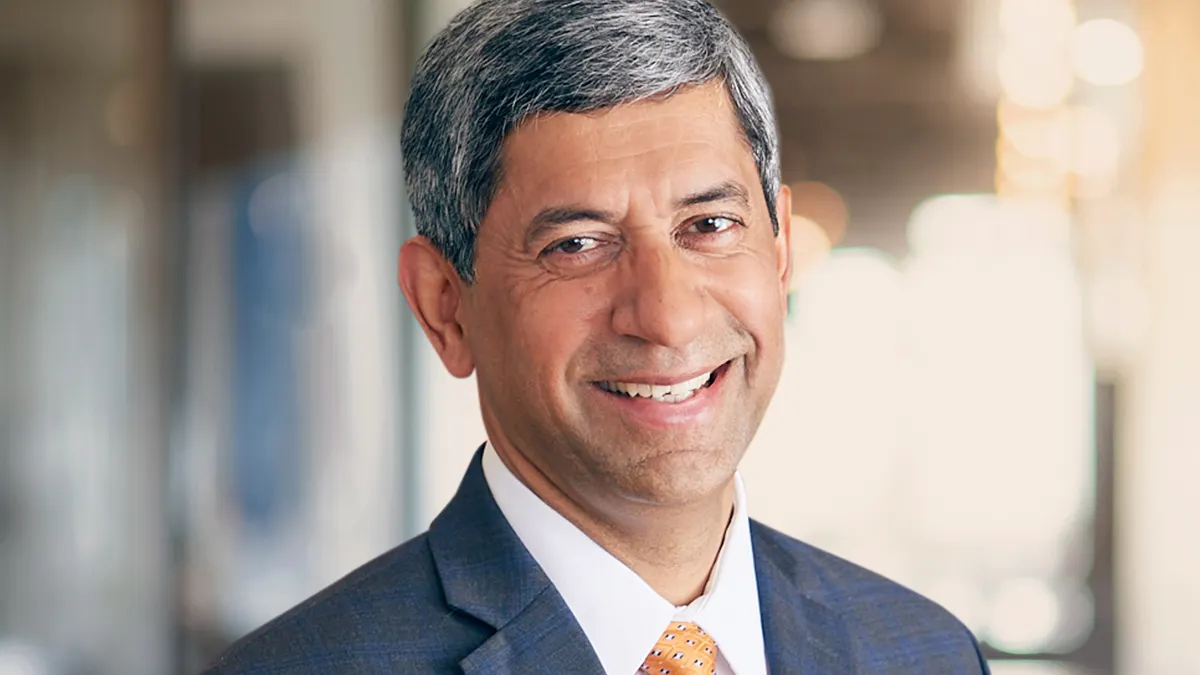
Devdatt Kurdikar and the art of starting over
An engineer by training, Devdatt Kurdikar has built a career around businesses in transition. At embecta, the work of becoming independent has meant everything from a new balance sheet to the daily commute.
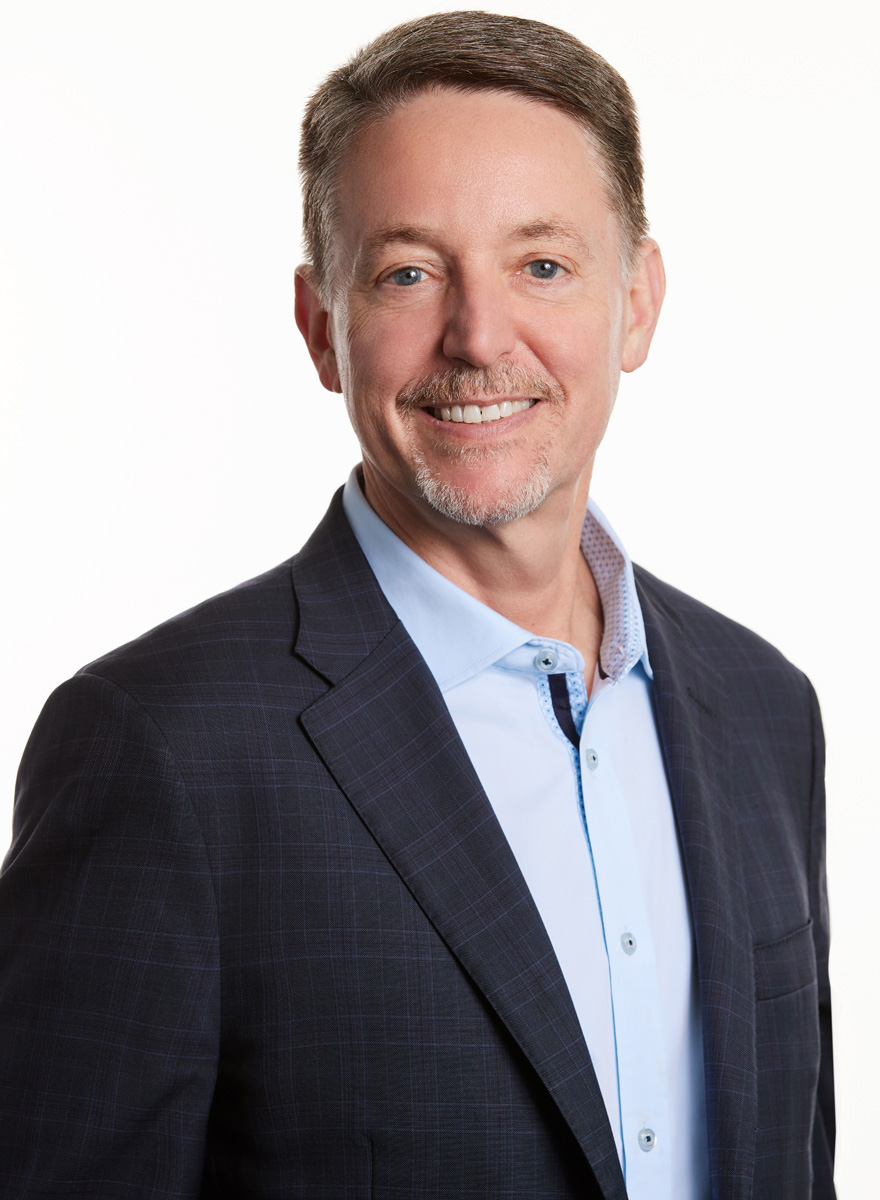
Jeffrey L. Cleland and the Art of Starting Again
A chemical engineer by training, Jeffrey L. Cleland has spent his career turning research into companies. His route runs from Genentech to a public offering, then back to the familiar business of building something new.
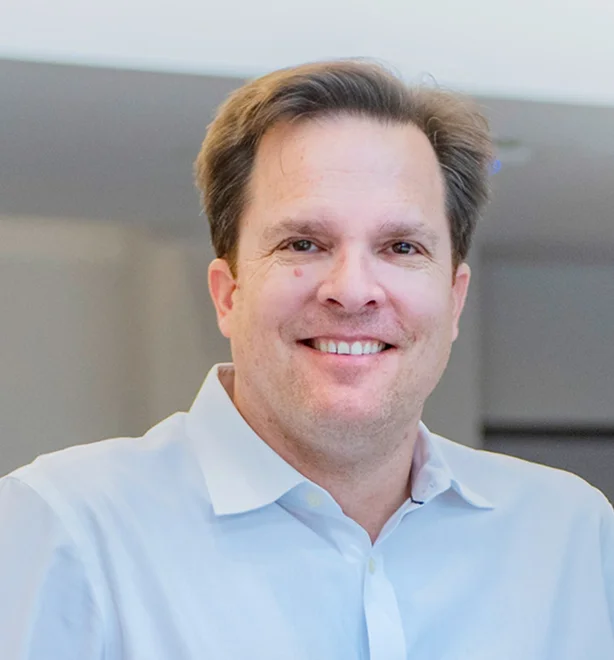
Richard Batycky and the art of starting again
Before he became Nocion’s CEO, Richard Batycky taught fluid mechanics, helped build a startup, and co-founded a company sold for $525 million. His career follows the work through a succession of new beginnings.
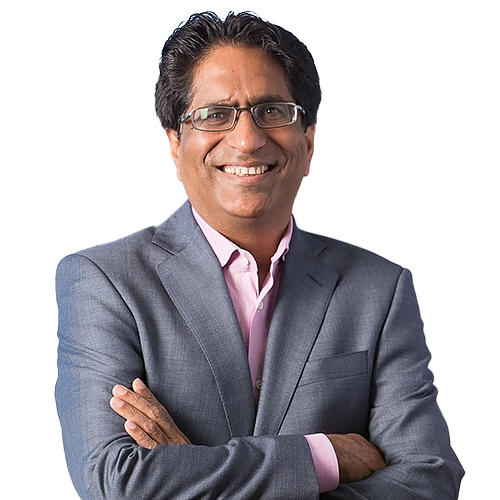
Subhash Makhija and the Art of Being Too Early
He co-founded GEP to bring procurement onto the internet. The customers needed more than software - and that awkward discovery helped shape the company he still leads.
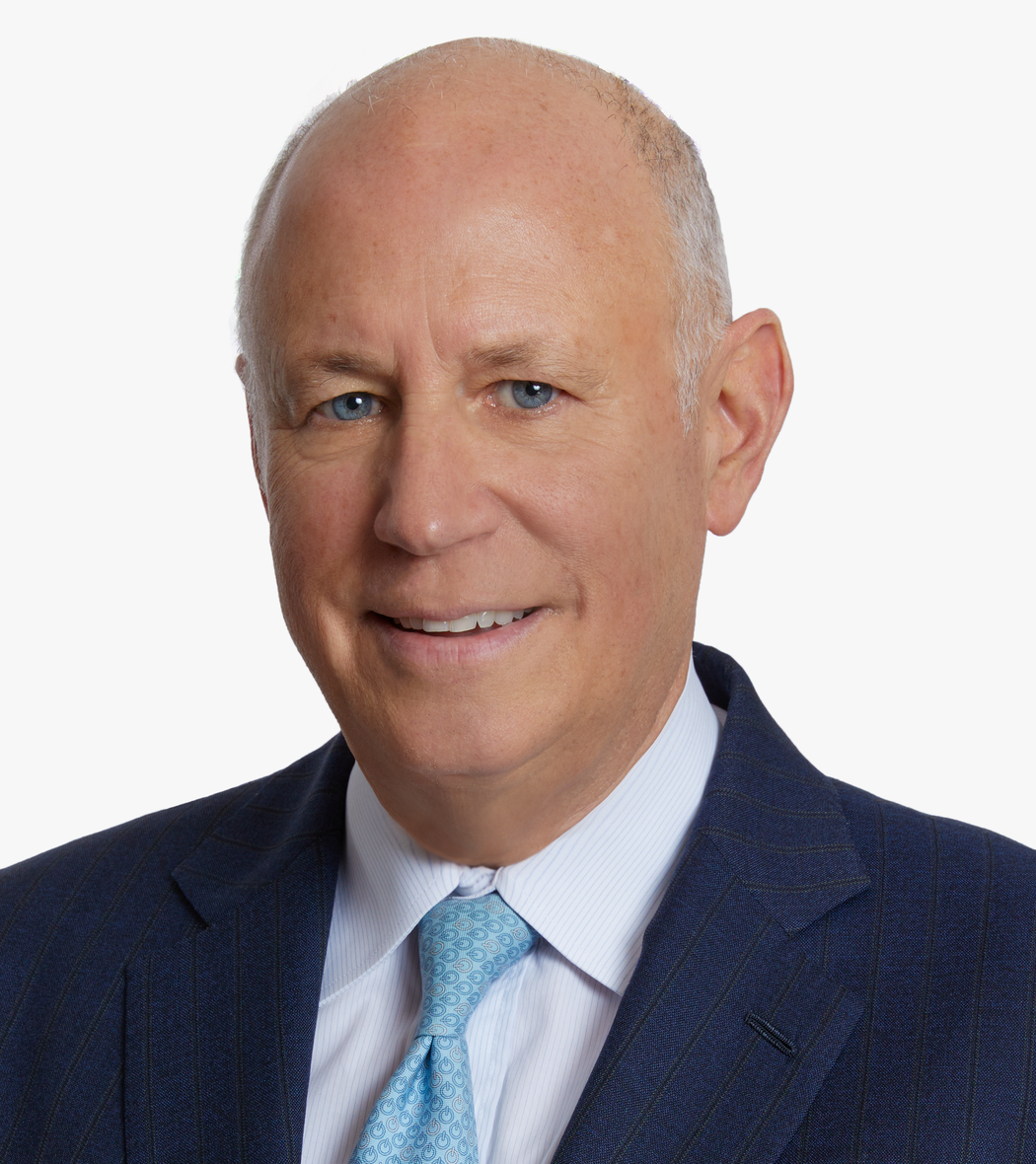
Jeffrey Sprecher and the art of fixing a market
He began with power plants and a struggling energy marketplace. Jeffrey Sprecher’s route to owning the New York Stock Exchange follows a persistent instinct: take the machinery apart, then work out how it could run better.
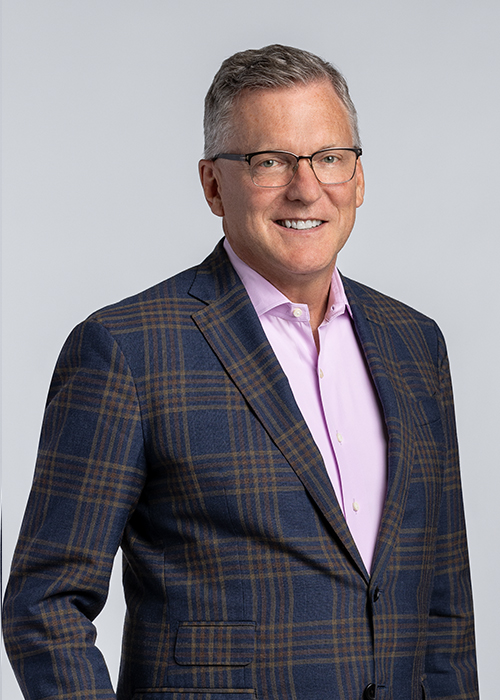
Mark Lashier and the distance between an idea and a working plant
A chemistry discovery gave Mark Lashier an early lesson in making things work. Decades later, the Phillips 66 chairman and CEO is applying that habit to a company whose future is being argued over in public.
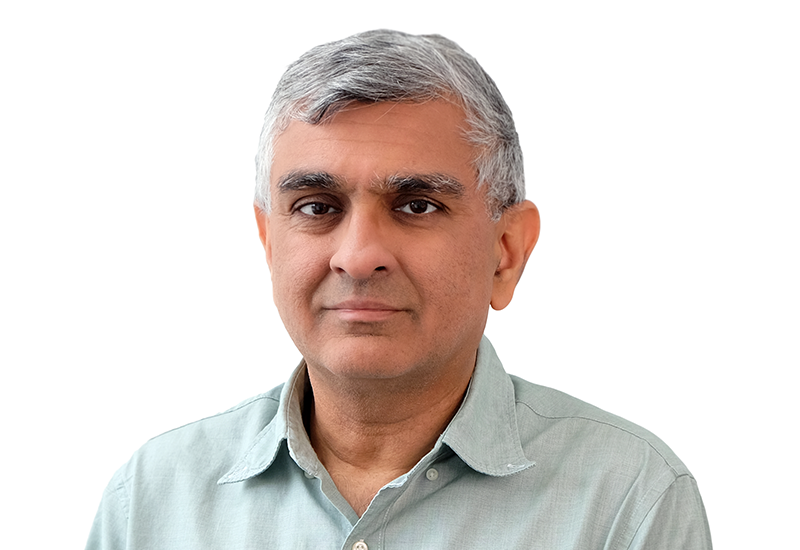
Sameer Bharadwaj and the distance between a discovery and a difference
Before he became Orbia’s CEO, Sameer Bharadwaj learned that a promising experiment still needs a customer. His career has followed the long journey from chemical reactions to the pipes, farms and networks that people depend on.
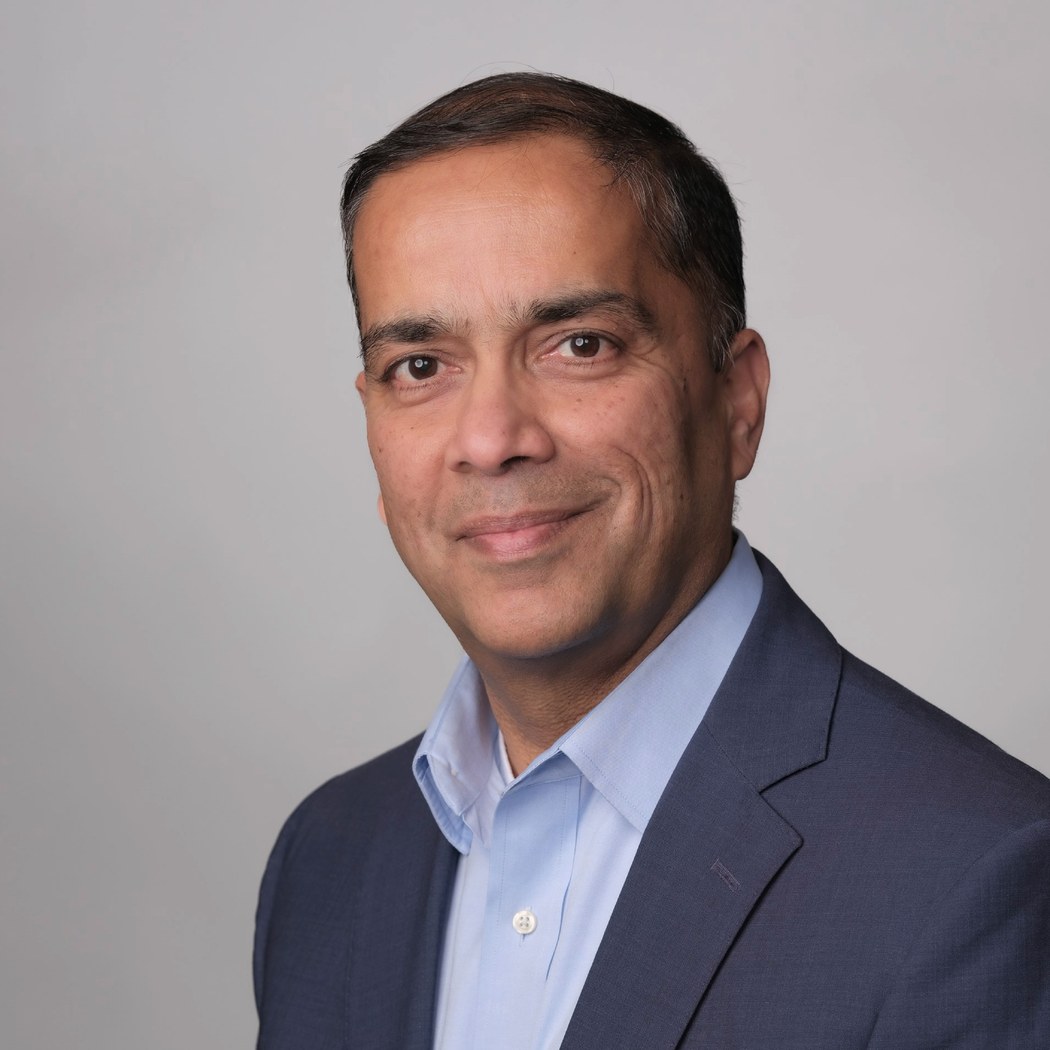
Alok Maskara and the invention that has to leave the lab
Nine patents helped turn a chemical engineer toward business leadership. At Lennox, Alok Maskara is still working on the distance between a good idea and the customer who needs it.
Michael Farrell and the art of taking over
He joined his father’s company for a year or two. A quarter-century later, Michael “Mick” Farrell is still working out how a business can grow up without growing old.

Michael Hennigan and the second life of a refinery
He started at Marcus Hook in 1981. Three decades later, Michael Hennigan helped give the old refinery a new purpose - a preview of the decisions that would define his years leading Marathon Petroleum.
Erik Fyrwald and the question a customer had to ask
A customer could not work out whom to call. For Erik Fyrwald, the complaint became a clue to reshaping IFF - and a reminder of what four decades in industry had taught him about listening.
Kevin Engel and the importance of the last connection
He joined Amkor through an acquisition in 2004. Two decades later, the chemical engineer is leading the company as advanced packaging changes what a chip can do - and where it can be made.
Chris Golec and the trouble with counting the wrong things
He built Demandbase by asking which companies were really worth reaching. At Channel99, Chris Golec is back with a related question: which marketing dollars are actually doing the work?
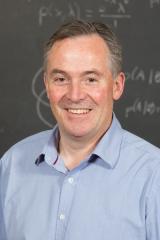
Jeremy Warren and the art of making big things small
Before helping put an Oxford microscope on a desktop, Jeremy Warren helped build NanoSight and sailed around Britain in an open dinghy. His career keeps returning to a practical question: what can a small, carefully engineered thing make possible?
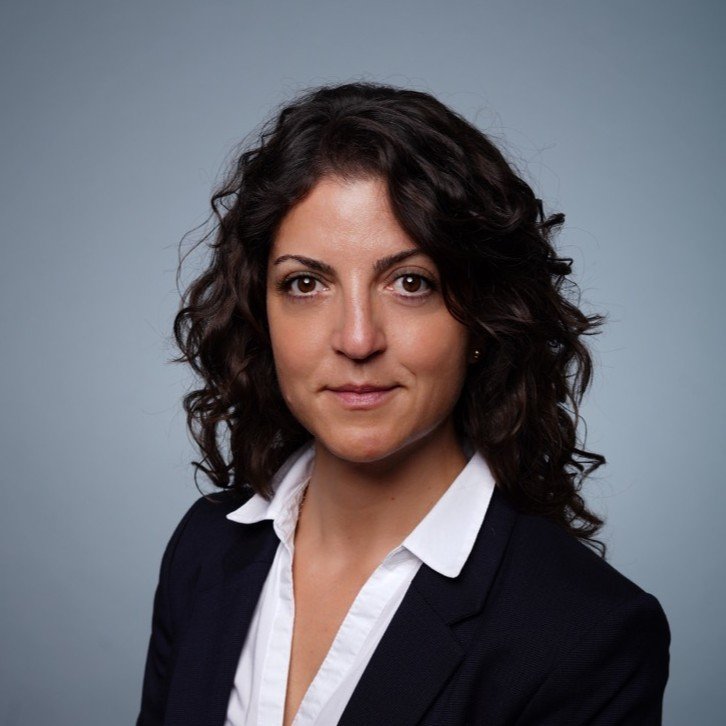
Vicky Demas and the Art of Making Things Work
At ten, she wanted to become an astronaut. Today, the engineer, physics illustrator, and identifeye HEALTH CEO is still interested in what happens when an ambitious idea meets an actual person.
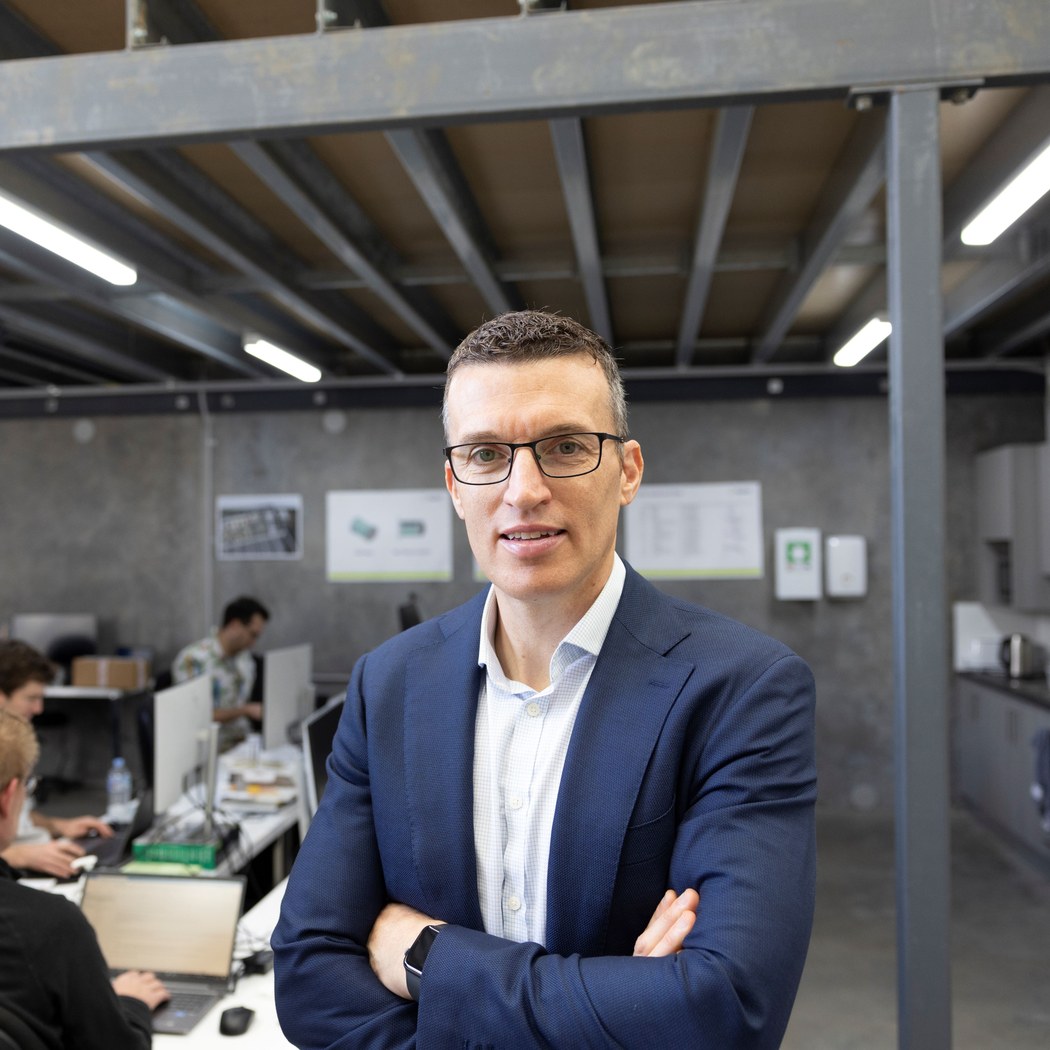
Paul Barrett and the price of a bubble
He helped finance a hydrogen invention, then crossed the table to build the company. At Hysata, Paul Barrett is betting that a small change inside an electrolysis cell can alter the arithmetic of heavy industry.
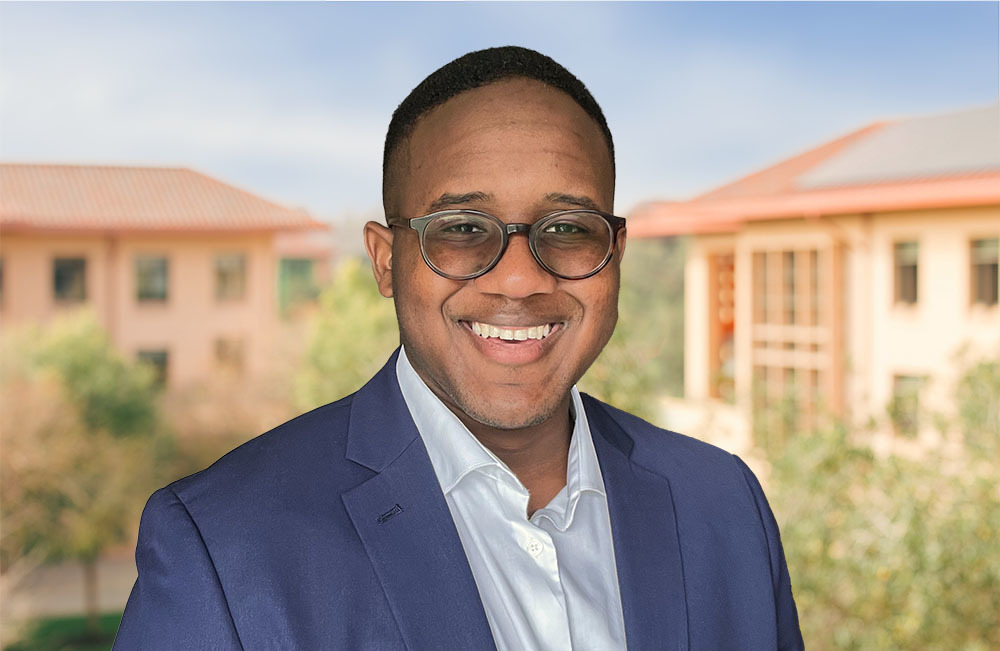
Simba Jonga and the workers a résumé cannot see
Before Laborup, Tasimba “Simba” Jonga learned how factories work - and how opportunity gets lost between people and paperwork. Now he is building a hiring platform that lets skilled workers talk their way into view.
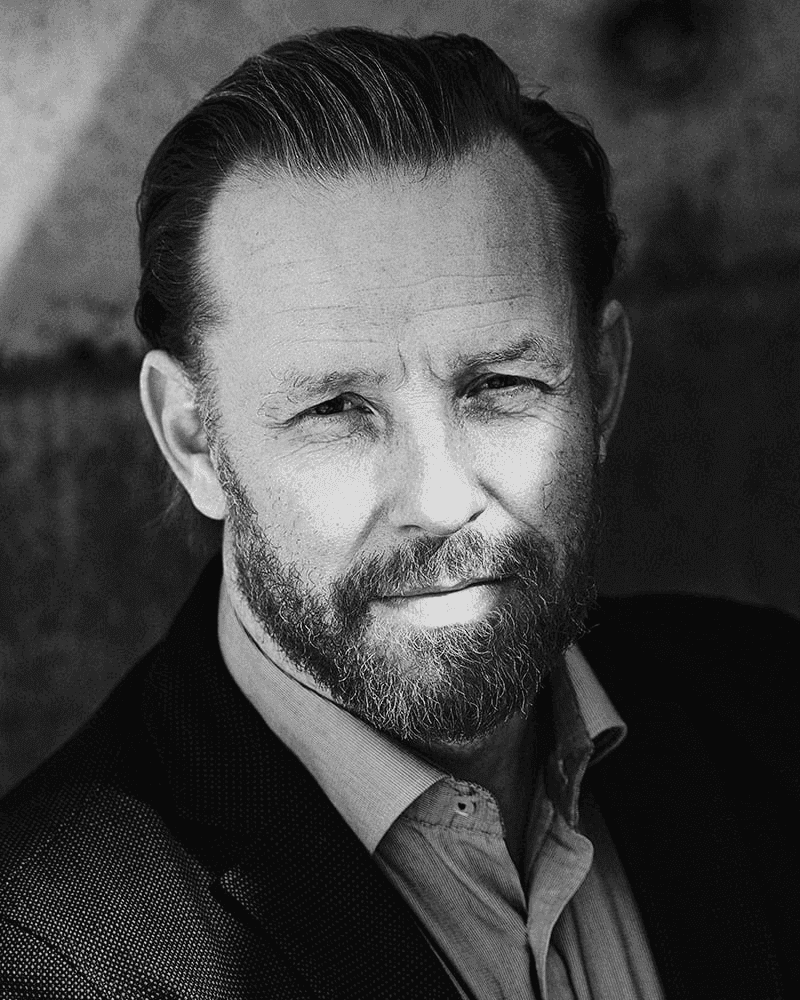
Thomas Lars Andresen and the art of changing course
A broadcast programmer became a chemistry professor, then a founder working across Denmark, Boston and Oxford. Thomas Lars Andresen’s career keeps returning to the same question: when is it time to begin again?

John C. Martin and the advantage of a quiet room
A chemist with an MBA, a taste for difficult questions, and little interest in the spotlight. John C. Martin spent twenty years leading Gilead Sciences, then helped other people build what came next.
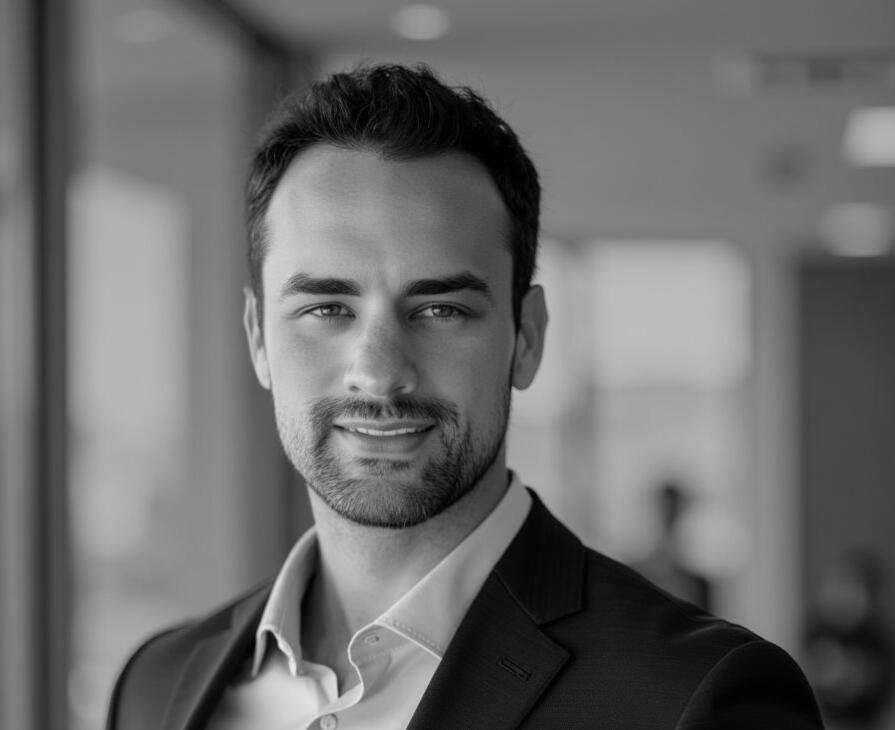
Breanden Beneschott and the company that builds companies
A hiring problem helped bring Toptal into being. Now Breanden Beneschott is trying to make the next company easier to build than the last.
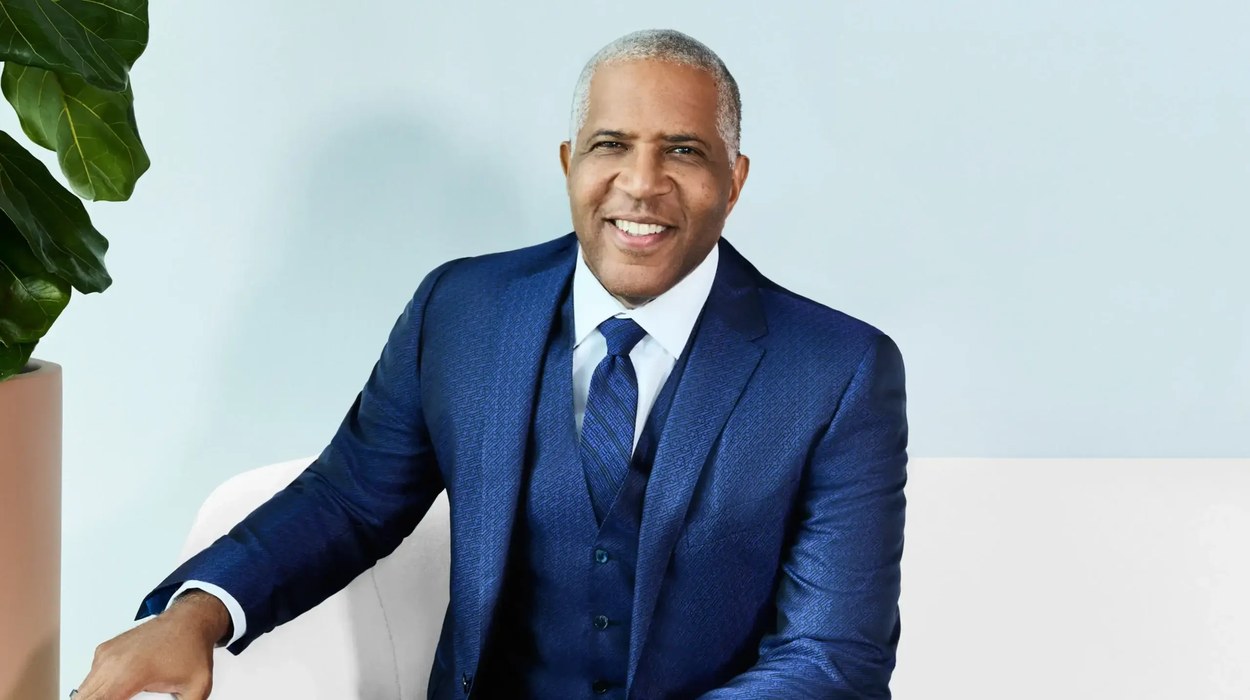
Robert F. Smith and the price of an open door
Before he erased a graduating class’s student debt, Robert F. Smith was a teenager calling Bell Labs every Monday. His story runs through coffee patents, enterprise software and a recurring question: who gets a chance?
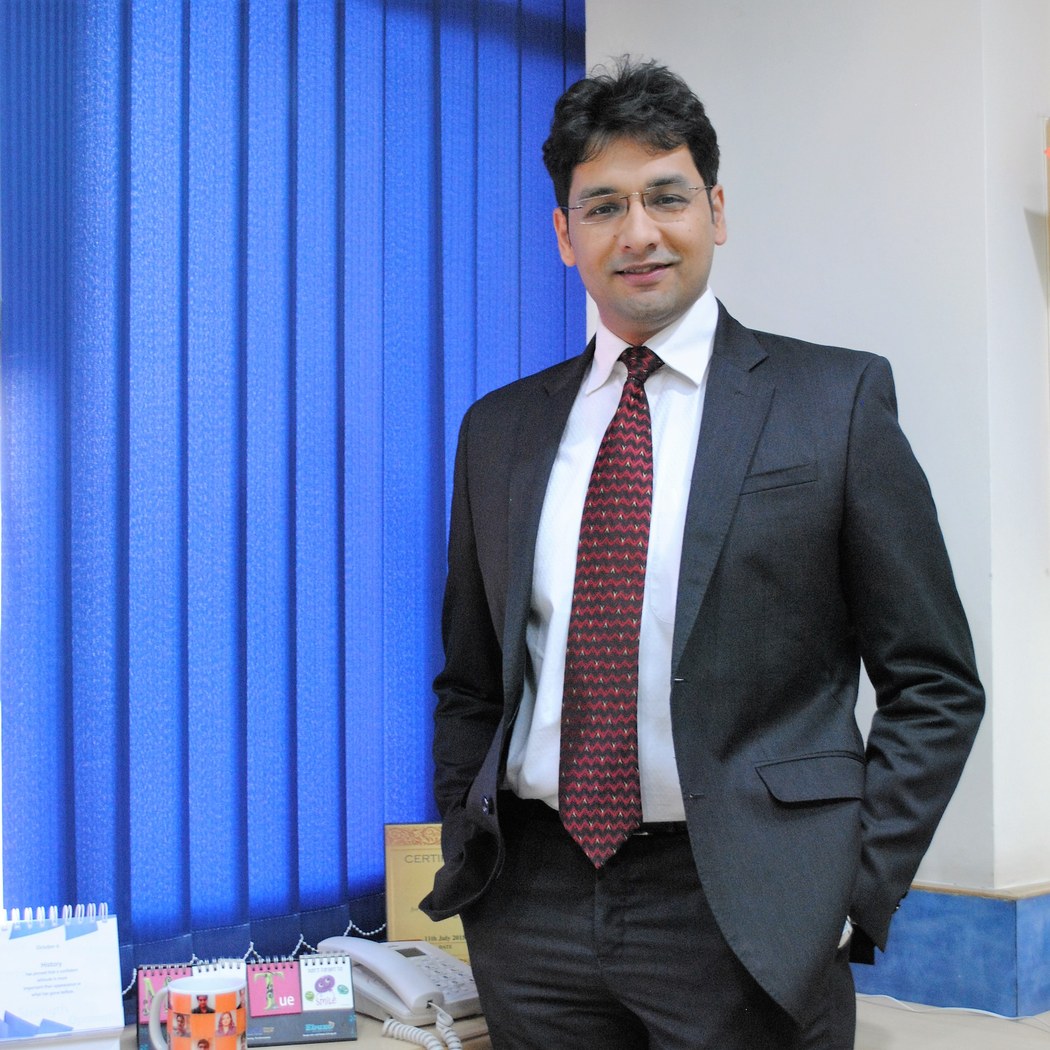
Himanshu Anand and the business of being useful
After engineering, technology and investment banking, Himanshu Anand founded Anplify to help other people execute their deals. His story turns on a practical question: who does the work before the handshake?