electric-vehicles
(94)
REACH Strategies puts the energy transition in the driver’s seat
The clean energy communications firm turns policy into test drives, community conversations, and practical next steps. Its most revealing product is the encounter between a curious person and an unfamiliar technology.

Xiaomi sold you the phone. Now it wants the driveway.
The bargain-phone business became a sprawling bet on connected living. Cars have made that bet bigger, costlier and much harder to get wrong.
Accident Exchange sells the days between a crash and normal life
Now trading as AX, the British accident management company turns replacement cars, repair coordination and insurance paperwork into a business. Its next test is keeping electric-car drivers electric.

EO Charging Built the Plug, the Brain and the Pit Crew - Then the Grid Shifted Beneath It
The British fleet-charging specialist learned that the valuable bit is not the socket. It is knowing which van must leave at dawn, how much power the depot can spare and who answers when a charger sulks at 2 a.m. Its trip from a Suffolk pig shed to Pod and EDF is a sharp lesson in building - and financing - hard climate infrastructure.
The Gearbox Whisperers Teaching Electric Cars to Lose Their Whine
Inside SMT's stubbornly practical bet that the fastest route to a quieter, tougher electric powertrain is to stop passing its parts between disconnected simulation tools.

Outrider Put the Self-Driving Bet Where It Can Actually Work: The Yard
The highway stole the self-driving headlines. Outrider went behind the warehouse, taught an 80,000-pound robot to hitch trailers, dodge traffic and mind the brake lines - then built the safety and support machinery enterprises demand.
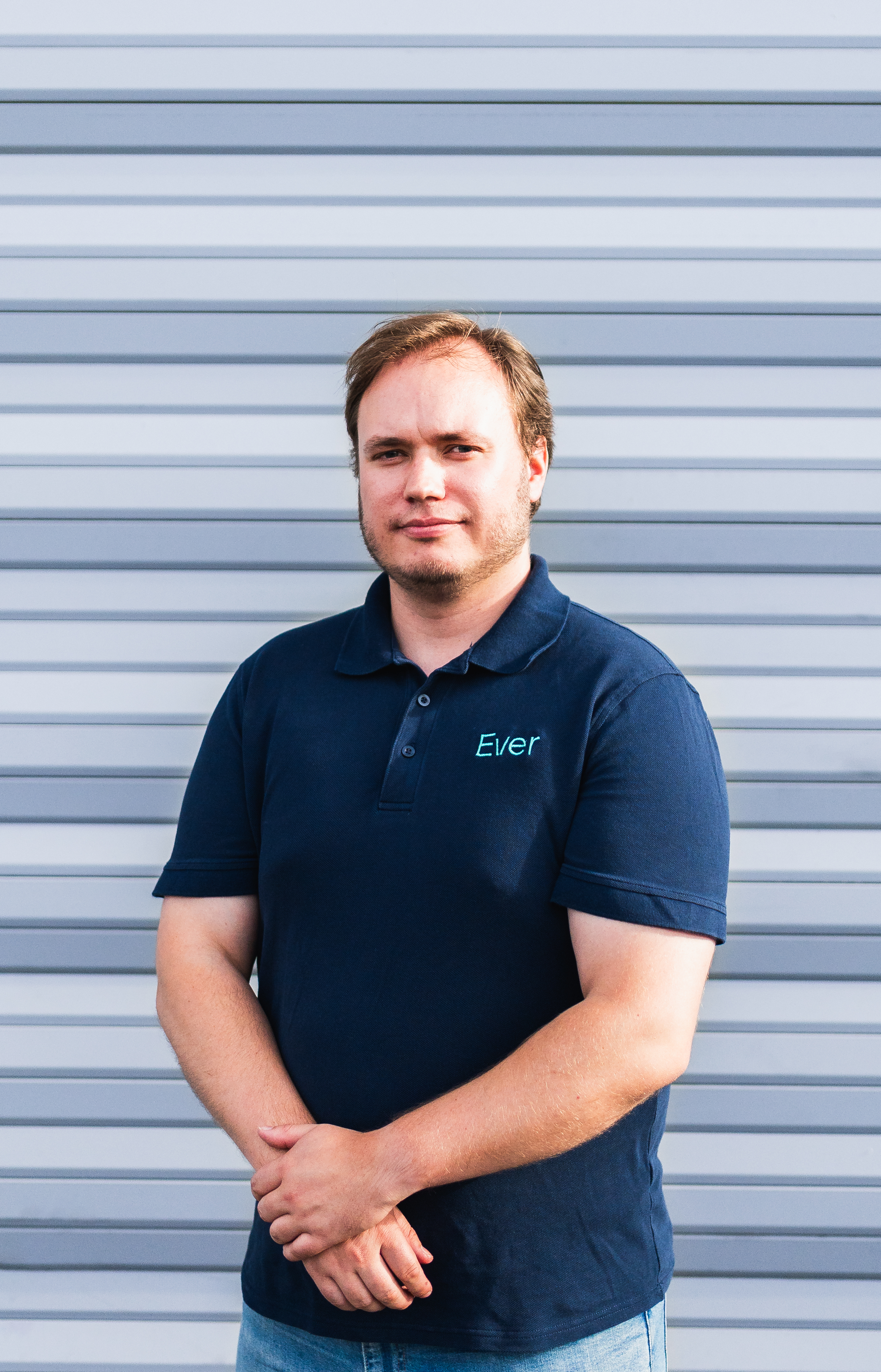
Lasse-Mathias Nyberg Is Teaching AI to Do the Paperwork of Buying a Car
The Stanford MBA and former BCG consultant is betting that the future of used-car retail will be won in the unglamorous space between a customer’s click and a clean title.

Jason Marks Is Building a Truck for the Space America Forgot
A childhood crash, a pole-vaulting coincidence and one oversized dog led the safety engineer to ask a compact question: how much truck does a city actually need?

Volkswagen Tried to Build One Brain for Nine Car Brands. CARIAD Learned Where Not to Do It Alone
CARIAD was supposed to give Volkswagen a single software spine. Delays, executive turnover and billions in annual losses forced a more useful idea: own the layers that create leverage, and partner for the ones that do not.
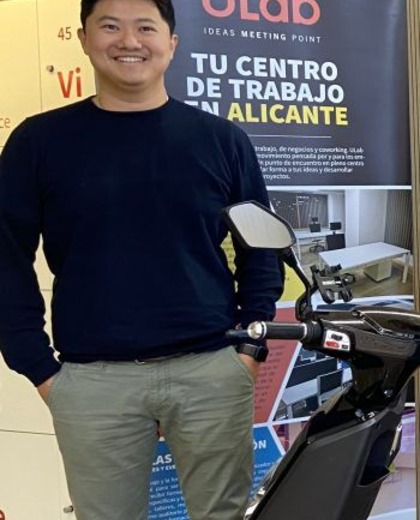
The Five-Minute Meeting That Built a Motorcycle Company
Xulei Xu walked into a university meeting as a suspected idea thief and left with his future co-founders. His career since has been an argument for complementary teams, affordable electric mobility, and the occasional strategic U-turn.

Benjamin Tuff Is Teaching the Home to Behave Like a Power Company
After helping turn a three-person travel startup into a business acquired by Airbnb, the Montreal marketer moved from selling escape to explaining energy independence. His latest challenge is making the electric car feel less like transportation and more like part of the house.

The $1 Million Lesson Hidden Under a Work Van Floor
LEGEND turned the ignored cargo bay into a business case - fewer broken mats, lighter EVs, harder-to-rob vans and a floor sturdy enough to build the rest of the upfit on.
Xeal’s Contrarian Bet: The Best EV Charger Is the One That Ignores the Internet
After its first connected chargers stranded drivers and drew hate mail, Xeal spent two years moving the transaction off the cloud. The result is a real-estate-first charging business built for the place Wi-Fi goes to die: the parking garage.
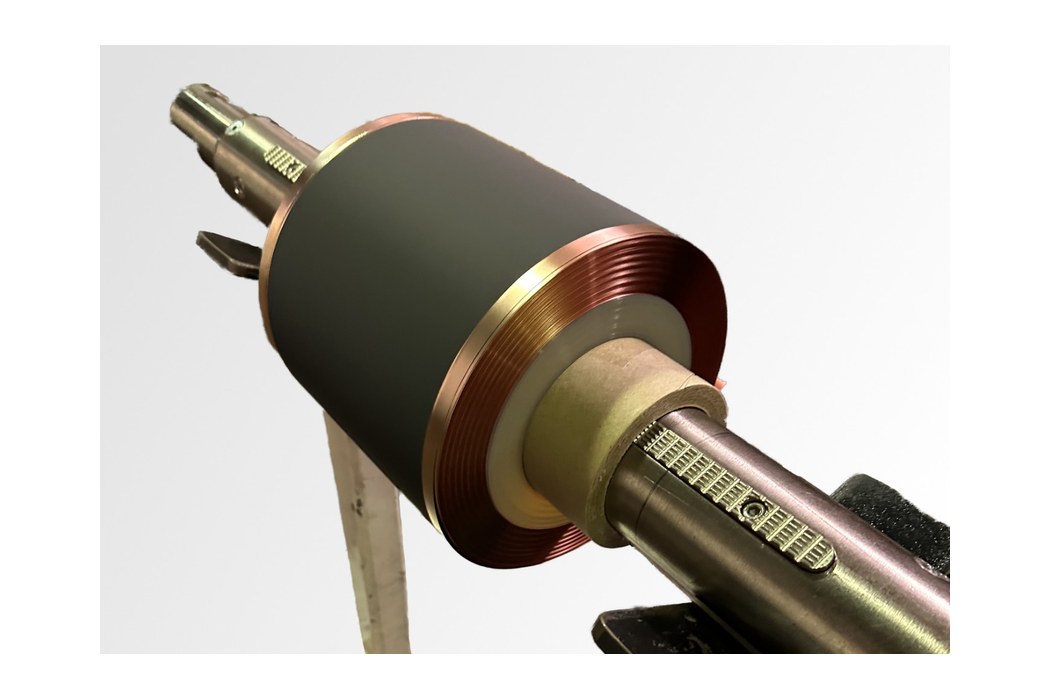
The Battery Startup Betting That the Next Breakthrough Isn't Chemistry - It's the Coating Machine
Ateios ripped the solvents and forever chemicals out of battery-making and replaced the oven with a flash of light. The result coats three times faster - and Kodak, a Nobel laureate, and a Fortune 100 electronics giant have all shown up to look.
The Pennsylvania Startup Betting That Silicon Still Has Room to Run
Everyone said the next leap in power electronics had to come from exotic materials. iDEAL Semiconductor bet it could wring more out of plain silicon - and now its chips are shipping from a Minnesota fab.
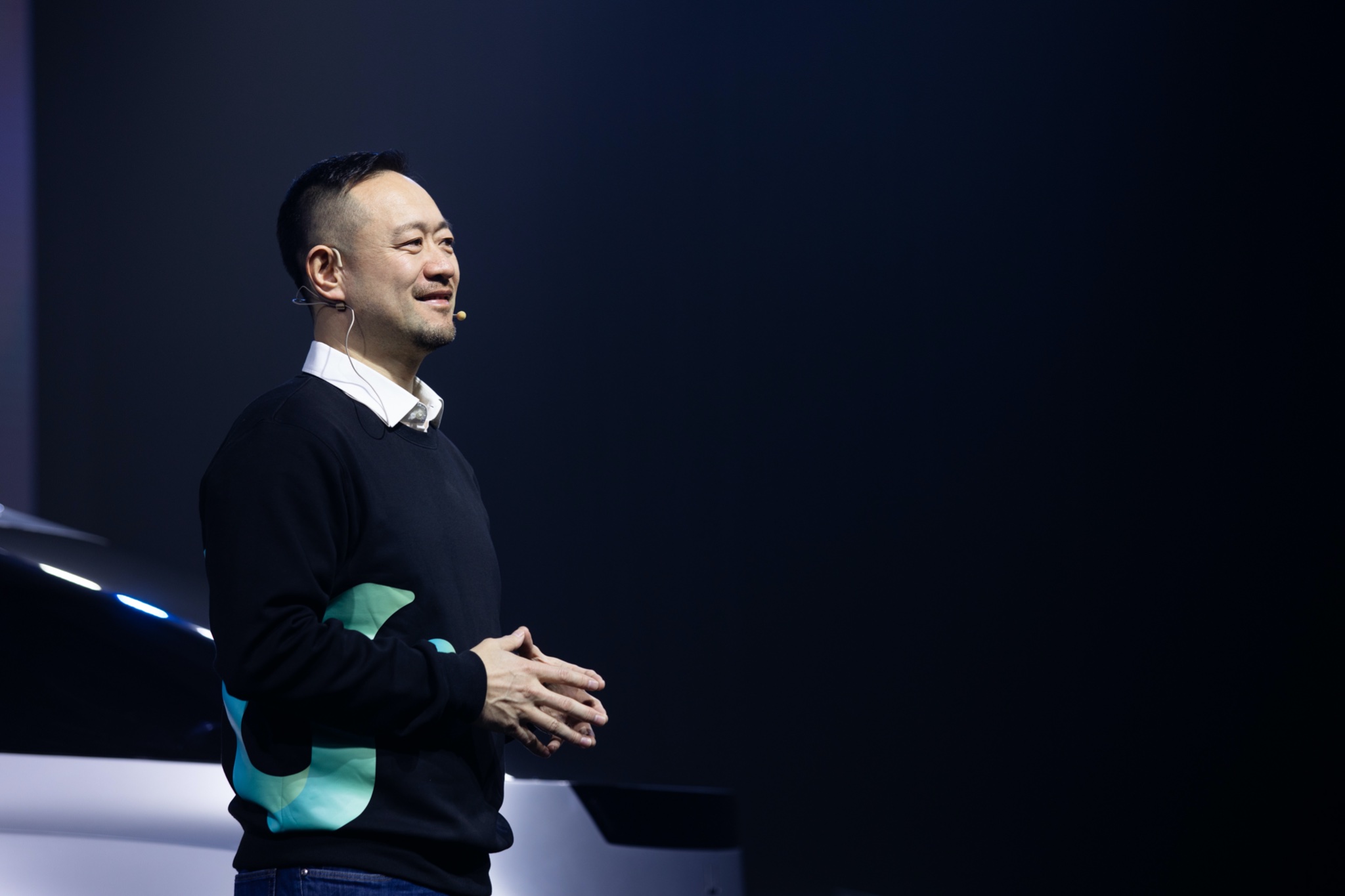
Paul Li Wants to Turn the Car Into Two Pieces
After two decades inside the auto industry, the U POWER founder is betting that the next useful car company will help other brands build - and leave the badge to them.
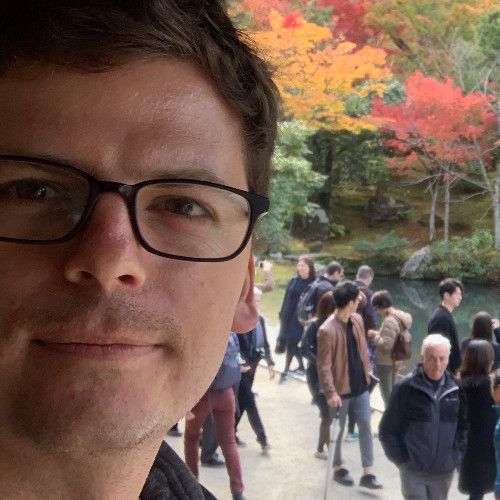
David Hodge Is Teaching Fleets to Speak Software
He started with subway directions that worked underground. Now the Embark founder and former Apple engineering manager is removing the hardware, handoffs, and guesswork from running connected vehicles.

Chuan Yu Is Designing the City From the Chassis Up
The architect behind PIX Moving does not begin with the car. He begins with the street, the neighborhood, and a stubborn question: what if useful spaces could come to us?
Waymo Has Left the Lab. Now It Has to Teach Cities to Trust an Empty Driver’s Seat
Alphabet’s robotaxi company has turned autonomous driving into a service people can summon. Its next test is less cinematic and more difficult: making safety, fleet economics and public trust work in city after city.
Cadillac Is Rewiring a 124-Year-Old Luxury Machine
The brand that once made tailfins a national mood is attempting a harder trick: carrying American luxury into the electric age without sanding off its personality.
Volkswagen Built an American Car Company Inside a German Icon
Volkswagen of America sells more than cars. It translates a global industrial system into an American ownership experience - from Chattanooga assembly and dealer financing to the ID. Buzz, myVW and a second-generation Atlas.
Pirelli Makes the Only Tyres in Formula 1 - and a Calendar It Won't Sell You
For 154 years the Milan tyremaker has chased a single idea: power is nothing without control. Today that means sensors buried inside the rubber, 3,800 factory-approved fitments, and a grip on the premium car that its bigger rivals can't quite copy.
VinFast Built Vietnam's EV Market. Now It Has to Prove the Model Travels
The Vietnamese automaker grew by treating electric mobility as a system - cars, scooters, chargers, fleets and factories. Its next road runs through Southeast Asia and India, with the economics still under construction.
Tesla Wants to Sell You a Car - Then Replace the Grid Around It
The company that made the electric car feel inevitable is now trying to turn vehicles, batteries, chargers and software into one enormous machine. The cars still pay most of the bills, but Tesla's next argument is about infrastructure.
The $5.1 Billion Company Hiding in Plain Sight on 30 Million Cars
Axalta’s name is rarely visible, but its chemistry sits on millions of vehicles, factory parts and buildings. Now the coatings specialist is turning paint into a system of color data, robotics and manufacturing efficiency - just as a pending merger could redraw its market.

The Truck Company Quietly Building the Operating System for Tough Work
From fire engines and boom lifts to airport robots and the Postal Service's next delivery van, Oshkosh turns hard jobs into a shared engineering problem. Its century-old trick is making technology travel between machines that rarely appear in the same conversation.
Warren Henry Auto Group
How a father's Bronx car lot became a $1 billion, seven-story, EV-wired empire selling everything from a $25,000 Toyota to a Koenigsegg hypercar under one North Miami roof.

Stellantis
Fourteen car brands, one Dutch holding company, and a bet that a constellation beats a single star. Inside the automaker stitched together from Jeep, Peugeot, Fiat and Maserati - and the reset now under way.

TE Connectivity
It is one of the largest companies most people have never heard of - the connector and sensor maker behind your car, your factory floor, and the AI data centers everyone else is busy hyping.
Ford Motor Company
Ford put America on wheels by mastering the moving line. Its next act is harder: turning trucks, fleet data, finance and software into one business without pricing ordinary drivers out of the future.