The Outsider Nerd Who Built the Future of Media
Alexandra, New Zealand has about 5,000 people, a lot of stone fruit orchards, and - as of 2017 - a claim on the origin story of one of Silicon Valley's most consequential media companies. That's where Hamish McKenzie grew up, far enough from the centers of power that the concept of "gatekeeping" probably hit different. He watched journalism from the outside before he became a journalist, then watched Silicon Valley from inside before he decided to rewire it.
McKenzie studied English Literature at the University of Otago and edited Critic, the student magazine, before completing a journalism master's at the University of Western Ontario. The arc from student editor to Tesla communications lead to co-founder of a $213M platform seems improbable. It makes complete sense once you understand what he saw breaking at each stage.
"The thing that was broken was the business model."
- Hamish McKenzie on why he built SubstackJournalism was never the problem. The attention economy was the problem. Writers were smart; the incentives they were handed were not. McKenzie spent years watching publications optimize for clicks while readers quietly wished someone would just write something worth paying for.
The Tesla Chapter
In 2014, McKenzie took a job most journalists would find baffling: Lead Writer at Tesla, under Elon Musk. He managed blog posts, earnings reports, press statements, and marketing emails. He saw a company that believed in its product so completely it had almost no conventional PR strategy. The product was the PR. The engineering was the story.
That experience became a book. Insane Mode: How Elon Musk's Tesla Sparked an Electric Revolution to End the Age of Oil was published in November 2018, months after he'd already started building Substack. It's a rare kind of credential - not an MBA, not a second founding - but the act of watching one disruptor up close and understanding the specific mechanics of disruption before trying it yourself.
Substack: The Subscription Bet
McKenzie, Chris Best, and Jairaj Sethi founded Substack in 2017. The proposition was almost aggressively simple: writers publish, readers pay, the platform takes 10%. No algorithms optimizing for outrage. No advertising model requiring you to keep people angry. Just the direct line between someone who writes and someone who wants to read them.
Early skeptics called it a blog with payment rails. What it turned out to be was a business model corrective for an entire industry. By October 2025, Substack had 50,000 earning creators, more than 50 of them pulling over a million dollars a year. The platform raised $100 million in Series C funding, bringing total capital raised to over $213 million. In January 2026, Substack TV launched on Apple TV and Google TV - a standalone streaming app that almost nobody predicted from a newsletter company in 2017.
McKenzie's job title - Chief Writing Officer - may be the most unusual in Silicon Valley. It exists specifically to plant a writer's perspective inside executive decisions. He represents what the platform's creators actually need, in the room where those decisions get made.
"I remember how good it felt to be a thinking person who liked to read on the internet. I remember being able to follow my favorite writers and read them at length, where their arguments could be made calmly, where there was a point in aiming for beauty."
- Hamish McKenzieThe Active Voice
McKenzie hosts The Active Voice podcast, a series of conversations with working writers - not media executives, not marketing consultants, but people who actually write. Guests have included George Saunders, Cheryl Strayed, Jessica Reed Kraus, Glenn Loury, and Chris Hedges. The format reflects a conviction: if you want to understand where writing is going, ask writers.
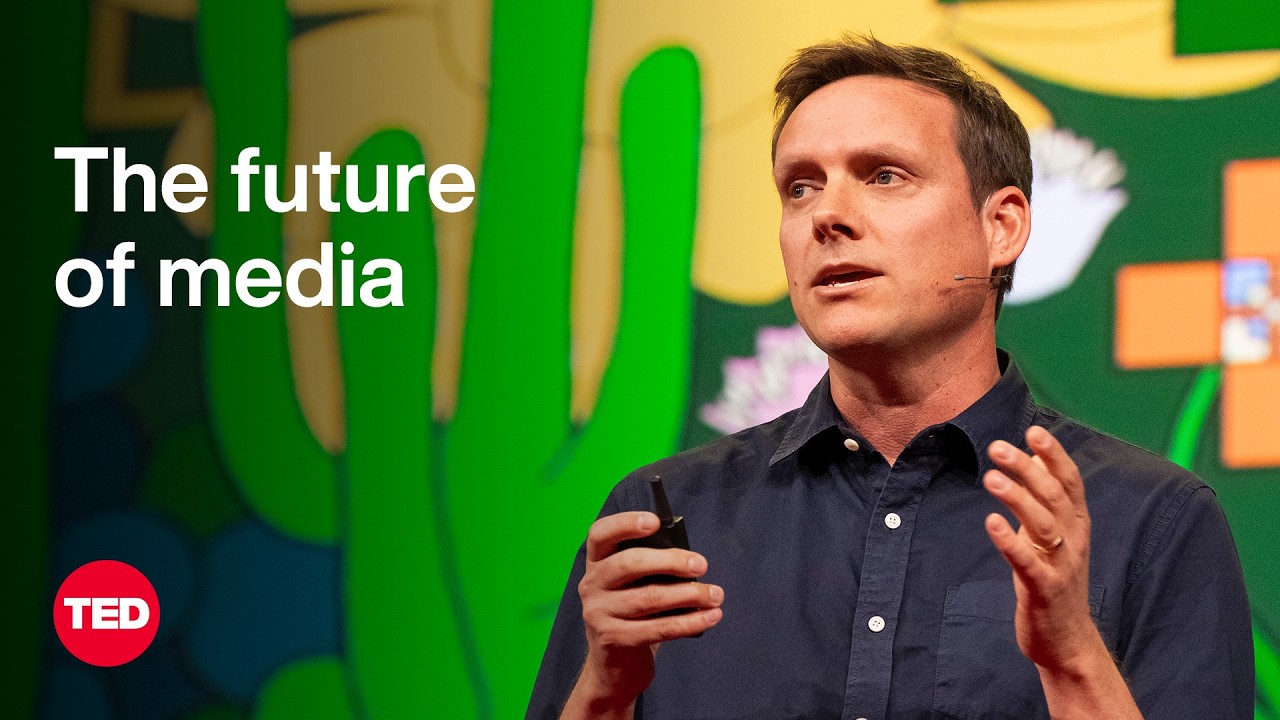
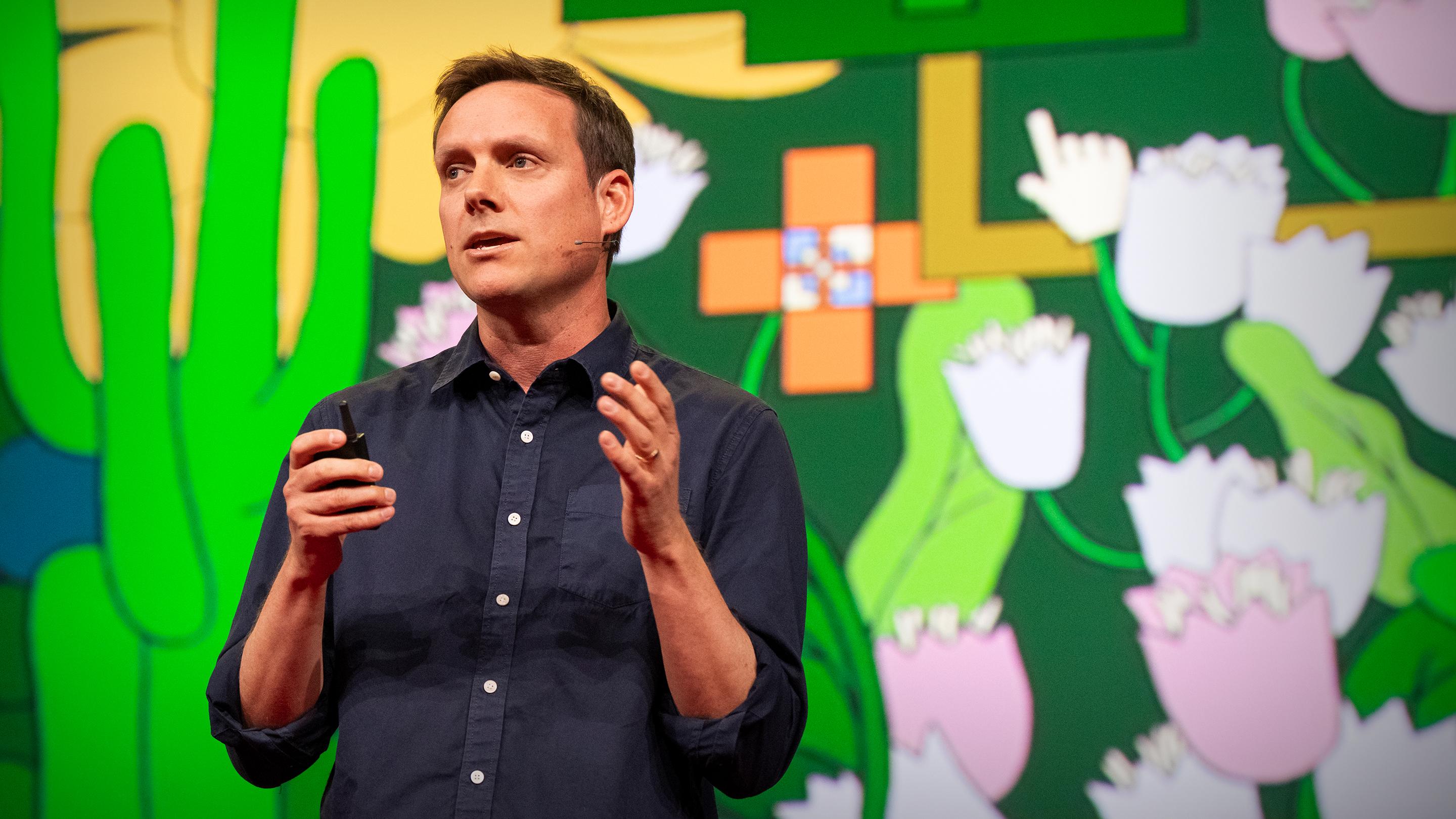
In April 2025, McKenzie delivered a TED talk - "This is what the future of media looks like" - that crossed one million views. He framed the argument cleanly: the old media model sold audiences to advertisers; the new model sells writing directly to readers. One of these aligns incentives. The other caused a decade of content decay.
Where He Comes From
McKenzie is of partial Maori heritage and lost his brother when he was 11 years old - an event he identifies as one of the formative influences on his life and thinking. He speaks about success not in terms of metrics but in terms of security: resource, physical, psychological. His stated greatest joy is quiet time in nature in New Zealand with his two young sons.
He quotes Kurt Vonnegut: "If this isn't nice, what is?" He thinks the discovery of fire was humanity's most significant achievement. He thinks climate change is the most important threat. These are not the answers of someone performing depth - they're the answers of someone who has thought about what actually matters and arrived at unusual conclusions by taking the question seriously.
What's Next
McKenzie is writing a book called How to Save the Media, due in 2026. Given that he watched one media transition from PandoDaily, participated in another from Tesla's internal communications team, and then engineered a third from inside Substack, he's positioned better than almost anyone to write that particular book.
He has set a public target of growing Substack from 5 million to 50 million paid subscribers. The math is straightforward; the execution is not. Substack has to remain a platform writers trust while scaling to tens of millions of paying readers who also need to trust it. McKenzie's job - Chief Writing Officer, by design - is to make sure those two trust relationships stay intact simultaneously.
The bet he made in 2017 is still running. The numbers suggest it's working. Whether it can scale to the size that would genuinely reshape media economics - that part is still being written.