photography
(50)
Diego Rosón and the art of taking the long way
The RYO Agency cofounder built a career in design and communication. On a Royal Enfield named Frankie, he found a way to bring photography, friendship and a long-postponed journey back into the picture.

Matt Schiller and the Business Hidden in a Graduation Photo
A photograph his mother loved helped send Matt Schiller toward a different business. With Snappr, the Australian founder has spent a decade working out what happens between wanting a picture and actually getting one.

Chris Lin and the business of being ready
A school district needed better pictures. Chris Lin found a new career - and went on to help photographers solve the problems that begin long before the shutter clicks.

Helena Bian and the case for a beautiful tool
Before Harlowe, Helena Bian spent years making lighting for other brands. Then the engineer with a lifelong interest in art began asking why the tools behind a beautiful image so rarely looked the part.
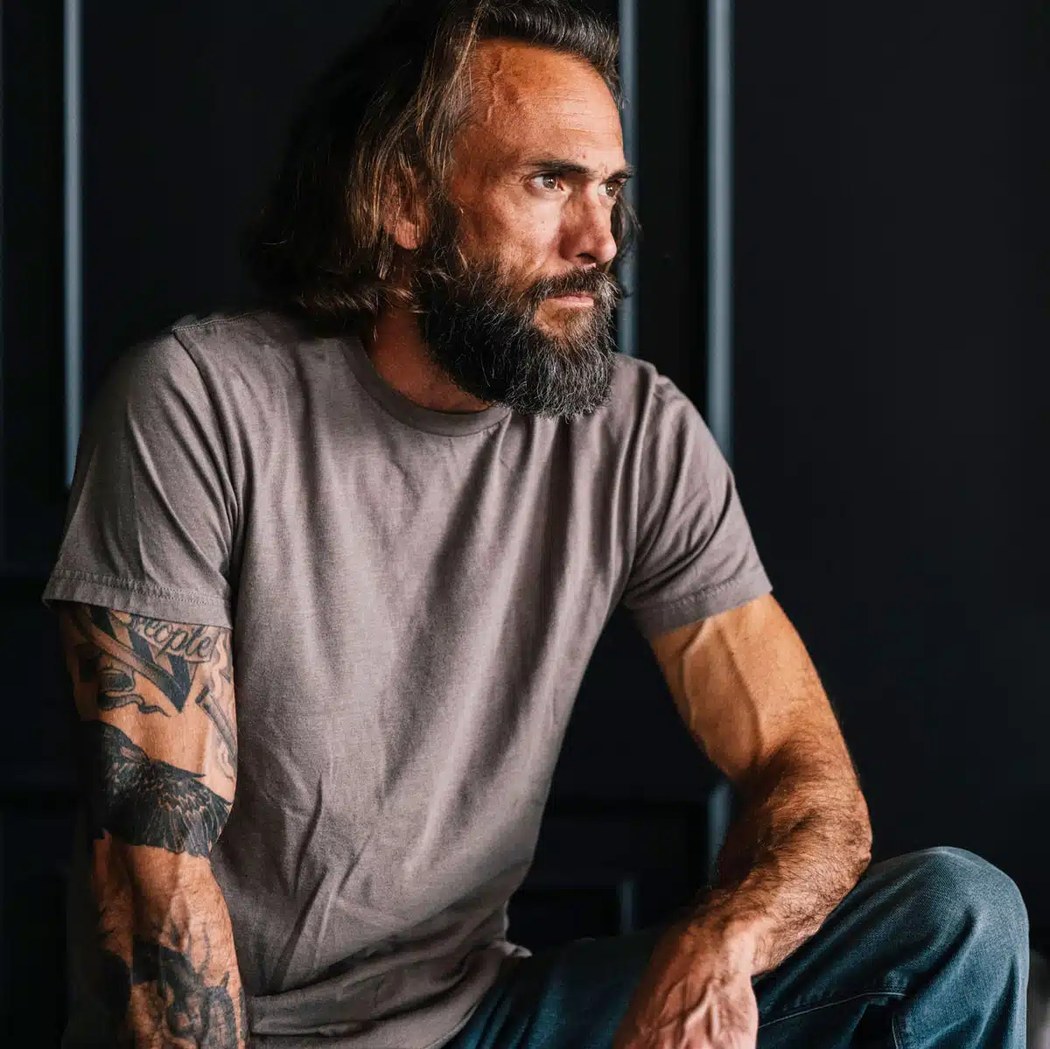
Joshua Waldron and the market hiding in plain sight
A magazine photographer stayed in Utah, co-founded SilencerCo, and learned how much of building a business happens outside the factory. Years later, Joshua Waldron is still asking which difficult things are worth doing.
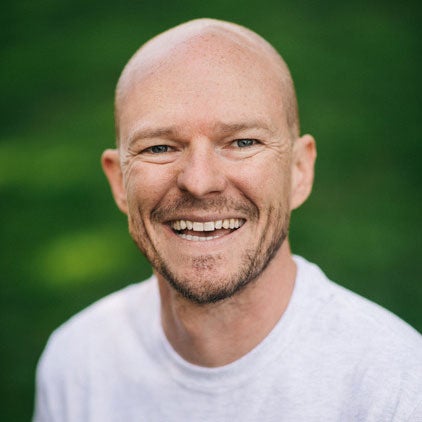
Don MacAskill and the rival worth keeping
He built SmugMug by charging for photographs when free was fashionable. Then he bought Flickr, a competitor he had been defending for years, and took on the harder business of keeping a community alive.
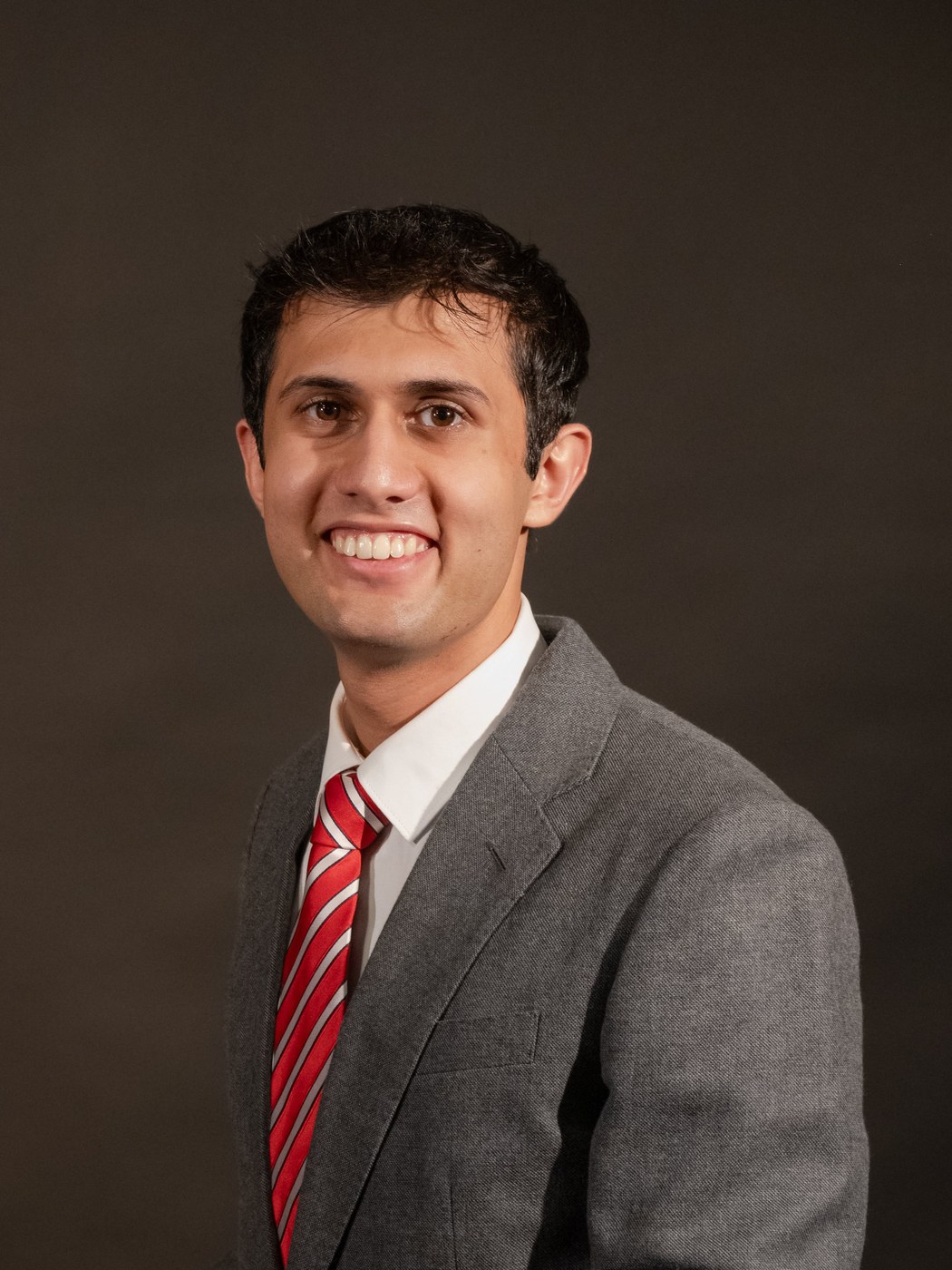
Tanmay Thaker and the business of taking students seriously
From a hotel-industry trade show to Northeastern’s venture accelerator, Tanmay Thaker has moved from learning inside other people’s businesses to helping students build their own. His next assignment is leading IDEA, the organization he joined as a Venture Fellow.

Peter Hadlaw and the Quiet Machinery Behind Getting Paid
Tesorio's founding engineer works where machine learning meets the stubborn rituals of accounts receivable. His other lens is literal: a camera trained on city light, small details and the world beyond the spreadsheet.
JP Battaglia and the Business of Knowing Where You Are
A Virginia Beach operator moves between service businesses, property, and a camera - three kinds of work joined by patience, local knowledge, and the useful habit of paying attention.

M+M Management knows what happens after the photograph
A photographic agency grew into a publicity business spanning fashion, jewellery and afternoon tea. M+M Management’s history shows how much of a campaign happens outside the frame.

Rooster Creatives follows the brand all the way to the table
A website can get someone through the door. This California design agency also thinks about the menu, the room, and what holds the soup.

Unauthorized Media puts a storyteller behind the page
Book interiors, pitch decks, and a view through HAL 9000’s eye: this Los Angeles design studio treats visual communication as a question of what the audience sees next.
Communication Arts sells a second look
A magazine born to keep a printing operation busy became a place where creative work gets noticed. Its enduring product is the judgment between making something and deciding it deserves an audience.

The design agency where beginners belong
At UC Berkeley, Innovative Design pairs campus creative work with a place to learn. Its most useful lesson may be how to make room for people who are still figuring out what they can do.
Rising Tides Creative thinks your restaurant has a story worth filming
A San Diego filmmaker found his next act in hospitality. Rising Tides Creative connects production craft with the everyday work of keeping a business in the conversation.

Uncivilized puts its creative brief on a $50 hoodie
The California design company brings branding, websites, photography and sound under one roof. Its own merchandise makes the personality tangible: pay the muse, laugh at the birds, and make the shirt after someone orders it.

ArtGallery and the art of buying without a raised eyebrow
A price tag, three photographs and a way to change your mind. Inside the online gallery that turns buying original art into a more ordinary transaction - and charges artists 35% to make it happen.

Pi Design Makes the Business Card and the Bigger Picture
From dancewear to aviation, this California studio follows a brand across catalogs, websites, photography and video. Its most revealing design lesson starts with two housecleaning business cards.

Ethos Brands bets on 24 partnerships and a very memorable van
The Texas home-service marketing firm puts a ceiling on client relationships while taking on everything from truck graphics to recruitment campaigns. Its SALT rebrand shows how those jobs can collide.
BLACK + GOLD knows a photograph needs somewhere to go
Elizabeth Waterman’s creative studio connects the shoot to the social feed, the book launch and the gallery wall. Its most revealing work starts with people, then gives their pictures a job.

Foto Shop’s real business: the errands a camera can’t finish
A Danville photo shop put family memories, passport pictures and fingerprinting on the same service list. Its unlikely mix offers a useful lesson in what people will still pay someone else to handle.

DigitalFusion knows what happens after the shutter clicks
A Venice Beach garage became a photo lab, a software business and a print shop. The thread connecting them: keeping an image intact through every hand it passes through.
Coast Creative sells the work behind the scroll
A sandwich sweepstakes, a cane collection, and a former NFL running back: inside the San Diego agency turning everyday businesses into things people want to watch.

Andrew Speight Turned a Rebrand Into a Career in the C-Suite
He arrived at RXNT as a senior graphic designer and, in the same year, became its chief marketing officer. His career makes a tidy case for the executive value of noticing what everyone else skims past.

Jay Kurahashi-Sofue Wants Money to Move Like Music
An art-history graduate turned crypto marketer has spent a decade translating difficult systems into stories people can use. At Eco and SONARA Records, his two worlds now run on the same principle: remove friction, then let the work travel.
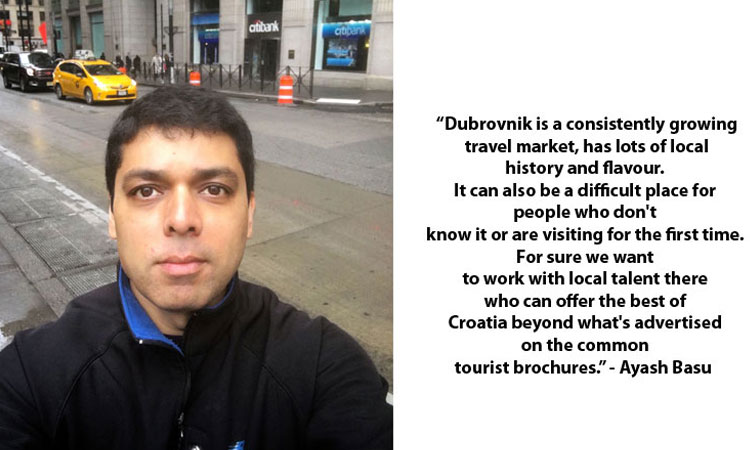
Ayash Basu Is Bringing a Photographer’s Eye to Public Storage’s Revenue Machine
After two decades of advising brands, building a photography marketplace and documenting people in the street, Ayash Basu has taken on a different kind of frame: pricing, brand and customer experience across Public Storage. His career suggests that growth begins with learning what deserves attention.

The Camera Company That Left Twelve Bodies on the Moon
A 185-year-old Swedish name, twelve camera bodies still sitting in the lunar dust, and a $7,399 flagship. How Hasselblad turned a tiny, expensive niche into a brand that outlives its owners.

Lexar Beat the Company That Invented the SD Card to the First 1TB SD Card
A 1996 spin-off that Micron owned and then let go, Lexar was bought for its name in 2017 - and has since shipped some of the fastest cards photographers and gamers can buy.

The Largest Camera Store in Texas Bet Its Future on the One Thing Amazon Can't Ship
It started as a repair bench in 1976. Fifty years later, Texas's largest camera store is still winning by doing the things a shipping box can't: fixing gear, developing film, and teaching people how to actually use the cameras they buy.

The Camera Store That Closes for Shabbat and Still Outsells Everyone
One store. Zero franchises. 400,000 products flying overhead on ceiling conveyor belts - and a checkout button that switches off every Friday at sundown. Here is how a Hasidic-owned camera shop became the gear counter for the entire creative internet.