She priced fine art like a paperback - then proved that a $20 print could turn a stranger into a collector.
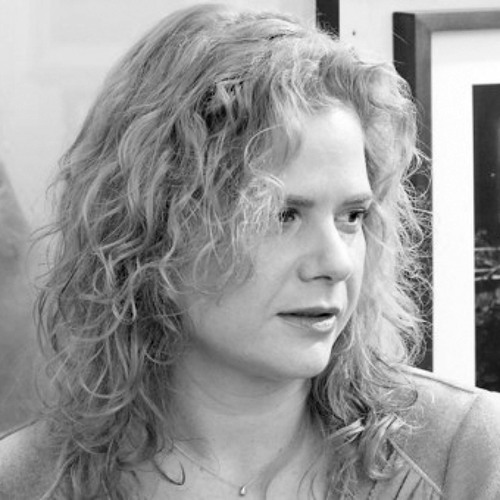
Walk into most galleries and the price list is hidden in a back room, whispered like a state secret. Jen Bekman put hers on the internet, in three sizes, starting at twenty bucks. That is the whole heresy. 20x200 - the company she founded in 2007 and still runs as CEO - sells limited-edition prints by artists both unknown and famous, in editions sized so that ownership stops being a privilege and becomes a habit.
The formula is in the name. The smallest print runs in an edition of 200 and sells for $20. Scarcity goes up, price goes up, the math stays honest. It was a deliberate provocation aimed at an industry that had spent centuries convincing ordinary people that art was not for them. Bekman disagreed, loudly: "I think there are tons and tons of people who don't buy art because no one's tried to sell it to them."
What she is building is bigger than a print shop. "What I'm interested in doing," she has said, "is nothing less than enabling a new economy" - one where artists get paid and collectors get started, both at once.
“The $20 print is the gateway drug of the art world.- Jen Bekman, on how new collectors start
Figures reported as of 2012, the platform's fifth year.
Before she sold a single print, Bekman spent a first career inside the early commercial internet - New York Online, Netscape, Disney, Meetup. She brought the web's habits, not the art world's, to the gallery.
"20x200" and its whole pricing concept surfaced during an instant-messenger conversation with collaborator Kate Bingaman-Burt. The best business plans rarely arrive on letterhead.
Most gallerists arrive through art history and apprenticeship. Bekman arrived through dial-up. That outsider's eye is why 20x200 lets you browse art by color - a practice she cheerfully admits is "verboten in the art world" but second nature to anyone who has ever shopped online. The newsletter, she says, became "a safe place where nobody is looking over your shoulder while you learn about art."
It also explains her bluntness about money. The romantic myth of the starving artist never moved her. "Money is awesome," she says. "Artists should have more of it."
Opens the Jen Bekman Gallery on Spring Street, Manhattan, championing emerging artists.
Launches Hey, Hot Shot! - an international competition that becomes a launchpad for emerging photographers.
Named Innovator of the Year by American Photo magazine.
Founds 20x200, the affordable limited-edition print venue.
Raises an $800,000 Series A round for 20x200.
Adds $2M more; sells $100,000 of William Wegman in one day; revenue hits $2.5M.
The brick-and-mortar gallery closes; 20x200 briefly goes dark.
Relaunches 20x200 and returns it to its original home online.
A Manhattan storefront built to make emerging artists more visible and first-time buyers less nervous. The proof of concept for everything after.
A premier international competition for photographers at any stage, hunting for exposure, recognition and support. Reputations were made here.
The big one. Curated editions, two new pieces a week, prices that start where a paperback ends. The art world, rebuilt for the inbox.
Money is awesome. Artists should have more of it.
There are tons of people who don't buy art because no one's tried to sell it to them.
What I'm interested in doing is nothing less than enabling a new economy.
Money isn't the only measure of success.
Ask her about taste and you get range: bebop jazz, Yo La Tengo, and the LA band Knower - though she refuses to play music while writing. Her earliest memory is spinning Beatles records with her father at three or four. Her design heroes are the democrats of the discipline, Charles and Ray Eames and Henry Dreyfuss, people who made good things for everyone rather than precious things for a few.
Sources: Wikipedia, Clever Podcast, PRINT Magazine, Anil Dash, American Express Business, 7x7, Gotham Gal. Portrait via PRINT Magazine.