operational-excellence
(25)
Douglas Dietrich and the business of small improvements
At Minerals Technologies, Douglas Dietrich works on a scale most people never see: mineral particles, factory routines and thousands of employee ideas. His route from mechanical engineering to the corner office helps explain why the details keep his attention.
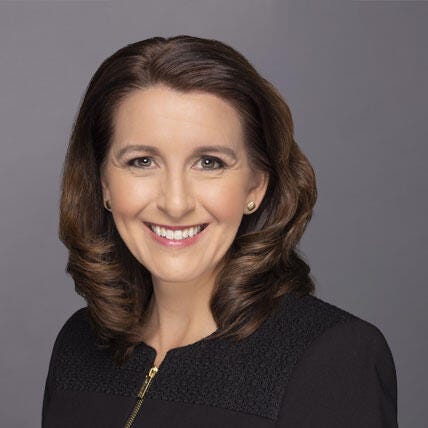
Kathy Warden and the value of a change of plan
She went to college thinking about law and left with a future in computing. The Northrop Grumman chief’s career has been shaped by knowing when to change direction - and when to keep working on a very hard problem.
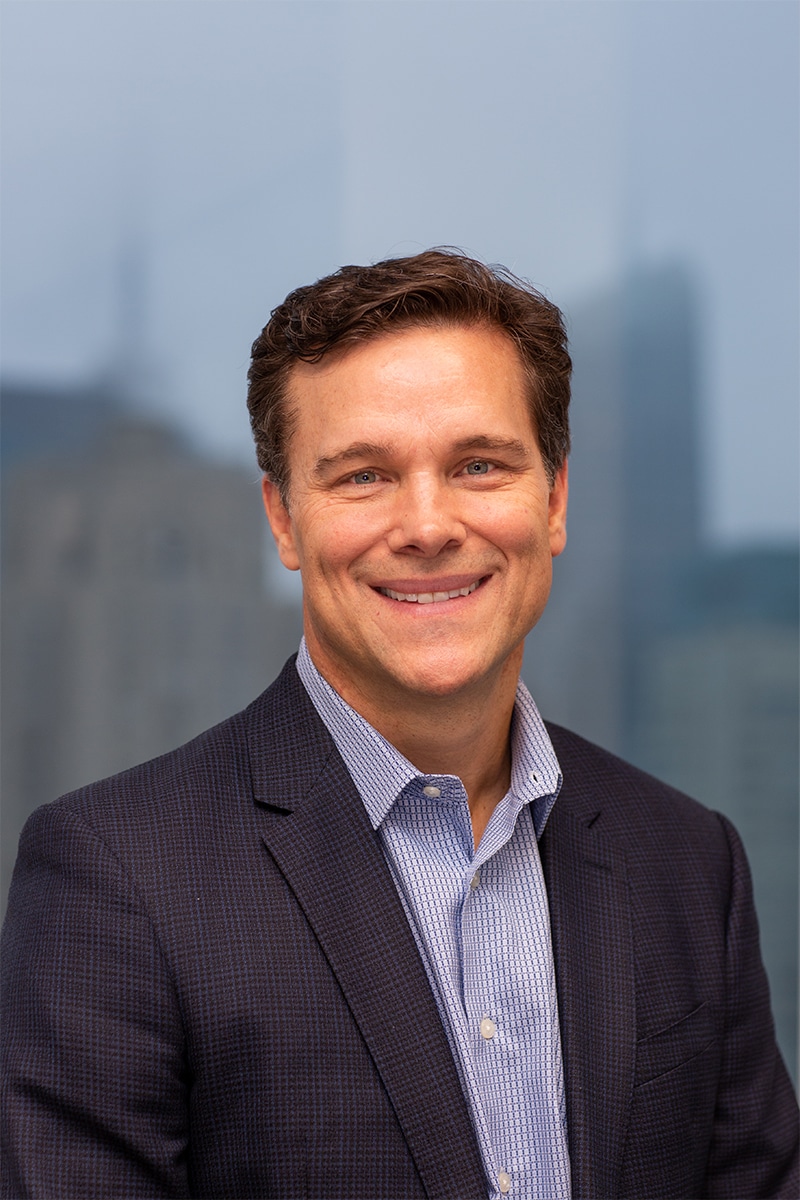
Russell Reeder and the problem with being indispensable
He founded Rightsline to bring order to Hollywood’s licensing business. After years running technology companies, Russell Reeder is working on a related problem: how to build a business that keeps moving when its leader leaves the room.
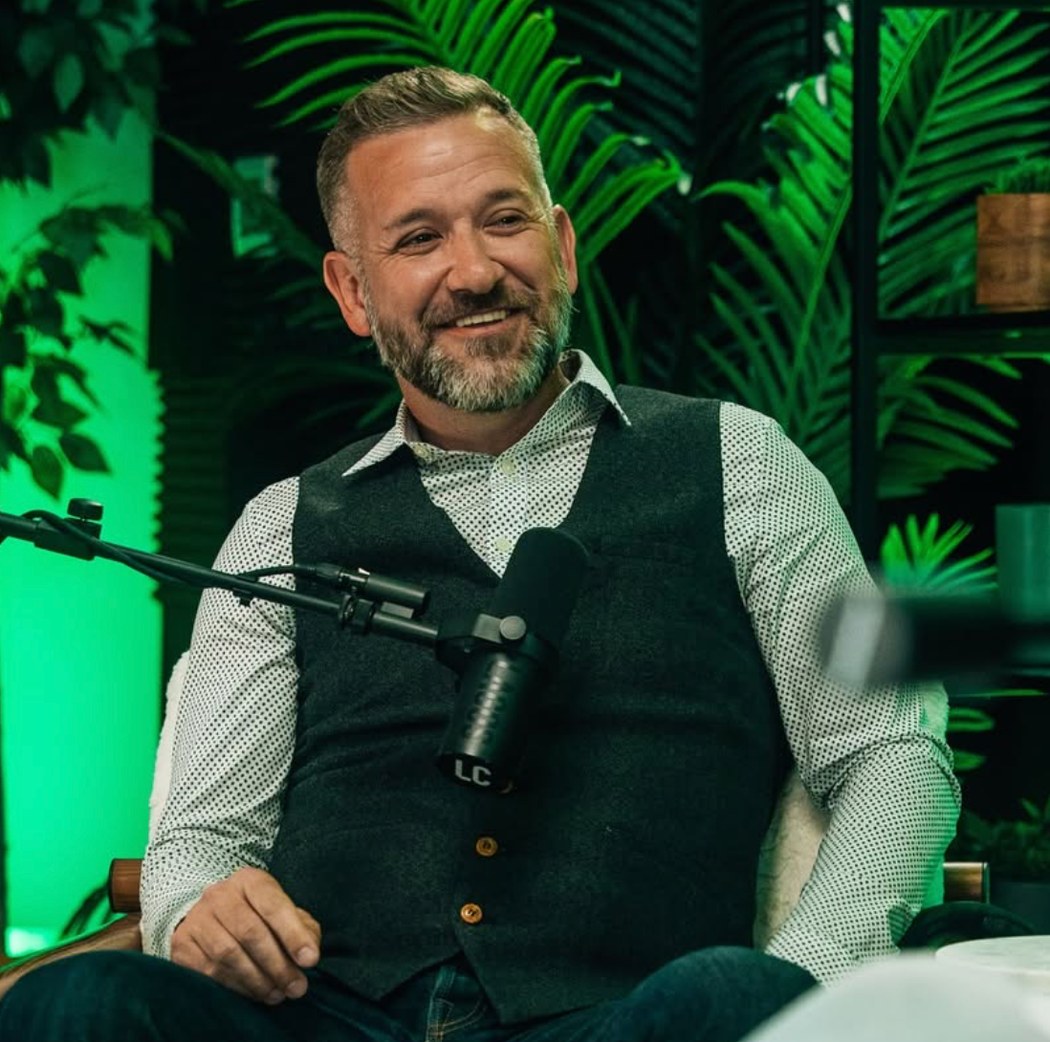
Joseph Anderson and the Business of Making Ideas Bounce
Before Droplight put him beside race cars and David Letterman, Joseph Anderson worked on the machinery inside companies. His wager is that a good introduction needs an operation capable of keeping its promises.
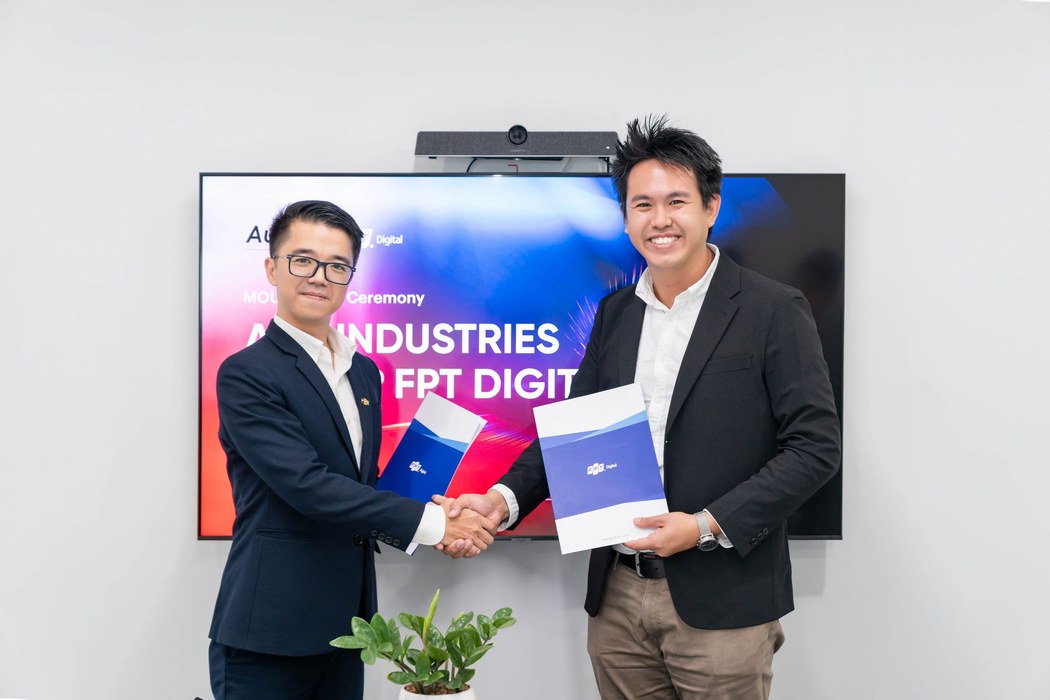
Samuel Tan and the value of half an hour
An Indonesian factory gave Samuel Tan’s team one lunch break to connect two production lines. The Auk Industries co-founder has built his business around a related question: how much complexity can you remove before useful work begins?
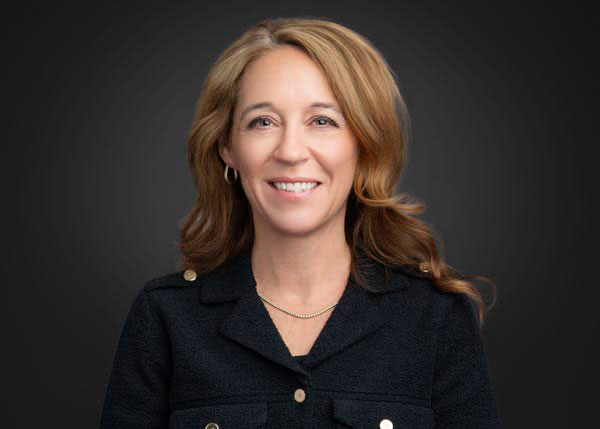
Staci Kroon and the factory tour that kept going
At a plant in Shenzhen, Staci Kroon found enough ingenuity to set a personal record for the longest tour. Her route from Eaton to BraunAbility to TouchPoint helps explain why she kept asking questions.

The Publisher Who Turned a Rolodex Into a Consulting Firm
After 250-plus publications and a decade of community events, Scott Costello made an intriguing wager: the real product was never the magazine. It was the ability to turn relationships, strategy and follow-through into institutional momentum.
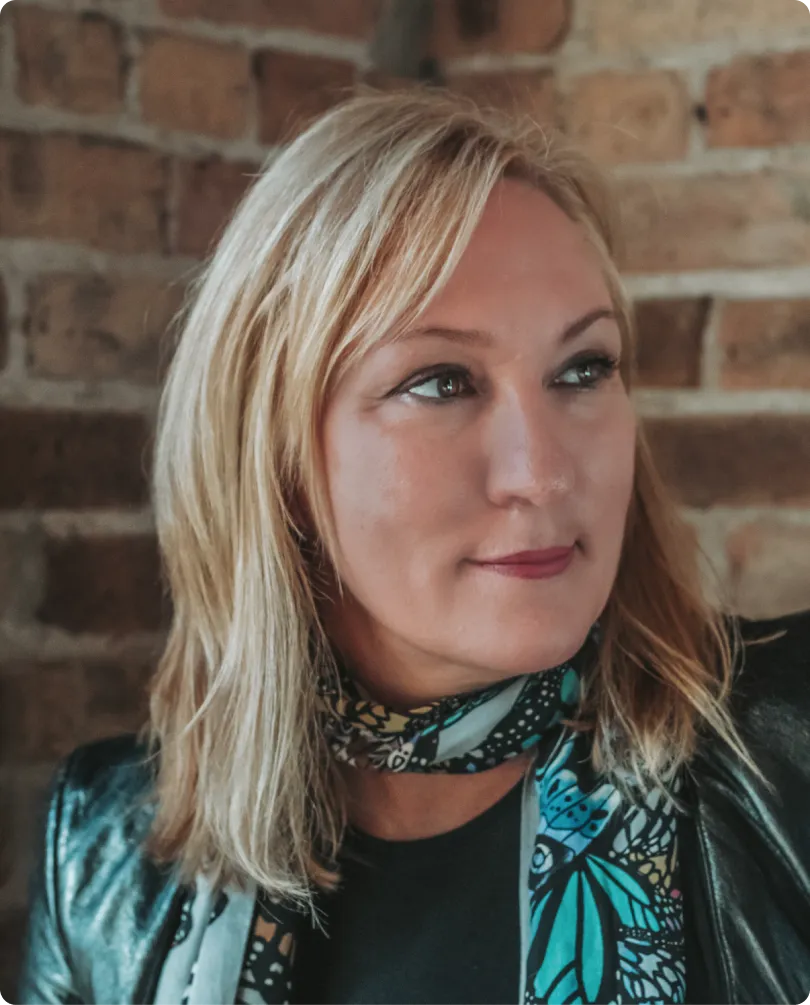
Anita Samojednik Is Teaching AI When to Ask an Accountant
After two decades running marketplaces and customer operations, Paro's CEO is betting that the future of finance belongs to algorithms that know their limits - and experts who know what to do next.
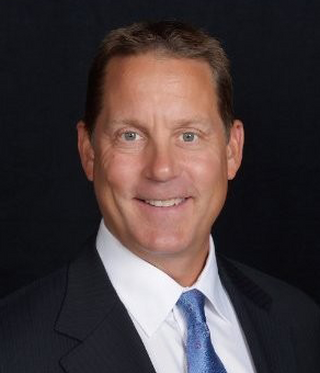
Paul Lapadat Built a Seven-Brand Dessert Company from a Starbucks Napkin
A finance-trained food executive spotted a simple contradiction: people wanted desserts that felt handmade, while retailers and restaurants needed them made at scale. His answer became a seven-brand bakery platform built on real ingredients, operational discipline and an insistence that the product comes first.
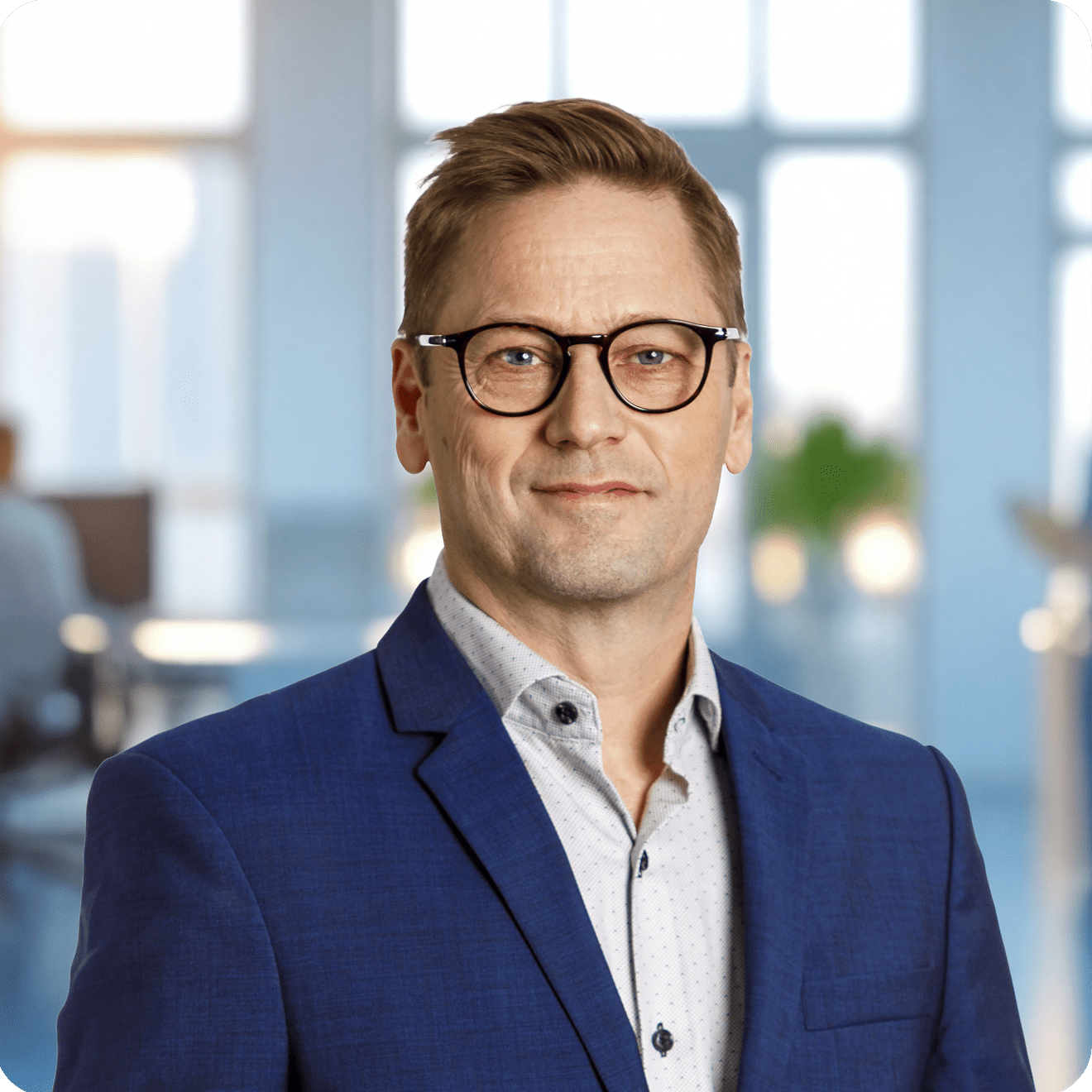
François Séguin Is Building the Factory Behind the Thermostat
The products promise comfort. François Séguin's job is to make the machinery, data and people behind that promise work at industrial scale - from a Saint-Bruno factory floor to a 17-site North American manufacturing network.
Cordance Is Collecting the Software Nobody Notices - Until It Stops Working
The Raleigh software group is assembling a portfolio of niche B2B tools for warehouses, campuses, laboratories and thrift stores - then betting that patient ownership and shared operating muscle can make small specialists stronger.

The Private Equity Firm That Would Rather Walk the Shop Floor
LFM Capital built a $1 billion-plus investing platform around an unfashionable conviction: the best way to understand a factory is to have run one. Its engineers-turned-investors bring capital, operating muscle and a respect for the companies they buy.
Cardone Ventures Wants to Make the Owner the Least Essential Person in the Room
The 10X brand supplies the volume. Cardone Ventures supplies the operating system - a four-part method designed to help established business owners build companies that can grow without depending on them for every decision.
Lock 8 Partners Is Building the Software Buyout Firm for Workhorses, Not Unicorns
The New York firm buys overlooked B2B software businesses, installs operating muscle and stays focused on the unglamorous work of making a good product into a durable company.
Auk Industries
A Singapore startup wants to be the 'Fitbit for machines' - snapping cheap sensors onto any factory line and turning decades-old equipment into a live data feed in days, not months.
Timah Partners
Timah Partners is a Singapore-based permanent holding company that acquires essential, recurring B2B SMEs across Southeast Asia and holds them for the long term, with no intent to flip. Founded by Dennis Chua, it pairs patient capital with a CEO Succession (CEO-in-Training) program that develops the next generation of operators to run its portfolio companies. The firm positions itself as a permanent home for owners who lack a succession plan, prioritizing culture, founder legacy, and operational stewardship over quick exits. It closed a US$50 million Series A in June 2025.
DeepHow
DeepHow is a Detroit-based enterprise AI company that turns the hands-on know-how of experienced industrial workers into structured, searchable training. Founded in 2018 by former Siemens innovation leaders, its platform uses vision AI and machine learning to capture expert workflows on video, automatically segment and transcribe them into step-by-step guides, and - in its newer 'physical AI' products - verify that frontline operators are performing tasks correctly in real time. Used by manufacturers, pharma companies and field-service organizations to close skills gaps as veteran workers retire.
EthonAI
EthonAI (now branded Ethon) is a Zurich-based industrial AI company, spun out of ETH Zurich in 2021, that builds a Manufacturing Analytics System for factories. Its no-code platform layers on top of existing factory data sources to detect visual defects, monitor processes and run autonomous root cause analysis, using causal AI to explain what drives production variation. Customers including Siemens, Lindt & Sprüngli, Bosch and Roche use it to cut quality losses by up to 50% and raise productivity while keeping engineers in the decision loop.
iObeya
iObeya is a French enterprise SaaS company that digitizes the Obeya - the Lean 'big room' where teams manage strategy and operations visually. Its Digital Obeya Platform recreates the paper-on-the-wall experience of physical war rooms as connected virtual boards, letting multisite and hybrid teams run Lean rituals, Agile ceremonies, KPI reviews and problem-solving in real time. Founded in 2011 out of work with PSA (now Stellantis), iObeya is used by large industrial and regulated organizations such as Airbus, Thales, Sanofi and Schneider Electric to align leadership and frontline teams and accelerate decision-making.
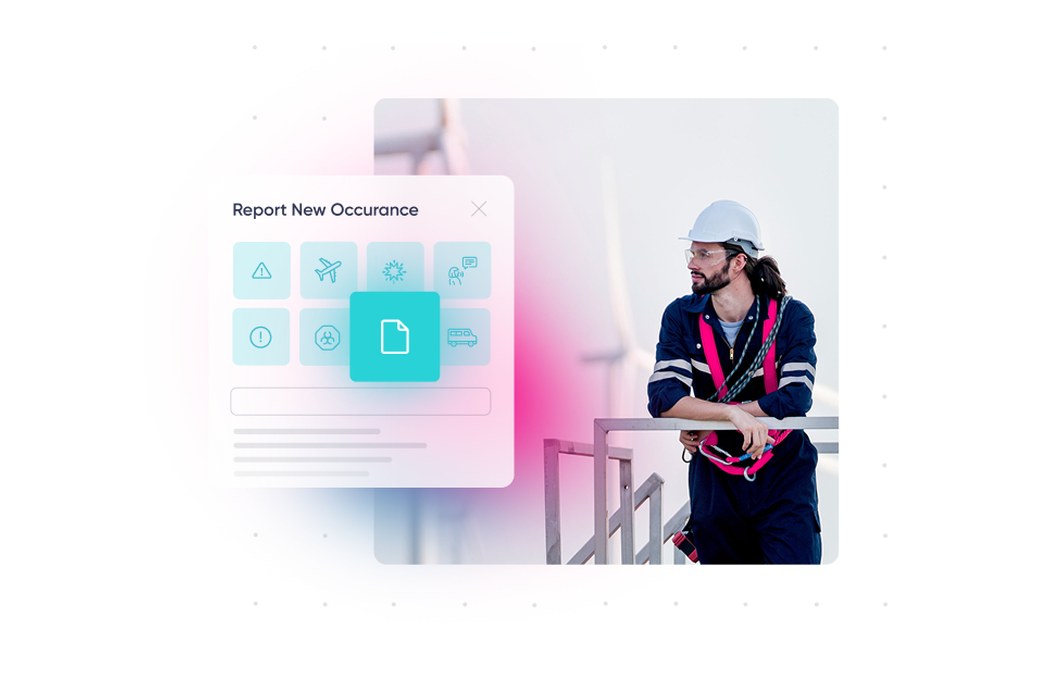
Ideagen EHS
Ideagen EHS is the environmental, health and safety arm of Ideagen, a UK-headquartered governance, risk and compliance software company. Built on technology that includes the acquired DevonWay platform, Ideagen EHS gives manufacturers, energy and nuclear operators, aviation, maritime and government organisations one place to run incident reporting, risk assessment, audits and inspections, environmental compliance, occupational health and industrial hygiene. It layers AI over that data to draft investigations, map regulations and surface risk, aiming to move regulated, high-consequence workplaces from disconnected spreadsheets to continuous, audit-ready compliance.
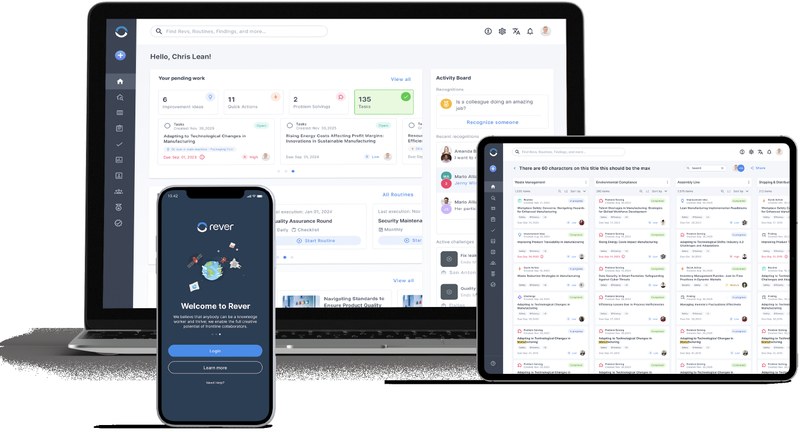
Rever, Inc
Rever is a San Francisco-based SaaS company building a Frontline Intelligence Platform that digitizes kaizen, audits, inspections and continuous improvement for industrial operators - turning everyday workers into a connected army of problem-solvers, with AI that surfaces hidden losses and replicates proven fixes across plants.
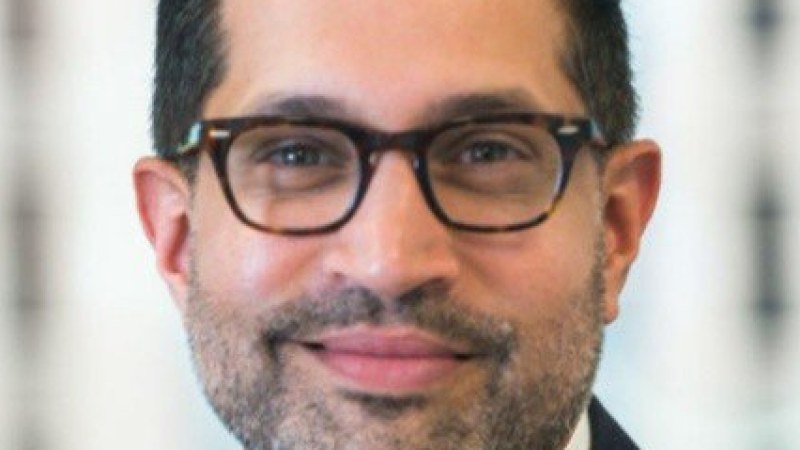
Sameer Kazi
Sameer Kazi is the CEO of Pantheon, the leading WebOps platform powering websites for The Home Depot, Kaiser Permanente, and Doctors Without Borders. A two-decade SaaS veteran who scaled ExactTarget through its $2.7B Salesforce acquisition, ran Cheetah Digital across 18 countries, and served as ActiveCampaign's first-ever president, Kazi brings a rare combination of operational rigor and growth instinct to Pantheon's 10,000-customer platform.
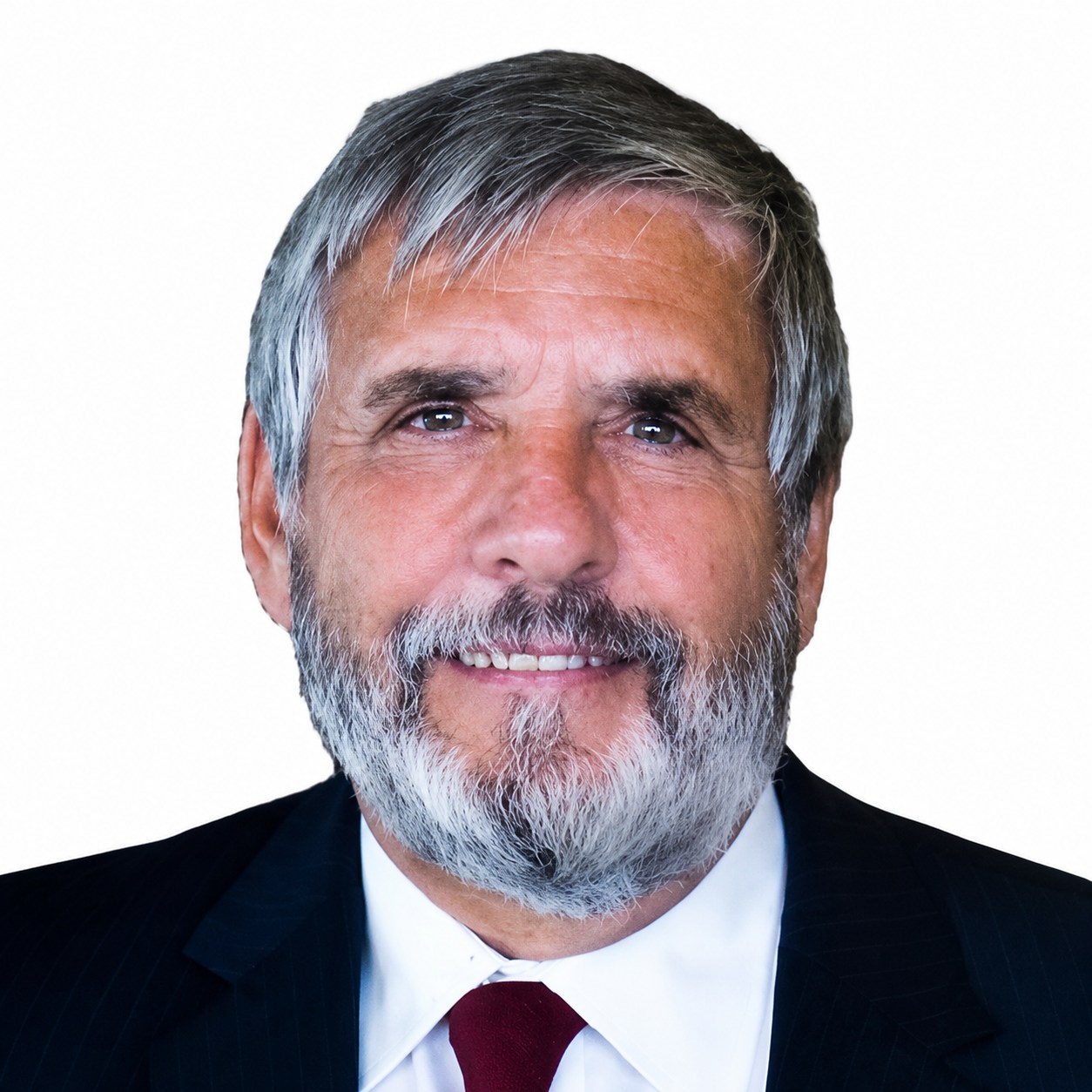
Robert Felton
Robert 'Bob' Felton is a serial entrepreneur and nuclear-turned-software pioneer who has founded three enterprise software companies over a 40-year career - TENERA, Indus International, and DevonWay - each leveraging new computing paradigms to serve the nuclear and utilities industries. After Ideagen acquired DevonWay in September 2023, Felton now serves as CEO of Ideagen EHS, bringing his lifelong mission of transforming industrial operations through software full circle. A Cornell-trained mechanical engineer and decorated Navy submarine officer, Felton coined the term 'Enterprise Asset Management' alongside Gartner Group and took two companies public before building DevonWay's no-code platform for EHS, quality, and workforce management.
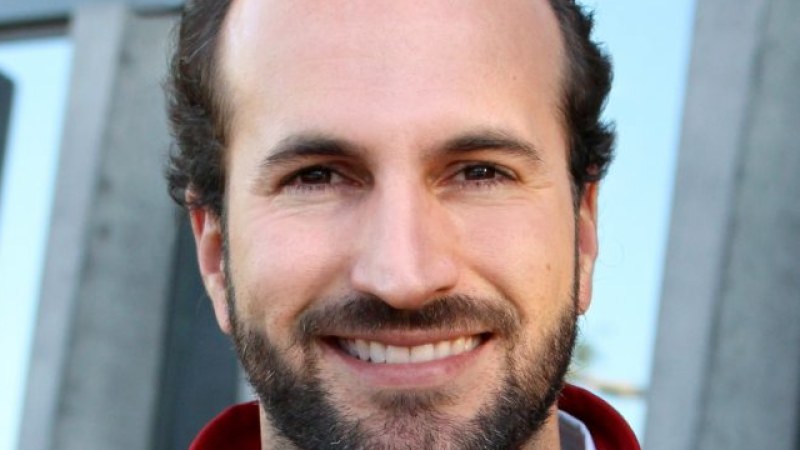
Errette Dunn
Errette Dunn is Co-Founder and CEO of Rever, a San Francisco-based frontline intelligence platform that helps global industrial companies unlock the creative potential of their deskless workers. Drawing on hands-on stints at Toyota and Airbus, he spent a decade coaching operations leaders across 17 countries before co-founding Rever in 2015. Today the company-backed by Y Combinator, Sequoia, Ulu Ventures, and Mundi Ventures-serves world-class manufacturers like Volkswagen, Grupo Bimbo, and Hyundai in more than 70 countries, giving factory floor workers an AI-powered mobile app to photograph problems, build solutions, and earn recognition in minutes.
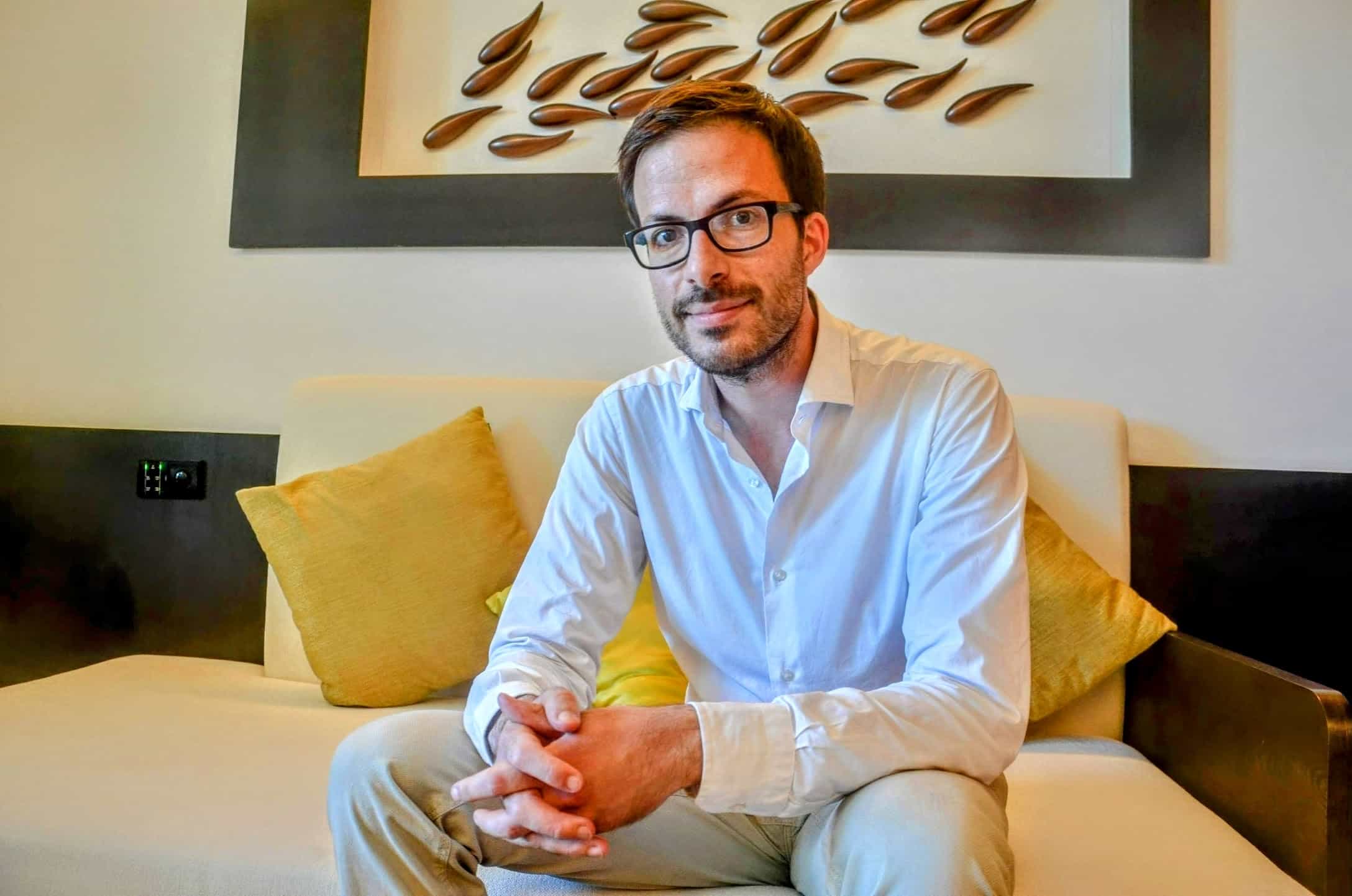
Luca Dellanna
Luca Dellanna is an Italian author, management consultant, and systems thinker based in Turin, who has written 10+ books on ergodicity, risk management, behavioral psychology, and long-term strategy. Best known for making the concept of ergodicity accessible to a broad audience, he advises organizations on operational excellence and cultural change, teaches at the University of Genoa, and has been featured on EconTalk twice. His work sits at the intersection of probability theory, human behavior, and practical management wisdom.