podcast-host
(135)
Harshit Jain and the unfinished whiteboard
Before he built Doceree, Harshit Jain learned to make an idea travel. His career in advertising, entrepreneurship and publishing keeps returning to the same question: what makes people pay attention?
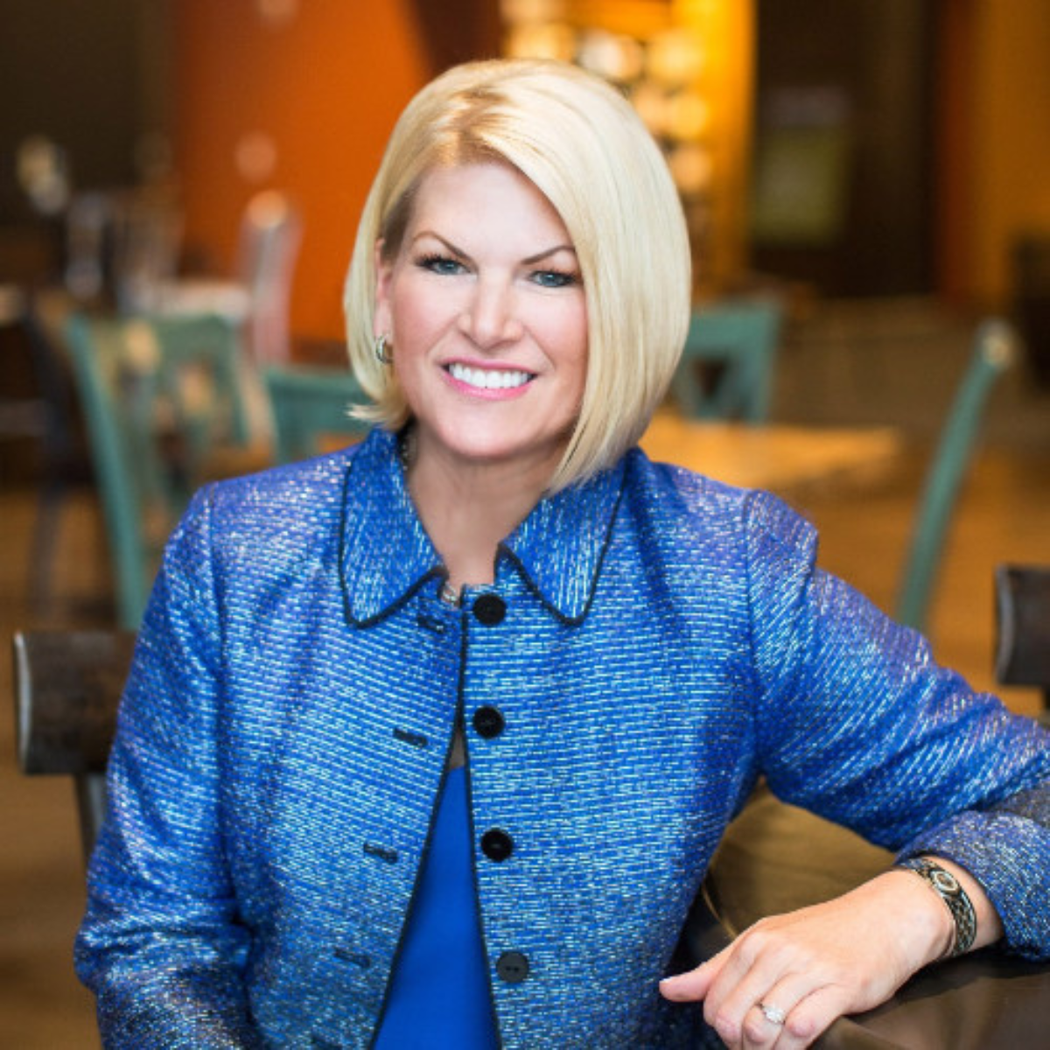
Lisa Nichols and the business of paying attention
A childhood flower venture ended with an apology. Three decades into Technology Partners, Lisa Nichols is still working through the same question: what do you owe the people who make your business possible?
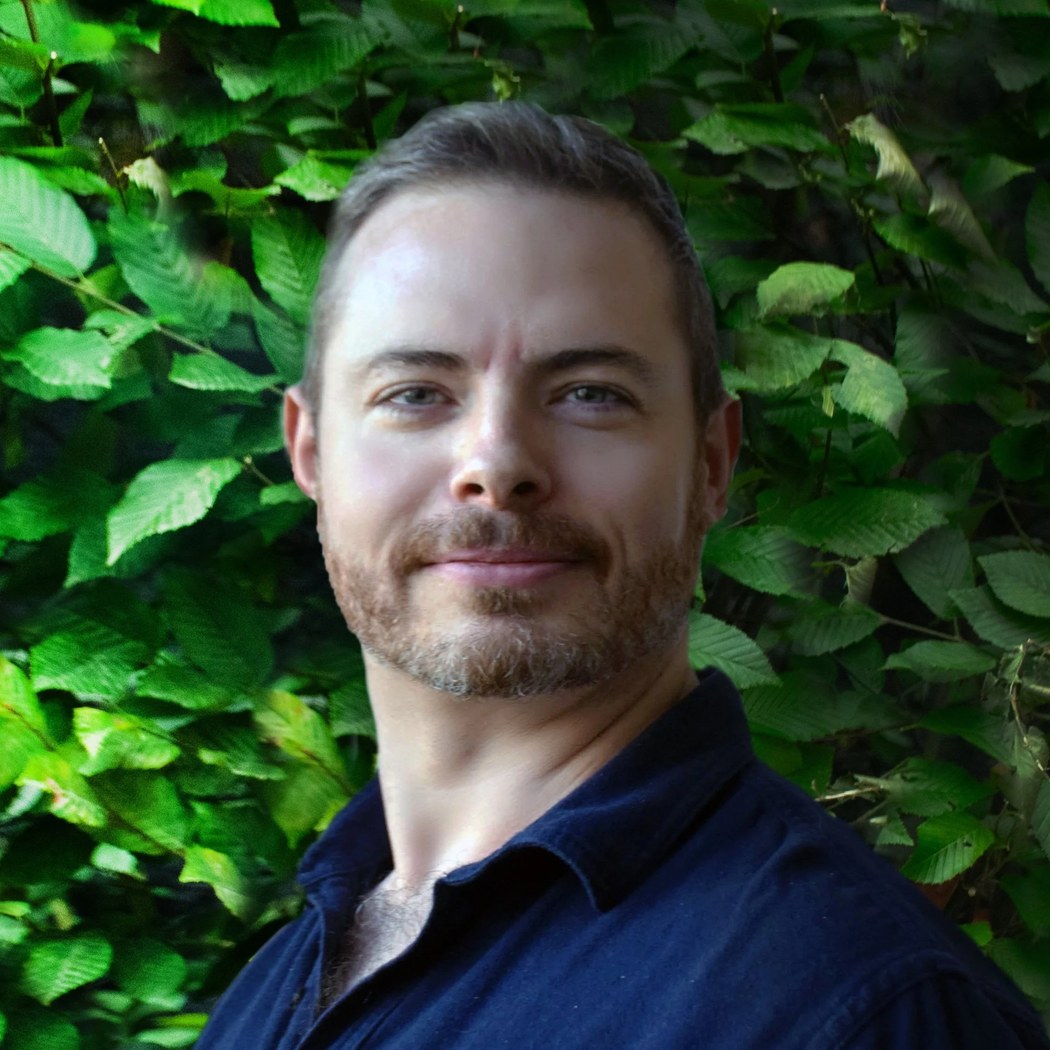
James McWalter and the trouble with a perfectly good field
An Irish farm, a philosophy degree, and a thousand LinkedIn approaches led James McWalter to an overlooked energy problem: deciding where anything can actually get built.

Natu Myers and the six-letter shortcut to a complicated business
He studied computing, played defensive line and built software for people who made music. At Raises.com, Natu Myers is working on a different kind of coordination problem: getting a buyer, a deal and the money into the same room.
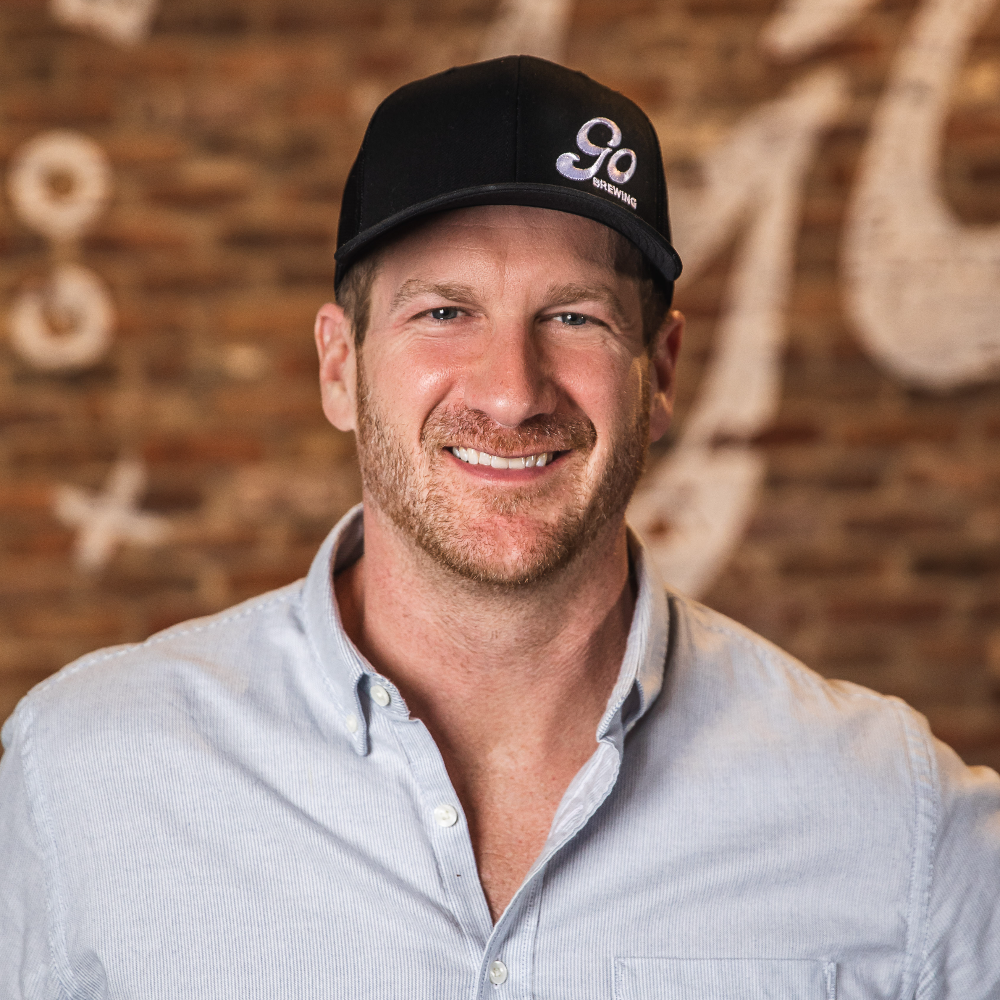
Joe Chura’s fifteen-second head start
He studied between cars on the Ford assembly line, then co-founded two businesses bought by Cars.com for $165 million. With Go Brewing, Joe Chura is finding out how much of a software founder’s education fits inside a beer can.

Bradley Bostic and the trouble with finding things
Before hc1, Bradley Bostic delivered college textbooks and helped build a service that answered questions by text message. His career keeps returning to the awkward distance between having information and getting something useful done.
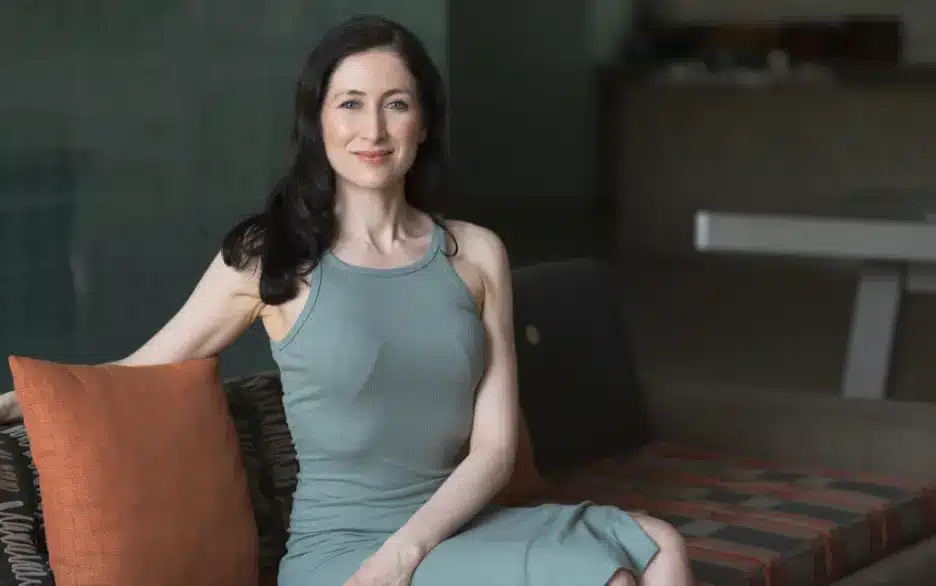
Kris Safarova and the art of starting again
A concert pianist became a consultant, a banker and a business educator. Kris Safarova’s next project was to make the reasoning inside those careers easier for other people to learn.

Amy Woods and the work that happens after publish
After more than a decade in management consulting, Amy Woods built Content 10x around a neglected question: how much useful life is left in the work you have already made?

Elena Petrova and the work between the words
From interpreting in Saint Petersburg to building Ad Astra, Elena Petrova has made a career of helping people understand one another. Her latest work asks how much of that connection a company can organize - and how much still requires showing up.
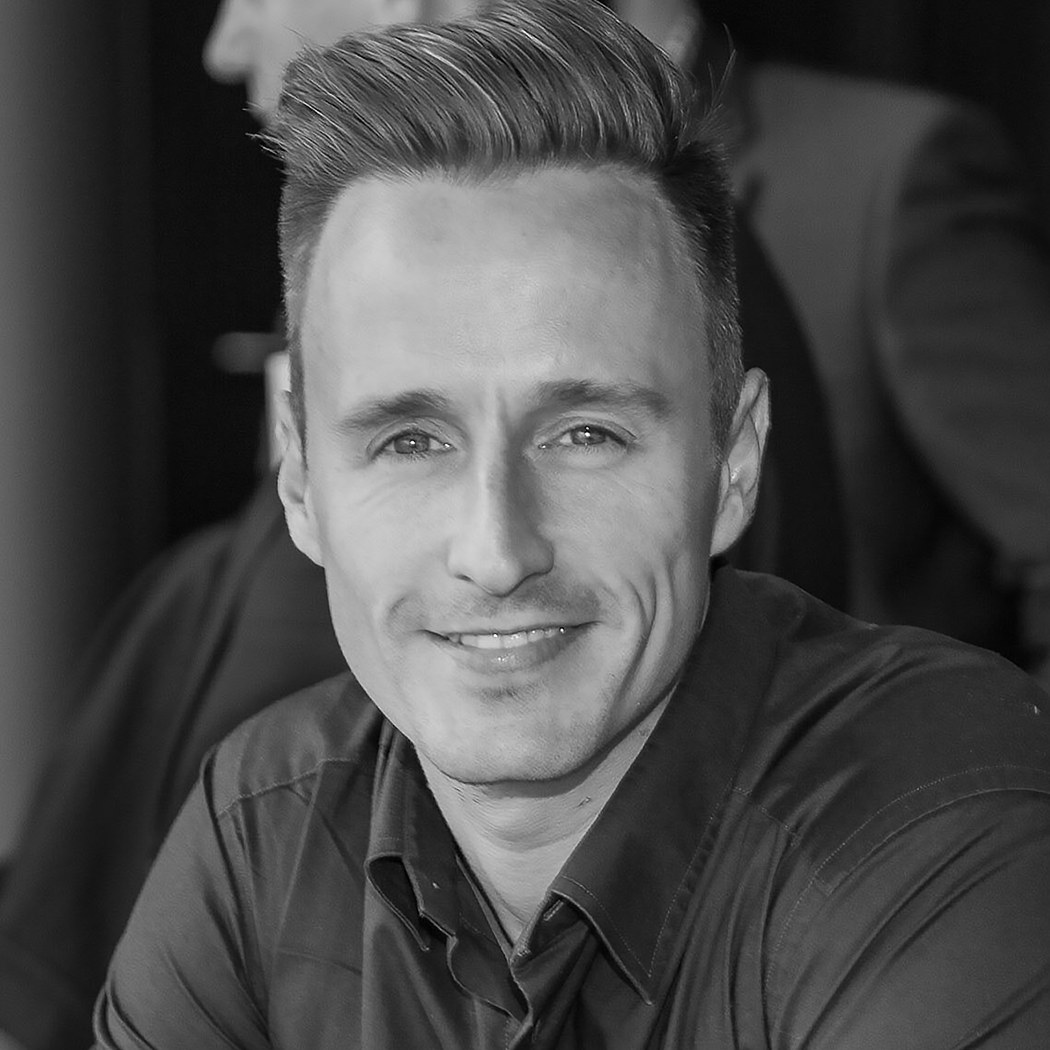
Kim Balle and the business of belonging
A Startup Weekend gave Kim Balle a community. He helped turn that feeling into Global Startup Awards, then kept looking for ways to make the introductions last.
The afternoon that changed Craig S. Smith’s beat
After decades reporting across borders, Craig S. Smith found a new assignment in a conversation about neural networks. Eye on AI grew from his desire to keep asking questions.
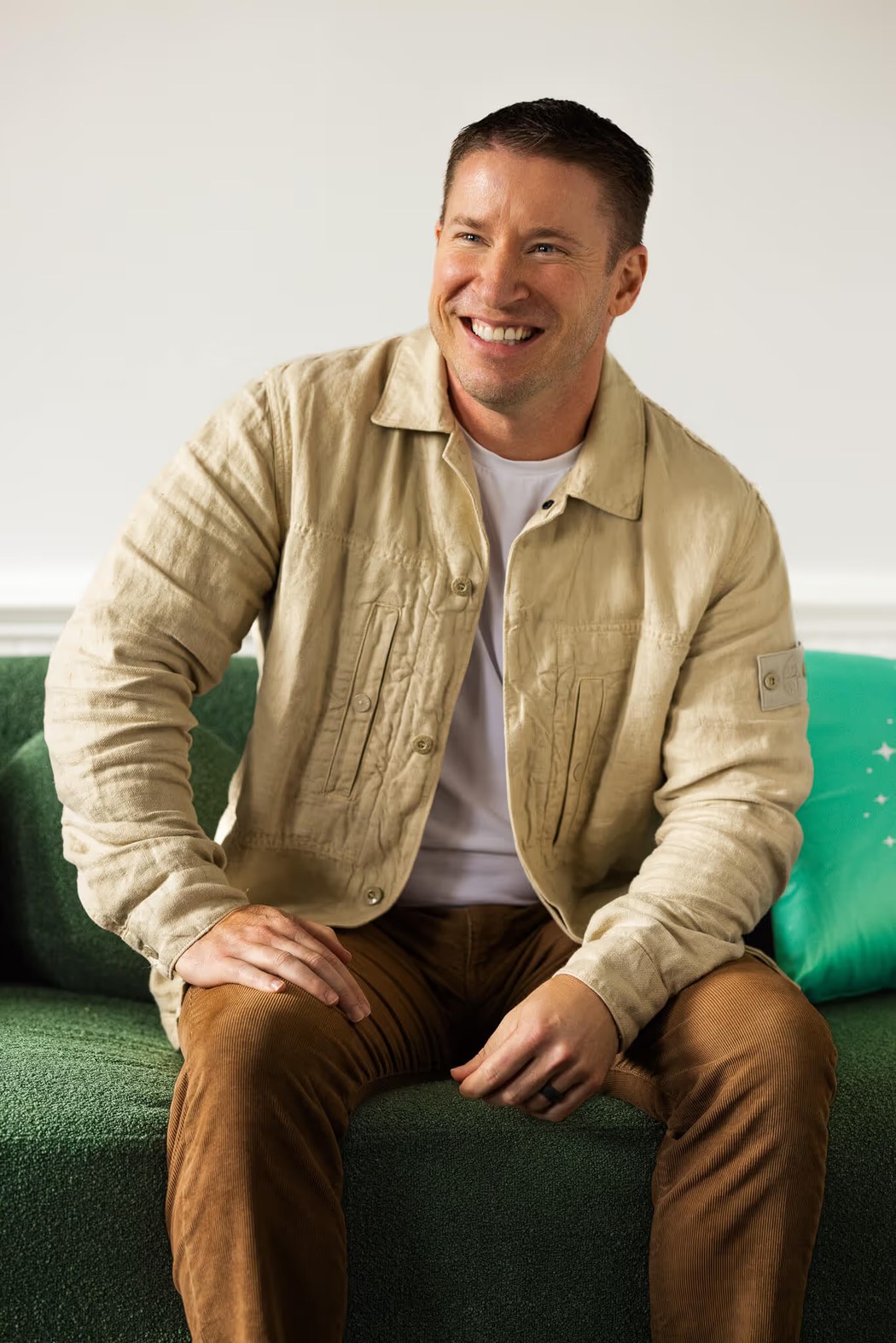
Jesse Mecham gave every dollar a job. Then he changed his own.
He built YNAB to help pay the rent, then handed over the CEO chair. Now Jesse Mecham is asking a question that reaches well beyond a spreadsheet: what is the money for?

Nathan Chan had questions. So he started a magazine.
An IT support job, an improvised publishing education and a very ambitious guest list. How the founder of Foundr turned his own curiosity into a business for people learning to build one.

Jeremy Langevin and the art of stepping up to the microphone
A karaoke invitation put Jeremy Langevin in a band. At Horizontal Talent, the cofounder and CEO keeps returning to a related question: what can people do when someone gives them a chance?
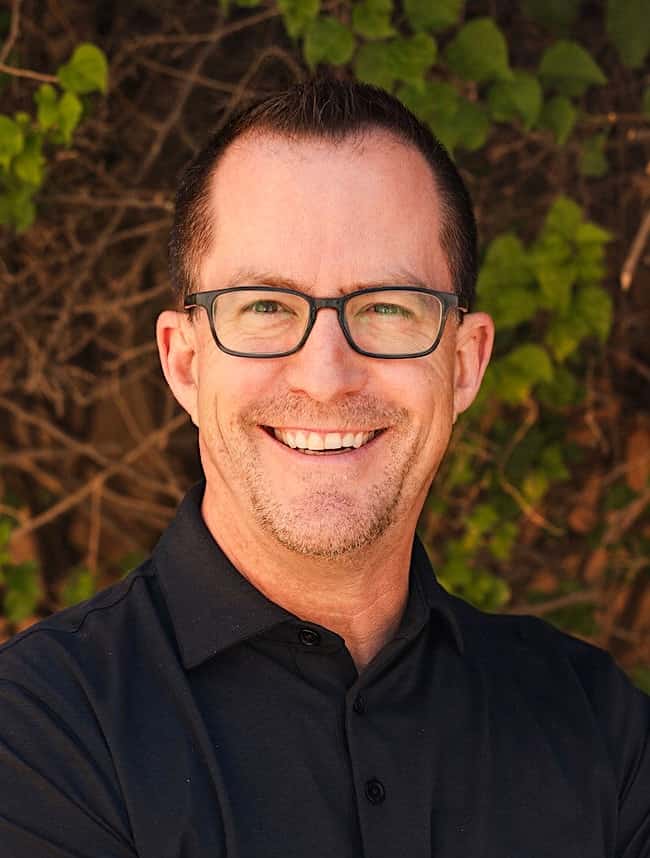
Greg Head’s case for a smaller room
He helped build software companies through an IPO and a climb to $100 million in revenue. Now Greg Head spends his time with small groups of founders deciding what growth should look like for them.
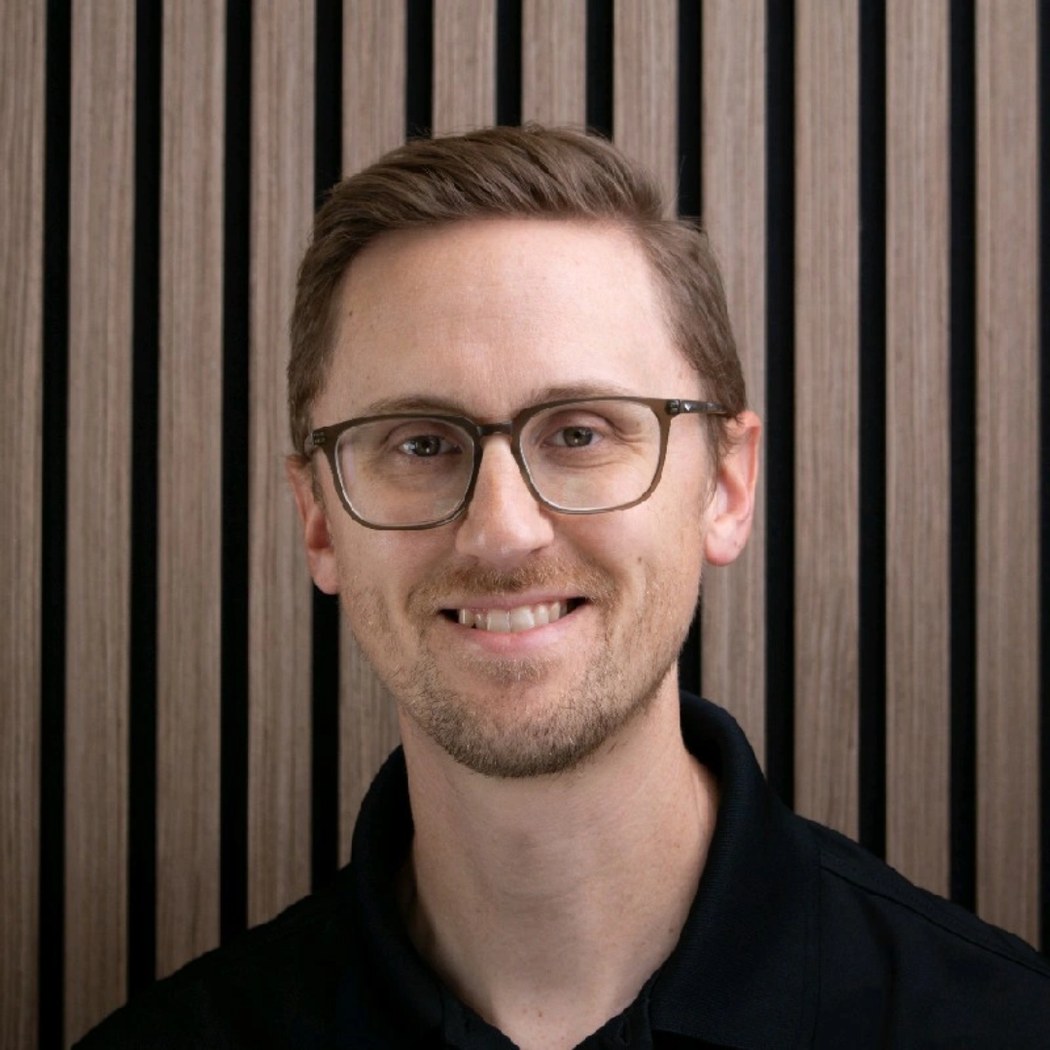
Daniel Whitenack and the work that begins after the answer
From theoretical physics to Practical AI and Prediction Guard, Daniel Whitenack has kept returning to a practical question: can other people use, inspect, and trust what a machine produces?
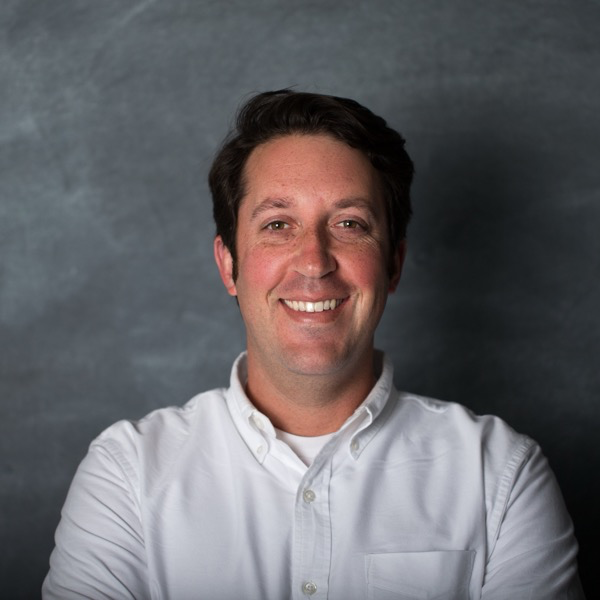
Benjamin Shapiro and the business of paying attention
A guitar lesson website, a conversation with a Lyft driver, and a marketing podcast all became ways for Benjamin Shapiro to follow his curiosity. The founder of I Hear Everything has spent the years since learning which parts of a conversation can become a business - and which parts still need him.

Roy Bejarano and the Trouble With Getting Bigger
After a career in finance, a company sale and another founding, Roy Bejarano keeps returning to the work that growth leaves behind. His story turns on a question every ambitious business eventually has to answer: can it run what it has built?
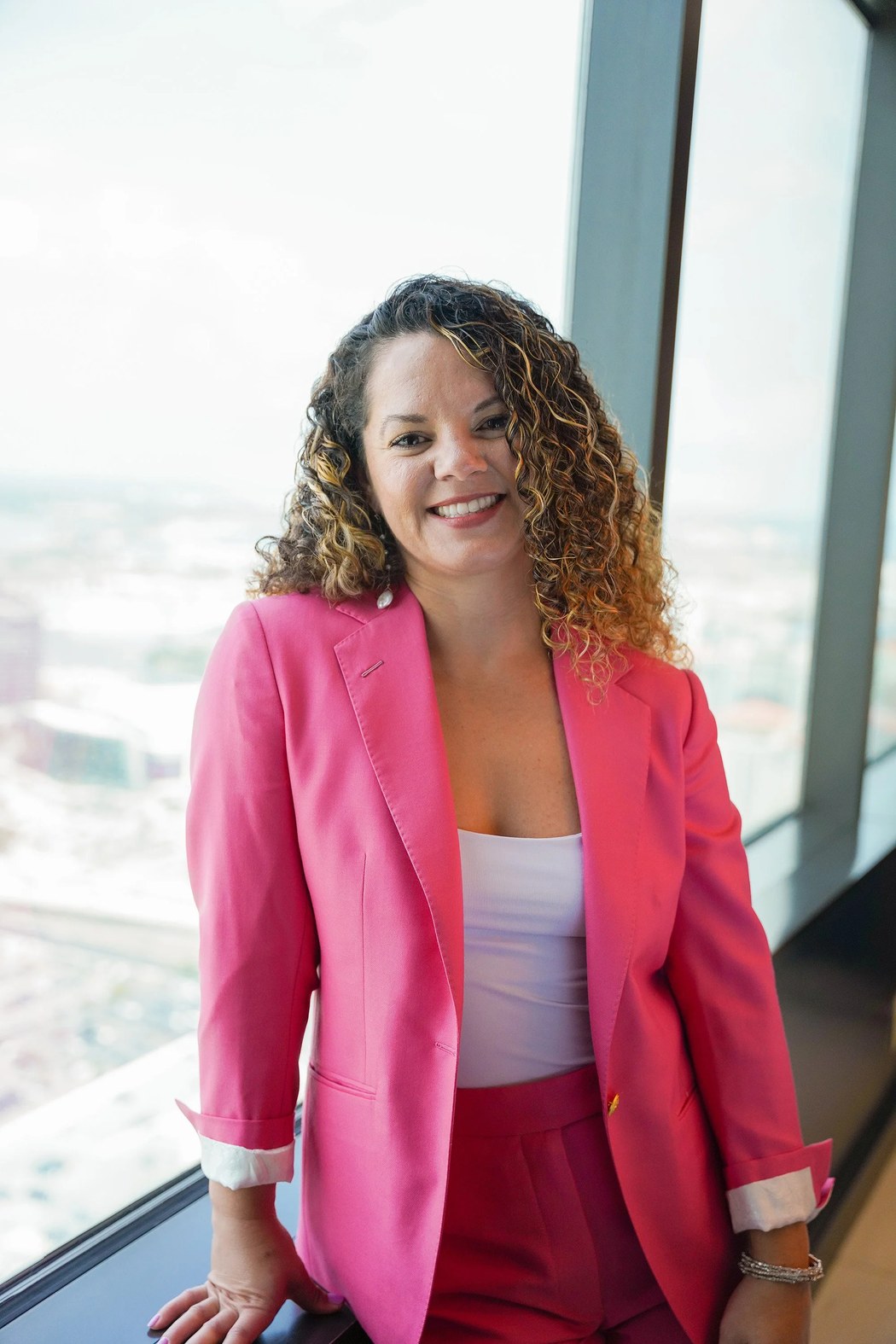
Alexis Rose Quintal and the art of becoming known
She trained to teach, learned to sell, and built Rosarium Collective around people working for themselves. Alexis Rose Quintal’s approach to personal branding begins with a question she has spent years answering for herself: what do you want to be known for?

Jessica Steier and the odds of being understood
A data scientist raised around racetracks built Unbiased Science by taking other people’s questions seriously. Her next dream collaborator is Amy Poehler.
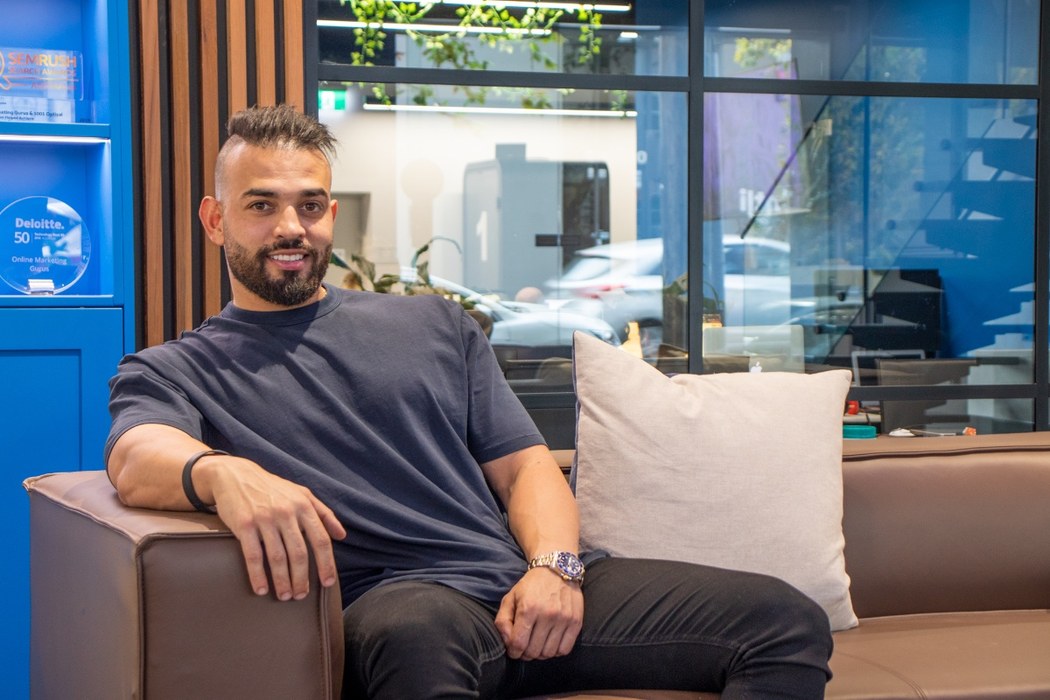
Andrew Raso and the trouble with being everyone’s friend
Andrew Raso built Online Marketing Gurus by finding common ground. Growing it across borders meant learning when a friendly conversation had to become a difficult one.
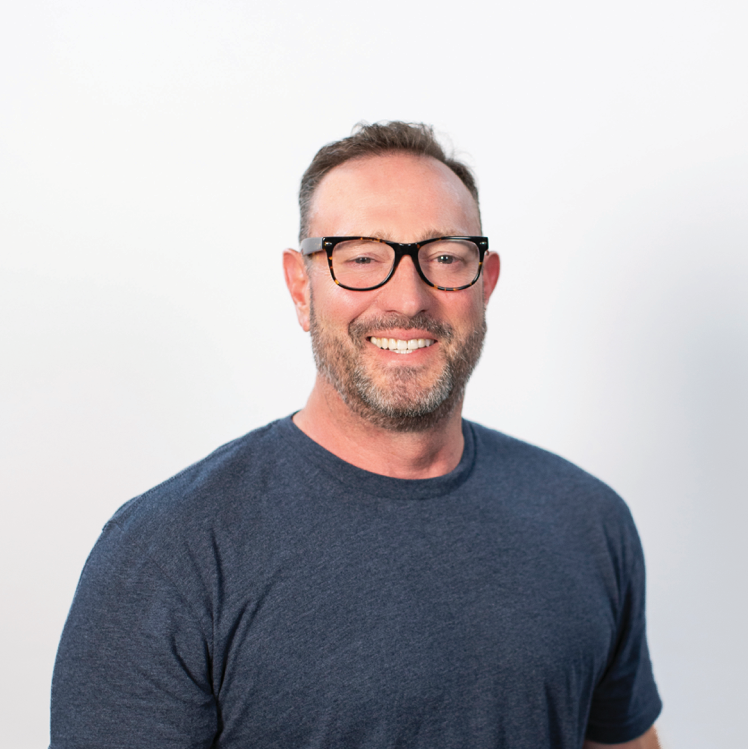
Jock Putney and the work before the spotlight
At Nuvolum, Jock Putney builds the machinery behind other people’s stories. His own runs through a 2 a.m. naming session, a library filmmaking class, and a podcast devoted to how people actually get somewhere.
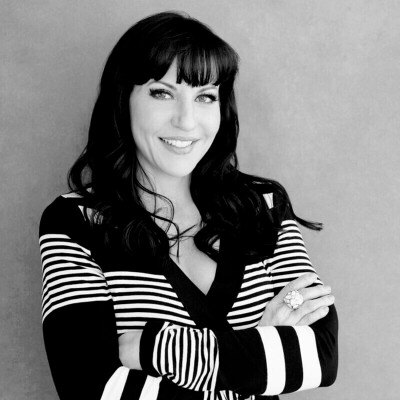
Karla Jo Helms and the trouble with being believed
She learned public relations where the stakes were immediate and the clock was unforgiving. Now the founder of JOTO PR Disruptors is asking a quieter question: what makes a good business credible before it needs a rescue?
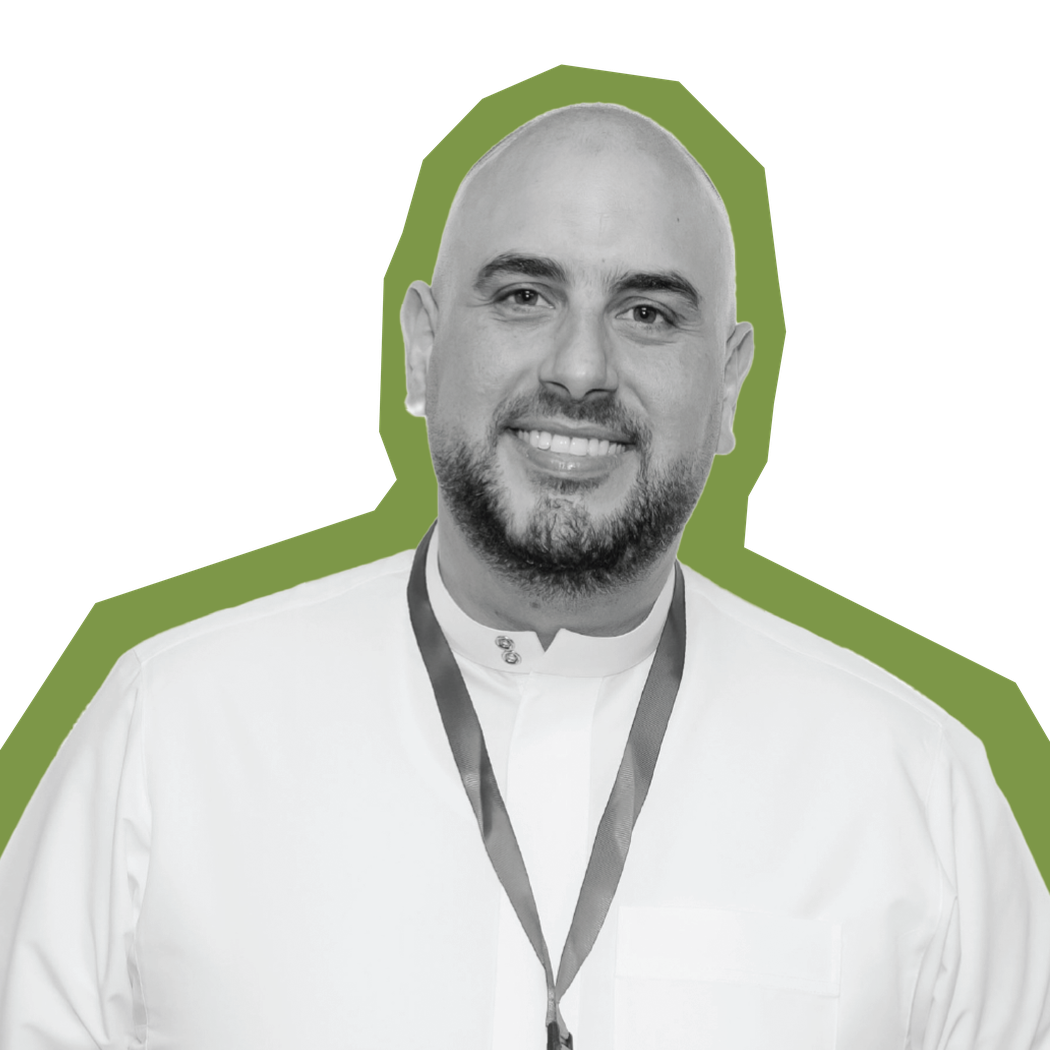
Ghassan Halawa and the business of knowing who can help
After starting businesses of his own, Ghassan Halawa built parachute16 around the help founders need. His route from Amman to Riyadh runs through mentoring rooms, a podcast microphone and relationships that outlast the program.
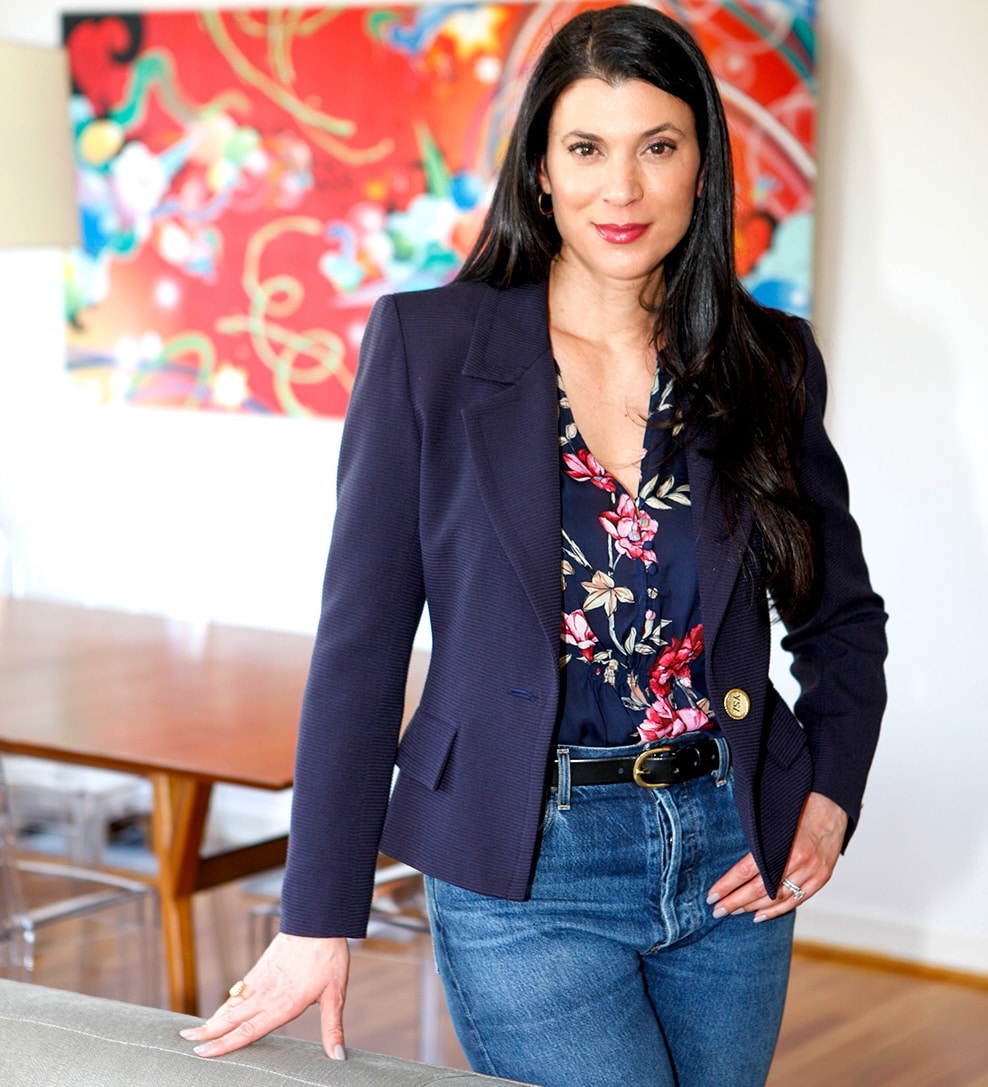
Claire Bahn and the audition before the audition
Before she advised executives on being seen, Claire Bahn used her marketing skills to get cast. Her career has followed a persistent question: what makes a stranger decide you are worth a closer look?
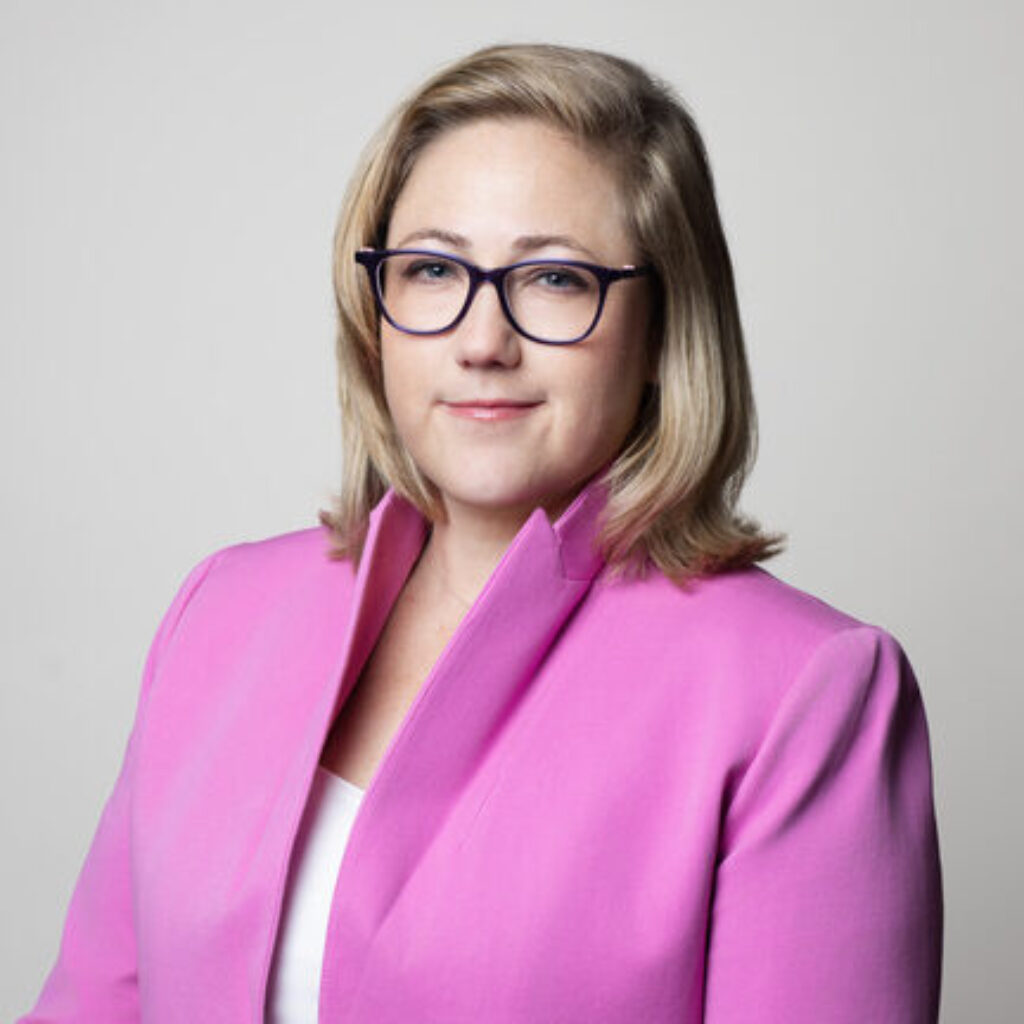
Sarah Longwell and the trouble with being certain
She went looking for Republicans who wanted to defeat Donald Trump. What she heard changed her career - and sent her into the business of listening.

Rosaria Cain and the useful art of getting it wrong
She started an advertising agency without having worked in one. A costly detour, a client who stayed and a habit of asking questions helped Rosaria Cain learn how to keep it going.
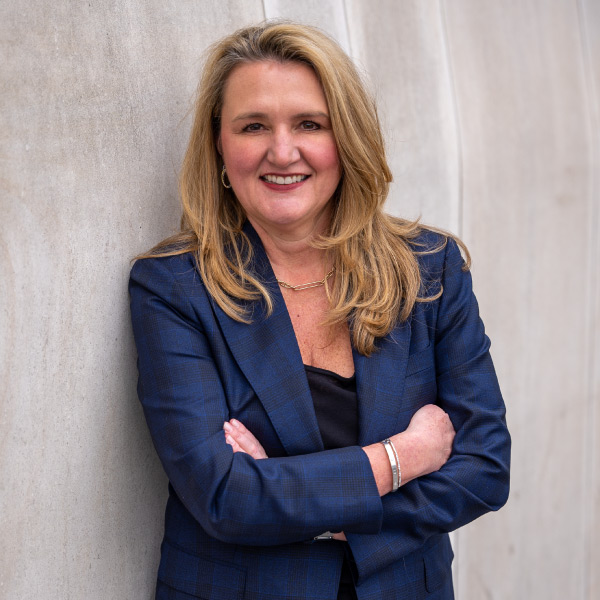
Dan'l Mackey Almy and the Number She Couldn't Sell Away
She built DMA Solutions by helping produce companies tell their stories. Then a 26% leadership approval rating forced Dan'l Mackey Almy to listen to a harder story about herself.
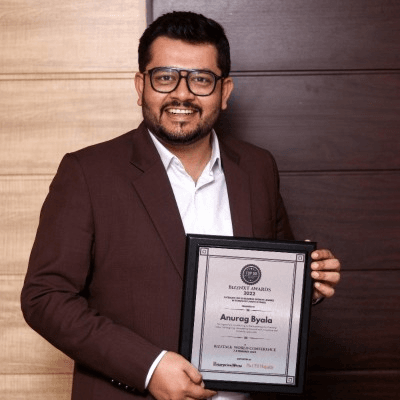
Anurag Byala and the art of starting again
Before he built e-commerce systems in the Gulf, Anurag Byala waited a month for his first student in Punjab. His route from technical training to Dubai, South Africa and a podcast microphone keeps returning to the same habit: becoming a beginner again.
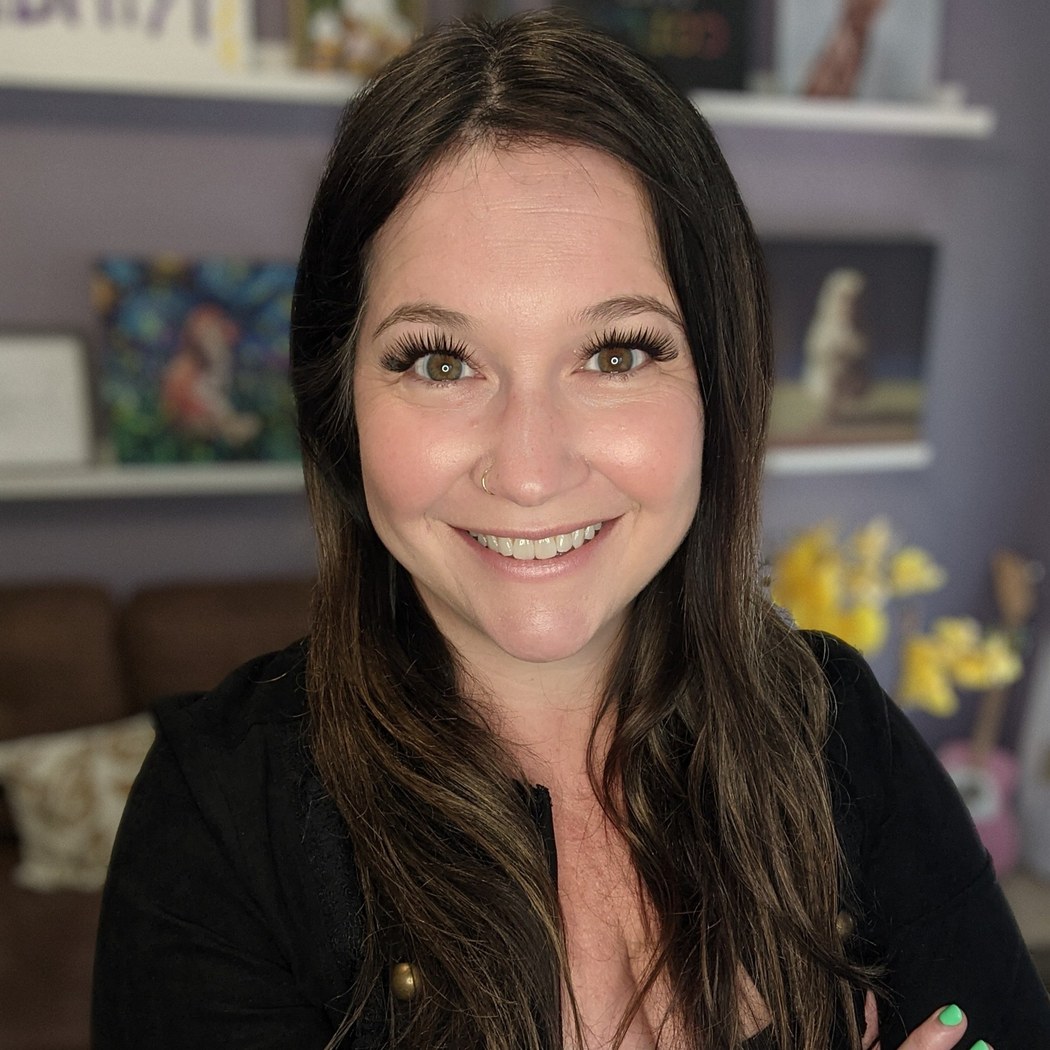
Taylor Shanklin Wilson and the art of having less to do
Before she built Creative Shizzle, Taylor Shanklin Wilson downsized her house and her collection of coffee mugs. Her approach to growing a creative business starts with the same question: what can you take away?