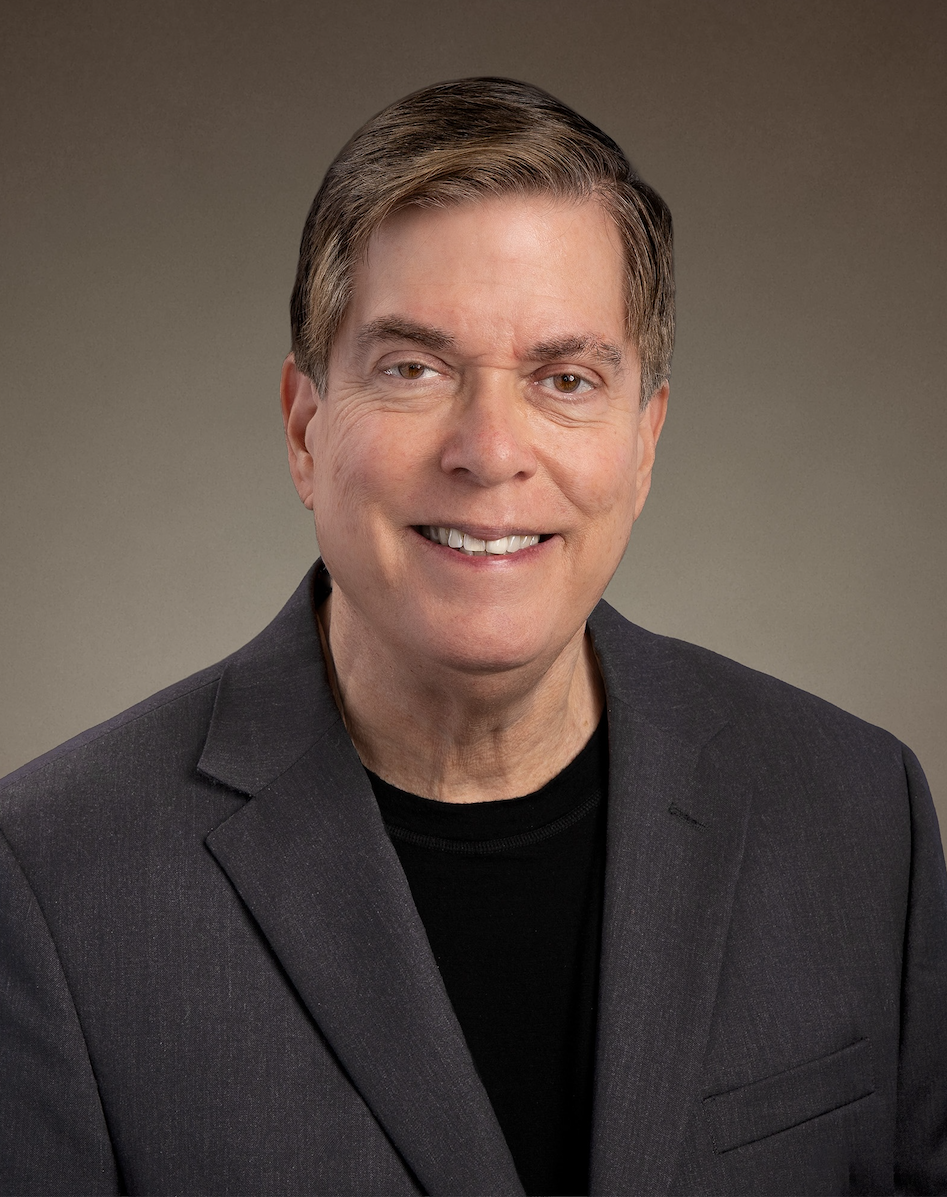
The Brain Whisperer
from Austin
In 2001, Roger Dooley co-founded a website to help stressed parents navigate the college admissions maze. It became the busiest college resource on the internet. When he sold College Confidential to a British media conglomerate in 2008, he could have done anything. He chose to go deeper into the wiring of the human brain - specifically the part that decides to buy things before you consciously know you've decided.
That decision explains everything about what he does now. Because while most marketers were arguing about banner ads, Roger was reading academic papers on mirror neurons, asking why people abandon shopping carts, and building what would become the internet's most-read blog on neuromarketing. He called it Neuromarketing. Simple. Direct. True to form.
His 2011 book, Brainfluence, landed like a brick of compressed science and practical wisdom. One hundred chapters. Each one short enough to read in the time it takes to brew coffee. Each one armed with a behavioral science finding you could deploy by Monday morning. It got translated into 11 languages because the subconscious is, it turns out, mostly universal.
Then came Friction in 2019, and the man who once built a consumer internet platform had identified something that costs American businesses $3 trillion annually. Not fraud. Not bad products. Friction - the invisible tax on every customer interaction that makes people give up, click away, and choose competitors who made things 20 seconds easier. PwC's strategy+business named it one of the top three management books of the year. Robert Cialdini - the godfather of influence science - blurbed it with something close to genuine awe.
Now he's pointing his instruments at artificial intelligence. His forthcoming book, The Persuasion Engine (Wiley, May 2026), argues that what was once only available to Fortune 500 companies - biometric labs, eye-tracking rigs, implicit response testing - is now within reach of every business with a laptop and an AI subscription. The democratization of mind-reading, essentially.
He runs a podcast with 400+ episodes. He gives keynotes in Frankfurt, Sydney, Milan, and Istanbul. He's been a Forbes contributor longer than most marketing blogs have existed. He has a dog named Conan. He has lived in Austin for fifteen years and will tell you the city is underrated, which is the most Austin thing anyone can say about Austin.
Carnegie Mellon gave him an engineering degree. Tennessee gave him an MBA. The catalog business he built before the internet taught him that every decision a customer makes is a negotiation between instinct and inertia. The rest, he figured out from the literature - and from watching what actually works when you stop arguing with human nature and start designing with it.