superintelligence
(10)
Deep Cogito
Deep Cogito is a San Francisco AI research company building open-source large language models with hybrid reasoning - the same model can answer instantly or stop to reason before responding. Founded in 2024 by former Google engineer Drishan Arora, the company trains its Cogito models with a method called Iterated Distillation and Amplification (IDA), which lets a model improve by learning from its own reasoning rather than from human labels. Its stated goal is general superintelligence, and its flagship 671B open model competes with the strongest open systems from DeepSeek and Meta.

Integral AI
Integral AI is a Japan-US startup building foundation world models - AI systems meant to learn, plan, and act in the real world the way people do, with an emphasis on energy efficiency and continuous, autonomous skill learning. Founded in 2021 by ex-Google AI leaders Jad Tarifi and Nima Asgharbeygi, the company positions its interactive world models as infrastructure for an AI-based economy, spanning robotics, universal simulators, and multimodal interfaces. In December 2025 it made headlines by claiming to have tested the world's first AGI-capable model, TOWA.
Liron Shapira
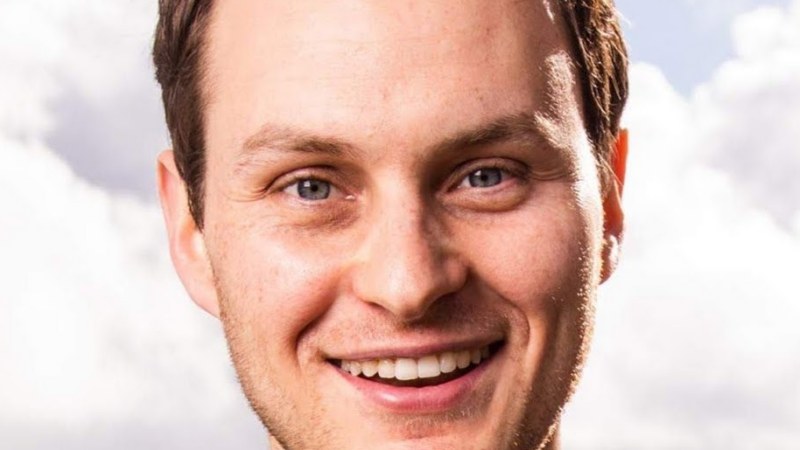
Liron Shapira is a startup founder, angel investor, and host of Doom Debates, a podcast and YouTube show built to raise mainstream awareness of human extinction risk from artificial superintelligence. He is the cofounder and CEO of Relationship Hero, a Y Combinator-backed coaching service that has guided more than 100,000 clients, and was previously cofounder and CTO of the app-search company Quixey. A fixture of the online rationalist community, he is known for putting his probability of AI-caused doom near 50% by 2050, for his sharp public critiques of crypto and web3, and for turning a $10,000 early bet on Coinbase into roughly $6 million while still calling cryptocurrency essentially worthless.
Jad Tarifi
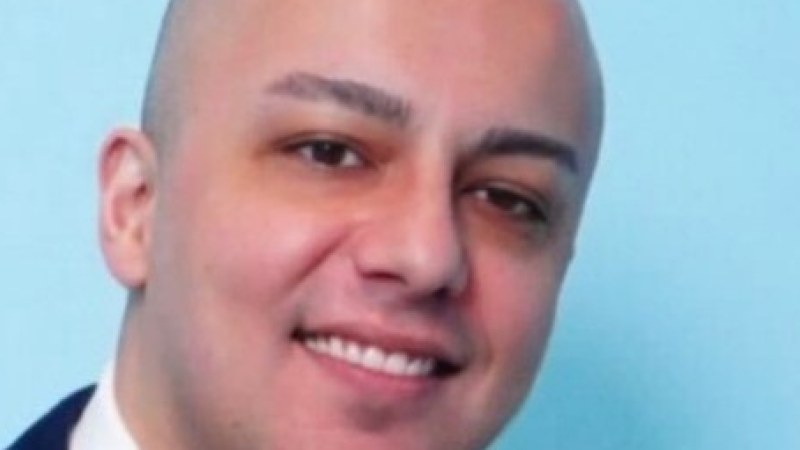
Jad Tarifi is the co-founder, CEO and Chief AI Scientist of Integral AI, a Tokyo- and Silicon Valley-based startup building energy-efficient, interactive world models aimed at scalable artificial general intelligence and embodied robotics. Before founding the company in 2021, he spent nearly a decade at Google, where he founded and led the company's first generative AI team and worked on neocortex-inspired learning from limited data. Born and raised in Lebanon, he holds a PhD in computer science and AI from the University of Florida and an MS in quantum computing. In December 2025 he drew global attention - and skepticism - by claiming Integral AI had built the world's first AGI-capable model, TOWA. He is also the author of the four-volume 'Freedom Series' on AI and human potential.
Misha Laskin
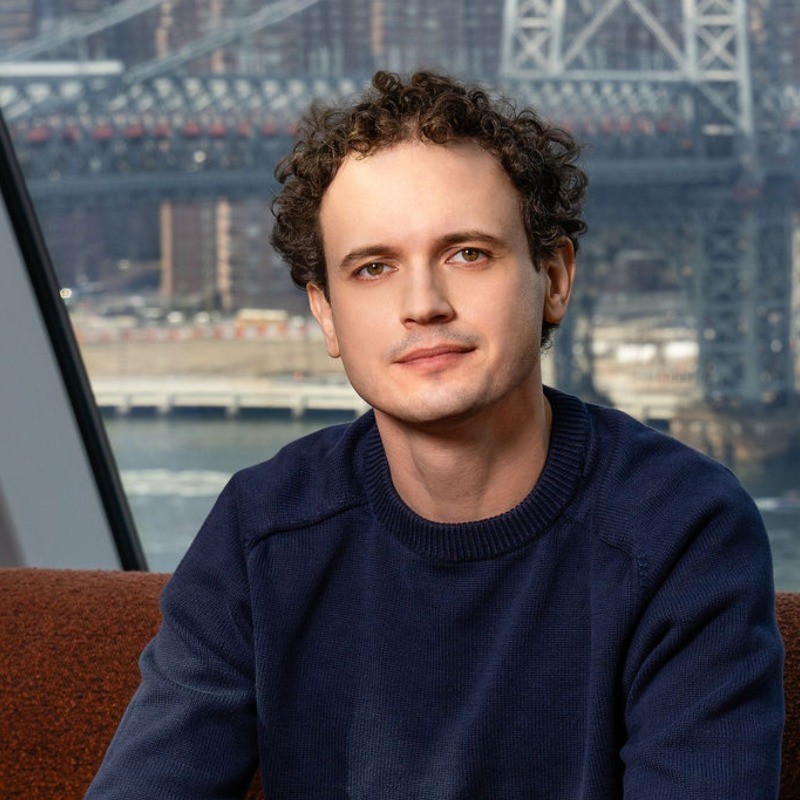
Misha Laskin is the co-founder and CEO of Reflection AI, a New York lab building open-weight frontier models and autonomous coding agents. A theoretical physicist by training (Yale, University of Chicago), he led reward modeling for Google DeepMind's Gemini and worked in reinforcement learning at Berkeley and DeepMind before launching Reflection in 2024 with AlphaGo co-creator Ioannis Antonoglou. In 2025 the company raised roughly $2 billion at an $8 billion valuation, positioning itself as America's open-source answer to DeepSeek.

Reflection AI
Reflection AI is a New York-based artificial intelligence lab founded in 2024 by former Google DeepMind researchers Misha Laskin and Ioannis Antonoglou. It is building autonomous coding agents and open frontier language models, with the stated ambition of reaching superintelligence by first solving software engineering. Its flagship product, Asimov, is a code research and comprehension agent for large codebases. After raising $2 billion at an $8 billion valuation in October 2025, the company has positioned itself as an open, Western alternative to closed labs like OpenAI and Anthropic and to Chinese open-weight models like DeepSeek.

Zyphra
Zyphra is a superintelligence research and product company building efficient, open foundation models and a full-stack AI cloud. Best known for its SSM-hybrid Zamba models, the ZAYA1 reasoning family trained entirely on AMD hardware, and the Zonos text-to-speech system, Zyphra argues that frontier intelligence should run cheaply, locally, and outside the walled gardens of a handful of labs. In June 2025 it raised a $100M Series A at a $1B valuation led by Jaan Tallinn.
Stephanie Zhan
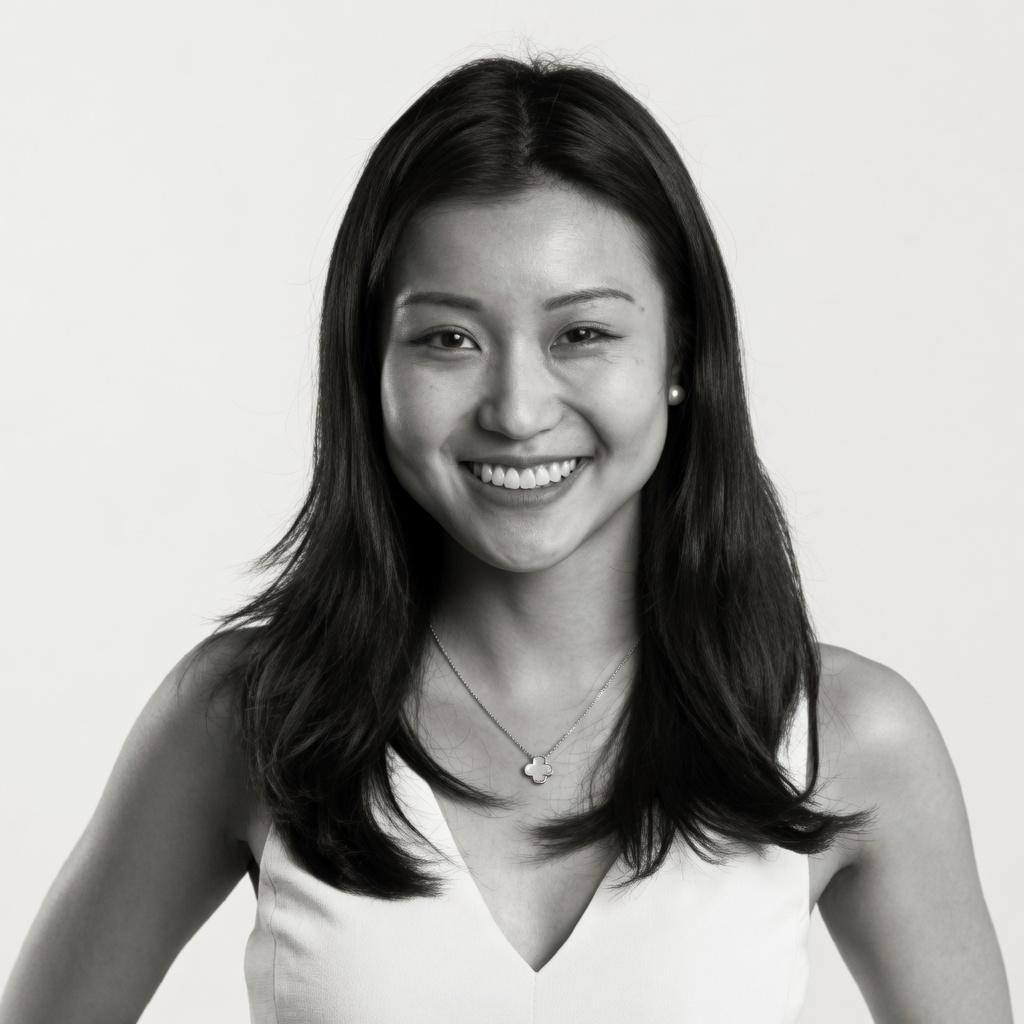
Stephanie Zhan is a General Partner on Sequoia Capital's early-stage team, where she has been backing founders from the first check since 2015. A Stanford computer science graduate who grew up across Hong Kong and Beijing during the early internet era, she brings a global lens and a deep technical instinct to bets on AI, developer tools, and the physical world. She was first partner to Linear, Reflection AI, Skild AI, Ricursive Intelligence, Mach Industries, Middesk, and Tavus - a portfolio that reads like a map of the next decade of computing. Her TED AI talk on superintelligent AI captures what makes her unusual among her peers: she's not just predicting the future, she's actively funding the people building it.
Dan Hendrycks
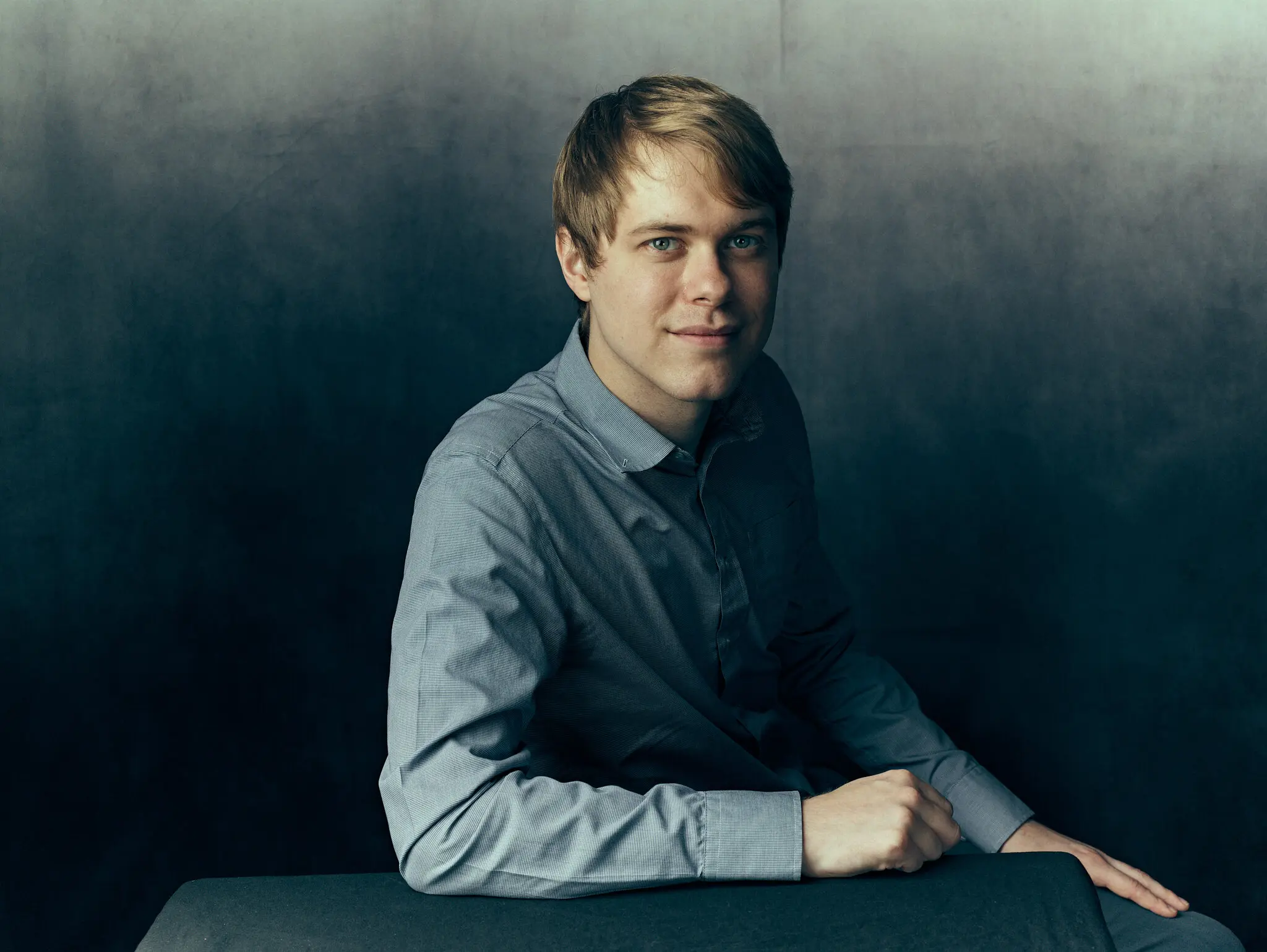
Dan Hendrycks is the Executive Director of the Center for AI Safety (CAIS), the UC Berkeley PhD who created MMLU - the benchmark that shaped how the world measures AI intelligence - and invented GELU, the activation function running inside BERT, GPT, and virtually every major AI model. From a rural evangelical town in Missouri, he's become one of AI safety's most consequential voices, advising Elon Musk's xAI and Scale AI while sounding alarms about civilizational-scale AI risk, accepting $1/year to keep his independence intact.
Sam Altman
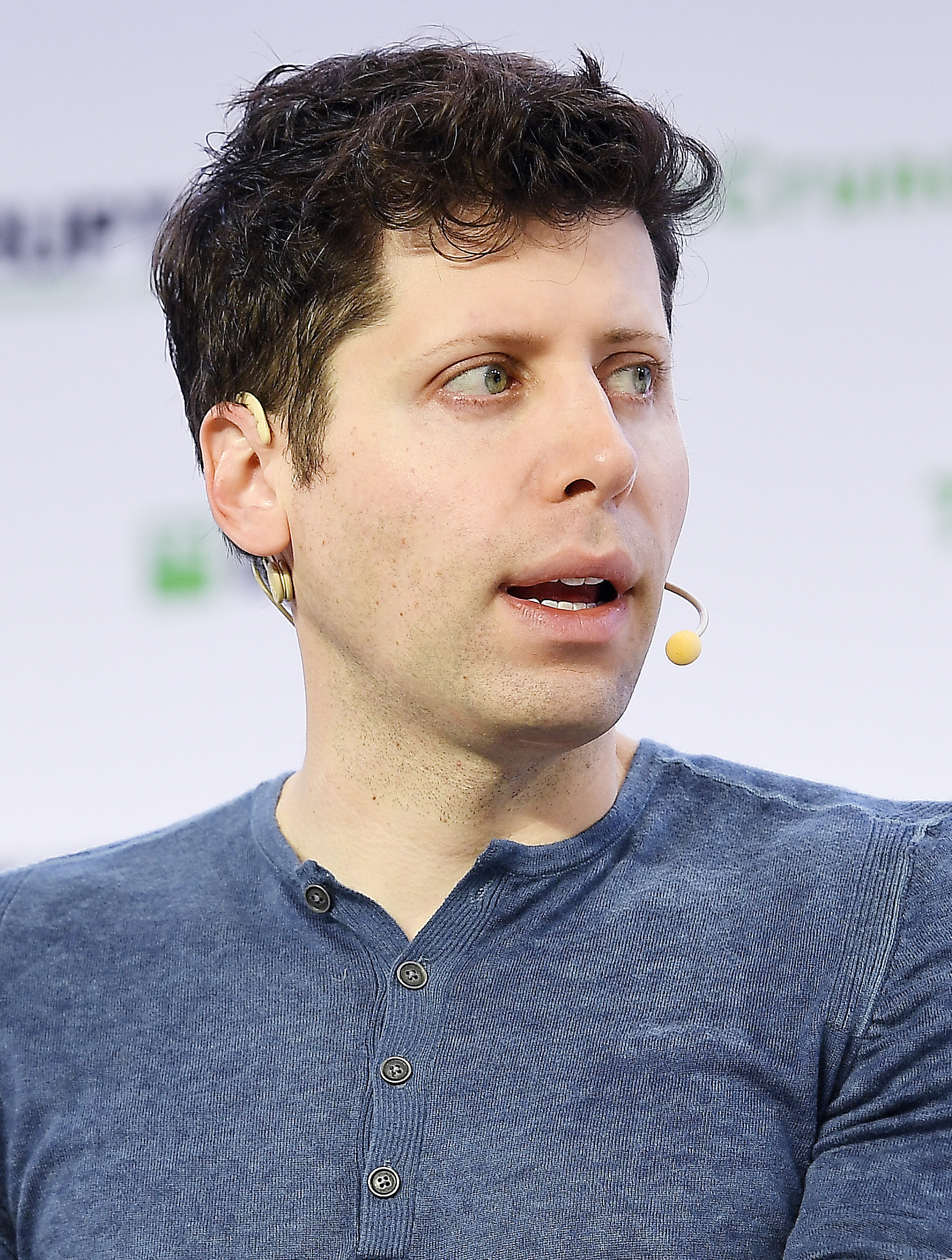
Sam Altman is the CEO of OpenAI, the company behind ChatGPT, and one of the most consequential figures in the artificial intelligence era. A Stanford dropout who built his first startup at 19, Altman ran Y Combinator for five years before going all-in on OpenAI's mission to build safe superintelligence. He survived a dramatic 5-day ouster from his own company in 2023, returned to thunderous employee support, and has since steered OpenAI to a $300 billion valuation. He holds no equity in OpenAI, yet built a $3+ billion personal fortune through early bets on Reddit, Stripe, Airbnb, and a cluster of deep-tech moonshots.