online-retail
(22)
Lior Pozin wanted a phone. He found a business.
A $40 sale sent Lior Pozin into online retail. The more interesting discovery came later: the software he wrote to escape the daily work was a business of its own.

VENUS made room for a better fit.
A bodybuilding supplier spotted a problem hiding in the bikini: two halves rarely need the same size. That small insight became the foundation of a women’s fashion business.
ShopHQ turned off the TV. Kept the pitch.
The home-shopping veteran went dark, then returned with a smaller operating model and a familiar proposition: let someone show you why a product matters.

Ruslan Kogan and the price of doing things the usual way
A golf ball in an egg carton. A fridge delivered to a dorm room. Ruslan Kogan built a retail business by noticing the small absurdities in what people pay - and has spent two decades discovering which costs are harder to remove.
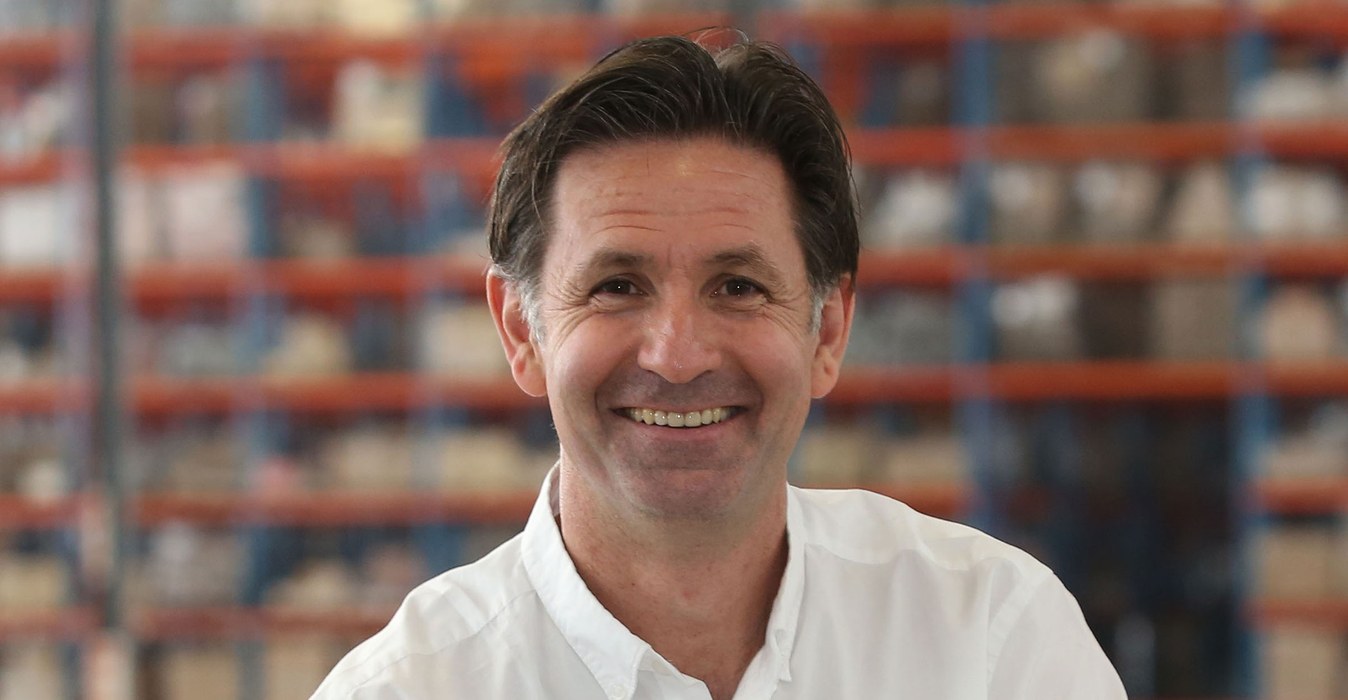
Kim Reid and the art of getting the parcel there
He bought a small online retailer, gave it a new name and spent a decade working on what happened after checkout. Kim Reid’s Takealot story runs through warehouses, old rivals and the expensive business of keeping a promise.

EntirelyPets and the art of selling the next bottle
An online pet shop has a surprisingly physical backstory: expensive buildings, crowded shelves and the quiet business of making care repeatable.

Choxi made shopping cheap. The bill came later.
A $29 sheet set, a $52 million funding haul, and a shopping habit built on urgency. Choxi’s rise and collapse reveal what happens when the sale gets more attention than the parcel.

Bespoke Post sells discovery. The box was only the beginning.
A failed advertising idea became a monthly introduction to small brands. Now Bespoke Post is following its customers beyond the box, into a store with a taste of its own.

Touch of Modern sells the pleasure of not knowing what you want
A tiny television, a better-looking tool, a watch you never meant to buy. Touch of Modern turned browsing into a business - and learned that delight still has to survive delivery.

The Price of a Chair Is a Story About the Trip
The Essential started by trying to change the grocery aisle. Now it asks a quieter question of furniture: what happens to the price when the chair travels from its maker to your door?

The Oil Filters That Changed the Family Business
Nick Bauer put a few Volvo oil filters on eBay and discovered that an old parts counter could travel. What followed was a lesson in catalogs, recalls, race cars and the expensive art of keeping a promise.

Articore found a profit in the small print
The owner of Redbubble and TeePublic has returned to profit while sales keep falling. Its turnaround runs through cheaper fulfillment, shared operations and a bigger bill for some artists.

The House of Brands That Started With a Kilt
Society Brands buys founder-run e-commerce companies, keeps the founders on the payroll, and is betting that Canton, Ohio can out-scale the aggregators that flamed out.

The 30-Year-Old Startup Selling You a Fender Before the Body Shop Can
Three decades in, the online auto-parts seller is betting a rebuilt AI catalog, a revived JC Whitney brand, and a $35.7 million cash infusion can turn cheap fenders into durable margins.

The Ski Shop That Deleted Its Own Stores and Won
In 1984 it was a rental counter on St. Denis Street. By 2016 the last store was gone and the whole company lived online. Here is how two employees bought the place and turned closing stores into the plan.

The Poker-Chip Seller That Built Retail’s Invisible Endless Aisle
Trademark Global started with collector plates, swords and a mountain of poker chips. Twenty-seven years later, its real product is the machinery behind the product - brands, data, warehouses and direct-to-door fulfillment for retail’s endless aisle.

The $2.9 Billion Vitamin Cabinet That Learned to Travel
iHerb began with one herbal remedy and grew into a cross-border machine for the bathroom cabinet. Its real product is confidence - the right bottle, from a traceable source, delivered before global distance becomes the customer's problem.

Kogan Built a Checkout Aisle That Never Ends
The Melbourne retailer began by cutting the middlemen out of television sales. Twenty years later, its more revealing product is the customer relationship itself - reused across a marketplace, membership and a shelf of everyday services.

Amazon
From a garage bookstore in 1994 to a $200 billion quarter: how Amazon turned customer obsession into the operating system of modern commerce, computing, and now AI.

Hello Molly
Hello Molly is an Australian online women's fashion retailer founded in Sydney in 2012 by university graduate Echo Liu. It sells trend-led, affordable dresses, occasionwear, swimwear, tops, bottoms, rompers, shoes and accessories directly to a global, mostly Gen-Z and millennial audience, releasing over 100 new styles a week. Built on data-driven trend-spotting, in-house design and heavy use of social media and influencer marketing, the company grew from a A$50,000 loan into a business exceeding A$100 million in annual revenue, with roughly half of sales coming from the United States.

Bob Kupbens
Bob Kupbens is the Chief Executive Officer of StubHub International, the world's largest ticket marketplace, a role he assumed in January 2024. A seasoned digital commerce executive with an MIT engineering pedigree and Michigan MBA, Kupbens has spent three decades reshaping how consumers interact with major brands - from launching the Fly Delta mobile app at Delta Air Lines to running Apple's global online retail operation to orchestrating the ADT-Google partnership. Now based in Madrid while living in Millbrae, California, he is focused on deploying AI-driven customer experience improvements and defending StubHub International's position in key markets like the UK.

Niraj Shah
Niraj Shah is the CEO, Co-Founder, and Co-Chairman of Wayfair, Inc. (NYSE: W), the largest online home furnishings retailer in the United States. Starting from a spare bedroom with a TV-stand website in 2002, he and co-founder Steve Conine built a portfolio of 200+ niche e-commerce sites before consolidating into the Wayfair brand in 2011 and taking the company public in 2014. Known for his data-driven management style, demanding work ethic, and long-term vision, Shah has grown Wayfair to $12.5 billion in annual revenue and returned it to operating profitability in 2025.