The trouble with the founders’ first business was visible on the streets of New York: they could not recall seeing anyone use it. Steven Szaronos and Rishi Prabhu had entered an accelerator with an advertising idea involving QR codes. After months of work, the absence of scanners began to feel like an answer. Demo Day was approaching. They needed another idea.
- The proposition: interesting goods, with the searching done for you.
- The choice: shop once, or join a monthly membership you can skip.
- The evolution: small-brand discovery now shares the shelves with established names and house brands.
Szaronos brought supply-chain experience; Prabhu brought an eye for products. They turned toward goods men might enjoy discovering, and began taking credit cards thirty days after the idea arrived. “We don’t believe in this idea anymore,” Szaronos recalled telling the accelerator about their abandoned venture. The useful part of the story is that they acted on the admission.
A little taste, delivered monthly
Bespoke Post occupies a pleasant corner of shopping: the space between needing an object and discovering that an object exists. A customer may arrive for a travel bag and encounter barware, boots, or a kitchen tool. The assortment supplies a point of view. Someone else has already reduced the field.
Today, the business has two entrances. You can browse and purchase without joining anything. Or you can become a member, answer questions about your interests, and receive a suggested monthly shipment. The company’s own explanation says most customers simply shop. The subscription remains, but it no longer describes the whole enterprise.
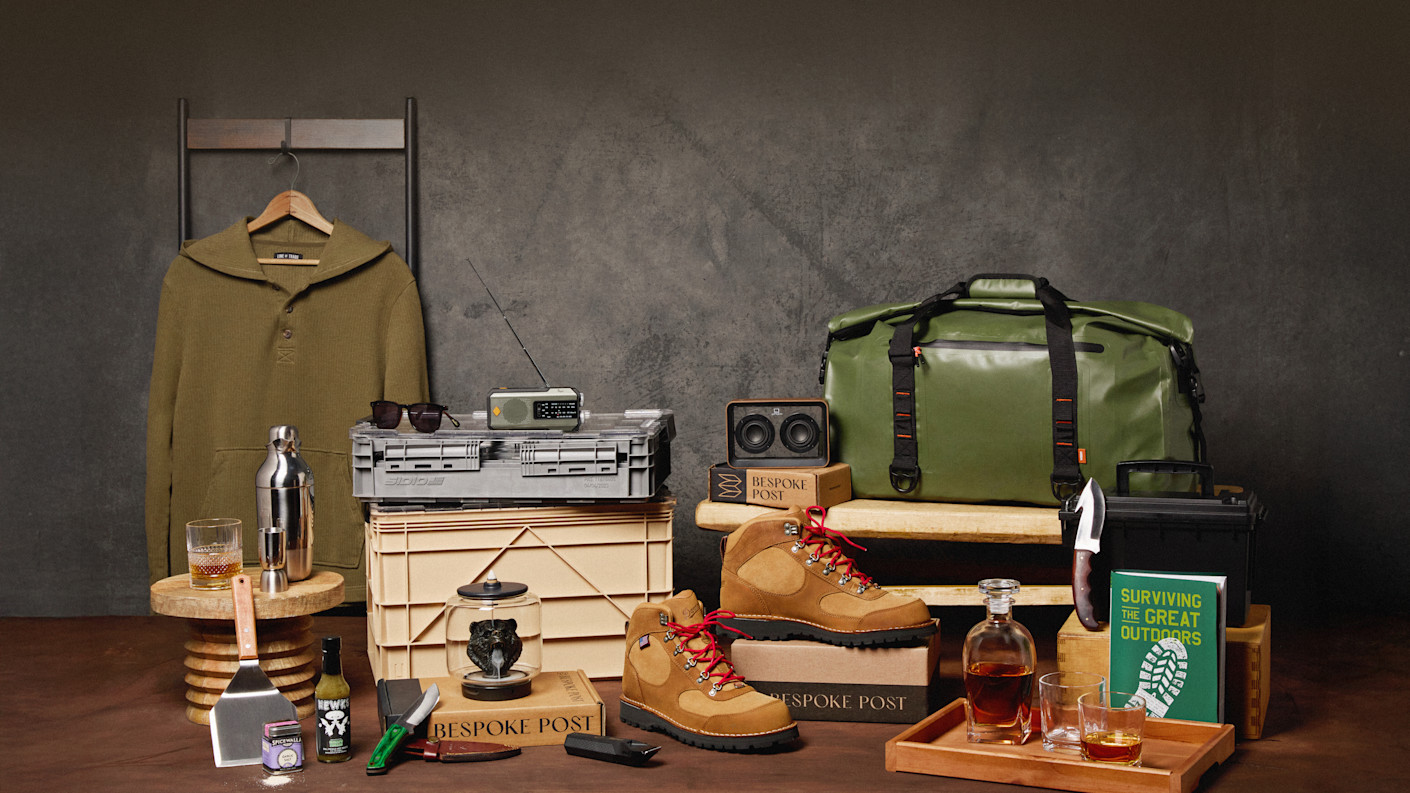
The customer is still addressed largely as a man with an interest in how things look and work. Gift buyers can also borrow the store’s taste. By 2025, Prabhu described the customer as older and more affluent than a decade earlier. Retail Brew reported an assortment stretching from $90 Blunt umbrellas to $300 Jan Barboglio decanters. Discovery now has several price brackets.
The important number is the fifth
Membership has no fee. Goods do. The current support page lists a $59 standard tier, alongside premium options, and explains that swapping or adding items can alter the total. A signup quiz helps determine the selection. The appeal is convenience with a measure of control; the practical responsibility is remembering to exercise that control.
your selection
swap or skip
accepted goods
On the first of the month, members receive a notification of their proposed shipment. They have until the fifth to modify or skip it. Accepted shipments are charged and sent between the sixth and fifteenth. Skipping costs nothing. That makes the calendar part of the product, as surely as the contents of the parcel.
For a shopper who enjoys regular suggestions, this can reduce the work of finding something new. For someone who wants only a particular jacket, the ordinary store is the more direct route. Current shipping guidance covers the United States, including Alaska and Hawaii. A reader abroad should keep that geographic limit in mind.
When an introduction becomes a relationship
The Shop launched in 2014. In 2023, Bespoke Post explained why it was putting more effort into that side of the business: people wanted more products from brands they had met through a box, while non-members wanted to buy without subscribing. The original format had made a successful introduction, then left the customer wanting a longer conversation.
“We’ll still have a heavy curatorial hand.”Rishi Prabhu, on expanding The Shop, 2023
Opinel makes the progression concrete. Bespoke Post introduced its folding knife in boxes from 2014; the shop later offered a wider kitchen assortment. Behind such choices sits a feedback process. Members can react to prospective products before buyers commit. Their interest informs both the buying decision and whom to show the resulting goods.
The work involves stock, storage, and shipping. In 2023, reported shop orders ranged from hundreds to thousands of units; box orders could reach 5,000 to 50,000. A retailer’s judgment therefore has a measurable cost when it is wrong. The customer sees a shortlist. The company has to live with the unsold portion of it.
The box acquires a wardrobe
Bespoke Post now also builds products. Line of Trade covers heritage apparel and bags; Halfday handles travel; Fieldworth offers military-inspired menswear. Marcellin supplies kitchen and bar goods, while Ash & Fir addresses the home. Alongside those sit names including Filson, Danner, Shinola, and Timex. The store’s identity comes from choosing how these things belong together.
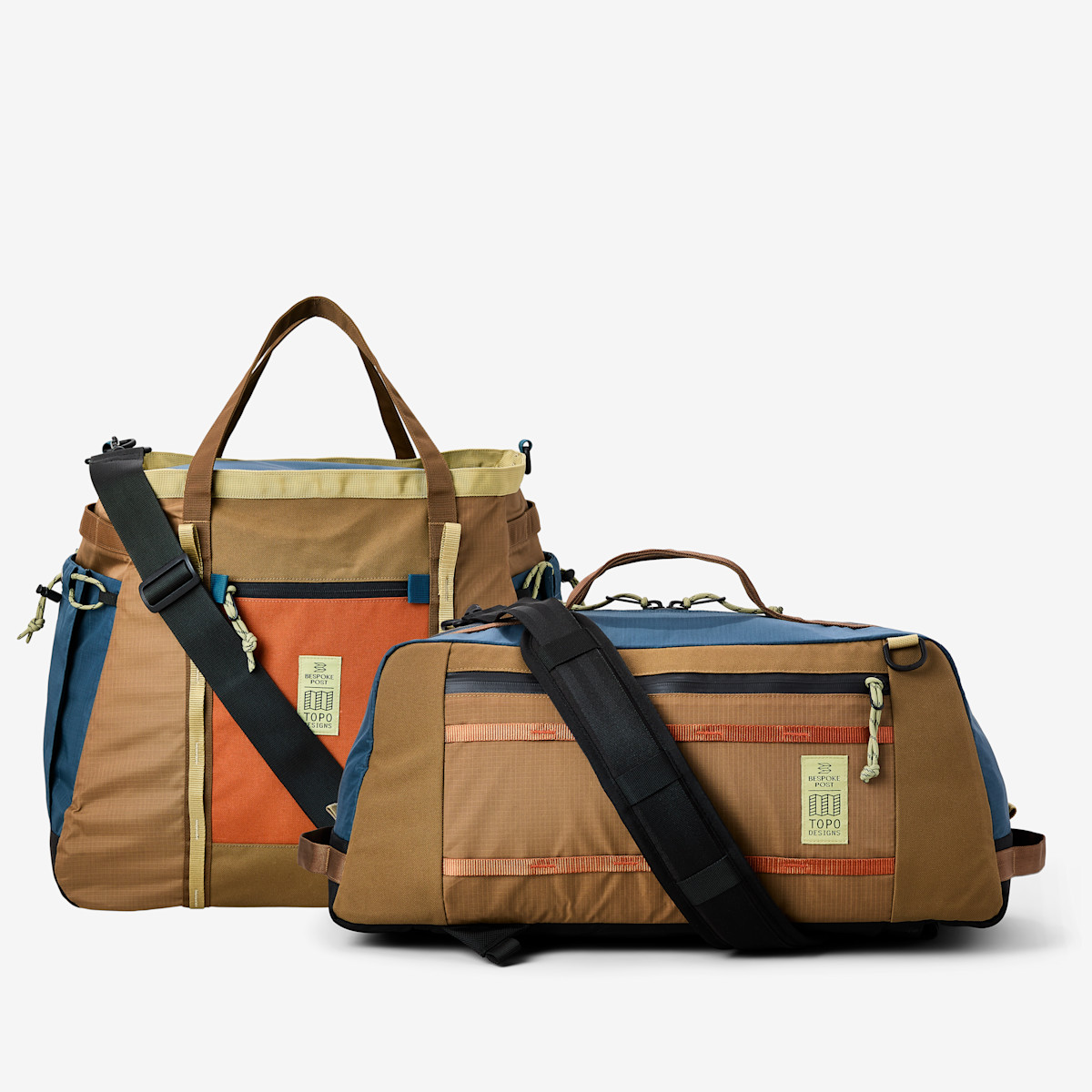
Recent collaborations make that identity visible. The homepage promotes a Timex Heritage 66 inspired by a 1960s dive watch, and an apparel collection produced with the James Dean Estate. Familiar references give unfamiliar products a setting. Dean’s wardrobe is an especially economical reference: a plain tee and a good jacket already carry a story.
What another retailer can borrow
The company announced a $40 million Series B in October 2021, after reporting about $8 million raised previously. Its current site says it has purchased more than $220 million in goods from small brands over the past decade. Those are different measures: financing supports the business; purchase orders put money into suppliers’ hands.
A separate affiliate case study describes another useful decision. Bespoke Post moved beyond uniform acquisition payouts toward commissions informed by customer value, supported by closer work with partners. The provider reported partner-channel revenue growth of 296% from 2019 to 2020. That historical result concerns one channel, rather than the entire business.
The transferable ideas are modest: ask before stocking, make the monthly decision legible, and offer customers another way to buy when the first format becomes restrictive. They require an audience willing to give feedback and margins that can support inventory and acquisition. More choice can also dilute a shop’s taste. Bespoke Post’s continuing task is to expand the shelves while keeping a reason to browse them.