A blank T-shirt is an unlikely instrument of corporate repair. Yet for Articore, the Australian company behind Redbubble and TeePublic, buying the same garments across two marketplaces became part of a much bigger exercise: finding a profit inside a business whose sales were still retreating.
The result arrived in August 2026. For the year ended June 30, Articore reported A$408.5 million in total revenue, down from A$438.6 million. Net profit reached A$10.9 million after an A$11.3 million loss the year before. Revenue was going downstairs; profit had found the lift.
That reversal deserves attention, and a little inspection. Articore connects artists, shoppers and independent printers. Its recovery reflects better fulfillment economics and lower costs, but also changes to artist fees and a substantial fall in depreciation and amortization. The company is earning more from a smaller business. Getting that business growing again is the next assignment.
The shop for a very particular person
Redbubble began in Melbourne in 2006 with Martin Hosking, Peter Styles and Paul Vanzella. Their opportunity was straightforward: artists could create images far more easily than they could manufacture, market and deliver physical merchandise around the world. The founders put a marketplace between the artwork and the machinery.
An artist uploads a design and chooses the products it suits. A shopper finds it, places an order and pays. An independent production partner prints the item and shipping follows. The artist avoids a garage full of unsold shirts. A customer gets something more personal than the selection a conventional retailer decided would move in volume.
In a 2015 television interview, Hosking described the proposition as “It's art in people's everyday lives”. The same appearance discussed the success of a Microsoft Ninja Cat Unicorn sticker. Corporate strategy rarely gets a better supporting character. The point was specificity: a small picture could signal membership of a very particular club.
“It's art in people's everyday lives.”
Martin Hosking · 2015
That remains the customer problem Articore addresses. Buyers want a gift, a joke or an image that feels chosen for them. Artists want access to buyers without building a retail operation. Printers want orders. Articore's expertise lies in coordinating all three, from product configuration and discovery to payment, routing and customer support.
- 01 / CREATEThe artist supplies the artwork.
- 02 / CHOOSEThe shopper picks a product.
- 03 / PRINTA partner produces and ships it.
Production follows the purchase. The finished product does not need to exist before demand does.
The US$41 million second opinion
Redbubble listed on the Australian Securities Exchange in 2016. Two years later it agreed to buy TeePublic for US$41 million in cash, then equivalent to A$57.7 million. A placement and entitlement offer totaling A$60.6 million helped fund the acquisition and transaction costs. This was an acquisition financed through public equity, a different event from an early venture round.
TeePublic, founded in 2013, brought a New York business with a pronounced appetite for apparel. The acquisition announcement argued that greater combined scale could improve relationships with third-party suppliers. That promise would become especially relevant when the group needed to tighten its economics years later.
The brands give shoppers different entrances to a similar production system. Redbubble spreads across stickers, stationery, homewares and clothing. TeePublic leans heavily toward apparel and North America. For FY25, the group reported 3.5 million Redbubble customers and 2.5 million TeePublic customers. Those are marketplace counts, not a deduplicated census of six million people.
Articore occupies the space between a shopping destination and a production service. Its proposition combines both. The appeal is convenience: a creator can put merchandise into circulation without assembling every part of the sales process. The trade-off is that discovery, account classification and the economics of each order depend heavily on the platform.
A seller comparing routes could choose Etsy for its broader marketplace, or connect Printful to a separate storefront for production and shipping under the seller’s brand. Redbubble bundles discovery and arranged fulfillment into one destination. Dashery moves Articore closer to the independent-store approach. The choice turns on where the audience comes from and how much control the seller wants over the shop.
The audience started slipping away
The original business had not been an instant hit. In a later interview for the podcast Build It. They'll Come., Hosking discussed an opening three years with little traction and few sales. The early obstacle was finding enough demand for the idea. A website could exist before a reliable business did.
The recent turnaround faced its own demand problem. In its February 2025 results, Articore attributed Redbubble's decline primarily to deteriorating organic traffic, alongside a weak consumer environment. TeePublic's comparatively steadier performance mattered: two marketplaces facing the same broad economy were producing different results.
Management responded by bringing operations together. The group began combining its marketplaces in October 2024; restructuring, supply-chain integration and combined marketing followed. In February 2025 it identified A$12 million to A$14 million in annual savings, with the full impact expected by FY26. The decision reflected an observable performance gap, not a disclosed personal epiphany.
The useful lesson is narrow but practical. When two related businesses buy similar inputs, pay carriers and acquire customers, separate operating structures deserve scrutiny. Their public identities can remain distinct while their purchasing improves. That depends on actual overlap. A shared owner alone does not make two supply chains compatible.
The recovery was in the arithmetic
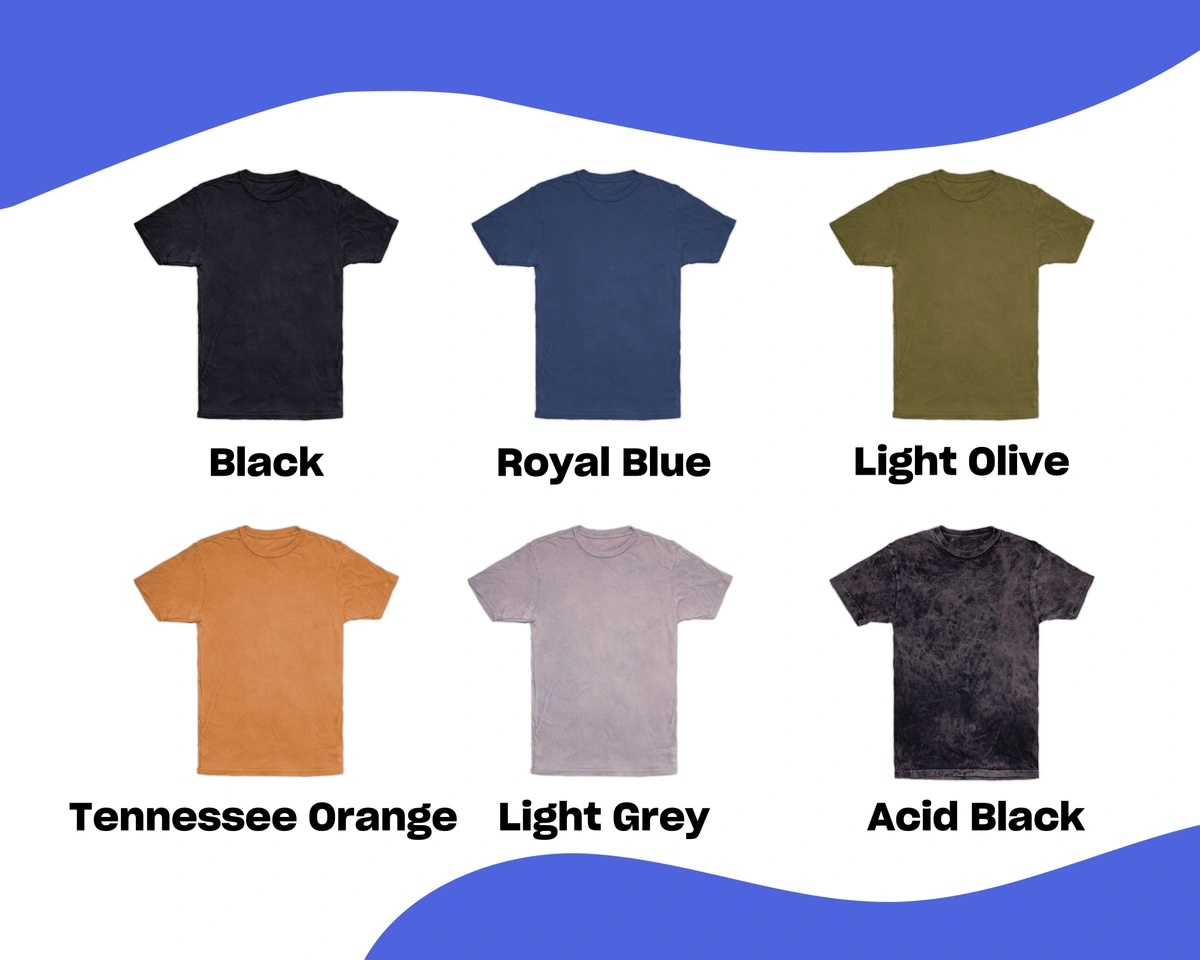
Articore's FY25 presentation described consolidating garment blanks, negotiating logistics using combined volumes and improving automated order allocation. These are mundane interventions with cumulative consequences. A small saving on production or delivery can recur across many orders without requiring the shopper to buy anything extra.
The following year's earnings call put operating expenses at about A$85 million, down from a FY23 peak of A$129 million. Management also explained that depreciation and amortization fell after a change in its development-cost capitalization approach. That distinction matters: some of the EBIT improvement came from the accounting expense profile, alongside operating changes.
Revenue includes creator revenue. EBIT measures earnings before interest and tax; it is not net profit or cash flow.
The group finished FY26 with A$40.5 million in cash. Its A$10.3 million EBIT represented a A$20.1 million improvement. These figures establish a recovery in profitability. They do not establish that demand has recovered, or that every artist sharing the platform has enjoyed the same improvement.
Free to open. Read the deductions.
For artists, the price of participation requires its own calculation. Redbubble makes opening a shop free. Its published fee schedule charges Standard accounts 50 percent of monthly earnings and Premium accounts 20 percent; Pro accounts pay no platform fee. These percentages apply to artist earnings, not the entire price paid by the shopper.
For a simplified example, A$40 of monthly artist earnings at a markup of 20 percent or less would leave A$20 after the Standard platform fee. Premium would leave A$32. Pro would retain A$40. That illustration isolates the platform fee; it is not a forecast of sales or a calculation of an artist's taxes.
StandardA$20
PremiumA$32
ProA$40
Redbubble also applies an excess markup fee for Standard and Premium accounts on earnings attributable to markup above 20 percent. Total monthly account fees have a published cap of $150, €150 or £150. Raising a markup therefore needs calculation rather than instinct: the increase in the displayed margin is not necessarily the increase reaching the artist.
TeePublic publishes a different earnings table. For Artisan accounts, a classic T-shirt generally earns US$4 at regular price and US$2 during a sale. The operational convenience remains considerable, but creators should judge a channel by what they receive per shipped order and the sales it brings. An easy upload is not evidence of an attractive income.
Bring your fans; Dashery brings the shop
Dashery, launched in 2025, approaches distribution from another direction. It offers creator merchandise storefronts, arranging printing, shipping and buyer support. A podcast host or online personality can send an existing community to a branded shop. The audience is already attached to the creator, rather than waiting to discover an unfamiliar artist through marketplace search.
The service says store creation carries no ongoing subscription cost and offers eligible creators access to samples and third-party design help. Its Shopify app extends the proposition to an existing store. The obvious condition is demand: someone with no engaged following cannot expect a new storefront to manufacture one. Dashery's own advice tells creators they must let their community know the merchandise exists.
Articore invested A$3.4 million in Dashery cash operating and capitalized development costs in FY25. In March 2026 it announced another bet, the US$900,000 Frankly Wearing acquisition, completed in May. The India-based marketplace offered local commerce knowledge and an engineering capability. A quarter of the announced purchase price was tied to performance milestones at 18 months.
The art still has to earn its place
Distinctive content can also arrive through licensing. In June 2026 Redbubble announced a direct Beagleverse partnership for The Last Unicorn, covering the original novel alongside the film. Artists submit work under brand guidelines for review. Approval provides a defined route into a fandom; it does not give blanket permission to sell any borrowed character anywhere.
For creators, the workable approach is to match original art to a recognizable audience, choose products the design actually suits, and inspect the payout after fees. For operators, Articore demonstrates the value of fixing repeated costs before assuming more traffic will solve everything. Both approaches need customers who care enough to buy.
Articore has made the machinery more economical. Its next test happens at the other end of the transaction: whether enough people find a design worth putting on a shirt, a wall or a laptop. The blank garment is cheaper to move through the system now. It still needs a reason to leave.