print-on-demand
(21)
The 10 P.M. Deadline That Built Mimeo
Mimeo turned a late-night print order into a production system: upload the file, make the books, and get them to the room by morning. The real product is time.

The Book Was the Easy Part
Kinga Jentetics could write a thesis. Publishing it across borders was the difficult part. The company she built now sells authors a simpler route to stores - and a fixed bill for taking it.

The Store Was the Easy Part
OpenCommerce Group learned that merchants could build a shop and still have no business. Its answer was to sell the plumbing behind a cross-border sale, from product sourcing to the parcel at the door.

David Uyttendaele Put the Copy Shop in the Cloud - Then Kept Rewriting It
A college friendship became an internet consultancy, then a way to send documents from a browser to a press beside an overnight runway. A quarter-century later, Mimeo's CTO is still working on the handoff between human intention and machines.
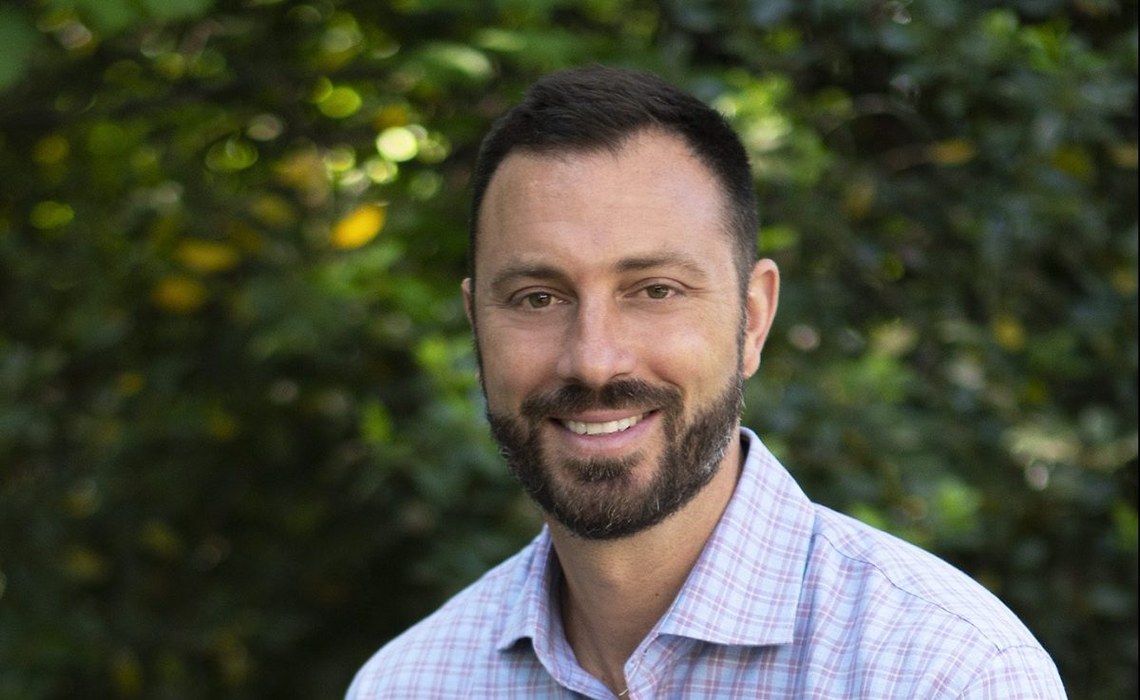
Brian Marks Turned a Box of Unsold T-Shirts Into Bonfire
A failed campaign left Brian Marks with a box of shirts nobody wanted. He kept the lesson, removed the inventory risk and built Bonfire around a simple promise: let the cause matter more than the logistics.
API-Marketing gave Prince Perfect his retirement papers
An Auburn printer spent decades adding services, then had to teach customers what it had become. The lesson involves a retired mascot, personalized postcards, and a surprisingly useful lunch fund.
PrintMyStuff and the business of making the awkward thing
A Riverside printer makes everything from business cards to mahogany theater signs. Its most revealing product is the practical answer to a request that does not fit neatly into a shopping cart.
Electronic Printing Solutions takes on the work after the ink dries
The San Diego printer combines short-run production with mailing, merchandise and warehousing. Its useful proposition: a marketing project should arrive somewhere, not become another box in the office.
San Diego Printers Takes the Job Beyond the Press
A brochure is only the beginning. This San Diego print shop connects design, production, packing, and mailing - with a business built around the work customers would rather hand over.
Design Musketeer Sells the Work After the Artwork
A T-shirt graphic is only the beginning. Design Musketeer bundles designs, mockups and store uploads for e-commerce sellers who need to keep a catalog moving.
Zexpa Apparel and the Business of Getting Your Name Right
A personalized gift starts with a name or a date. Zexpa Apparel’s public footprint reveals the design work, printing decisions and holiday schedules behind that small act of recognition.
Articore found a profit in the small print
The owner of Redbubble and TeePublic has returned to profit while sales keep falling. Its turnaround runs through cheaper fulfillment, shared operations and a bigger bill for some artists.

Custom Ink
Custom Ink is an online retailer that lets anyone design and order custom apparel and promotional products - t-shirts, hoodies, hats, drinkware and swag - without order minimums or design software. Founded in 2000 in a Virginia basement, the company built an easy online Design Lab plus human design and support help, turning group orders for teams, schools, businesses, nonprofits and events into a business that has grown to roughly $500 million in revenue. It has since expanded into corporate swag management through acquisitions like Swag.com and Printfection.
Mad Engine Global, LLC
Mad Engine Global is a Glendale, California-based designer, manufacturer and distributor of licensed, branded and private-label apparel and accessories. Founded in 1987 as a small Southern California t-shirt supplier, it has grown into a vertically integrated, omnichannel consumer-products company that turns pop-culture properties - from Disney and Marvel to Fortnite, Netflix and Coca-Cola - into wearable merchandise for mass retail, specialty and e-commerce channels worldwide. It also owns brands including LRG, Neff Headwear, Mighty Fine and Fifth Sun, and runs a Take Back recycling program as part of its sustainability push.
Shapeways
Shapeways is an Eindhoven-based 3D printing and digital manufacturing company that lets individuals and businesses upload 3D files and receive custom parts made through additive manufacturing, CNC machining and injection molding. Founded in 2007 inside Royal Philips, it pioneered a public 3D printing service and marketplace, went public via SPAC in 2021, filed for bankruptcy in 2024, and was relaunched in December 2024 by its original founders and the profitable Eindhoven factory team with a renewed focus on B2B customers, sustainability and operational stability.

Thatcher Spring
Thatcher Spring is the founder and CEO of GearLaunch, a print-on-demand and end-to-end ecommerce platform he launched in 2013 to give independent online sellers the same backend muscle - manufacturing, fulfillment, payments, and customer service - that big marketplaces take for granted. A Georgetown English major who started a nationally distributed wholesale apparel company right out of college, he detoured through J.P. Morgan, the Mars graduate leadership program, and an MBA at UNC Kenan-Flagler before going back to what he knew best: merchandise and supply chains. GearLaunch raised a $4.8M Series A in 2017 and grew to a few hundred employees, letting creators build custom-product businesses without ever touching inventory.

GearLaunch
GearLaunch is a print-on-demand commerce platform that lets entrepreneurs design, sell, and ship custom products without holding inventory or paying upfront. Sellers handle the creative and marketing; GearLaunch handles production, printing, fulfillment, payment processing, and worldwide shipping across a catalog of thousands of customizable items.

Kevin Zerber
Kevin Zerber is the Founder and CEO of Treering, the edtech company that turned the school yearbook into a personalized, sustainable, and digitally-native experience. Since co-founding Treering in 2009, Zerber has guided the company from a scrappy startup to a platform serving 15,000+ schools across the US, Canada, Australia, and New Zealand - printing over 11 million yearbooks along the way. With $7.6M in funding backed by notable investors including Rich Barton (Expedia, Zillow) and Mike McCue (Flipboard), and recognition on the 2025 Inc. 5000 list, Zerber has carved out a distinctive niche at the intersection of nostalgia, technology, and inclusivity.

Kurt Beidler
Kurt Beidler is the Chief Executive Officer of Quizlet, the AI-powered learning platform used by hundreds of millions of students worldwide. Appointed in July 2024, he brings 17 years of Amazon experience scaling subscription businesses - most notably growing Amazon Kids+ into the world's largest youth-focused subscription service and launching Kindle into China. Under his leadership, Quizlet has grown revenue to $139M annually while aggressively integrating AI tools including a native ChatGPT app integration, lecture recording features, and an OpenAI partnership aimed at keeping students' entire study workflow on one platform.

Treering
Treering is a Redwood City technology company that reinvented the school yearbook. Schools design online; families personalize their own pages; each book is printed on demand. For every yearbook sold, Treering plants a tree with Trees for the Future - over 4 million planted to date. Used by more than 15,000 schools worldwide.
Zazzle
Zazzle is a Redwood City based online marketplace that lets anyone design and order custom products - from invitations and t-shirts to home decor and corporate gifts - manufactured on demand. Founded in 2005 by Robert, Bobby and Jeff Beaver, it pairs a creator community of independent designers with proprietary on-demand manufacturing.