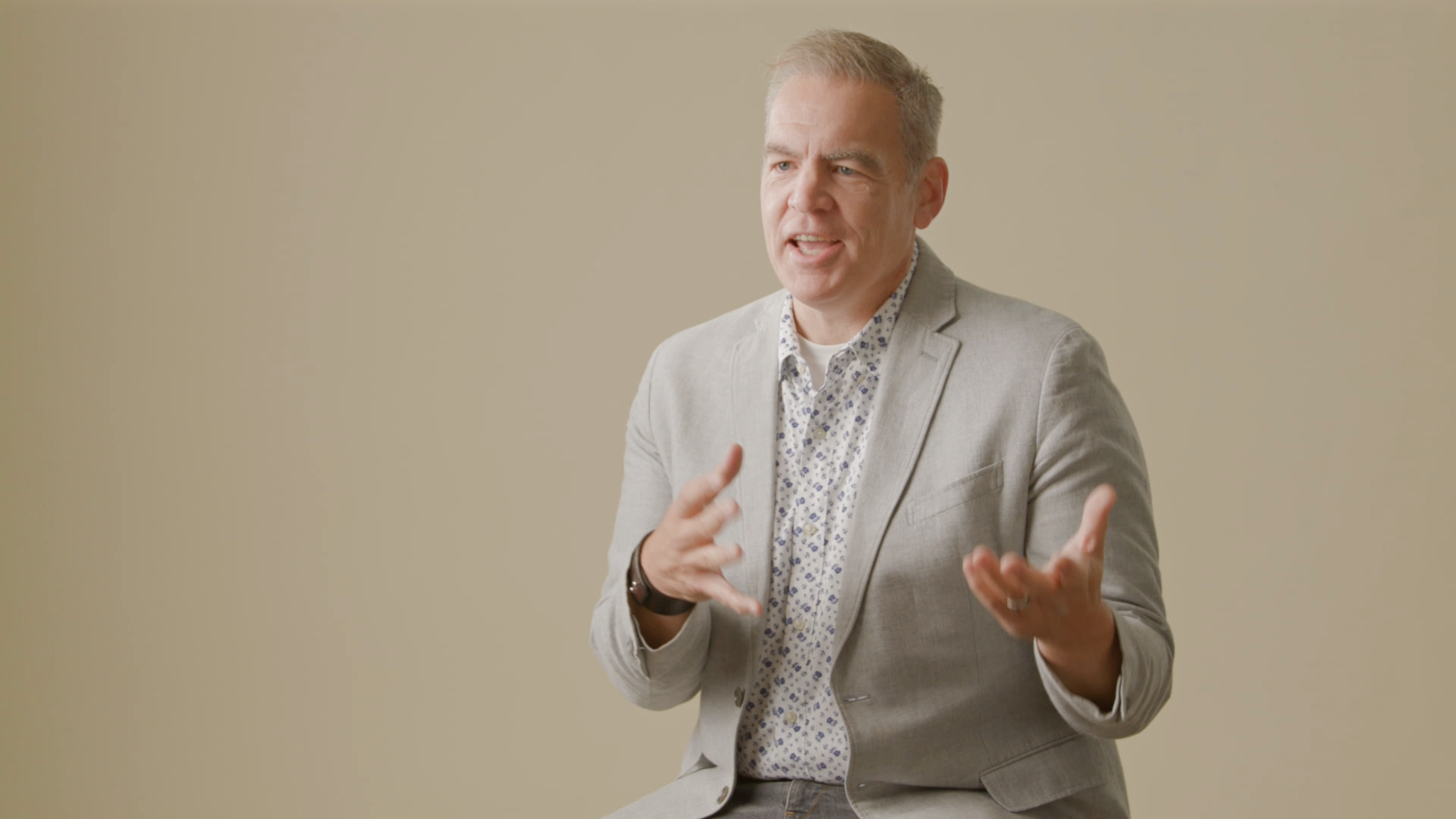
The Engineer Who Followed the Consumer
Bob Kupbens graduated from MIT in 1990 with a degree in mechanical engineering and immediately went to work at Ford Motor Company. Nothing in that sentence predicts what comes next: a career spent reinventing digital commerce at some of the most recognizable consumer brands on earth. The engineering mindset stuck - the tolerance for building things, debugging them, and rebuilding them cleaner the second time. The industry kept changing. Kupbens moved with it.
He spent roughly eight years at Target, moving across distribution, technology, and e-commerce divisions at a moment when big-box retail was beginning to treat the internet as something other than a brochure. Then Delta Air Lines hired him as Vice President of Marketing and Digital Commerce. He arrived just as smartphones were becoming the primary way travelers managed their trips. The timing was consequential. Kupbens led the development of the Fly Delta mobile app - an experience that became the benchmark for airline apps and won consistent recognition as the best in its category. Delta's digital commerce capabilities followed. The job of VP of Ecommerce was his to define.
In 2014, Apple came calling. He joined as Vice President of Online Retail, reporting to Angela Ahrendts, the Senior VP who had left Burberry to remake the Apple Store experience. The online operation Kupbens inherited was not a startup project - it was one of the five largest e-commerce businesses in the world. His mandate included redesigning the store, integrating it into Apple's main website, launching the online iPhone upgrade program, managing the Apple Store app, and overseeing global retail customer service teams. Two years later, he was gone, one of several moves in Ahrendts's team around that time. The MacRumors and 9to5Mac coverage of his departure was the kind usually reserved for executives at much larger companies - a measure of how closely the tech press tracked Apple's retail leadership.
eBay hired him next. He came in as VP of Business-to-Consumer Selling in 2016, the year activist investor Elliott Management took a stake in the company and the pressure for operational precision intensified. Kupbens ran the seller marketplace for the Americas, created eBay's "Retail Standard" for shipping and returns, and built seller experience programs across the platform. He eventually served as VP of Seller and Marketplace Operations. The work at eBay was infrastructure-level - the kind that doesn't photograph well but determines whether a marketplace is actually functional at scale.
In 2019, ADT created a new position for him: President of Innovation and New Business. The role put him over DIY security, cyber products, health platforms, and mobile security. It also gave him the assignment that would define the tenure - negotiating and implementing the partnership between ADT and Google. That partnership aligned two entirely different companies on a shared home-security platform. It was the kind of deal that required Kupbens to operate simultaneously as strategist, operator, and diplomat.
Ford
Target
Delta
Apple
eBay
ADT
Neiman Marcus
StubHub Intl
Neiman Marcus recruited Kupbens in 2021 as Executive Vice President and Chief Product and Technology Officer, reporting directly to CEO Geoffroy van Raemdonck. The luxury retailer was in the middle of a digital reinvention under new ownership. He led the overhaul of the Neiman Marcus mobile app - the relaunch won industry recognition - and inaugurated the company's Global Capability Center in Bangalore, extending the technology operation's reach. He also introduced AI-driven personal styling features that started shifting what a luxury retail app could actually be.
Then, in January 2024, came StubHub International. He stepped into the CEO role, replacing Dan Mucha, who left to run World of Books Group. StubHub International is the global arm of the StubHub brand - the world's largest secondary ticket marketplace. The business operates across Europe, Latin America, Asia-Pacific, and beyond, with the UK as its single biggest market. Kupbens based himself in Madrid, StubHub International's headquarters, while maintaining his home in Millbrae, California.
The agenda wasn't promotional. It was operational. Consumer trust in secondary ticketing markets has been eroded by fraud, unreliable guarantees, and customer service that disappears when something goes wrong. Kupbens arrived with a specific focus: FanProtect, StubHub International's buyer guarantee, needed to be the central product - not a footnote. Customer experience needed to be rebuilt around it. AI-powered chatbots were deployed to handle routine questions, freeing human representatives for the complex disputes where real expertise matters. The philosophy he articulated in a Wing Venture Capital interview cut to the point: AI that simply deflects questions is not useful. AI that routes correctly and connects buyers with help is a different thing entirely.
By mid-2025, Kupbens was also doing something more unusual for a marketplace CEO: publicly sparring with a government. The UK Entertainment and Events Act proposed a cap on ticket resale prices. Kupbens issued a direct warning - a 30% price cap would make operating in the UK market uneconomical given the costs of fraud protection, guarantee fulfillment, and live customer service. The UK is StubHub International's largest single market, driven by Premier League football, Wembley Stadium, and the O2. Walking away would be a drastic outcome. The statement was not a bluff dressed up as diplomacy - it was an explanation of unit economics made public. He also contributes op-eds to City AM, the London business newspaper, making the case for the secondary ticketing market directly to the business readers most likely to influence policy opinion.
Kupbens holds an MBA from the University of Michigan alongside his MIT engineering degree. The combination is visible in how he operates: analytical on the mechanics of a business, direct on what the customer actually experiences, and willing to say plainly what the numbers allow. He has done it at companies that make cars, sell groceries, fly people, sell phones, connect buyers and sellers, secure homes, dress wealthy people, and let fans buy seats to concerts. The industry changes. The method stays.