founder-coaching
(21)
Jason Albanese and the art of becoming less necessary
He built a consultancy by getting deep into other people’s businesses. At Lightning Capital, Jason Albanese is backing founders who must learn a harder trick: letting other people get on with theirs.

Brian Halligan and the business of keeping the crowd
A Grateful Dead fan helped turn inbound marketing into a software company. Brian Halligan’s next lesson was harder: getting people to show up is only the beginning.

Noah Isaacs and the trouble with keeping score
He helped build Bowery Valuation by giving appraisers better tools. Now Noah Isaacs is coaching founders through a problem he knows from the inside: a growing company can outgrow the person running it.
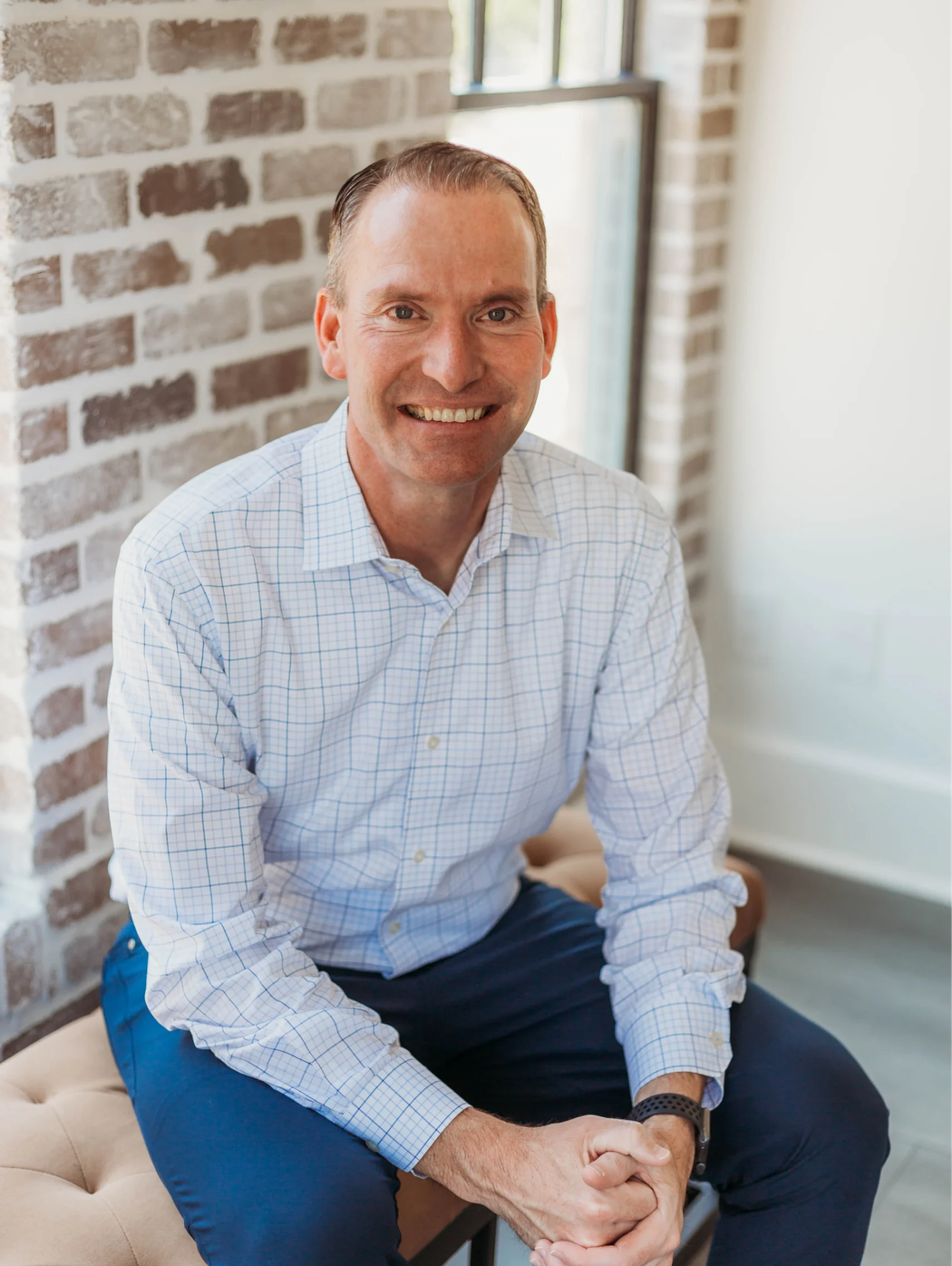
Clate Mask and the business of getting your life back
He joined his brothers-in-law to sell software and get out of debt. Two decades, a company sale and a book about chaos later, Clate Mask is helping Arizona founders build businesses they can actually live with.

Michael Narea and the company you keep
Before he backed education founders, Michael Narea brought students, surfers and conservationists together. At Transcend Network, he is still working on the same question: what can people build when they have someone beside them?

Hawaiʻi Angels: 500 decks. Two seats at lunch.
In Honolulu, a free pitch can lead to a very serious conversation. Hawaiʻi Angels turns a monthly lunch into a bridge between early traction and investors willing to write their own checks.
UNSW Founders makes the first startup mistake cheaper
A university can teach you to build something. UNSW Founders adds the awkward questions, the prototype tools and the people who might help you turn it into a business.

KIT-Gründerschmiede and the art of getting out of the lab
A research result can be brilliant and still have no customers. In Karlsruhe, KIT-Gründerschmiede helps founders make the awkward, necessary journey between the two.

ZOLLHOF Built a Startup Machine - Then Added the Missing Money
Nuremberg's incubator spent years helping founders without taking their shares. Its next act is a €30 million public-private startup factory - and a fund designed to keep deep-tech talent close to home.
StartUp Health Wants to Put the Right People in the Room
A $499 annual membership is the latest expression of a 15-year bet: health startups need buyers, backers, and each other. StartUp Health is turning that belief into a business built around shared medical missions.
RED EAGLE and the work before the pitch
The Hyderabad mentorship consultancy puts product-market fit, revenue models and launch strategy on the same agenda as fundraising. Its proposition starts with the business an investor will be asked to believe in.

Volta’s next big idea: build less
The Halifax startup hub once expanded to 60,000 square feet. Now it is betting on smaller teams, practical AI coaching and a question founders cannot dodge: who will pay?

NextGEN Gives Greenville Founders Someone to Call
Free mentor teams, small-group workshops and carefully matched investor meetings are NextGEN’s answer to founder isolation. In Greenville, the work of building a startup community happens one useful introduction at a time.

Velocity built a home for startups. Then it kept adding rooms.
A Waterloo dorm experiment grew into an incubator with laboratories, founder coaching and a separate venture fund. Its real business is helping good ideas survive their next expensive problem.

Amy Buechler Built a School for the Part of Startups Nobody Puts on the Pitch Deck
After nearly five years inside Y Combinator, Amy Buechler turned a thousand founder conversations into a practical curriculum for leading when the map runs out.
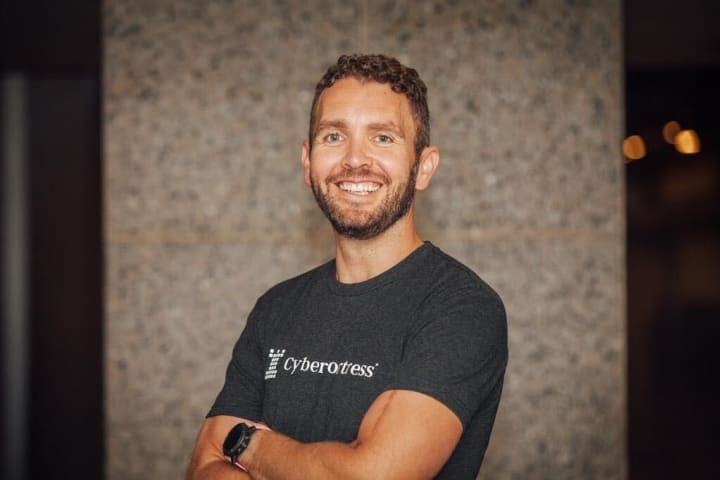
Huw Edwards Built a Career on Knowing the Numbers - Then Learned to Ask Better Questions
After Oxford, Goldman Sachs, Harvard, Bridgewater and three founder chapters, Huw Edwards changed the unit of measure. His work now turns on a harder calculation: what is a leader actually trying to build, and why?

Jabroni Capital Is a Fake VC Firm. The Business Behind It Is Real.
Jack Kuveke turned a satirical LinkedIn post about closing a pre-seed fund into a newsletter read by tens of thousands of founders and investors - and a coaching-and-sponsorship business built on making fun of them.
Rampd
Rampd is a New York sales consultancy that coaches early-stage technical founders through the awkward, high-stakes phase of selling their own product. Led by co-founder and CEO Darren Lucia, the firm runs hands-on sprints and an accelerator that help founders validate product-market fit, build a repeatable sales motion, and chart a path to their first $1M in ARR. Its frameworks have been pressure-tested across hundreds of Y Combinator-backed startups.

Scale Yourself
Scale Yourself is a coaching and content platform for venture-backed startup founders, built by Amy Buechler - a licensed psychotherapist who spent nearly five years as Y Combinator's first in-house founder coach. It combines one-on-one coaching, a vetted network of ex-founder coaches, and a free framework library called The User Manual for Founder Psychology to help founders scale their psychology, relationships, and leadership alongside their companies.

Katie Kirsch
Katie Kirsch is an Ecosystem Growth Partner at Andreessen Horowitz (a16z), where she builds the connective tissue of one of Silicon Valley's most influential venture firms - designing programs, products, and spaces that bring together the most ambitious founders, operators, and technologists. A 4x startup founder, ex-IDEO product leader, Stanford engineering graduate, and Harvard Business School MBA, she made Forbes 30 Under 30 in 2024 for consumer tech. Before joining a16z, she founded the mentorship platform Twenty and the coaching startup lume, taught entrepreneurship at Stanford's d.school and Harvard's Graduate School of Education, and volunteered in Uganda and India working on women's health and education. She launched the inaugural a16z Growth Engineer Fellowship in 2025, selecting 65 fellows from thousands of global applicants.

Matt Lerner
Matt Lerner is the founder and CEO of SYSTM, a growth coaching and accelerator program for seed-stage startups. A former PayPal GM who helped grow the SMB business from $800M to $10B+, and ex-500 Startups partner who ran the Distro Dojo growth program in London, he now works personally with up to 80 founders per year helping them find their growth levers. He is the author of 'Growth Levers and How to Find Them,' an international bestseller advocating that 10% of what startups try drives 90% of their growth.