quick-service-restaurants
(39)
Qu Is Rebuilding the Restaurant Stack Around the Moment the Wi-Fi Dies
The restaurant-tech company won enterprise chains by treating downtime, menu sprawl and disconnected orders as one systems problem. Now it is turning that plumbing into an AI and payments business.
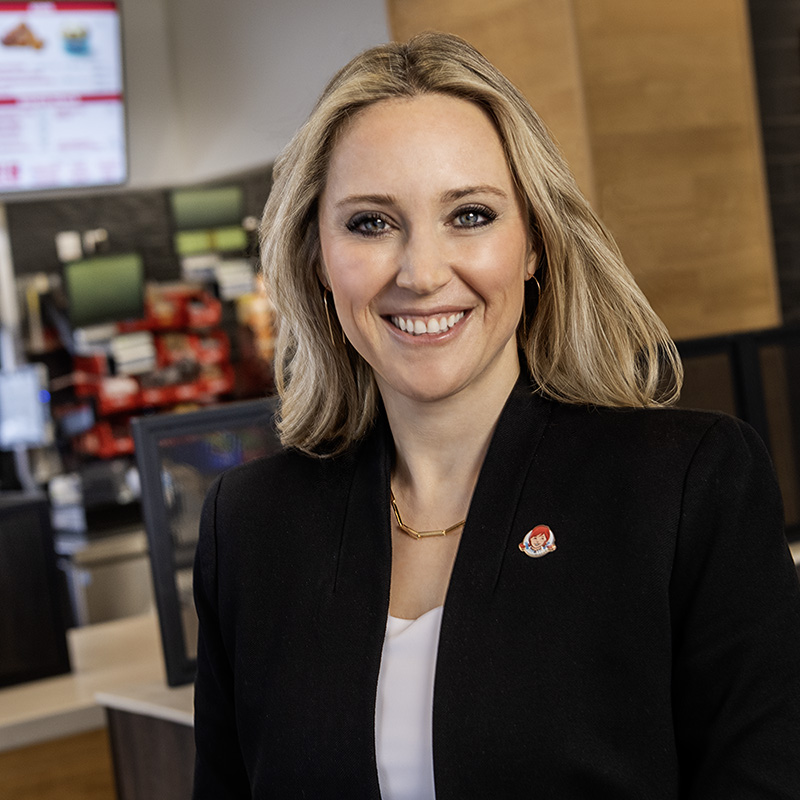
Lindsay Radkoski Learned to Market Burgers by Reading the Numbers
She entered Wendy's through investor relations, learned the machinery behind the menu, and emerged as the marketer behind value platforms, loyalty and a very online redhead. Now a 15-year chapter is entering its final stretch.

Adrian Fuoco Makes the Spreadsheet Funny
Pizza Pizza's CMO has built a body of work around a deceptively practical idea: earn attention with a joke, then make the numbers carry it home.
Xavier Leport Is Turning the Pizza Order Into a Growth System
At Pizza Salvatoré and Groupe Abbatiello, Xavier Leport has treated the online order as more than a transaction. It is the feedback loop behind a fast-growing restaurant operation.

Katherine Bond-Debicki Is Teaching an Old Bucket New Tricks
KFC Canada’s marketing chief has spent a decade turning heritage into a working asset - balancing the Colonel, the bucket and 11 herbs and spices with digital ordering, cultural timing and a sharper appetite for change.
How KFC Canada Turns Weird Side Quests Into a Growth Strategy
The chicken chain’s Canadian playbook is equal parts local sourcing, pop-culture mischief and operational discipline. Now it is putting C$30 million behind a bigger question: can a bucket brand own the afternoon drink run?

Alejandra Gonzalez learned English from Friends and built a career selling chicken across 40 countries
From a bank teller's desk in El Salvador to the marketing chair at KFC's 40-country Latin American business, on a passport full of stamps and a habit of applying for jobs she wasn't ready for.
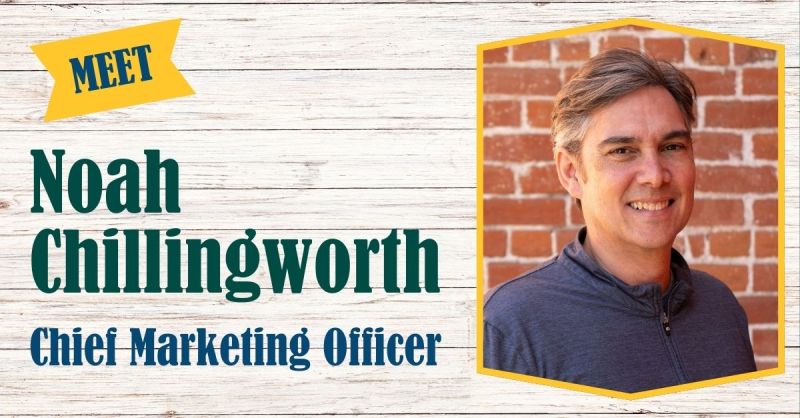
Noah Chillingworth Knows the Menu Is a Memory Machine
After 32 years marketing food people eat in their cars, Noah Chillingworth has learned that value is emotional, nostalgia is operational, and useful restaurant ideas begin by listening closely.

The Cardiologist Who Turned a Single Hotel Into a $3.7 Billion Portfolio
A practicing heart doctor built Encore Enterprises into a diversified real estate and private equity firm that develops apartments, runs emergency rooms and manages dental clinics - all from one office off the Dallas Parkway.
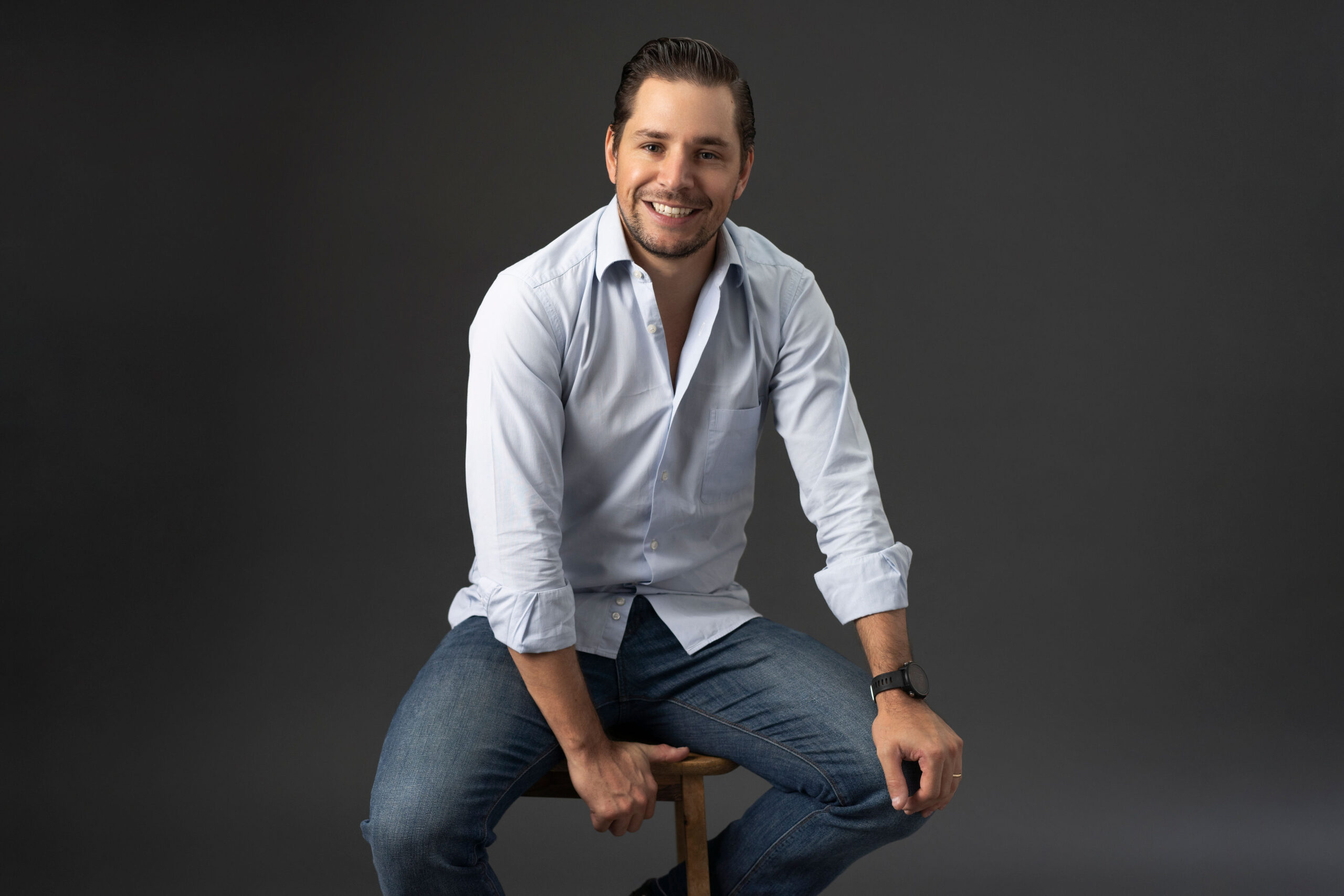
Guillermo Hermosillo Cue Knows a Global Brand Must Speak Local
From tamarind burgers to regional brand leadership, Guillermo Hermosillo Cue has built a career translating global scale into ideas that feel unmistakably local.

White Castle Built the Fast-Food Playbook - Then Refused to Play the Franchise Game
The company that helped standardize fast food chose control over breakneck expansion. A century later, its small square burger travels through restaurants, freezer aisles, apps and now automated kiosks.
The Taco Chain That Put Potatoes on the Main Stage
Taco John's built a 324-restaurant business around one improbable supporting actor: a cup of hot, seasoned potato rounds. Now the regional chain is pairing that cult favorite with tighter franchise economics, a unified digital stack and a careful push beyond its traditional Midwest and Mountain West map.

Slim Chickens Built a 300-Store Flock on One Surprisingly Sticky Idea: Choice
The Fayetteville chain turned garage-tested tenders, 14 sauces and table-side hospitality into a mostly franchised global business. Its next test is harder: preserving that sense of choice and care while opening in more formats, markets and countries.
The $5 Footlong Grew Up. Subway Now Has a $9.55 Billion Renovation Job.
The chain that taught America to direct lunch one ingredient at a time is simplifying the script. Under Roark Capital, Subway is betting that fresher stores, preset favorites and visible value can make a sprawling franchise network feel coherent again.
The 49-Step Biscuit Trying to Conquer America
Bojangles built a regional institution by refusing to microwave breakfast. Now the Charlotte chain is pairing hand-folded biscuits with AI drive-throughs in a bid to turn Carolina loyalty into a national franchise.
The Pizza Chain Quietly Building a 1,200-Store Operating System
Marco's is known for dough made in-store and two kinds of pepperoni. Its more consequential recipe is a franchise machine designed to make local pizza shops behave like one coherent national chain.
Arby's Built a Fast-Food Empire by Refusing to Act Like a Burger Chain
For 62 years, Arby's has made a business of being the odd hat in fast food. Its real product is not roast beef alone - it is a permission slip to order something stranger than another burger.

The Smoothie Chain That Quietly Became a $1.5 Billion Food Business
Tropical Smoothie Cafe built a national franchise by treating the smoothie as an invitation, not the whole meal. Now 1,700 cafes, a serious food business and a fast-growing loyalty program reveal what the brand was blending all along.
The Two-Name Burger Chain Betting Its Future on 570 Square Feet
Checkers & Rally’s built a national burger business by selling the same seasoned fries under two regional names. Now the drive-thru specialist is shrinking the restaurant, widening the freezer aisle and testing how much growth can fit inside a very small box.
Pizza Hut Built the Pizza Night. Now It Has to Reinvent the Hut.
The red roof taught generations to turn dinner into an occasion. A pending $2.7 billion ownership split now asks whether a 68-year-old restaurant icon can pair its old magic with the speed, value and digital habits of modern pizza night.
Popeyes Turned 12 Hours of Marination Into a Global Growth Machine
The chicken chain’s strongest asset is not one sandwich. It is a repeatable system for turning Louisiana flavor, kitchen craft and internet conversation into traffic for more than 5,400 restaurants.

Papa Johns
Papa Johns sells pizza, but the bigger machine sells consistency - fresh dough, franchise support, digital ordering and a familiar garlic-sauce ritual across nearly 6,000 restaurants. Now that machine is being rebuilt while North American diners pull back.
Biscuitville Fresh Southern
Biscuitville built a regional breakfast business by making the slow part visible, keeping the menu rooted nearby, and ending the workday at 2 p.m. Now its biscuit window is carrying a family company into a careful new chapter of growth.
Inspire Brands
Inspire Brands keeps six familiar restaurant chains visibly different while quietly wiring them to the same machinery. The result is a franchise empire built less like a food court than a hospitality operating system.

Tacala, LLC
Tacala built one Alabama Taco Bell into a 380-plus-store operating system. Its harder trick is making education, hardship relief and local giving work at drive-through scale.

Handel's Homemade Ice Cream
An 80-year-old Ohio ice cream counter is becoming a national franchise without outsourcing its central ritual: every parlor still makes the product on site. The constraint is also the pitch.
Domino's
The world’s largest pizza company has spent 65 years turning a simple dinner into a system - one built from franchisees, dough factories, delivery routes and a checkout screen that remembers what you crave.
Jack in the Box
Jack in the Box built a 75-year business by refusing to choose between burgers, tacos and breakfast. Now the San Diego chain has to prove that its appetite for variety can survive a leaner, more disciplined era.

The Wendy's Company
Wendy's turned a square hamburger, fresh beef and a sharp online voice into a global franchise system. Its next act is less nostalgic: make thousands of restaurants feel worth the trip again while the value wars squeeze every drive-thru.

Arcos Dorados
Behind Latin America’s Big Macs sits a Montevideo company running 2,520 restaurants, a 115-million-user data engine and one of the region’s largest first-job machines. Its real product is consistency at continental scale.