canadian-tech
(24)
Nadia Tatlow is changing sides of the table
She helped turn a Victoria side project into Shift, then stayed through its acquisition. Now Nadia Tatlow is putting her operating experience to work where the ownership decisions get made.

Communitech brings ambition back to the neighbourhood
Waterloo Region built a tech community by getting founders into the same room. After a national detour, Communitech is betting on the power of being useful close to home.

Daniel Shimmerman Knows the Org Chart Is Only Half the Story
Varicent's co-founder built a business around the mechanics of selling. His career since IBM's acquisition - and a podcast about parenting across generations - reveals a lasting interest in the people behind the process.

Tal Hayek’s Second Act Starts With an Unfinished Plan.
He built AcuityAds, renamed it illumin, and handed over the controls. Back as CEO in 2026, Tal Hayek is testing a stubborn idea: advertising should be as easy to follow as the plan on the wall.

Brendan King and the business hiding inside the business
A shorts shop, a computer store, a homeowner network that changed course. The Vendasta co-founder keeps finding his next business by paying attention to what people actually need.

James DeGreef and the work beneath the floorboards
A Victoria founder became an investor, then returned to the CEO chair. His approach to running SureSwift Capital owes something to an old house, a new foundation, and the people trusted to hold it up.
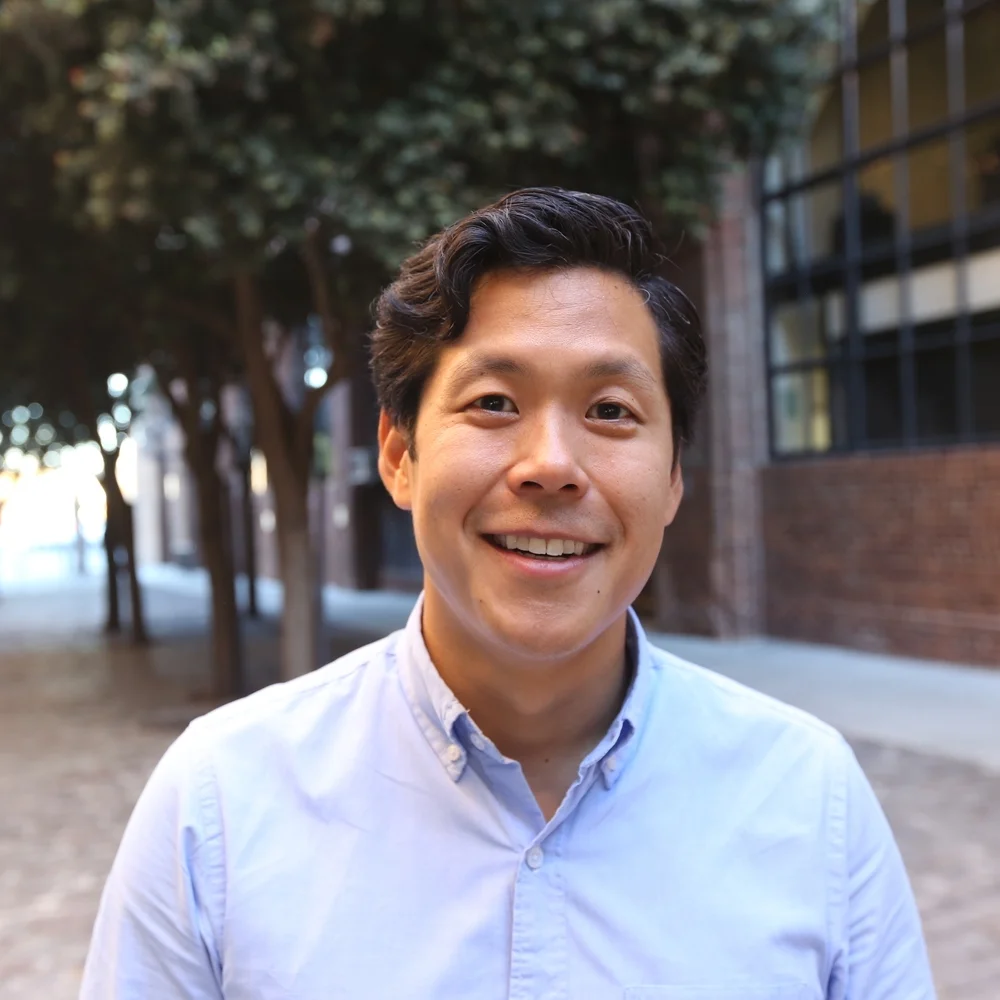
Dan Park and the price of a second chance
At Clutch, Dan Park went from expanding across Canada to fighting for the next payroll. The recovery put his experience in banking, venture capital and delivery to a rather unforgiving test: selling used cars.

Marcelo Cortes Learned Retail on an Intel 286. Now He Is Teaching AI Some Taste
The Faire co-founder grew up watching his parents run a video shop in Brazil, learned code by trying commands he could not yet read, and built a career around one question: how can software give small retailers better odds without taking away their judgment?

Kate Annis Makes Complicated Software Mean Something
After years translating products for news readers, shoppers and real-estate professionals, Apryse’s CMO is giving the invisible machinery of documents a language people can remember.

Jeremy Wallace Has Spent Three Decades Turning Friction Into Action
Before retail teams were his audience, the wind was his feedback loop. Jeremy Wallace's route from sailing coach to SaaS founder to Zipline marketing chief is a study in making the next move clear.

Vanessa Simmons Knows the Secret Ingredient in Every Partnership
At Pythian, she builds cloud alliances. At the cheese board, she teaches people to notice what they nearly missed. Vanessa Simmons has made a career of turning good introductions into lasting ecosystems.

Brian Hartlen Has Watched B2B Marketing Change for 50 Years. His Three Rules Haven’t.
From punch cards to AI, the Canadian software marketer has kept returning to the same durable work: earn attention, create genuine interest and help sales close. His career is a lesson in changing the tools without losing the plot.
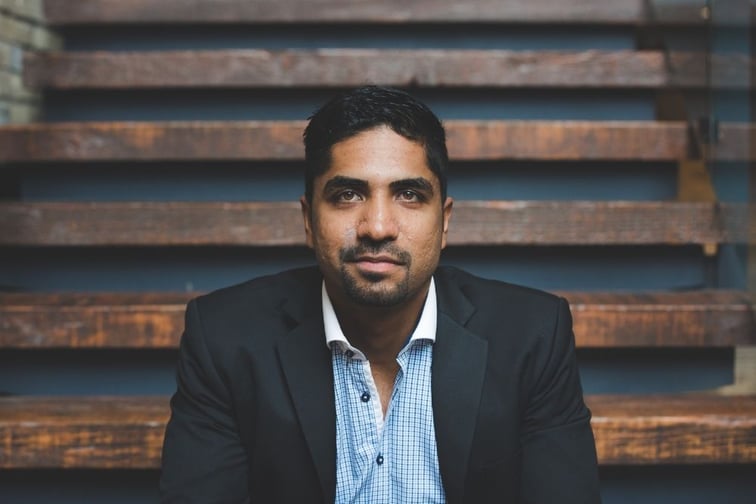
Joseph D'Souza waited 97 minutes. Then he built a search engine for insurance.
One long hold call sent a serial entrepreneur into an industry he barely knew. Nine years, two product eras, and one Guidewire deal later, his real product looks less like AI than institutional memory.

Tyler Calder Is Putting a Price on Trust
The PartnerStack CMO built his career measuring clicks. Now he is working on the harder question: how do you measure the trust that moves software?

Justin Holmes Learned to Build Systems Where Shifts Get Messy
Before Justin Holmes sold restaurant operators on better scheduling, he had already lived the problem - at tables, in gyms, and inside a fast-growing ecommerce company. His career is a study in turning coordination headaches into systems people can actually use.

Pam Mugford Makes the Fine Print Worth Reading
The Messagepoint CMO has spent more than two decades marketing complex software. Her recurring idea is disarmingly simple: every letter, disclosure and digital message is part of the product.

Jaclyn Christie Makes the Quiet Work of Payroll Mean Something
At Payworks, Jaclyn Christie has spent more than a decade translating payroll software into a story about trust, service and Canadian identity. Her playbook is less about volume than consistency - a brand grows when the product, the people and the promises keep matching.

Levio Built a 2,000-Person Consultancy by Making Big Tech Projects Feel Lighter - Now Its AI Is Headed for the Moon
The Québec consultancy found a lucrative job between strategy decks and working software: making complex change survivable. Its playbook mixes acquisitions, industry specialists and tightly governed AI - including software intended to help Canadarm3 think for itself in deep space.
Cavallo Technologies Is Selling Banks the Part of AI Nobody Demos: Getting It Into Production
The Burnaby consultancy has made a business of the awkward middle between an impressive AI prototype and a governed system people can actually use. Its playbook - narrow the first use case, measure the answers, preserve permissions and ship in weeks - is unusually copyable.

The Friendly Web Host Quietly Building a Cloud Empire
HostPapa built its name by making web hosting feel less intimidating. Now the Canadian company is using acquisitions, AI tools and a $130 million credit facility to become something much larger: the operating layer for small-business internet life.

Enghouse Systems
How a quiet Markham software company turned buying unloved businesses into a decades-long compounding machine - one contact center, video platform, and telecom system at a time.

ComputerTalk Never Got Bought, Its Founder Conducts Mahler
For nearly 40 years the Markham software company has built its ice Contact Center entirely in-house, turned down every acquisition offer, and outlasted rivals like Cisco, Five9 and Genesys. Its founder, Mandle Cheung, runs it while personally funding a 100-piece orchestra so he can conduct Mahler.

Cameron Howieson
Cameron Howieson is the co-founder and CEO of Opencare, a Toronto-based digital health company that connects patients with a curated network of top-rated dentists across North America. A computer engineer by training, he co-founded the stock-research startup Vuru (acquired by Wave Accounting in 2012) before helping build Opencare, where he moved from CTO to COO to CEO. His work centers on making preventive dental care transparent, convenient and comfortable for patients.

Tobi Lutke
Tobias 'Tobi' Lütke is the German-Canadian co-founder and CEO of Shopify, one of the world's largest e-commerce platforms. Born in 1980 in Koblenz, Germany, he received a computer at age six and left school after 10th grade to complete a programming apprenticeship, never attending university. After emigrating to Canada in 2003, he built an online snowboard shop called Snowdevil and — finding every existing e-commerce platform inadequate — coded his own solution in Ruby on Rails in two months. That solution became Shopify, which he launched as a standalone product in 2006. Shopify went public in 2015, and as of 2025 processes over $1.6 trillion in cumulative gross merchandise volume for millions of merchants across 175+ countries, commanding over 14% of the US e-commerce market. Lutke is known for his radical candor, his open-source roots, and his unusual interests for a tech CEO: competitive racing driver, avid skier, and serious gamer who credits strategy games with shaping his business thinking. His April 2025 internal memo mandating AI proficiency as a baseline expectation became one of the most widely-discussed corporate AI policy statements of the year.