software-supply-chain
(49)
Varun Badhwar and the trouble with 68,000 answers
After building businesses around the risks of cloud computing, Varun Badhwar found a problem inside his own engineering team: plenty of warnings, little agreement on what to fix. Endor Labs grew from that gap.

Idan Plotnik and the trouble with moving faster
Selling Aorato to Microsoft gave Idan Plotnik a new problem to solve: how to ship software quickly without losing track of its risks. At Apiiro, that question has followed him into the age of AI-written code.

Javed Hasan and the Trouble With Borrowed Code
After years building security products at Symantec and McAfee, Javed Hasan turned to a question hiding inside the software itself: where did all this code come from? At Lineaje, that question now extends to the agents writing it.
Defense Unicorns makes software work off the grid
A fighter jet can carry modern software and still be hard to update. Defense Unicorns is building the delivery system for the places the internet cannot follow.

Kevin Wang and the small print inside your software
Before FOSSA, Kevin Wang made software licenses readable. Now its founder and chairman wants to make the work of maintaining borrowed code easier to finish.
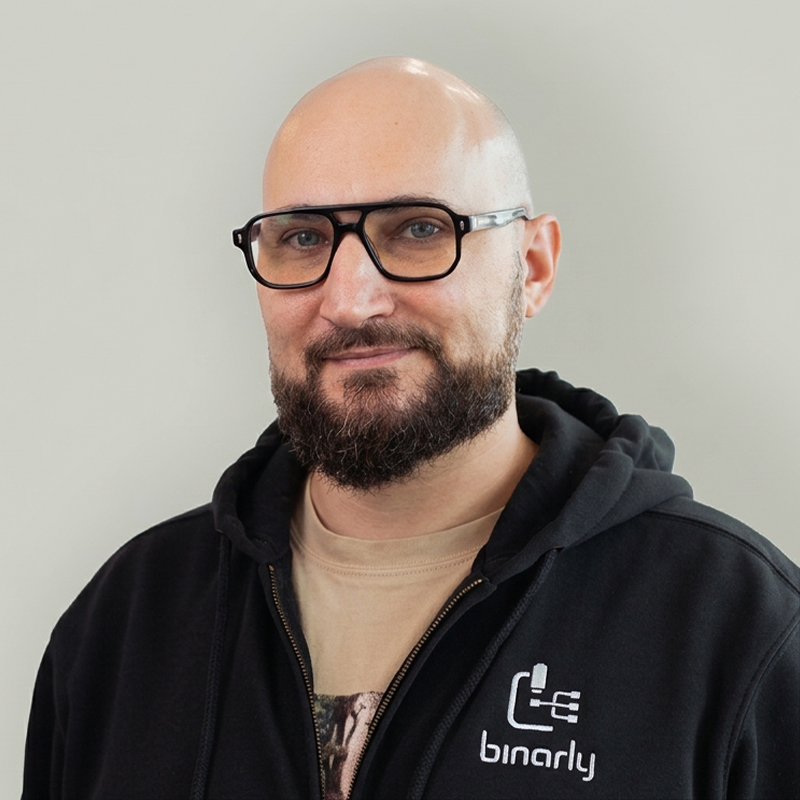
Alex Matrosov and the trouble before the screen lights up
A boot logo, a borrowed key, a question nobody had asked closely enough. Binarly founder Alex Matrosov has spent his career examining the code that runs before the rest of the computer gets a say.

Marc Frankel and the question inside the black box
A Russian Studies graduate, a traveling researcher, and a finance alumnus helped build Manifest around a deceptively ordinary question: what is inside the software we buy? His path runs through Palantir, a decade of friendship, and a company now led by the colleague he met on day one.

Shlomi Ben Haim and the refrigerator pitch
JFrog’s co-founder built a business around the software most people never see. His story runs from an unlikely investor pitch to a public company, with a stubborn belief that the people you hire early decide what happens next.
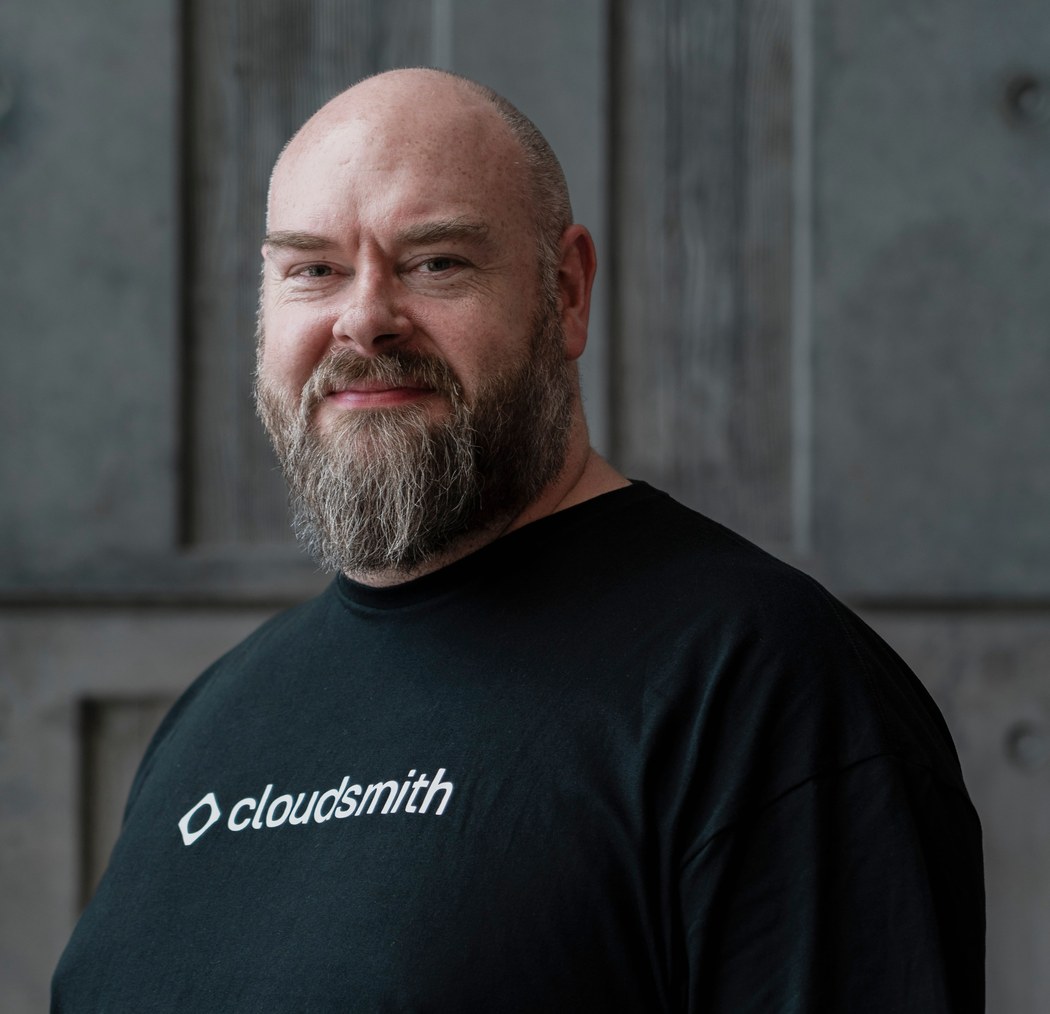
Alan Carson and the art of changing course
A missing software tool sent Alan Carson and Lee Skillen down a different road. The Cloudsmith co-founder has been revising the plan ever since, with Belfast firmly on the map.

Anaconda made Python easy. Now it sells peace of mind.
The company that helped millions get started with Python found its paying customer in a different room: the enterprise worried about what all that free software might bring through the door.

Flox wants your setup guide to become one command
PostHog had 16 setup steps and 14 caveats. Flox helped replace them with a shared environment - and is betting that the same discipline can travel from a developer’s laptop to an AI agent and into production.
Seal Security fixes the flaw. You keep the software.
A vulnerable dependency can turn a tiny security fix into a sprawling migration. Seal Security sells a way to patch the code you already run, while leaving the grand renovation for another day.

Oligo Security asks which vulnerabilities actually wake up
A library can sit quietly in an application for years. Oligo watches what happens when it starts working - and gives security teams a better reason to interrupt an engineer.

ArmorCode and the Trouble with Finding Everything
Security tools are excellent at finding trouble. ArmorCode has built a business around the awkward next question: who is going to fix it?

Matt Moore and the Art of Fixing the Defaults
A brisket photo became a startup text. Years of building container tools had prepared Matt Moore for a larger argument: the safest software should be the easiest software to use.

Dan Lorenc and the Problem with a Trusted Download
Dan Lorenc became uneasy when strangers ran the first Minikube release without asking who built it. A decade later, the Chainguard co-founder is still trying to make that question impossible to ignore.

The Founder Who Couldn’t Sit Still
Kim Lewandowski helped turn the hidden plumbing of open source into a product people could trust. After building Chainguard, she is starting again - this time with developers in the new AI world on her mind.

Apiiro and the Case of the Missing Context
The scanner found the flaw. The hard part was finding the person, the production path and the reason to act. Apiiro built its business around that missing context.

Robert Slaughter Found the Pentagon's Missing Update Button
An Air Force physicist watched a promising AI project get stranded between a spreadsheet and an aircraft. His answer was Defense Unicorns - an unusually cheerful company built to make military software move at operational speed.

Ron Rymon Turned One Miserable Code Audit Into a Company
A punishing due-diligence exercise showed a computer scientist that open-source security was working against developers. His answer became WhiteSource, now Mend.io - and the clearest expression of a career spent turning technical friction into companies.

David DeSanto and the Useful Art of Breaking Things
Anaconda's CEO spent years learning how software fails. Now the developer, security researcher and product operator is applying that education to a harder problem: making open AI useful without asking enterprises to surrender control.

Genefa Murphy Studied Why We Adopt Technology. Now She Must Help Us Trust What Builds It.
Her route to the C-suite began with airline check-in kiosks, passed through product management and three public software companies, and arrived at JFrog just as AI made software trust a boardroom question.

Exiger Put the Supply Chain Under an X-Ray - Now It Wants to Tell You What Breaks Next
The company began by helping banks survive regulatory scrutiny. A decade, several acquisitions and one decisive divestiture later, it is selling a more ambitious promise: see every hidden dependency before it becomes an expensive surprise.
HeroDevs Sells Enterprises the One Thing a Rushed Rewrite Can’t: More Time
When open-source support expires but the application still runs the business, HeroDevs patches the old code in place. The bet is simple: a clean security scan today is worth more than a panicked rewrite tomorrow.

Jason McClelland Learned to Sell Software by Thinking Like a Developer
Before he marketed clouds, search, data, and software security, Jason McClelland wrote code. That technical beginning still shapes his operating idea: choose one customer job, tell its story clearly, and build the commercial machine around it.
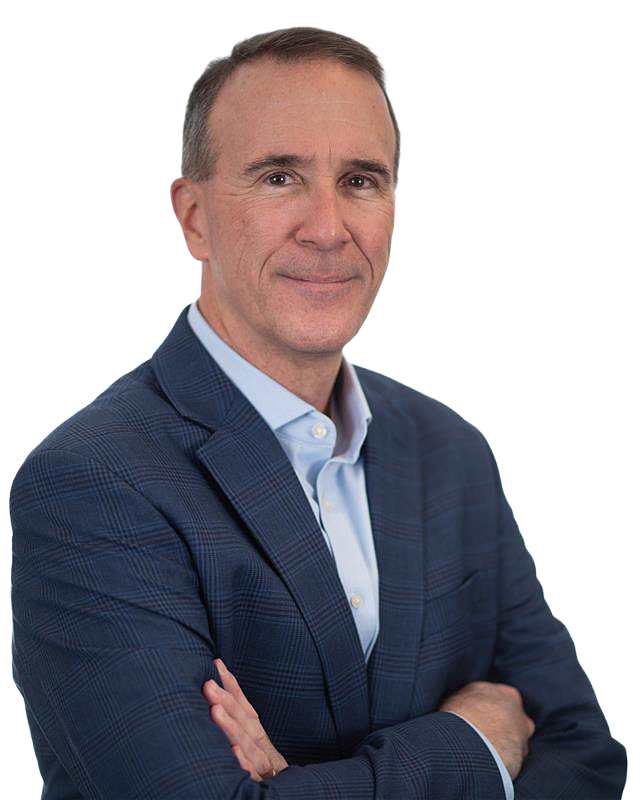
Jim Ivers Has Spent 20 Years Making Invisible Risk Impossible to Ignore
A computer-science graduate became cybersecurity's translator-in-chief - building brands through acquisitions, making the case for secure software, and learning when the market is finally ready to hear an old warning.
Black Duck Came Back From a $2.1 Billion Detour - Now It Wants to Police the AI Code Rush
The open source scanner sold for $565 million, disappeared inside Synopsys, then returned as the name of a $2.1 billion security business. Its next test is harder: checking code that machines can write faster than humans can review.

Raj Mallempati Is Securing the People - and Machines - Behind the Code
After an engineering-to-marketing career and a Microsoft acquisition, Raj Mallempati returned to the permissions problem with a sharper question: who - or what - is allowed to touch the software pipeline?

Checkmarx Built the Scanner. Now It Wants to Kill the Security Backlog.
The 20-year-old AppSec company made its name finding vulnerable code. Its harder second act is making the findings useful before AI-assisted development turns every security queue into a landfill.
Buildkite Put the Cloud in Charge - Then Refused to Put Your Code There
The Australian developer-tools company won demanding engineering teams with a split-the-stack model: Buildkite coordinates the work, while customers choose where it runs. Now it is trying to turn that architectural compromise into a broader software-delivery platform.