software-supply-chain
(30)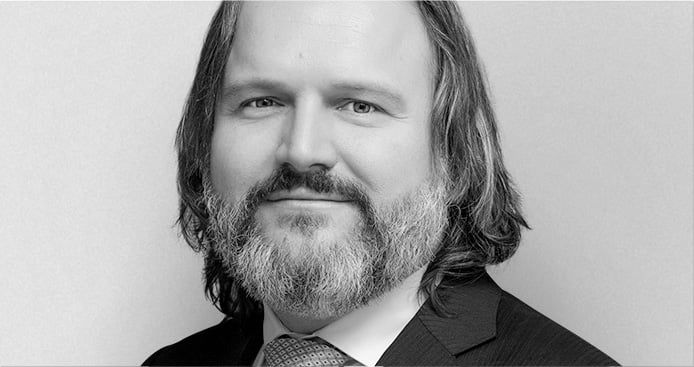
Mario Vuksan asks what trust is made of
An art-history graduate helped build a company that takes software apart. For ReversingLabs co-founder Mario Vuksan, the interesting evidence has always been beneath the surface.
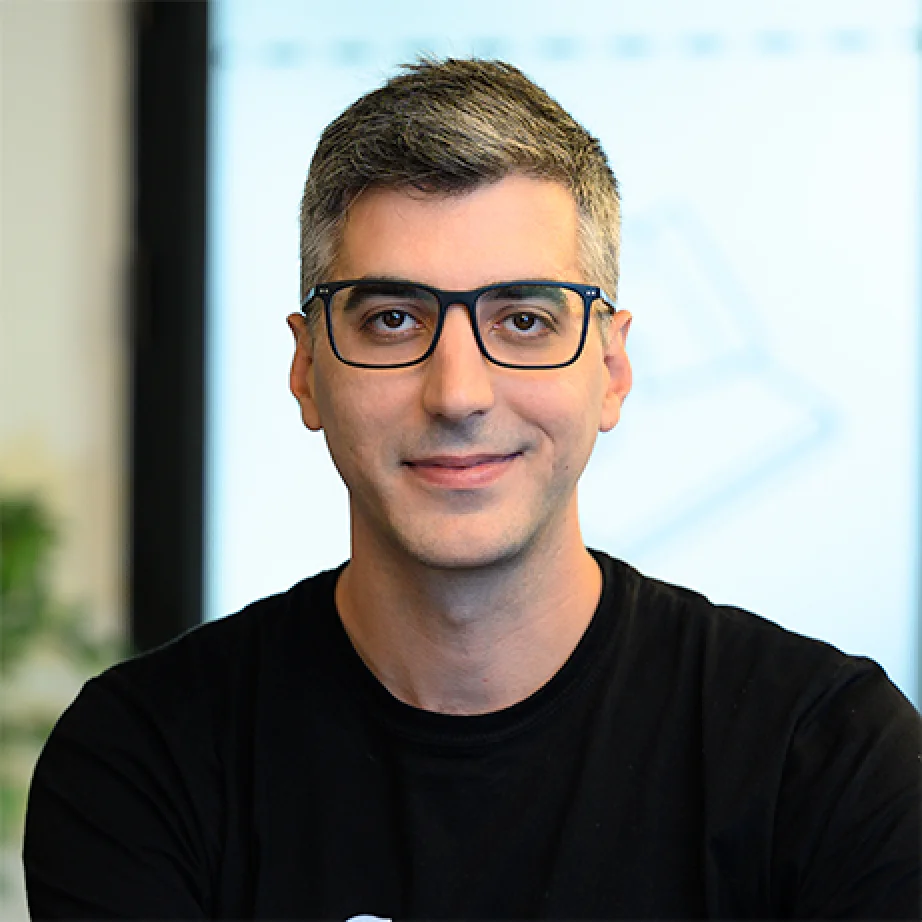
Itamar Sher and the art of changing less
He began by taking software apart. At Seal Security, Itamar Sher is building a business around a smaller, harder promise: fixing vulnerable code without making its users start over.
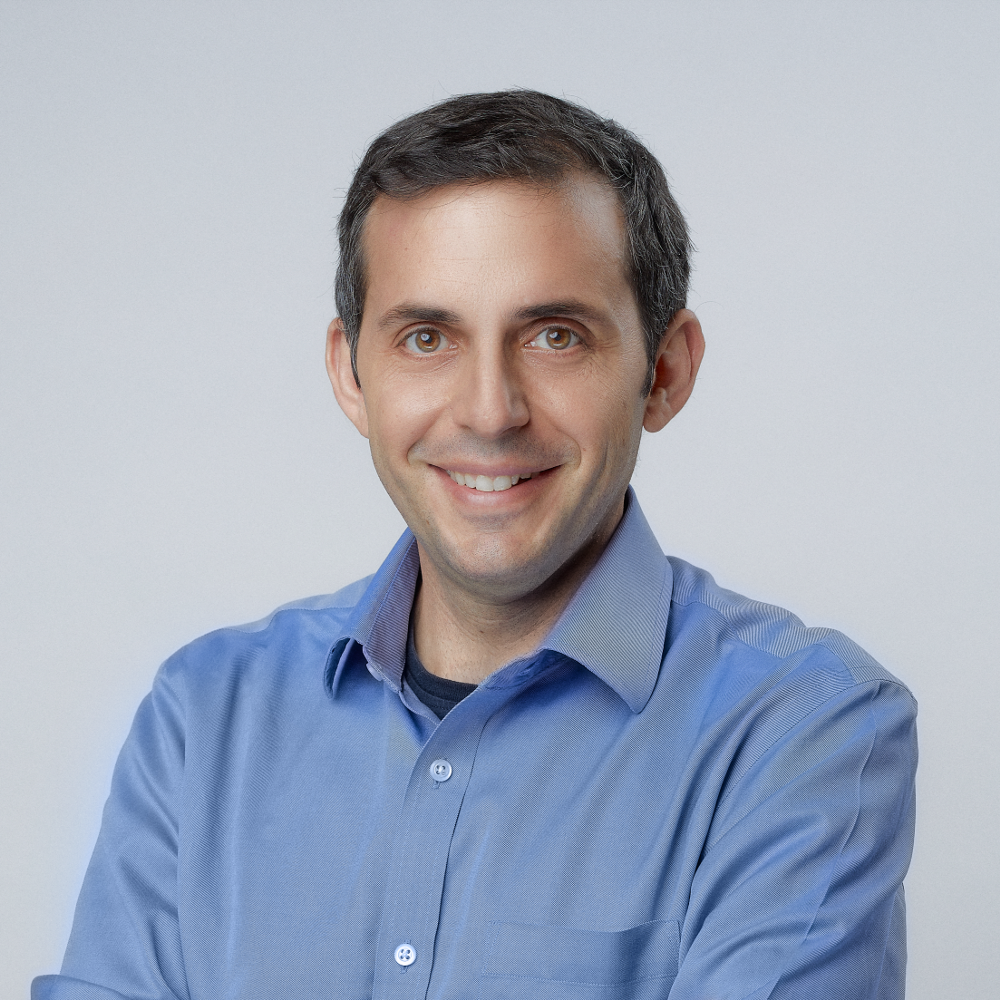
Rami Sass and the trouble with borrowed code
An acquisition audit helped send Rami Sass into open source security. After building WhiteSource into Mend.io, he is applying the same uncomfortable question to AI: what, exactly, have we let into our software?
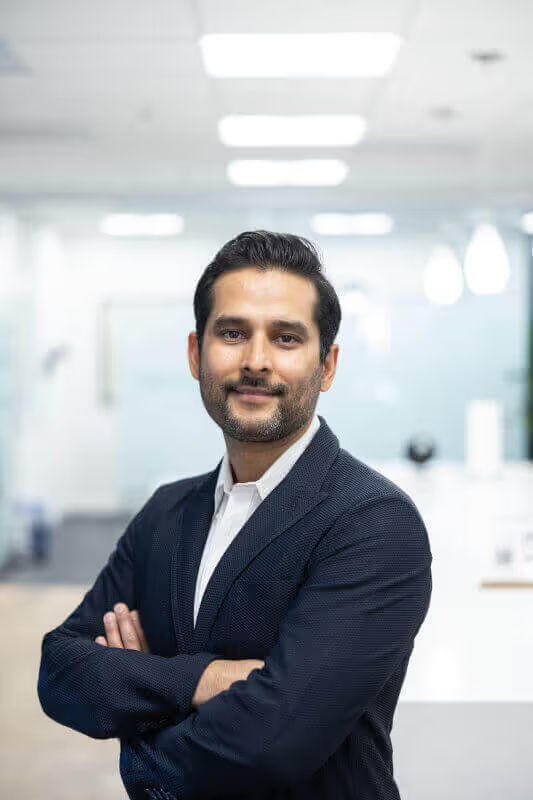
Varun Badhwar and the trouble with 68,000 answers
After building businesses around the risks of cloud computing, Varun Badhwar found a problem inside his own engineering team: plenty of warnings, little agreement on what to fix. Endor Labs grew from that gap.
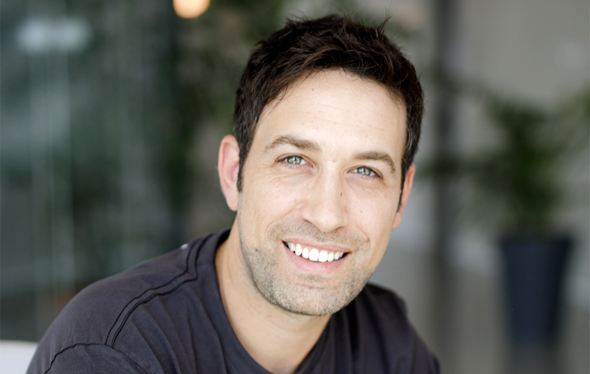
Idan Plotnik and the trouble with moving faster
Selling Aorato to Microsoft gave Idan Plotnik a new problem to solve: how to ship software quickly without losing track of its risks. At Apiiro, that question has followed him into the age of AI-written code.
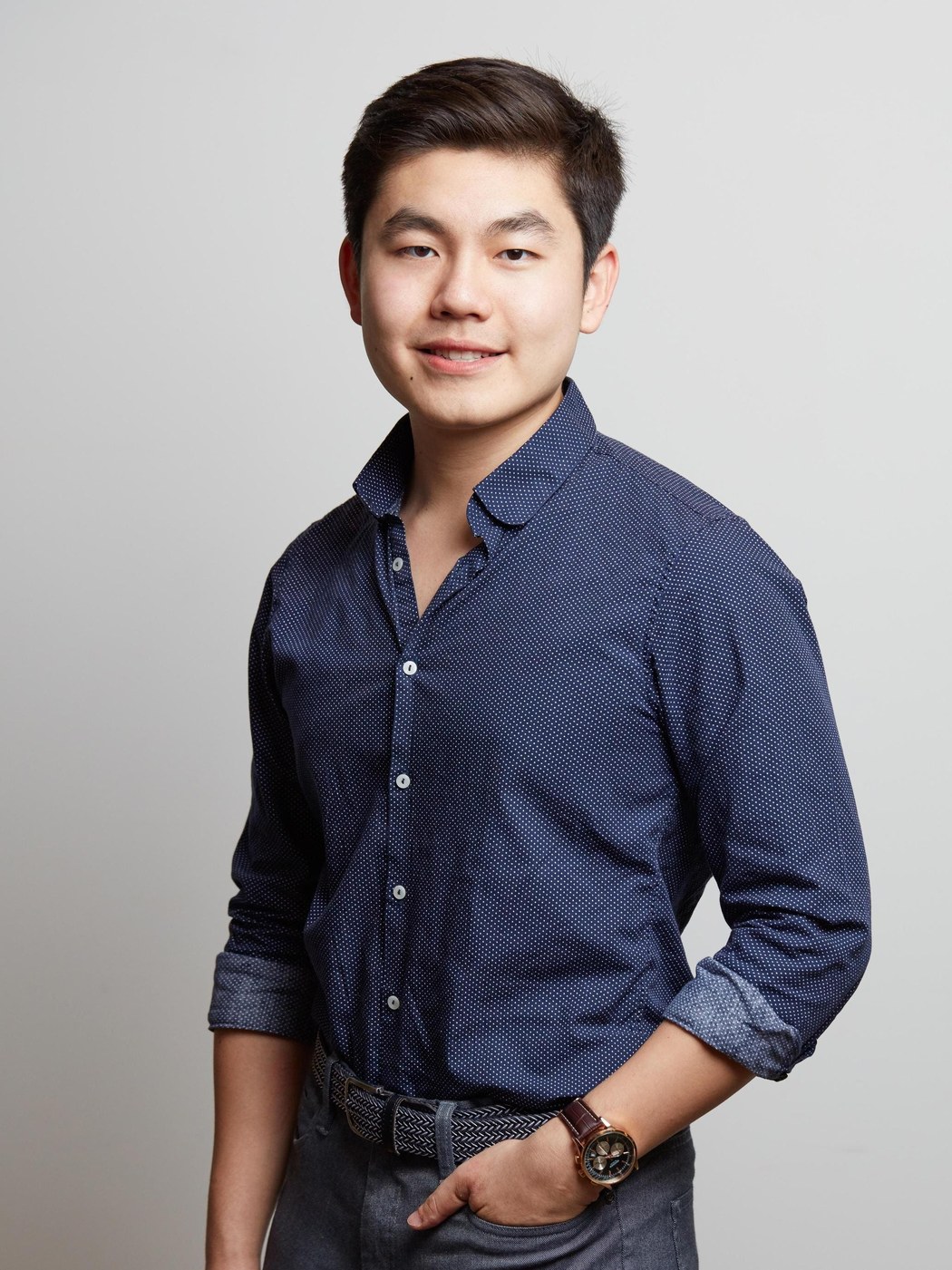
Kevin Wang and the small print inside your software
Before FOSSA, Kevin Wang made software licenses readable. Now its founder and chairman wants to make the work of maintaining borrowed code easier to finish.
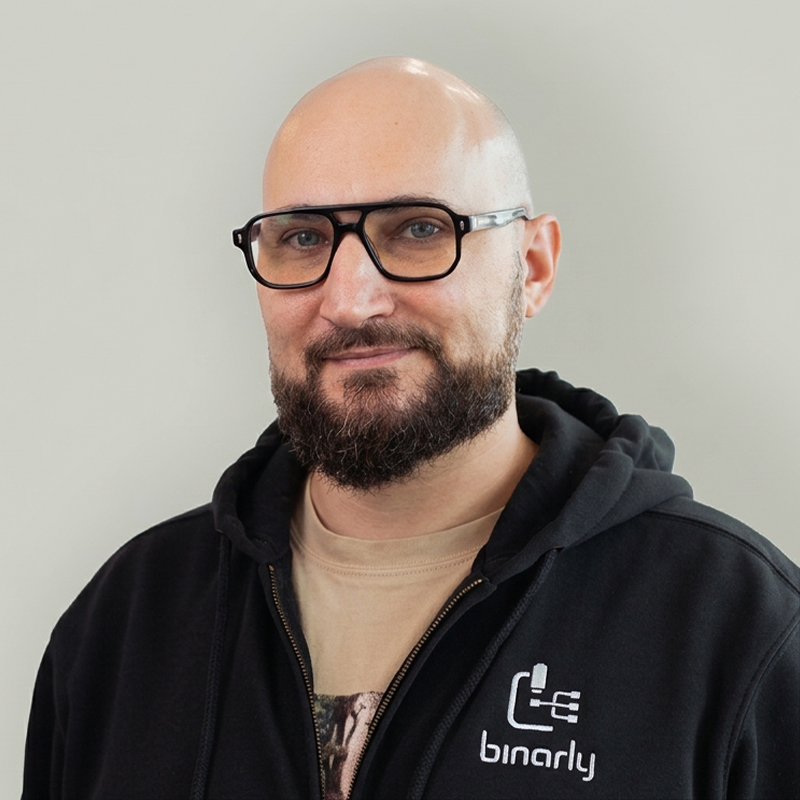
Alex Matrosov and the trouble before the screen lights up
A boot logo, a borrowed key, a question nobody had asked closely enough. Binarly founder Alex Matrosov has spent his career examining the code that runs before the rest of the computer gets a say.
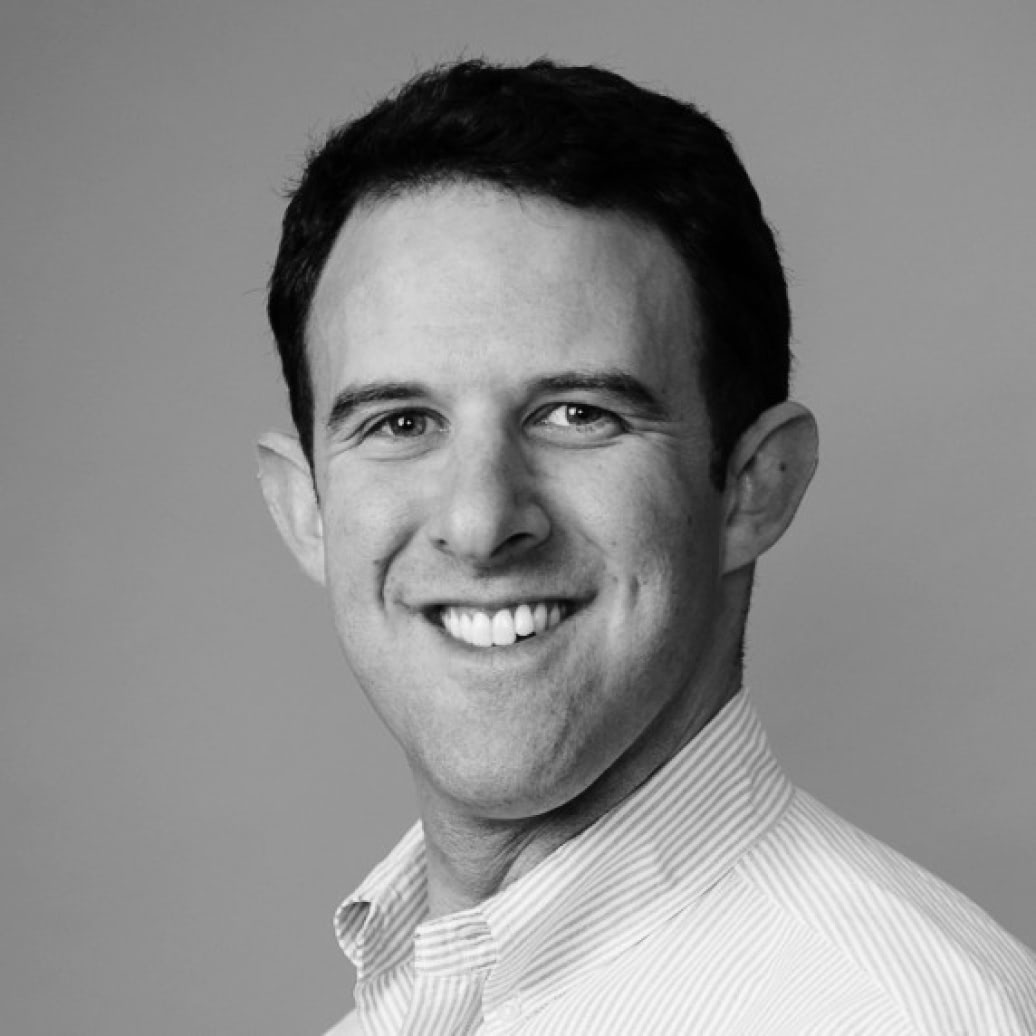
Marc Frankel and the question inside the black box
A Russian Studies graduate, a traveling researcher, and a finance alumnus helped build Manifest around a deceptively ordinary question: what is inside the software we buy? His path runs through Palantir, a decade of friendship, and a company now led by the colleague he met on day one.
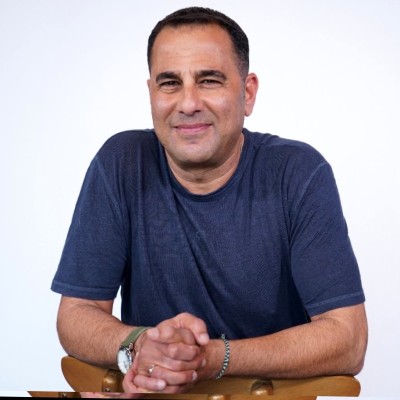
Shlomi Ben Haim and the refrigerator pitch
JFrog’s co-founder built a business around the software most people never see. His story runs from an unlikely investor pitch to a public company, with a stubborn belief that the people you hire early decide what happens next.
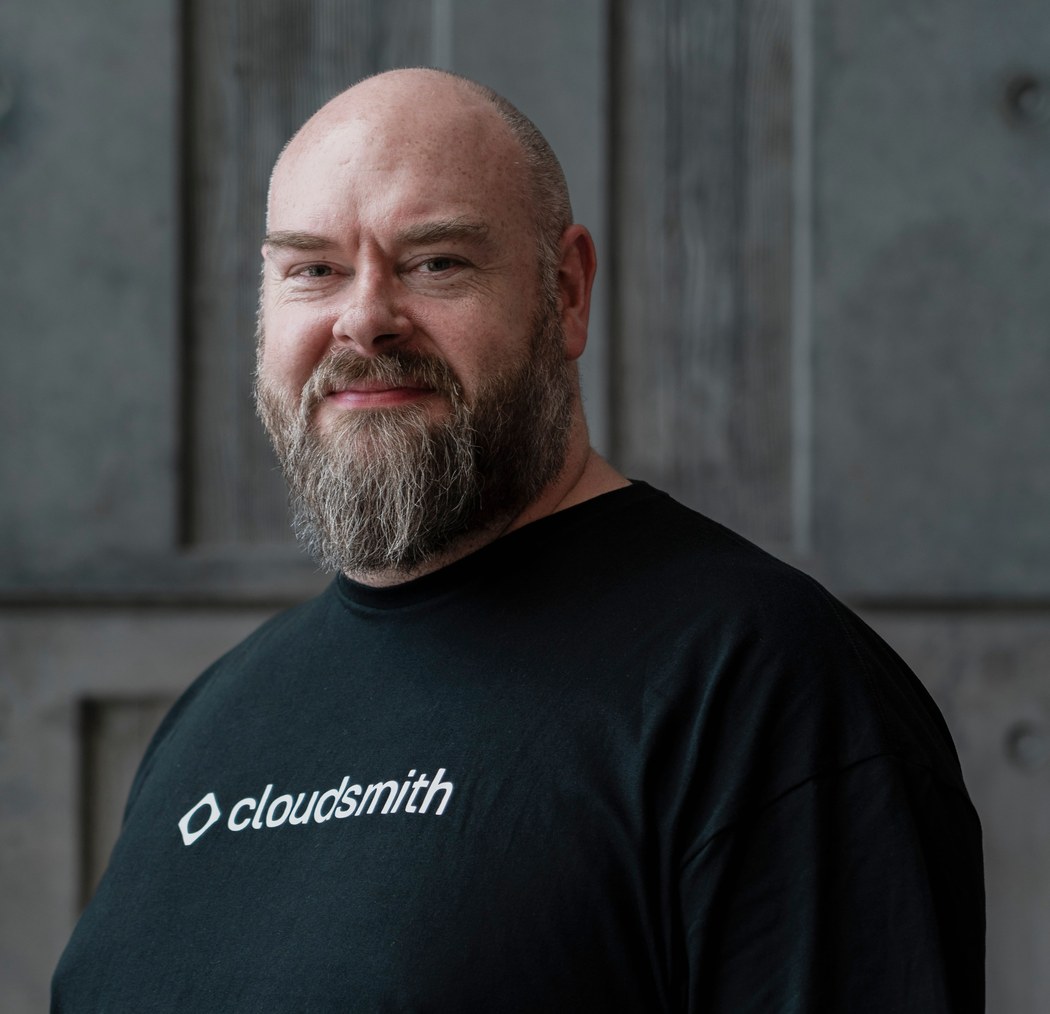
Alan Carson and the art of changing course
A missing software tool sent Alan Carson and Lee Skillen down a different road. The Cloudsmith co-founder has been revising the plan ever since, with Belfast firmly on the map.
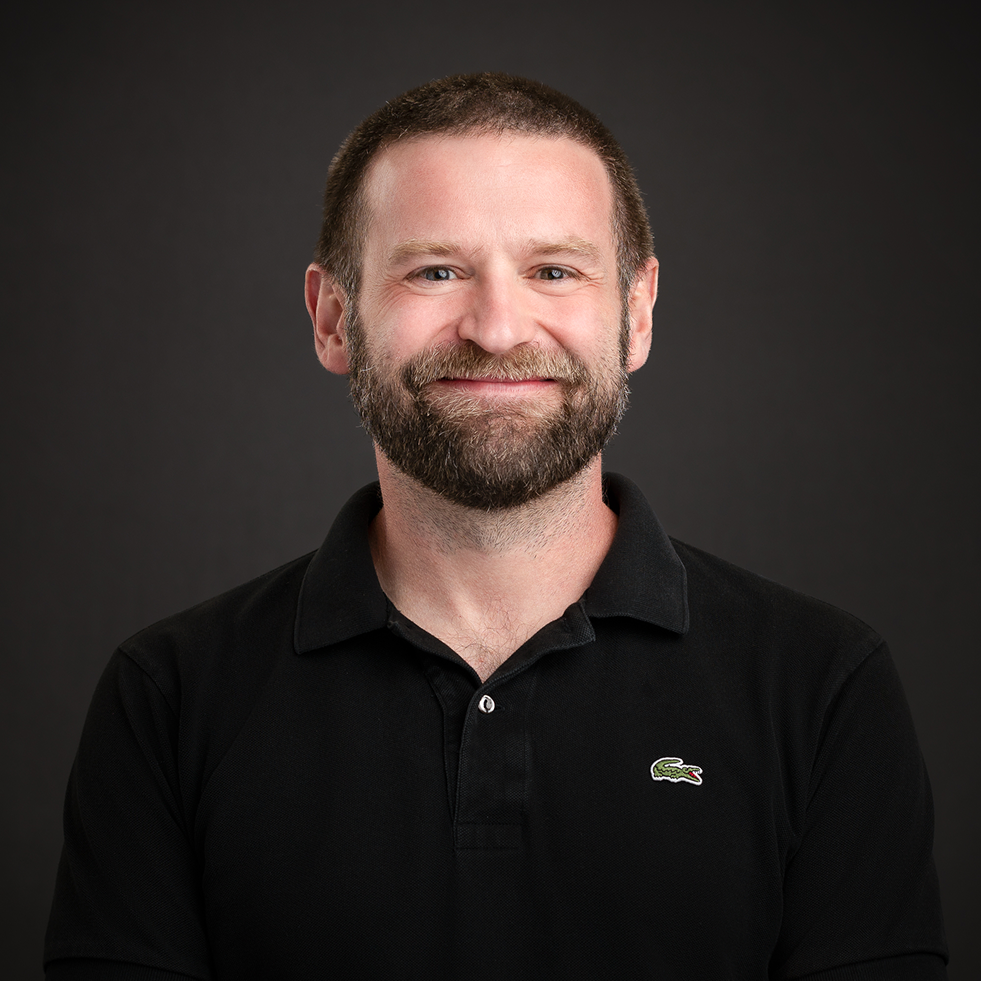
Matt Moore and the Art of Fixing the Defaults
A brisket photo became a startup text. Years of building container tools had prepared Matt Moore for a larger argument: the safest software should be the easiest software to use.
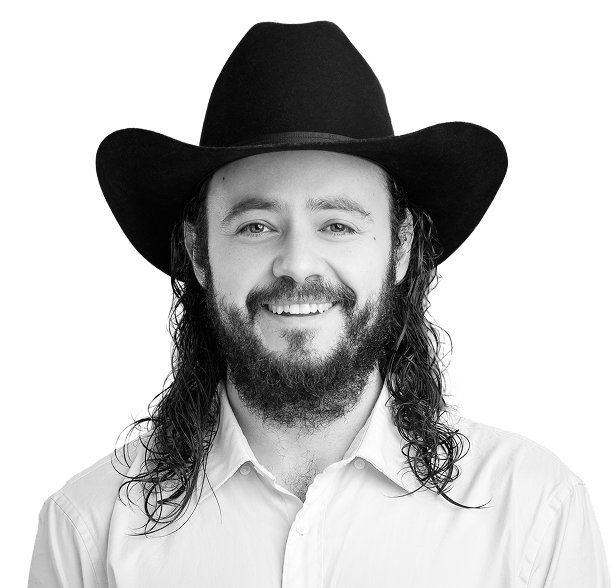
Dan Lorenc and the Problem with a Trusted Download
Dan Lorenc became uneasy when strangers ran the first Minikube release without asking who built it. A decade later, the Chainguard co-founder is still trying to make that question impossible to ignore.

The Founder Who Couldn’t Sit Still
Kim Lewandowski helped turn the hidden plumbing of open source into a product people could trust. After building Chainguard, she is starting again - this time with developers in the new AI world on her mind.
Robert Slaughter Found the Pentagon's Missing Update Button
An Air Force physicist watched a promising AI project get stranded between a spreadsheet and an aircraft. His answer was Defense Unicorns - an unusually cheerful company built to make military software move at operational speed.
Ron Rymon Turned One Miserable Code Audit Into a Company
A punishing due-diligence exercise showed a computer scientist that open-source security was working against developers. His answer became WhiteSource, now Mend.io - and the clearest expression of a career spent turning technical friction into companies.
David DeSanto and the Useful Art of Breaking Things
Anaconda's CEO spent years learning how software fails. Now the developer, security researcher and product operator is applying that education to a harder problem: making open AI useful without asking enterprises to surrender control.
Genefa Murphy Studied Why We Adopt Technology. Now She Must Help Us Trust What Builds It.
Her route to the C-suite began with airline check-in kiosks, passed through product management and three public software companies, and arrived at JFrog just as AI made software trust a boardroom question.
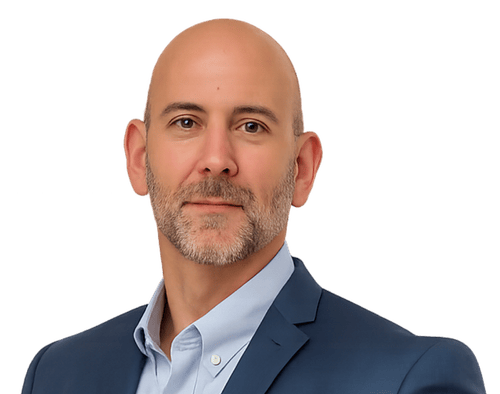
Jason McClelland Learned to Sell Software by Thinking Like a Developer
Before he marketed clouds, search, data, and software security, Jason McClelland wrote code. That technical beginning still shapes his operating idea: choose one customer job, tell its story clearly, and build the commercial machine around it.
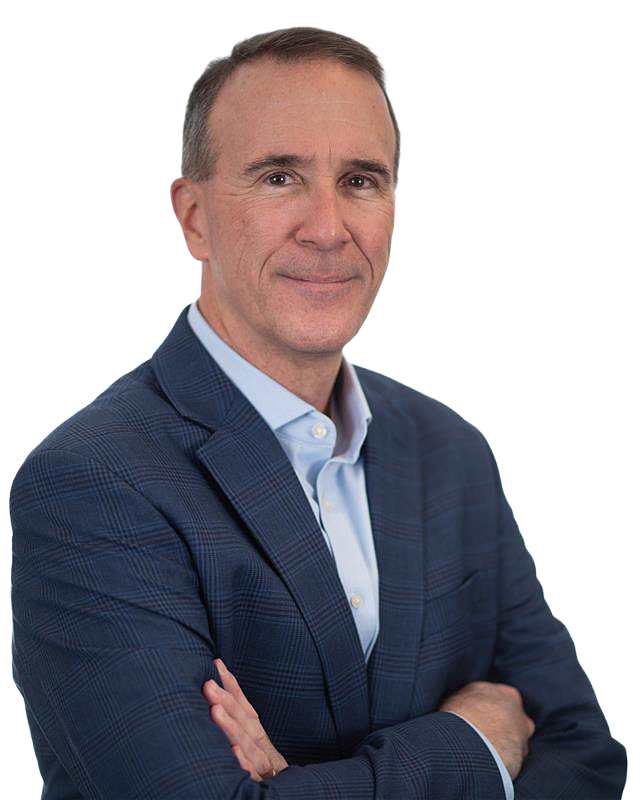
Jim Ivers Has Spent 20 Years Making Invisible Risk Impossible to Ignore
A computer-science graduate became cybersecurity's translator-in-chief - building brands through acquisitions, making the case for secure software, and learning when the market is finally ready to hear an old warning.
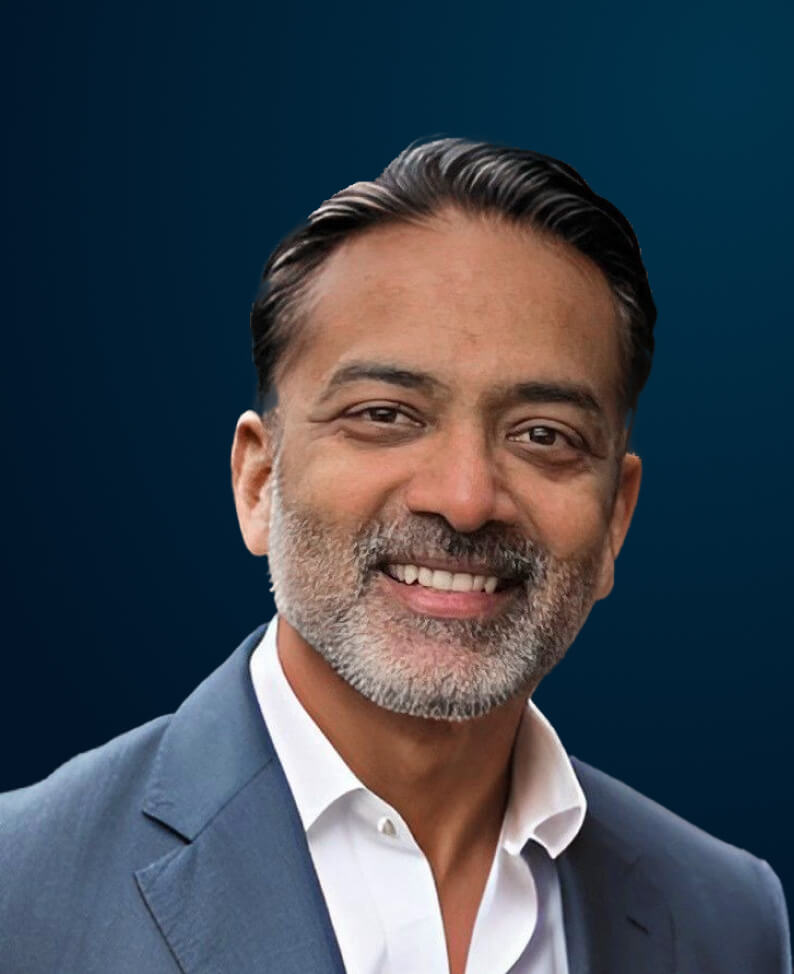
Raj Mallempati Is Securing the People - and Machines - Behind the Code
After an engineering-to-marketing career and a Microsoft acquisition, Raj Mallempati returned to the permissions problem with a sharper question: who - or what - is allowed to touch the software pipeline?
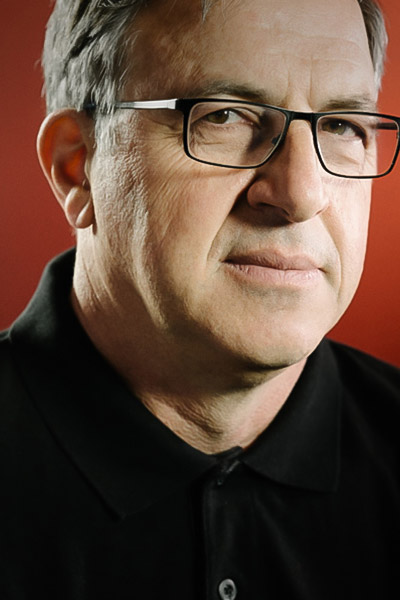
Azi Cohen Has Spent 25 Years Finding the Risk Everyone Else Left for Later
The Mend.io co-founder built companies around neglected security chores. Now, back in the CEO seat, he is betting that AI will make the old habit of fixing risk at the end of development impossible to defend.
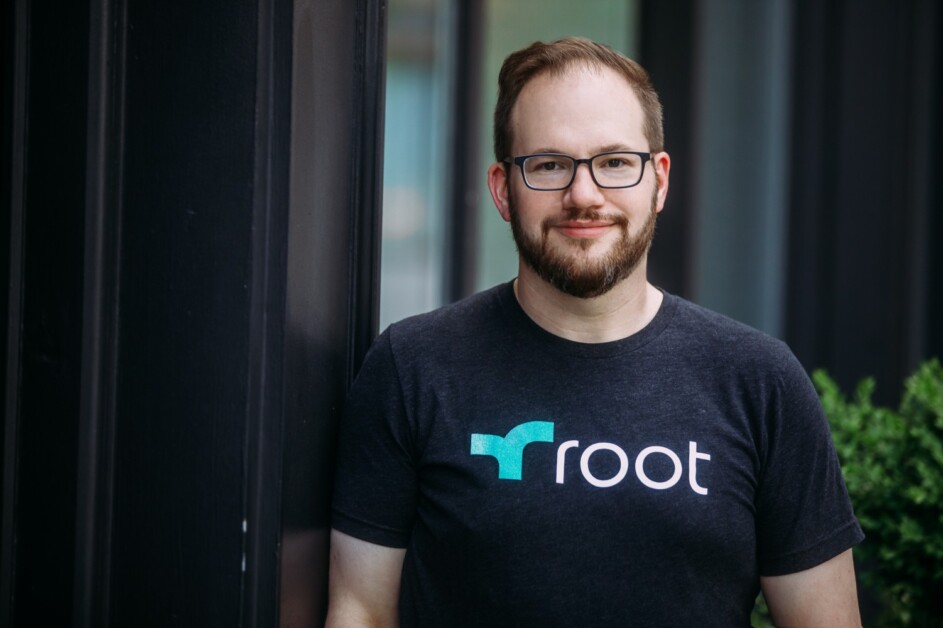
Ian Riopel Wants Software Security to Fix the Problem, Not Forward the Ticket
After years spent watching security teams produce longer lists of vulnerabilities, the Root co-founder made a different bet: patch the software, preserve the workflow, and give developers their time back.
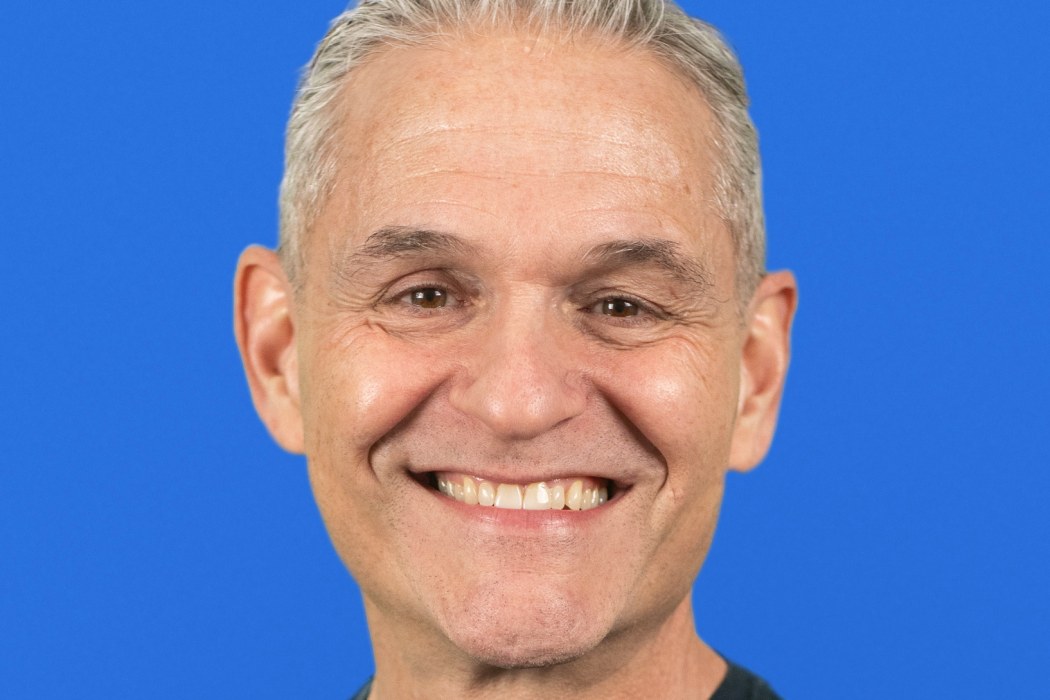
Glenn Weinstein
Glenn Weinstein is the CEO of Cloudsmith, the cloud-native software supply chain platform headquartered in Belfast, Northern Ireland. A U.S. Naval Academy graduate and former naval flight officer who learned to code on a Commodore 64, he co-founded the cloud consultancy Appirio (sold to Wipro for $500M) and spent four years as Chief Customer Officer at Twilio before relocating from New York to Belfast in 2023 to lead Cloudsmith. Under his leadership Cloudsmith raised a $72M Series C in April 2026, positioning the company to secure software supply chains in the age of AI coding agents.
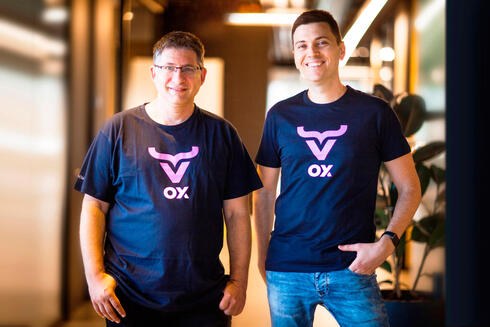
Neatsun Ziv
Neatsun Ziv is the co-founder and CEO of OX Security, an application security posture management company he started in 2021 with fellow Check Point veteran Lior Arzi after the SolarWinds breach. OX raised a $60M Series B in May 2025, bringing total funding to about $101.5M, and pitches a platform that culls the roughly 5% of code and pipeline risks that developers actually need to fix. Before OX, Ziv ran Threat Prevention & Intelligence at Check Point, where his team helped coordinate responses to NotPetya, SolarWinds and other campaigns with Interpol and national CERTs.
Roni Fuchs
Roni Fuchs is the co-founder and CEO of Legit Security, an application security posture management (ASPM) company protecting software supply chains for customers including Google, NYSE, Kraft Heinz and Palo Alto Networks. A Unit 8200 veteran who grew up in Jaffa, he founded Legit in 2020 with two IDF comrades after stints at Microsoft (via Aorato) and Checkmarx (via his prior startup Lumobit). Legit has raised roughly $80.5M through Series B.
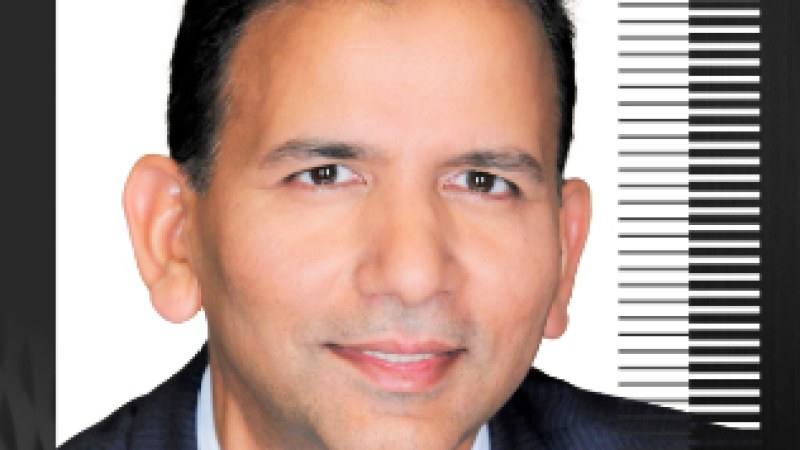
Bhagwat Swaroop
Bhagwat Swaroop is the CEO of Sonatype, the software supply chain security company behind the Nexus platform and the world's largest repository of open source component intelligence. Appointed in July 2025, he brings nearly 30 years of cybersecurity and enterprise software leadership from Entrust, One Identity, Proofpoint, Symantec, NetApp, McKinsey, and Intel. Armed with an MBA from Wharton and an MS in Electrical Engineering from Arizona State, Swaroop is betting that developers - not perimeter firewalls - are the new front line of cybersecurity, and he's building Sonatype's AI-powered platform to prove it.
Shlomi Ben Haim
Shlomi Ben Haim is the co-founder, CEO and Chairman of JFrog, the Sunnyvale and Israel based company that built Artifactory and turned the unglamorous business of storing binaries into a Nasdaq listed platform for the software supply chain. A former Israeli Air Force major who spent twelve years in uniform before running AlphaCSP, he has led JFrog since 2008 with a slogan engineers actually quote back at him: liquid software, continuous updates, zero downtime.
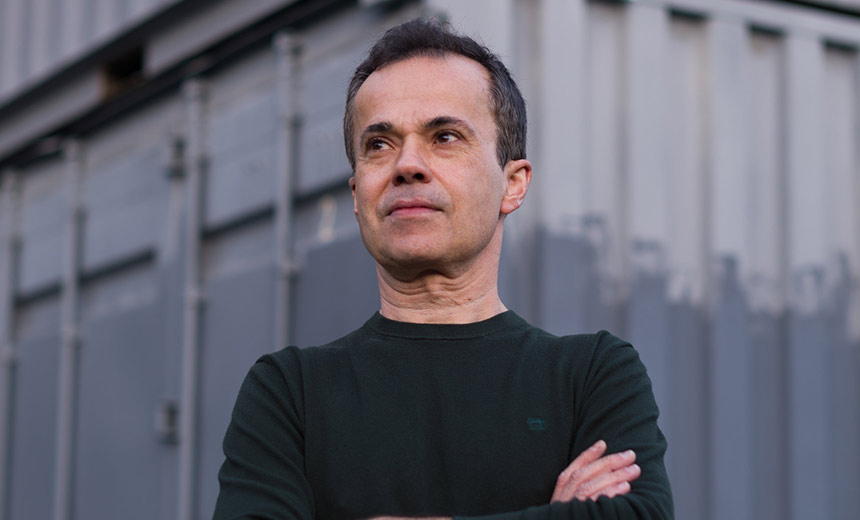
Mehran Farimani
Mehran Farimani is the co-founder and CEO of RapidFort, a Sunnyvale-based software supply chain security company that raised a $42M Series A in February 2026. A 25-year technology veteran, Mehran previously led the Fiery division at Electronics for Imaging (EFI) as SVP & GM, then founded Percipo—a computer vision AI company whose technology reached 40,000+ retail locations. At RapidFort, he is pioneering the category of Software Attack Surface Management (SASM), helping organizations automatically harden container images and eliminate up to 80% of CVEs through runtime-aware profiling, without touching a single line of application code.
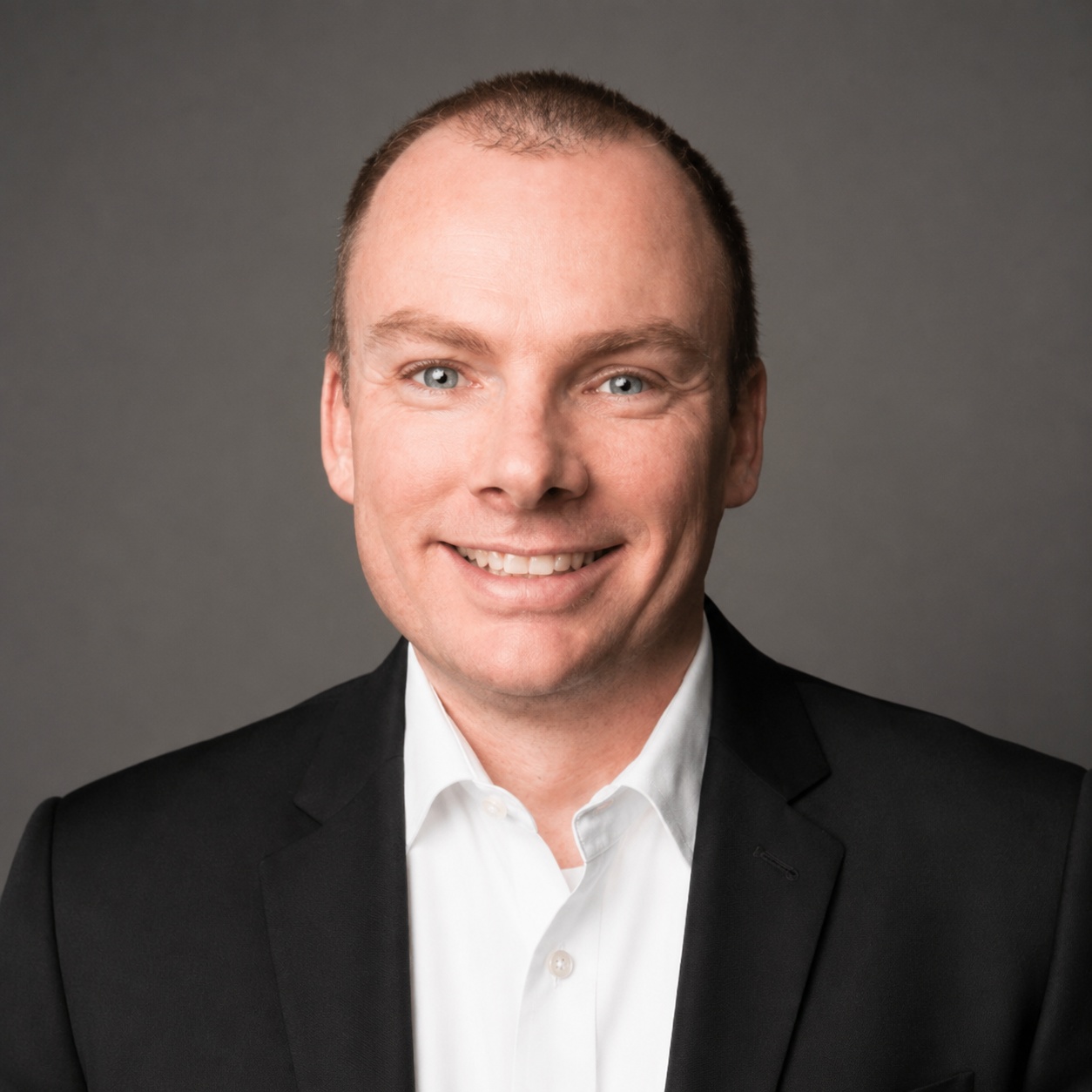
Aaron Williams
Aaron Williams is CEO of FOSSA, the San Francisco software supply chain risk management company that watches the open source dependencies inside enterprise code. He arrived in 2022 as VP of Marketing, was promoted to CMO, and stepped into the top job when founder Kevin Wang moved to Chairman. Two Case Western degrees, twenty-plus years of developer marketing at Sun Microsystems, D2iQ, OmniSci, HEAVY.ai and Civis Analytics, and a long habit of building technical communities around tools engineers actually use.
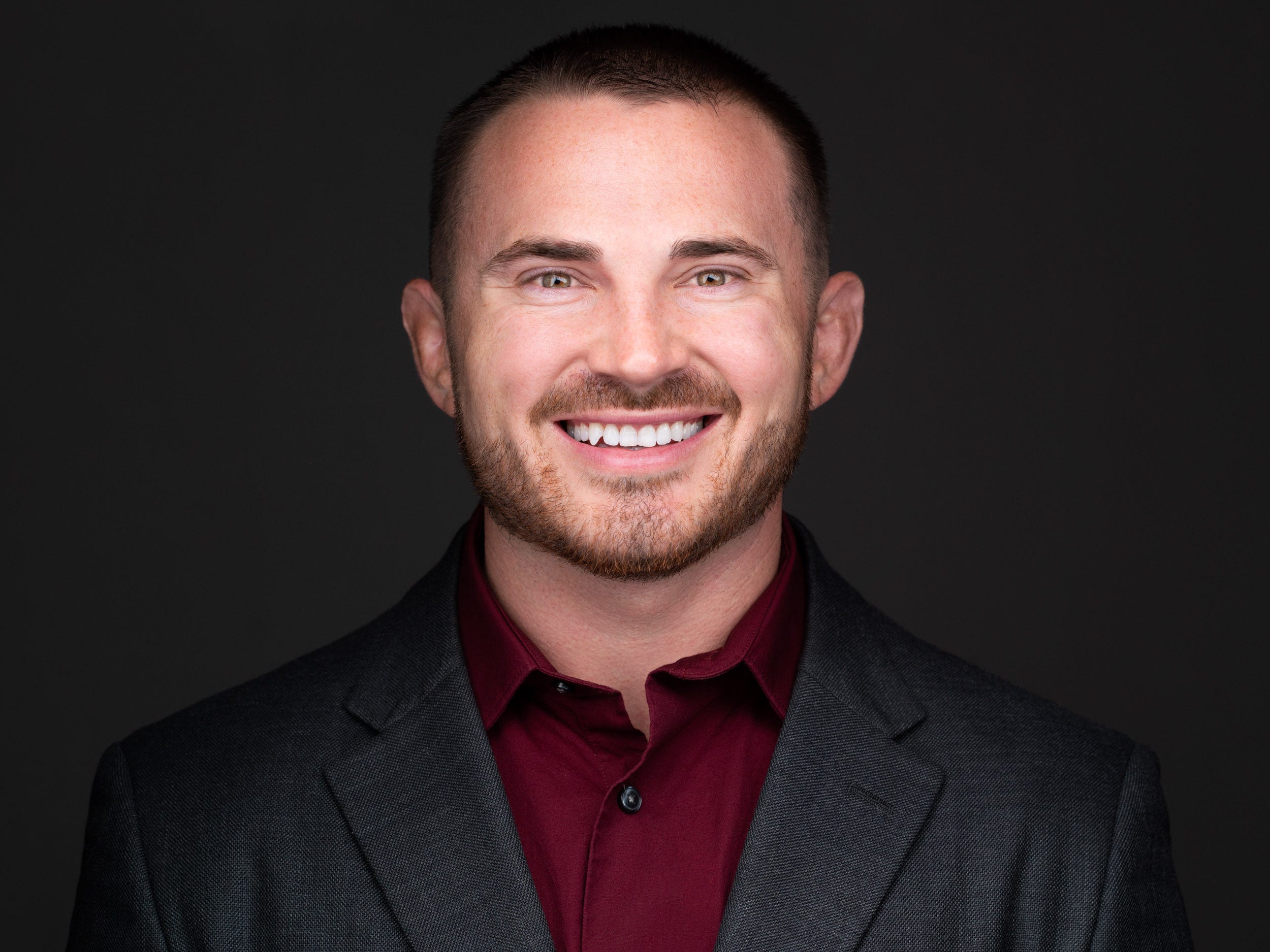
Chris Hughes
Chris Hughes is a U.S. Air Force veteran, co-founder and president of Aquia Inc., VP of Security Strategy at Zenity, and the founder of Resilient Cyber - a cybersecurity newsletter and podcast with 31,000+ subscribers. A three-time Wiley/Springer author, inaugural CISA Cyber Innovation Fellow, and adjunct professor at two universities, Hughes has become one of the most influential voices on software supply chain security, vulnerability management, and agentic AI security.