support-automation
(29)
DocsBot AI Has Read the Manual. Now It Answers the Phone.
DocsBot began as a tidy answer to repetitive support questions. Three years later, it can search 38-plus source types, run approved actions, work inside Slack, and pick up a phone call - while still living or dying by the quality of your documentation.

Zowie Gives the Chatbot a Rulebook and a Real Job
Zowie wants customer-service AI to do more than compose a pleasant reply. Its pitch is built for the awkward, expensive middle of support: follow the policy, touch the right system, show the work, and know when a person should take over.
Mosaic AI Narrowed Its Bet - Then One Customer Found $375,000 in the Support Queue
Generic copilots know the manual. Mosaic AI wants to know the customer, the configuration and the last five tickets - a narrower bet that turned scattered support data into measurable capacity for enterprise teams.
The Support Desk That Became a Global Operating System
SupportYourApp grew from a three-person software help desk into a 1,500-plus-person support operation. Its next act is less like a call center and more like a human-and-AI operating layer for global tech companies.
Threado
A community-management dashboard that turned itself into a support AI - how two ex-Zomato builders taught software to answer the questions people keep asking.
TeamSupport
The Dallas software company spent 16 years building customer support for businesses that sell to other businesses. Now it wants those support tickets to tell you which customers are about to leave - and which are ready to buy more.
Stonly
How two Dashlane veterans turned the frustration of writing a help article nobody reads into a knowledge platform that answers back.
Thena
The B2B support desk quietly moved into Slack. Thena is the company betting the whole ticketing stack should move with it.

Capacity vs Microsoft in the Fight to Kill the Support Ticket
Enterprise support is being rebuilt around AI agents. On one side, a St. Louis specialist that crossed $100M in recurring revenue; on the other, the largest software company alive shipping the same feature straight into Copilot.
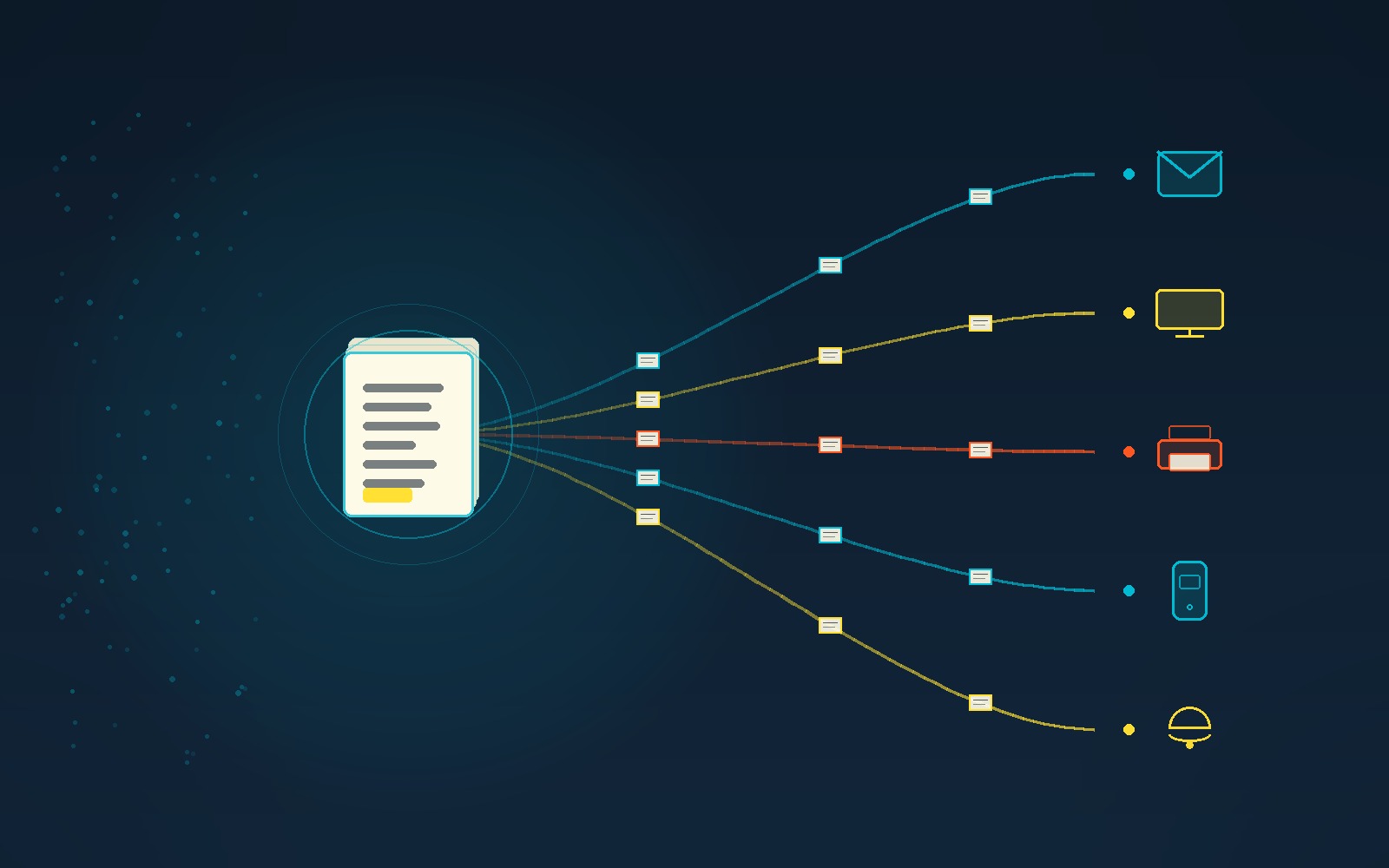
Capacity Wants to Make the Support Ticket Disappear
The St. Louis company raised more than $155 million, turned profitable at $60 million in annual recurring revenue, and is pitching itself as the AI layer that answers questions before a ticket is ever opened - a direct shot at incumbents like Freshworks.
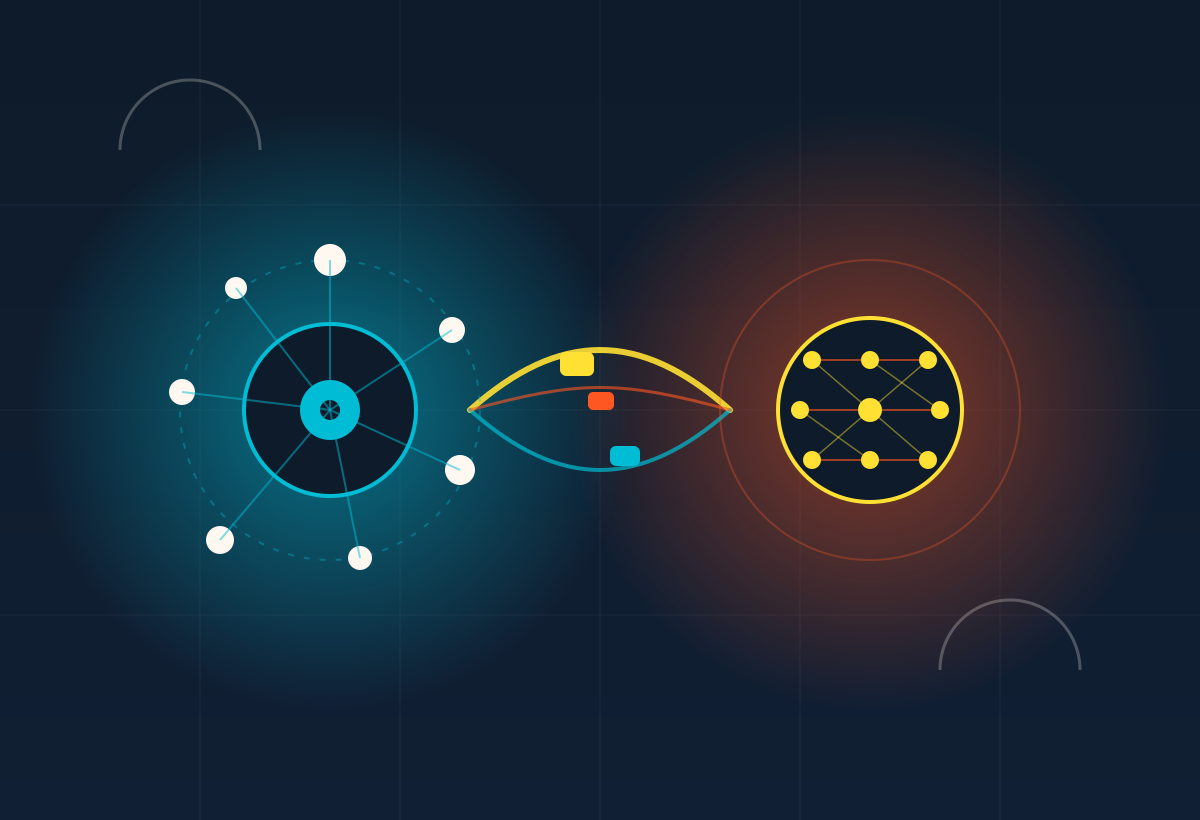
Capacity vs. Maven AGI, Two Ways to Kill the Support Ticket
One company bought its way to 20,000 customers. The other raised $78 million to build a single autonomous agent. Both want to end the support ticket - they just disagree on how.
Kayako
Founded by a 17-year-old college dropout in small-town India, bootstrapped past $10 million in revenue, name-checked in Zendesk's IPO filing - and now betting its second act on an AI agent named Kay.
Groove
For a decade Groove sold the un-flashy help desk small teams actually wanted - a shared inbox, a knowledge base, and a founder who published the company's revenue for the world to read.
Intercom
Intercom is an AI-first customer service company best known for Fin, its AI agent that resolves customer support conversations automatically. Founded in 2011 by four Irish engineers in San Francisco, the company rebuilt itself around large language models after ChatGPT launched, shipping Fin in 2023. By 2026 Fin was resolving more than a million tickets a week for customers like Anthropic, DoorDash and Mercury, and in May 2026 the parent company rebranded itself Fin to reflect that the AI agent had become the core business.
Capacity
Capacity is a St. Louis-based AI support automation company whose unified CX platform uses agentic and generative AI to deflect support tickets, emails, and calls while assisting human agents in real time. Founded in 2017 by David Karandish and Chris Sims - the team behind the $900M+ sale of Answers - Capacity serves more than 20,000 organizations including Disney, NVIDIA, and American Express, and crossed $60M in annual recurring revenue in 2025.

Six Ways AI Is Rewriting the Customer Support Desk
HappyFox, Oracle, Supportbench, Pylon, Microsoft and USU all promise smarter service. Their real differences reveal the six decisions every support leader must make before buying.

Six Help Desks and the Price of Choosing Wrong
Deskpro, Text, Help Scout, SupportBee, Kayako and InvGate all promise order. The useful question is not which has the longest feature list, but which kind of support operation you actually intend to run.
Intryc
Intryc is an AI-powered quality assurance platform for customer support teams. It evaluates up to 100% of support interactions in real time - human and AI-handled - using customizable scorecards, sampling rules and LLM-driven analysis, then turns those evaluations into coaching, training simulations and performance insights. Founded in 2023 by three ex-Revolut, Confluent, Amazon and Meta operators, Intryc went through Y Combinator's S24 batch and raised a $3.1M oversubscribed seed round in early 2025.

Yuma AI
Yuma AI is an AI customer service platform for ecommerce brands, using autonomous AI agents to resolve support, sales, social, and chat conversations end to end. Built for large Shopify merchants and plugged into helpdesks like Gorgias, Zendesk, and Kustomer, Yuma automates the bulk of repetitive tickets - order status, returns, refunds, subscriptions - while keeping brand voice and guardrails intact. Founded in late 2022 by three-time YC founder Guillaume Luccisano, the company went through Y Combinator's W23 batch and raised a $5M seed round.
Deskpro
Deskpro is a helpdesk and customer support platform that unifies email, live chat, voice, social media, SMS and WhatsApp into a single ticketing system. Founded in 2001 and bootstrapped for over two decades, it stands out by offering both cloud and on-premise deployment, making it a fit for regulated and privacy-sensitive organizations that need to keep support data in their own environments. In June 2024 it raised a $25M Series A from Elsewhere Partners, appointed Brad Murdoch as CEO, and opened a global headquarters in Austin, Texas.

PixieBrix
PixieBrix is a New York-based software company that started as a low-code browser extension for customizing and automating web apps, and has evolved into a browser-native platform for monitoring, guiding, and securing the actions people and AI agents take inside their web applications. Deployed as a lightweight Chrome/Edge extension, it lets teams add context-aware automations, AI assistance, and real-time policy enforcement on top of any website - originally aimed at customer support and contact-center productivity, and more recently at agent oversight, compliance, and safe AI-agent browsing.
Tymely
Tymely is an AI customer service agent built for eCommerce and retail brands. It resolves complex support tickets end-to-end - refunds, partial-order exchanges, address changes and more - across email and chat, aiming for human-grade quality while cutting support costs. Founded in 2021 by NLP researchers Ohad Rozen and Roy Penn, Tymely reverse-engineers how a brand's best agents reason, so its AI can handle tickets that generic chatbots pass back to humans, claiming roughly 80% ticket coverage and measurable CSAT gains.

Applied Labs
Applied Labs is a New York-based AI company building on-brand, omnichannel AI agents that handle customer support and operational workflows across chat, email, voice, SMS, Slack and social channels. Founded in 2024 by former Scale AI operators Michael Woo and Soham Waychal, the company pairs AI efficiency with human judgment and pitches honest, verifiable resolution metrics over the inflated claims common in the AI support market. Its platform spans AI agents, an AI-native help desk, CRM, voice and analytics, sold on outcome-based pricing rather than per-seat fees.

AptEdge
AptEdge is a B2B SaaS company building an AI-native support platform for technical customer service teams. Its answer engine, AnswerGPT, connects to the tools where enterprise knowledge already lives - Salesforce, Zendesk, ServiceNow, Jira, Confluence, SharePoint, Slack and more - and uses retrieval-augmented generation to turn scattered documents and past tickets into concise, grounded answers for support agents and customers. Founded in 2020 by former AppDynamics leaders Aakrit Prasad and Anthony Kilman, the company says it cuts time-to-answer for agents and counts Cisco, Everbridge and Hexagon among its customers. It raised an $11M seed+ round in June 2023 led by Stage 2 Capital.
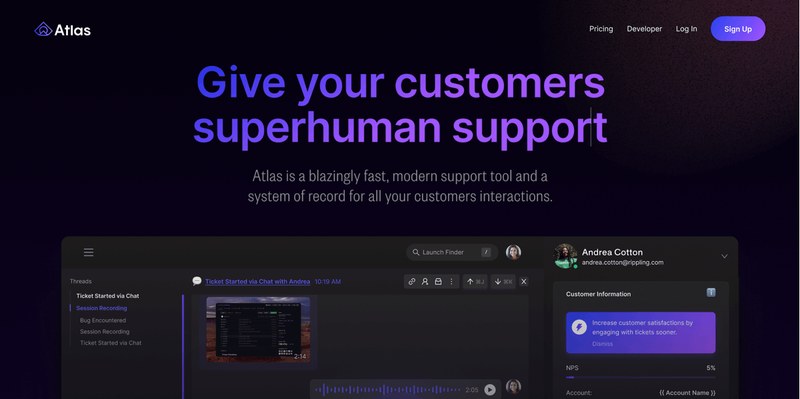
Atlas
Atlas is an AI-first customer support platform that pitches itself as a modern replacement for Intercom and Zendesk. It combines ticketing, an omnichannel inbox (chat, email, WhatsApp, SMS, Slack Connect, Discord), session recording, customer timelines, a help center and AI agents (Autopilot and Copilot) so support teams can resolve issues faster by understanding customers more completely. Founded in 2021 by Jon O'Bryan and Rahul Asati and backed by Y Combinator (W22), Atlas is built around the idea that great support drives growth rather than being a cost center.

QueryPal
QueryPal is a San Francisco-based enterprise AI company building agentic customer-support software that resolves tickets rather than just deflecting them. Founded by Dev Nag - the former founder and CTO of Wavefront (acquired by VMware) - the company turns a company's existing documentation, past tickets and internal systems into an AI layer that drafts email replies, powers self-serve chat and autonomously resolves issues, while keeping SOC 2 Type II and GDPR-grade security. Originally launched as CtrlStack with $5.2M in seed funding co-led by Sequoia Capital and Engineering Capital, QueryPal pitches itself as 'the human knowledge layer for secure AI.'

Jon O'Bryan
Jon O'Bryan is the CEO and Co-founder of Atlas (YC W22), an AI-first customer support platform built to replace legacy tools like Zendesk and Intercom. A PhD physicist turned serial entrepreneur, Jon previously co-founded PadSplit - a co-living marketplace that housed 23,000 people across 18 U.S. cities - and Blanket Homes. At Atlas, he is on a mission to transform customer support from a cost center into a revenue driver, bringing together session recording, omnichannel ticketing, AI copilot, and customer timeline tools in a single ergonomic platform backed by Y Combinator and angel investors including Parker Conrad (Rippling), Jack Altman (Lattice), and Arash Ferdowsi (Dropbox).
wrrk
wrrk is an Austin-based customer-experience company that builds and runs fully-managed support organizations for high-growth brands. It blends vetted USA-based and Philippines-based agents with tooling and automation to deliver omnichannel customer service - phone, chat, email, SMS, social and marketplace - so startups and consumer brands get the reliability of an in-house team with the flexibility of an outsourced one. wrrk supports 125+ brands including Bombas, Supergoop, Taylor Stitch, Momofuku and AllTrails.
DevRev
DevRev is an AI-native platform that merges customer support, product, and growth into a single system. Built around a real-time knowledge graph and a fleet of AI agents called AgentOS, it replaces the seams between CRM, ticketing, and product tools so SaaS companies can ship faster and respond smarter.