home-goods
(25)
Kohl’s needs a reason to visit. Then a reason to stay.
Amazon returns bring people through the door. Sephora gives them a destination. Kohl’s next challenge is making the rest of the shopping trip earn its place.
Macy's is learning to think smaller
The store that taught America to shop is pruning its footprint and putting people back on the floor. Its turnaround asks a deceptively simple question: how much department store do customers actually want?

Dillard’s knows what to keep
A department store can sell more and keep less. Dillard’s offers a useful lesson in the opposite ambition: protecting the value of what passes through the till.

Caraway Home sells the pan. The cupboard closes the deal.
A ceramic cookware brand found room between kitchen equipment and home decor. Its revealing invention may be the place it gives every pot when dinner is over.

Italic wants you to pay for the towel, not the name
The factory-direct retailer set out to remove luxury’s label premium. Its harder lesson was learning which products, prices, and promises deserved to stay.
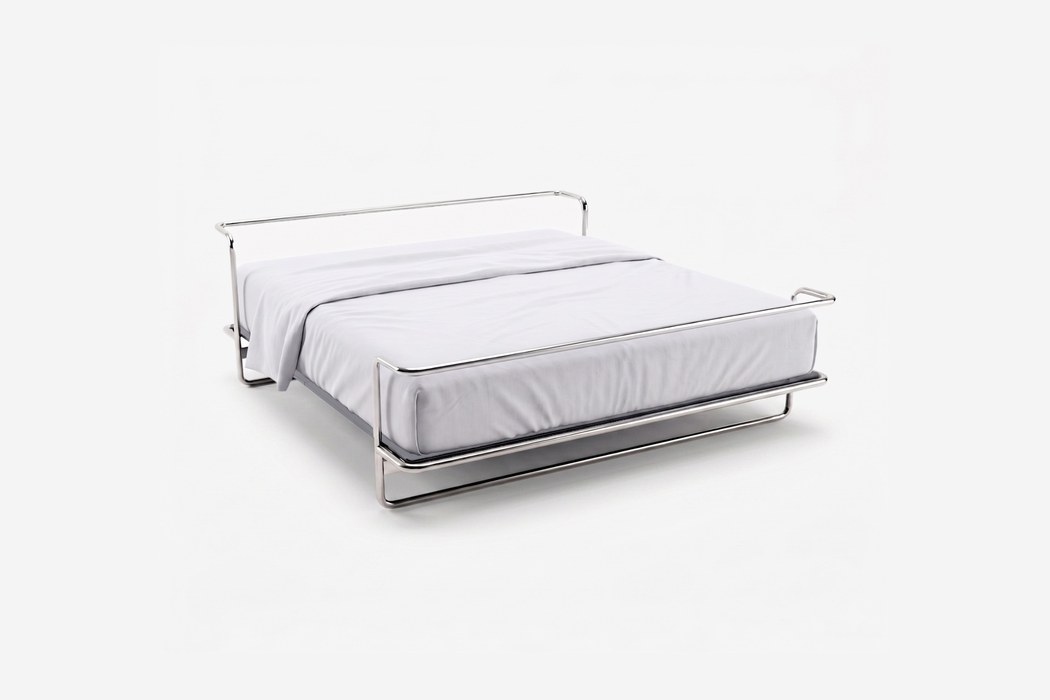
The Price of a Chair Is a Story About the Trip
The Essential started by trying to change the grocery aisle. Now it asks a quieter question of furniture: what happens to the price when the chair travels from its maker to your door?

La Cobacha sells the microphone. And the kitchen sink’s neighbors.
In San Martín, Argentina, an audio retailer has made room for guitars, gaming gear and cookware. Its sprawling catalog shows how a specialist shop can serve more of everyday life.
The 500-Card Bet That Became a Catalog Empire
Silver Star Brands began with a borrowed $500, a phone book and personalized Christmas cards mailed to 500 Johnson families. Ninety years later, the Oshkosh retailer is still turning overlooked household needs into a multi-brand direct-to-consumer machine.
The Hardest Part of Selling a Sofa Is Everything After the Click
Wayfair built a $12.5 billion business by making 40 million home products feel browsable - then taking responsibility for the awkward journey from a supplier's warehouse to a customer's living room.
Sur La Table
The 1972 Pike Place kitchen shop that turned selling whisks into teaching dinner - and survived a pandemic bankruptcy by betting the store on the class.

Lifetime Brands
The company behind Farberware gadgets, Mikasa plates and S’well bottles has spent decades turning the kitchen drawer into a portfolio business. Now its next act depends as much on logistics and tariffs as it does on taste.
America's Thrift Stores
America's Thrift Stores built a regional retail machine out of the things people no longer want. Its real product is not merely secondhand goods - it is a fast, organized loop connecting closets, store floors, bargain hunters, charities and the waste stream.
Bealls, Inc.
Bealls, Inc. is a privately held, family-owned off-price retailer founded in Bradenton, Florida in 1915. Now in its fourth generation of Beall family leadership, the company operates more than 650 stores across roughly 23 states under the bealls, Bealls Florida and Home Centric banners, along with e-commerce sites. It employs about 14,000 people and generates annual sales of roughly $2-3 billion by outfitting value-minded families with branded apparel, footwear, accessories and home merchandise at prices marked well below traditional retail.
Belk
Belk is a privately held American department store chain founded in 1888 by William Henry Belk in Monroe, North Carolina. Headquartered in Charlotte, it operates roughly 290 stores across about 16 Southeastern states plus belk.com, selling mid-priced national and private-label apparel, shoes, cosmetics, jewelry, accessories and home goods. Marketed under the tagline 'Modern. Southern. Style.,' Belk blends a 130-plus-year Southern retail heritage with an omnichannel model and a portfolio of exclusive private brands.
Century 21 Stores
Century 21 Stores is a New York City off-price fashion retailer, founded in 1961, known for selling designer and luxury apparel, footwear, handbags and accessories at deep discounts. After filing for bankruptcy and closing all 13 locations in 2020 amid the COVID-19 pandemic, the Gindi family reacquired the brand and reopened its Financial District flagship at 22 Cortlandt Street in May 2023. Rebranded 'Century 21 NYC,' the retailer pairs its trademark 'treasure hunt' in-store experience with a growing e-commerce presence, live shopping and a TikTok Shop.

FULLBEAUTY Brands
FULLBEAUTY Brands is a New York-based online retailer and holding company dedicated to plus-size and extended-size fashion for women and men. Tracing its roots to 1901, it operates a portfolio of 15+ brands - including Woman Within, Roaman's, Catherines, Jessica London, ELOQUII, CUUP, Swimsuits For All, KingSize, Avenue, Dia & Co and BrylaneHome - serving customers in sizes 12 and up with apparel, intimates, swimwear, shoes, accessories, beauty and home goods. Once a catalog mail-order pioneer, the company now positions itself as a digital-first destination and marketplace for inclusive fashion.
Kohl's
Kohl's is one of the largest department store chains in the United States, operating roughly 1,100 off-mall stores across 49 states plus Kohls.com. Founded in Wisconsin, it sells moderately priced apparel, footwear, accessories, beauty, and home goods to value-conscious families, anchored by its Kohl's Cash and Kohl's Rewards loyalty programs. In recent years it has leaned on partnerships - hosting Sephora shops inside its stores and accepting Amazon returns - to drive traffic while working to reverse a multi-year sales decline.
L.L.Bean
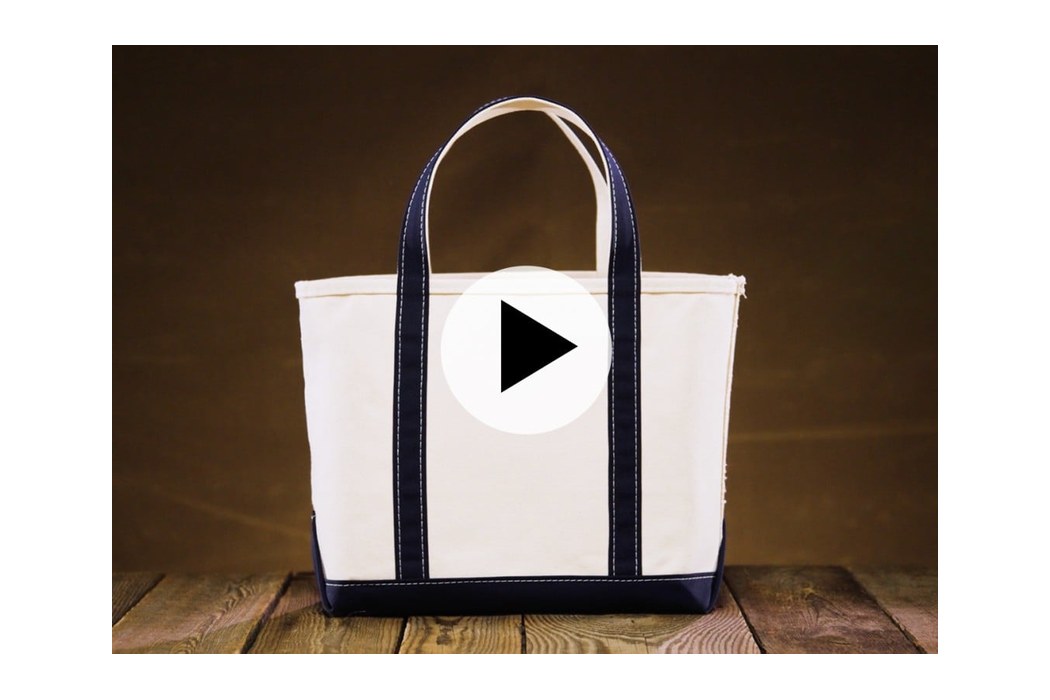
L.L.Bean is a family-owned outdoor apparel, footwear and gear retailer founded in Freeport, Maine in 1912. Built on the Maine Hunting Shoe (the Bean Boot) and a mail-order catalog, it has grown into an omnichannel brand selling clothing, footwear, camping and fishing equipment, and home goods across retail stores, catalogs, telephone and online channels, with roughly $1.7-1.8 billion in annual revenue. The company pairs product sales with its Outdoor Discovery Programs, which teach skills like kayaking, fly casting and archery, and a mission of getting people outside.
Macy's
Macy's is one of America's best-known department store chains, founded in 1858 by Rowland Hussey Macy in New York City and now the flagship nameplate of Macy's, Inc. (NYSE: M). The company sells apparel, accessories, beauty, cosmetics, footwear and home goods across roughly 450 stores and macys.com, and also operates the higher-end Bloomingdale's and the beauty specialty chain Bluemercury. Anchored by its Herald Square flagship and cultural touchstones like the Macy's Thanksgiving Day Parade and Fourth of July fireworks, Macy's is executing a multiyear turnaround called the 'Bold New Chapter' under CEO Tony Spring.
Oscar de la Renta
Oscar de la Renta is a New York luxury fashion house founded in 1965 by the Dominican-American couturier of the same name. Known for feminine, occasion-driven evening wear and bridal gowns rooted in European couture craftsmanship, the brand designs ready-to-wear, accessories, handbags, jewelry, fragrances and home goods. It has dressed first ladies, celebrities and society clients for six decades and today operates as a private, family-run business led by CEO Alex Bolen, selling through boutiques, department stores and its own e-commerce.

CSC Generation
CSC Generation is an AI-native retail holding company that acquires struggling store- and catalog-based brands and rebuilds them as profitable, digital-first businesses using its proprietary technology platform, Genesis. Founded in 2016 by Justin Yoshimura, the company operates a portfolio of more than a dozen consumer brands - including Sur La Table, One Kings Lane, Backcountry and Steep & Cheap - that together generate over $1 billion in combined revenue. Rather than liquidating distressed retailers, CSC folds them into a shared operating system of data, automation and AI operators, aiming to lift profitability quickly after each acquisition.

Pattern Brands
Pattern Brands is a New York-based family of consumer home brands built around a single mission: helping people enjoy daily life. Founded in 2019 by the team behind the influential agency Gin Lane, Pattern acquires, operates, and grows leading Shopify-based home and lifestyle brands on one shared operating platform - pairing in-house operational expertise with the design sensibility that helped launch dozens of well-known DTC companies. Its portfolio has included GIR, Equal Parts, Open Spaces, Letterfolk, Yield, Poketo, Onsen, and Miracle Made.

Nicholas Ling
Nicholas Ling is the co-founder and CEO of Pattern Brands, a New York house of direct-to-consumer home goods brands. A physics graduate turned consultant turned brand builder, he ran the branding agency Gin Lane, which helped launch the likes of Harry's, Hims and Stadium Goods, before closing it in 2019 to build and acquire his own portfolio of brands including Open Spaces, Equal Parts, GIR, Yield, Letterfolk and Poketo. He pairs analytical rigor with a mission rooted in helping people enjoy time at home.

Quince
Quince is a San Francisco e-commerce company that sells luxury-grade essentials - Mongolian cashmere, washable silk, Italian leather, Turkish cotton - at prices that look like typos. It does this by skipping the wholesale layer entirely and shipping straight from partner factories using its own Manufacturer-to-Consumer (M2C) operating system.
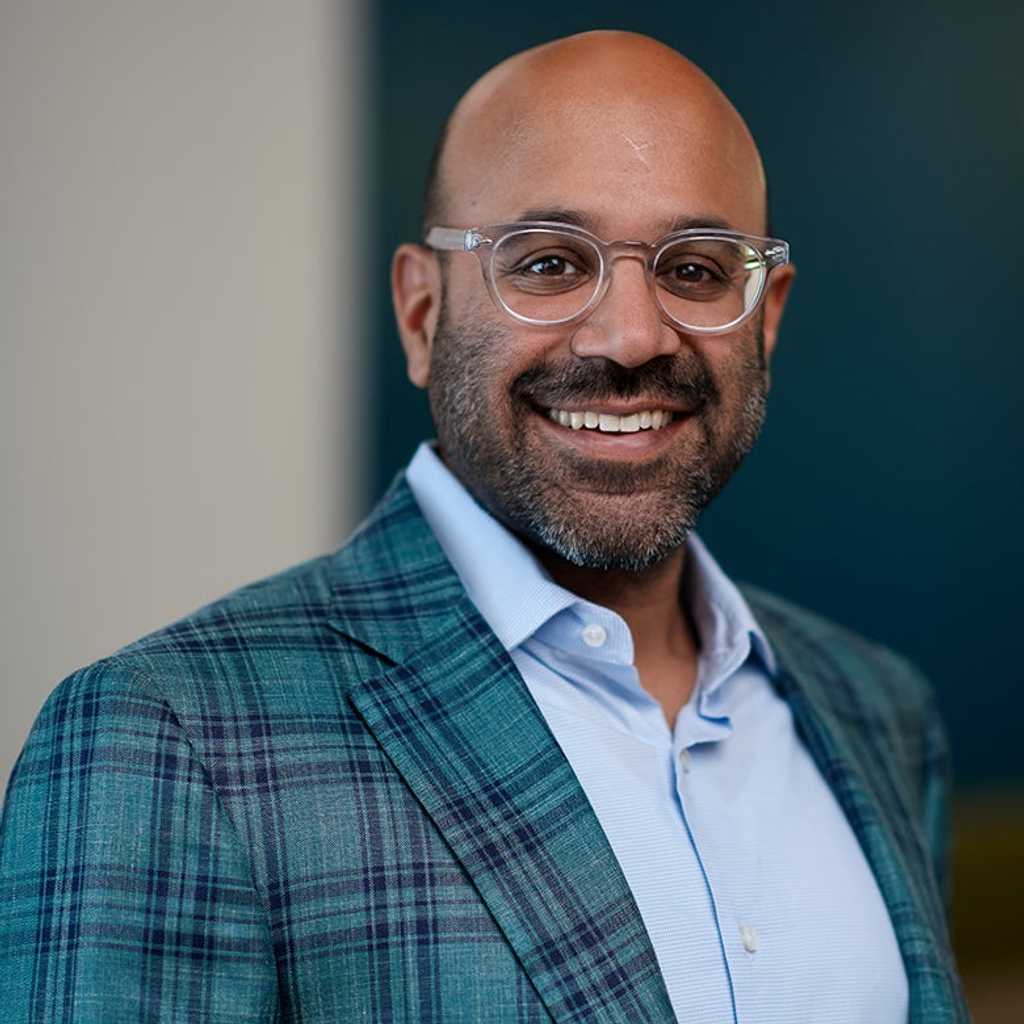
Niraj Shah
Niraj Shah is the CEO, Co-Founder, and Co-Chairman of Wayfair, Inc. (NYSE: W), the largest online home furnishings retailer in the United States. Starting from a spare bedroom with a TV-stand website in 2002, he and co-founder Steve Conine built a portfolio of 200+ niche e-commerce sites before consolidating into the Wayfair brand in 2011 and taking the company public in 2014. Known for his data-driven management style, demanding work ethic, and long-term vision, Shah has grown Wayfair to $12.5 billion in annual revenue and returned it to operating profitability in 2025.