He spent four and a half years branding everyone else’s startups. Then he shut the agency down and started keeping the brands for himself.
Nick Ling. The spreadsheet behind the vibe.
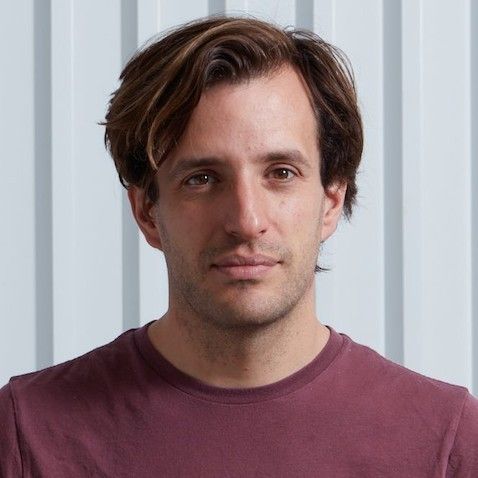
Walk into the Poketo flagship in Santa Monica and the lighting is warm, the tones are cream, and nothing about it feels like a store. That is on purpose. The man who signed off on those cream tones once studied physics at Oxford, then spent his twenties at the Boston Consulting Group running the numbers for other people’s problems. Nicholas Ling now runs Pattern Brands, a New York company that does something quietly contrarian in the consumer world: it does not start brands. It buys the ones people already love and makes them bigger.
Pattern is a house of home-goods brands - GIR, Open Spaces, Equal Parts, Yield, Letterfolk and Poketo all live under one roof. Ling’s job is the part nobody puts on a mood board: the cap table, the supply chain, the wholesale deal that lands GIR spatulas in Trader Joe’s, the decision about which channel to open next. He calls it building the backbone that lets creativity emerge.
His framing of the whole enterprise is almost suspiciously simple. “We’re not selling products,” he has said. “We’re selling a way to use your time.” For a company that sells dish towels and desk organizers, that is a big claim. Ling means it.
One of the most motivating things you can do in your life is to create something that matters to you. But it’s also the flip side of learning how to manage the emotional ups and downs of that journey.
Gin Lane was the studio that branded millennial life. If you bought a razor from Harry’s, a wellness product from Hims, a sneaker from Stadium Goods, or anything from AYR, you were probably looking at Gin Lane’s work. Ling, the Londoner who moved to the US and met creative co-founder Emmett Shine, supplied the business structure to Shine’s creative-first instinct. Over four and a half years they helped launch more than fifty companies.
Then, at the peak, they stopped. The founders kept seeing the same thing in themselves and their peers: burnout. The brands they helped build were brilliant at demanding attention. Nobody was building the thing that gave attention back. In 2019 they wound down Gin Lane and opened Pattern Brands with co-founder Suze Dowling, betting that the next decade of consumer goods would be about helping people enjoy the hours they were not working.
It was a strange move. Agencies do not usually walk away from a roster like that. But Ling had spent a career deciding when the math no longer favored the obvious path - and the math, here, favored owning the upside instead of billing for it.
Pattern’s model: find products consumers already love, then scale them across retail, web, Amazon and wholesale.
“If I was launching a new brand I’d wait. There’s just too much change in consumer behavior.”
“We’re very good at being able to create that backbone that allows the creativity to emerge.”
“It’s about being transparent towards our team, not pretending that we know the answer.”
Find products people already adore, then add distribution, retail and operations. Skip the cold start.
Pattern exists to help people enjoy time away from work - a direct answer to the burnout that ended Gin Lane.
When consumer behavior is volatile, the smart move is often to wait, measure, and resist the urge to spend.
SelfMade Stories sat down with Ling to trace the road from agency to operator.
► Watch on YouTube