digital-products
(27)
Matt Knox and the business that paid for the next idea
Before Wonderful built digital products for other brands, Matt Knox needed a way to keep his own startup going. His career keeps returning to a practical question: what can you make useful with what you already have?

Brian Moran and the value of the last click
He started by teaching baseball online, then built SamCart around the moment a customer pays. The harder adjustment was learning which job in his own company belonged to somebody else.
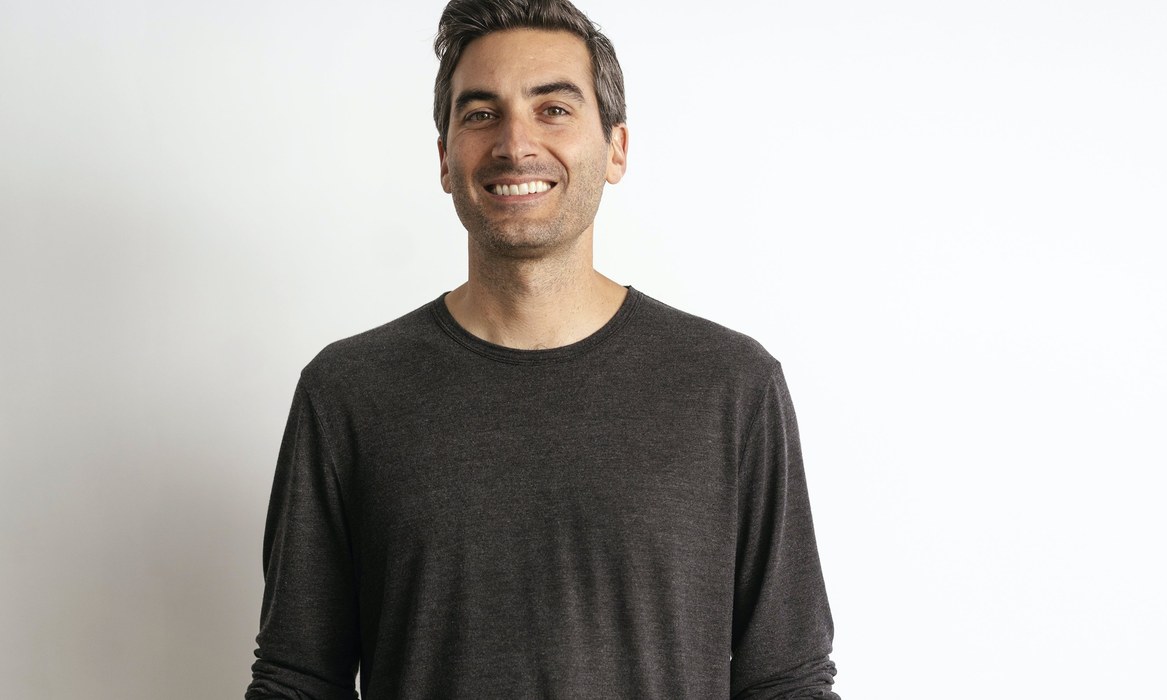
Chris Stang built a business out of other people’s dinner plans.
The Infatuation co-founder learned to build an audience in the music business, then gave that audience somewhere to eat. His route to Chase’s digital leadership runs through a fictional restaurant, five extra-loud Es, and a belief in useful advice.

John Gheur Keeps Making Room for Another Idea
From Hollywood’s early web campaigns to phone-sized holograms and a gallery with Poe, John Gheur has built a career around inviting people into the work.

Francis Wolff and the value of a broken checkout
Before he helped build Digistore24’s U.S. business, Francis Wolff was the customer fighting with the machinery. His career has become an argument for fixing the dull things - and getting the right people in the room.

Gumroad made small worth building.
A checkout link became a test of what a company is for. Gumroad survived by serving creators whose businesses were worth keeping, even when the venture math said otherwise.
ClickBank made the sale. Who gets the money?
A product, an audience, and a very particular split of the proceeds. Inside the Boise company that turns other people’s selling skills into an e-commerce business.

Hotmart made knowledge a business.
A tiny ebook sale in Belo Horizonte exposed a much bigger problem: getting paid for what you know. Hotmart built the machinery around that moment.

Faisal Younus and the business at the other end of a click
Before Pillar, there were debate tournaments, a mobile checkout project, and games of Call of Duty. Faisal Younus has spent his founder years working on what happens after someone pays attention.

The Freelancer Keeps the Fee. So What Does Contra Sell?
Contra offers freelancers an unusual bargain: keep the project fee, and use one place to show work, sign the deal and get paid. The trick is making a business from everything around that promise.

VCCP Sold After Three Years. Then It Kept Acting Like a Start-Up.
A kitchen-table agency won O2 on day one, sold for up to £30 million three years later, and somehow preserved its taste for wrong answers. Its trick is not rebellion for its own sake - it is making twenty specialties behave like one company.

Paddle puts a price on the paperwork: 5% + 50¢
Selling software worldwide is easy until the money arrives. Paddle takes a cut to handle the checkout, subscriptions and sales-tax obligations - a bargain whose value depends on what you would otherwise have to build.

The Nearshore Software Firm Betting Its Next Act on Engineers Who Conduct AI
Growth Acceleration Partners spent years selling proximity: senior Latin American engineers working in the same hours as U.S. clients. Now it is selling leverage - using AI agents to compress expensive software work while keeping humans on the hook for what ships.

Ahmed Hashim Kept the Drummer's Instinct - Then Built a Software Company to Last
Before AI became a boardroom reflex, Ahmed Hashim was measuring clicks, building Facebook apps and playing drums in Karachi. Sixteen years into Cygnis, his career reads like a study in rhythm: listen closely, find the signal and build for the next beat.

Arthur Alvarenga Built a Business Out of the Boring Parts of the Creator Economy
After five years building a neighborhood network that went nowhere, Arthur Alvarenga found a better business hiding in six hours of manual WhatsApp admin. Hubla grew from that narrow fix into the operating layer for Brazil's digital-product sellers.

Podia
The all-in-one platform where 15,000+ creators sell courses, coaching, and community - and keep the whole business under one roof.

Thinkific
How a lawyer's $29 LSAT course became a public 'learning commerce' company powering 35,000 course businesses.

Kajabi
Kajabi is the operating system for human expertise - helping real experts build, sell, and grow trusted businesses with clarity, momentum, and AI-powered support.
AppX
AppX is a Y Combinator-backed (S21) creator economy SaaS company from India that lets educators, influencers and content creators launch their own branded mobile apps and websites to sell courses, memberships, live classes and digital products - without writing code. It bundles course hosting, payments, community tools, DRM content security and marketing into a single console that creators fully own.

SamCart
SamCart is a SaaS checkout and direct-to-consumer selling platform built for digital creators, course sellers, coaches, and online entrepreneurs. Founded in 2014 by brothers Brian and Scott Moran, it turns a high-converting one-page checkout into a revenue engine with one-click upsells, order bumps, subscription recovery, and course hosting. Now repositioned as an AI-first 'digital business platform,' SamCart says it has helped 75,000+ sellers process billions in sales - focused on maximizing revenue per customer rather than simply driving more traffic.
Whop
Whop is a New York-based social commerce platform and marketplace where creators, influencers, and small businesses sell digital products, memberships, online courses, software, and access to private communities. Founded in 2021 by three friends who grew up building sneaker bots, Whop bundles storefront building, payments, community tools, and marketplace discovery into one no-code product. By early 2026 it had processed billions in cumulative sales, powered tens of thousands of sellers, and raised a $200M investment from Tether at a $1.6 billion valuation.

Hubla
Hubla is a Brazilian creator-economy platform that lets creators sell and manage digital products - online courses, memberships, mentorships, e-books and paid WhatsApp/Telegram communities - through an all-in-one checkout, payments and member-management system. Founded in 2020 as ChatPay and rebranded to Hubla in late 2021, the São Paulo company processes payments (PIX, card, boleto) and takes a fee on each sale. Backed by Kaszek and Y Combinator, it has grown into one of the country's larger 'Shopify for creators' players and is now leaning into AI sales agents.

Nas Company
Nas Company is the parent of the Nas Daily media brand and the creator-economy platforms Nas Academy and Nas.io, founded by viral one-minute video maker Nuseir Yassin. Its mission is to 'Bring People Together' by giving creators and community leaders the tools to teach, build memberships, sell digital products, and own their audience instead of renting it from social platforms. The ecosystem reaches hundreds of millions of people monthly and has raised more than $23M to date, beginning with an $11M Series A in 2021.
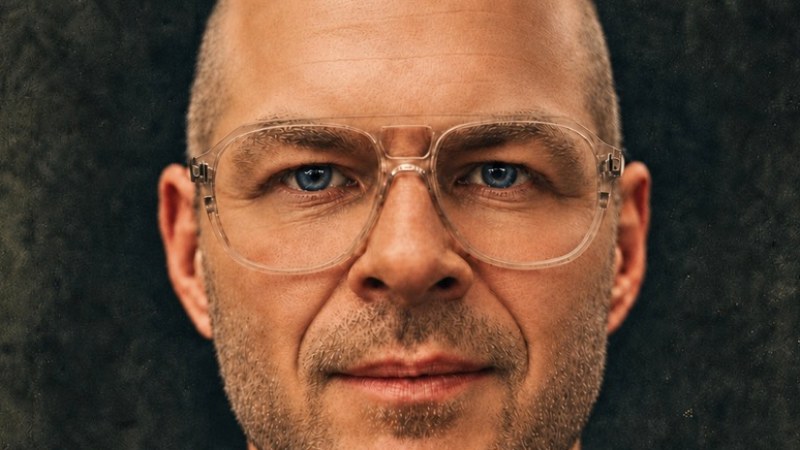
Justin Welsh
Justin Welsh is a writer and solopreneur who turned a 2019 burnout into one of the internet's most-studied one-person businesses. After scaling SaaS sales teams to nine figures, he walked away, moved to the Catskills, and started writing online daily. His business - powered by The Saturday Solopreneur newsletter, the LinkedIn Operating System, and a stack of self-serve digital products - has crossed roughly $10M+ in cumulative revenue at an ~89% margin with zero employees and zero ads.

Jack Butcher
Jack Butcher is a British-born graphic designer and entrepreneur who turned a $58 bank balance into a $1M+ annual business by packaging visual thinking into a personal media brand called Visualize Value. A former advertising creative director for Bloomberg and SapientNitro, he left agency life in 2018 to build a one-person empire of minimalist black-and-white visuals that distill complex business and life concepts into a single image. His signature framework, 'Build Once, Sell Twice,' made productizing expertise into digital products a mainstream creator strategy. He extended this philosophy into the NFT space, launching Checks VV (which surpassed Bored Ape Yacht Club in daily trading volume) and Opepen Edition (with $240M+ in total trading volume), earning exhibitions at Christie's, Sotheby's, and Art Basel.
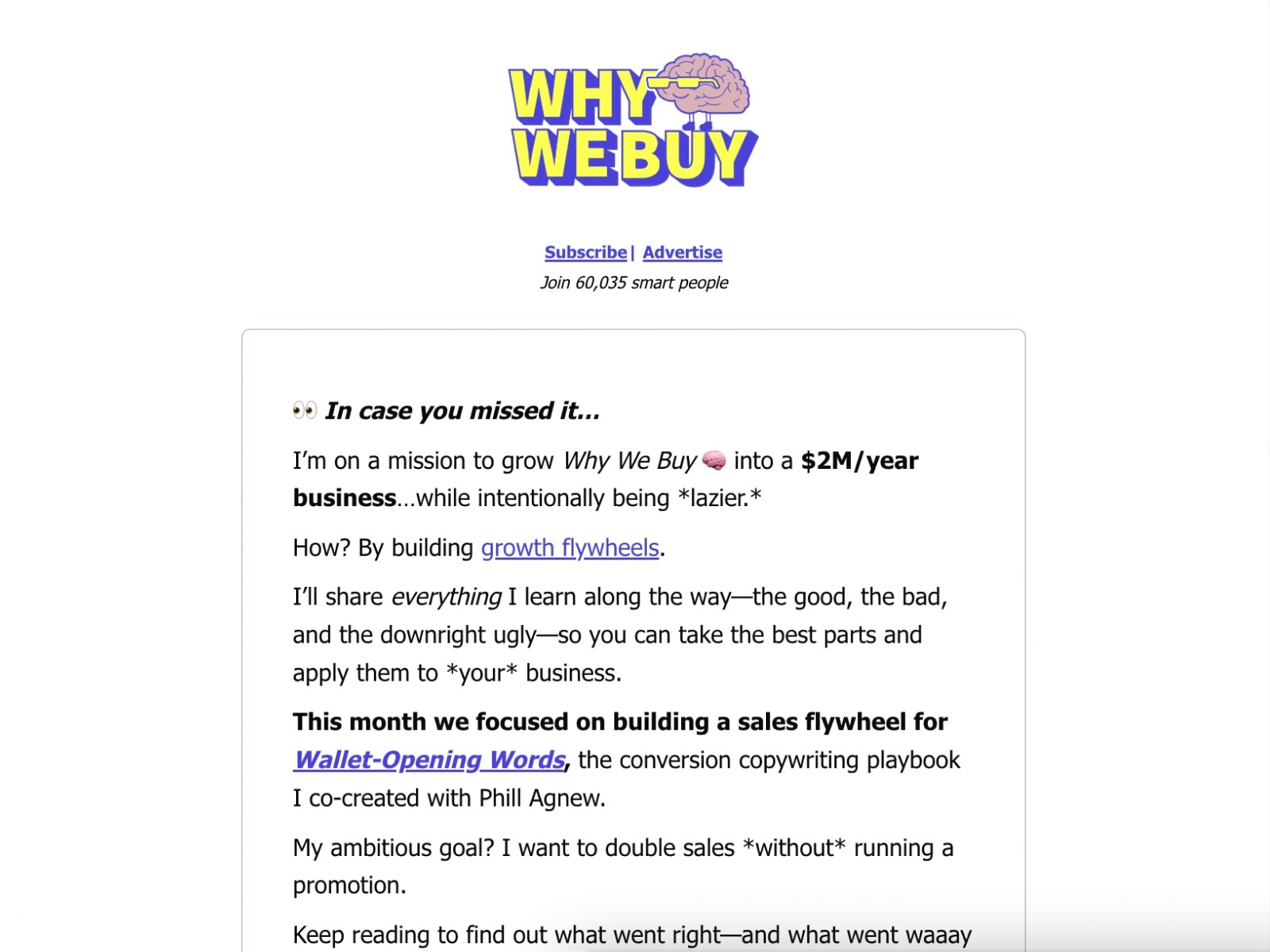
Katelyn Bourgoin
Katelyn Bourgoin is a Canadian serial entrepreneur and the creator of Why We Buy, a buyer psychology newsletter with 280,000+ subscribers that generates multi-seven-figure revenue. Known as 'The Customer Whisperer,' she spent years as a 4x founder - including a VC-backed startup that ended in bankruptcy - before turning her hard-won customer insight expertise into a media and education business. She teaches marketers to decode why people buy through her newsletter, digital products, and the wildly popular Un-Ignorable Challenge, which sold 200 spots in 6 minutes and generated $116,000 in a single launch.

Touseef Ikram
Touseef Ikram is a 20+ year marketing technologist, serial entrepreneur, and digital product leader currently serving as Associate Director of Digital Products at Interlink Multimedia (Geo TV / Jang Media Group) in Karachi. From building Pakistan's pre-Facebook social network Stop.pk (100K+ users) to helping HarPalGeo become the world's #1 YouTube channel for three consecutive months, he operates at the rare intersection of technology, marketing, and product thinking. He founded Taxlytics (open-data tax analytics), PakSatire.com (political satire animations), invented the GPLLG life-prediction framework, and secured a Google News Initiative grant — making him one of Pakistan's most quietly disruptive digital builders.