A meeting room is an unlikely place to look for the next chapter of a creative career. It comes with certain disadvantages: meetings, for a start. In Hollywood, John Gheur helped give one a more interesting occupation. A space previously used for thinking, experimenting and gathering around a table became Show Gallery. Art could arrive, stay awhile and make something happen.
The conversion offers a useful entrance into Gheur’s working life. He studied photography, led creative work at DNA Studio, co-founded Signature Creative and helped establish a gallery with recording artist Poe. The settings change; the appetite for putting different kinds of people and ideas together persists. A camera, a phone and a gallery wall each offer a way to get somebody’s attention. What happens after that is where his career gets interesting.
A room with other possibilities
When Show opened in 2018, the company it kept mattered. The gallery sat between Signature’s design business and a recording studio. Gheur and Poe worked with curator Margot Ross and Katharina Baron, who handled press relations. The arrangement placed art within conversational distance of design and music, without requiring everyone to agree on a job title first.
The early exhibitions had range. Loan Chabanol’s work inaugurated the space. Corran Brownlee brought charcoal drawings; Sonja Schenk’s New Mountain considered imagined Los Angeles landscapes through eleven paintings and two sculptures. Gheur wanted artists to use the place as a studio, with room for events, dinners and screenings around the exhibitions. A gallery could be somewhere work developed, as well as somewhere it was displayed.
Show’s own description makes the residency part explicit: it presents local and international contemporary artists. Its program has included Cyrielle Gulacsy’s Visible Light. For a creative executive accustomed to briefs and delivery dates, a space organized around artists introduces a different rhythm. The interesting connection is practical: both a studio and a residency depend on making conditions in which other people can produce work.
Before the phone, the photograph
Gheur’s education gives that gallery chapter a longer history. His professional résumé lists a BFA in photography and digital media at Otis Parsons School of Art and Design. His LinkedIn education dates run from 1987 to 1991. The combination of photography and digital work is there early, before it becomes the central pairing of his business.
His résumé places him at Think New Ideas / The Mednick Group as a senior production designer from 1995, then at Air Creative as chief creative officer in 1997. In 1998 he moved to DNA Studio, where he remained until December 2004. These are useful coordinates for understanding his experience: production, creative leadership and the business of getting ambitious work through a team.
At DNA, his portfolio included entertainment campaigns associated with Harry Potter, Jurassic Park, Fight Club and Men in Black. A film campaign arrives with a world already built. The designer’s task is to find an inviting doorway into it. On the early commercial web, that doorway also had to function as an interface. Storytelling and software were sharing a rather crowded dressing room.
Hollywood meets the invoice
Gheur traces Signature’s origin to a question he saw beyond entertainment: how could consumer brands engage people online? He had led more than 450 online campaigns, by his own account. Coca-Cola, Budweiser and Sony faced versions of the audience problem he had encountered around films. Signature began in 2004, carrying those entertainment instincts into a broader business.
Its founder’s recollection of the early difficulties is refreshingly ordinary. Getting clients to pay on time was a headache. The financial crash of 2008 forced a rethink. Meanwhile, mobile technology was changing what clients could commission and what audiences could do. An independent studio needed curiosity, certainly, but it also needed to survive the interval between doing the work and being paid for it.
Gheur describes choosing to adapt. Work with Qualcomm Labs, Ericsson One and DreamWorks’ Ptch followed in the agency’s development. He has continued to emphasize a team drawn from different disciplines and cultures. The founding question remained recognizable even as the equipment changed: give people an experience worth entering, and a reason to participate once they arrive.
A movie campaign learns to listen
The Star Trek Into Darkness mobile app shows what that meant in practice. Signature’s work for Paramount combined location awareness, image recognition and audio recognition. Fans could scan images, respond to media and unlock material within the film’s world. The campaign extended into the surroundings of the person holding the phone.
Qualcomm’s Gimbal technology supplied location context. An audio scan recognized film content playing on television and other media. Image scanning connected printed or visible pictures to the app. There was a pleasing theatrical reversal here: the audience’s device had acquired something like stage directions, with cues supplied by places, pictures and sounds.
Signature reports that the app reached more than 500,000 monthly active users. Its awards record lists a bronze Hollywood Key Art Award in 2013 for innovative media. The number describes one project’s reported audience, rather than Gheur’s personal following. The achievement belongs to a collaborative production, which is also what makes it a useful example of his career.
Other Qualcomm projects made the invitation simpler. Dallas Mavericks fans could activate an augmented reality game with their tickets and appear on the arena’s big screen. Rock ’Em Sock ’Em Robots brought the familiar toy fighters into a phone view. Quick Draw let nearby users contribute to a shared drawing. Each offered a small action through which unfamiliar technology became legible.
Give the audience something to make
Ptch took participation in another direction. DreamWorks approached Signature about a mobile tool for combining photographs, video and music. Users could assemble a story, then let somebody else remix it and share it again. The raw material could belong to several people who had experienced the same event.
That last detail makes the project more interesting than a simple editing tool. A shared occasion rarely produces one definitive set of pictures. Everybody has a different angle, and somebody invariably photographs the ceiling. Ptch’s design allowed those separate fragments to become something people could exchange and alter together. The product gave the audience a turn at directing.
The agency’s account describes research, product definition, interface design, development and brand work around Ptch. Its significance within Gheur’s story lies in that breadth. A visual idea had to become a working tool, with choices about how people would navigate, contribute and understand the result. The finished screen was the visible end of a much longer conversation.
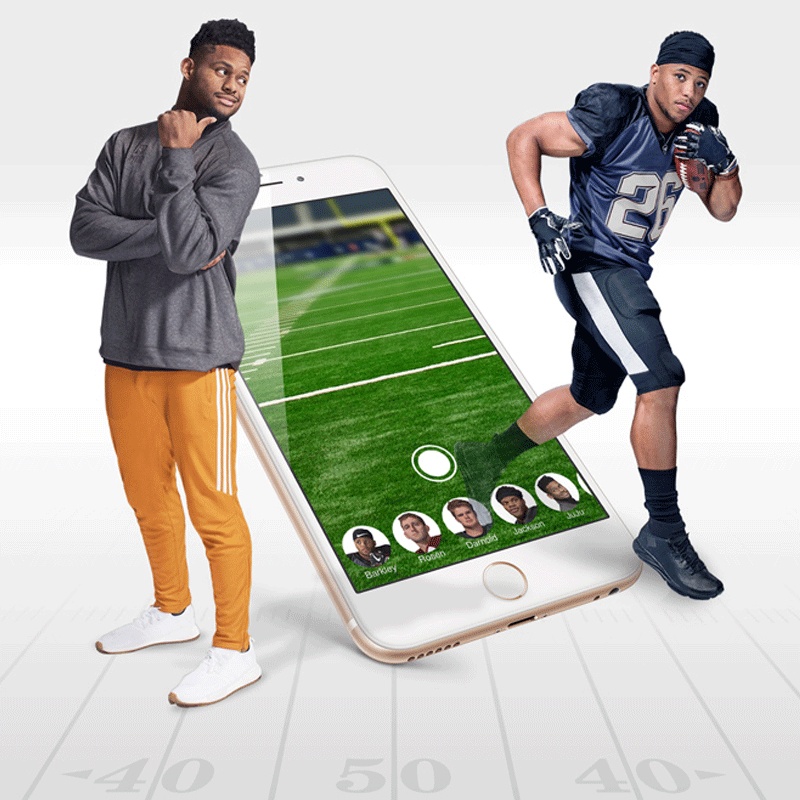
Play3D offered another invitation: place a football player’s hologram in the camera view of your surroundings, record a clip and share it. Signature worked with Altered Reality Corp. on the app and its launch. Seven players were captured during the 2018 NFLPA Rookie Premiere, including Josh Allen, Saquon Barkley and Lamar Jackson.
The project’s recognition was specific. Signature lists 2019 Davey gold for augmented reality and silver for innovative or experimental mobile work, alongside Indigo gold awards for mobile interaction and interface design. The combination is revealing. A technical effect could attract attention, but the interface still needed to help an ordinary user do something enjoyable with it.
The same eye, a different surface
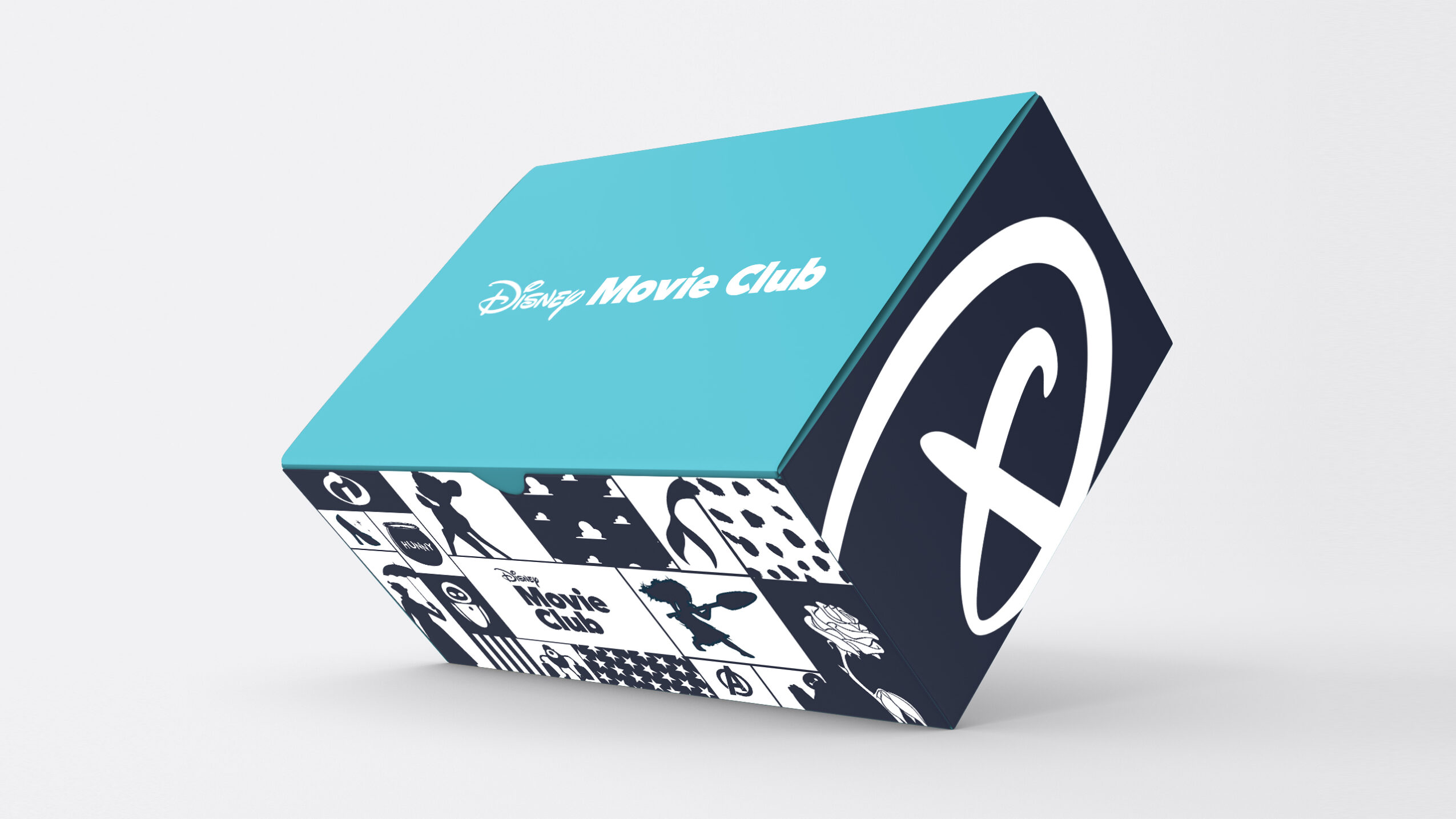
Not every project needs a hologram. For Disney Movie Club, Signature’s work included the brand, communications, membership website, mobile application and retention programs. The agency began with audits, leadership discussions and research, then tested successive iterations. The work asked how many parts of a customer relationship could feel coherent.
The hospitality work at Pier Sixty-Six makes that concern tangible. Signature developed guidance across a marina, residences and resort, including voice, visual identity, websites, brochures, icons and signage advice. A visitor might encounter the work in a printed piece, then on a screen, then while moving through a place. Consistency had to travel with them.
Fruitist supplied a different cast of characters: berries. Signature’s case study lists logo and character design, positioning, packaging, photography and digital development. Its February 2025 portfolio entry sits comfortably beside the waterfront work without looking like the same assignment. A berry package has precious little time to introduce itself. A resort brochure can linger. Both need a recognizable personality.
A useful answer to a creative question
“If you don’t have the answer, go get it.”
John Gheur
His described process circles through research, composition, review, sharing and refinement before presentation and production. It gives revision an ordinary place in the work. The first idea has company, and the company is allowed to disagree.
His wider activities keep those conversations varied. His résumé lists executive production work with Poe from 2020, alongside the gallery and Signature. The Communicator Awards includes him in its jury roster as a founder and creative director. He moves between making work, helping artists make work and considering what other people have made.
The former meeting room remains an apt image for all of this. Its value came from seeing another use for a familiar space, then inviting people in. Across Gheur’s campaigns, products, brands and gallery, that invitation keeps taking different forms. Sometimes it asks for a tap. Sometimes it offers a wall. Sometimes it leaves enough room for somebody else’s idea.