brand-design
(14)
The Agency That Fired the Hallway
Clorox once kept print people in one silo and digital people in another. Then it moved 43 desks, rewired the reporting lines, and built an agency that could make a bottle label, a website and a board game without leaving the company.
The PR Agency That Learned to Pitch the Person, Not the Product
Crier Communications has spent nearly three decades making ordinary products reportable. Its trick is simple enough to borrow: find the human story, outside proof, or timely argument that makes the product matter.

Laetro wants AI to keep the artist in the picture
A creative marketplace grew into a studio with AI tools and agents. Its most interesting experiment is deciding where human judgment belongs - and how the people supplying it get paid.
Social Media Designer sells the last mile of a post
A product can be ready to sell while its announcement is still a mess. Social Media Designer offers graphics for that awkward gap between having something to say and having a post ready to publish.

SOI wants to be your business’s one stop shop
SavageOne International puts business consulting and brand design under one roof. Its pitch is simple: give a business fewer places to turn when its strategy and its public face need attention.
Vapor Studio builds brands you can pick up
From robot-inspired headphones to a lemonade can with summer plans, the California agency treats the product, the packaging, and the pitch as parts of the same job.

Artistgallery puts a face on the sales pitch
A portrait, a public invitation to judge it, and an email address for commissions. Artistgallery’s art feed offers a close look at the small-business work of turning attention into an inquiry.

Andrew Speight Turned a Rebrand Into a Career in the C-Suite
He arrived at RXNT as a senior graphic designer and, in the same year, became its chief marketing officer. His career makes a tidy case for the executive value of noticing what everyone else skims past.

Laurie Miller Built Her Marketing Career From the Page Up
Before she marketed governed content for the age of AI, Laurie Miller spent a decade making every page earn its place. Her route from magazine design to MadCap Software's C-suite is a study in how craft becomes operating discipline.
Tailor Brands Used a $5,000 Logo to Find a $79 Billion Problem
The Israeli startup began by making professional logos cheap. Then logos got cheaper still - so it followed first-time founders into the paperwork nobody wanted to touch.

Tina Lombardo Makes the Case for Design That Keeps Moving
The Penji marketing advisor has spent a decade turning design's subjective choices into practical decisions - one brief, revision, and useful piece of advice at a time.

Sehan Sanjula Turned the Overnight Shift Into a Design Company
Zyner began with two laptops, months without a client and midnight calls from Colombo. Sehan Sanjula’s real product was not another design package - it was a way to make creative work arrive without the chase.
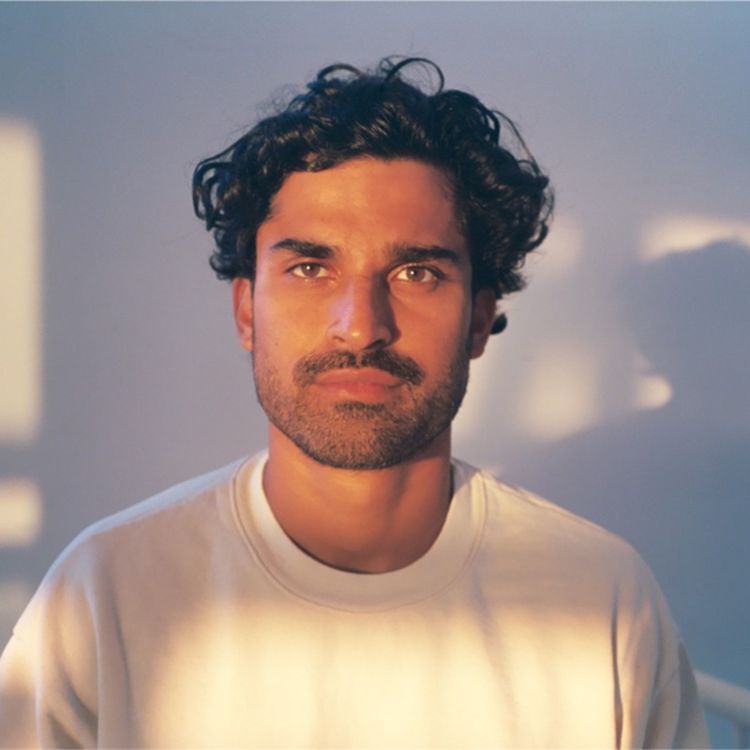
Raed Khawaja Is Building a Place to Come to Your Senses
He left the machinery of finance and consumer brands to study a quieter question: what helps people become present together? Open is his answer - part app, part Venice studio, and part long experiment in designing for attention.

Rebecca Shostak
Rebecca Shostak is the co-founder and CEO of Flodesk, a design-first email marketing platform that reached $36 million in annual recurring revenue without a single dollar of outside funding. A Silicon Valley native who taught herself Photoshop at 10, designed merchandise for Rihanna and Linkin Park, and built a company that Y Combinator rejected - then outgrew - Shostak turned a template shop frustration into a platform serving over 100,000 small businesses worldwide. Now steering Flodesk into AI, she spent five months in Vietnam with her engineering team building proprietary technology and filing seven patents.